Have you ever wondered what kitchen scraps you can toss into your compost bin without causing a mess or bad smells? Knowing exactly what to compost from the kitchen can turn your food waste into nutrient-rich soil that helps your plants thrive.
By making simple choices about what you throw away, you can save money, reduce waste, and even boost your garden’s health. Keep reading to discover the easy-to-follow list of kitchen items you should compost—and those you should avoid—to make your composting efforts effective and hassle-free.
Your plants and the planet will thank you!
Composting Basics
Composting turns kitchen waste into rich soil. It helps reduce trash and grow plants.
Knowing what to compost is key. Some items break down well, others do not.
Why Compost Kitchen Waste
Kitchen waste makes up a large part of household garbage. Composting this waste cuts down landfill use.
Composting also lowers greenhouse gases. It recycles nutrients back into the soil.
Benefits For Eco-friendly Homes
- Reduces waste sent to landfills
- Creates natural fertilizer for gardens
- Improves soil quality and moisture
- Supports local plants and wildlife
- Decreases the need for chemical fertilizers
Compostable Vs Non-compostable Items
| Compostable Items | Non-Compostable Items |
| Fruit and vegetable scraps | Meat and dairy products |
| Eggshells | Oils and fats |
| Coffee grounds and filters | Plastic and metal |
| Tea bags (without staples) | Glass and ceramics |
| Nut shells | Pet waste |
| Paper towels and napkins (unbleached) | Diseased plants |
Credit: www.texasdisposal.com
Fruits And Vegetables To Compost
Composting kitchen scraps helps reduce waste and creates rich soil. Fruits and vegetables break down easily and add nutrients to compost.
Knowing which scraps to compost keeps your pile healthy and balanced. Avoid adding items that slow the process or cause bad smells.
Common Fruit Scraps
Many fruit scraps work well in compost. These include peels, cores, and leftover pieces from fresh fruits.
- Apple cores and peels
- Banana peels
- Melon rinds and seeds
- Peach pits (crushed)
- Berry tops and stems
- Grape stems
Vegetable Peels And Trimmings
Vegetable scraps add valuable nutrients to compost. Peels and trimmings from many vegetables break down quickly.
| Vegetable | Type of Scrap |
|---|---|
| Carrots | Peels and tops |
| Potatoes | Peels and ends |
| Celery | Leaves and ends |
| Peppers | Seeds and skins |
| Cucumbers | Peels and tips |
Avoiding Citrus And Onion Overload
Citrus peels and onion skins can slow compost. Use them sparingly to keep a healthy balance.
Limit citrus and onion scraps to avoid:
- Too much acidity in compost
- Strong odors that attract pests
- Slower breakdown of materials
Coffee Grounds And Tea Leaves
Coffee grounds and tea leaves are great for kitchen compost. They add nutrients that help plants grow. You can recycle these materials instead of throwing them away.
These items break down well in compost and improve soil quality. Let’s see how to use them properly in your compost pile.
Using Coffee Grounds
Used coffee grounds are rich in nitrogen. They help feed microorganisms in the compost. Spread them thinly or mix well to avoid clumps.
- Dry the grounds before adding to compost
- Mix with brown materials like leaves or paper
- Do not add too many coffee grounds at once
- Use about 20% coffee grounds in your compost mix
Tea Bags And Loose Leaves
Tea leaves and bags add nitrogen and organic matter. Remove staples from bags if possible. Some tea bags may not compost well if made of plastic.
- Cut open bags to speed up composting
- Use loose tea leaves freely in compost
- Check if tea bags are biodegradable
- Mix tea leaves with dry brown materials
Balancing Nitrogen Levels
Balancing nitrogen and carbon helps compost break down fast. Coffee grounds and tea leaves provide nitrogen. You need carbon-rich materials to balance them.
| Material | Type | Role in Compost |
|---|---|---|
| Coffee Grounds | Green (Nitrogen) | Feeds microbes |
| Tea Leaves | Green (Nitrogen) | Improves soil |
| Dry Leaves | Brown (Carbon) | Absorbs moisture |
| Shredded Paper | Brown (Carbon) | Balances nitrogen |

Credit: biogrowthorganics.com
Eggshells And Dairy Products
Kitchen scraps are great for composting. Eggshells and some dairy products can add nutrients to your compost.
Knowing how to compost these items helps keep your pile healthy and smells fresh.
Crushed Eggshells Benefits
Crushed eggshells add calcium to compost. Calcium helps plants grow strong stems and roots.
Eggshells also improve soil structure and reduce acidity.
- Break eggshells into small pieces before composting
- Rinse to remove egg residue and avoid smell
- Eggshells decompose slowly but add long-term benefits
Handling Dairy Waste
Dairy products like milk and cheese can cause bad smells in compost. They attract pests like rodents.
It is best to avoid adding large amounts of dairy directly to compost piles.
- Use small amounts of dairy in a well-managed compost bin
- Mix dairy with plenty of brown materials like leaves
- Turn compost often to reduce odor and pests
Alternatives To Dairy In Compost
Instead of dairy, use other kitchen scraps that break down easily and smell good.
Vegetable peels, coffee grounds, and eggshells are good choices.
- Vegetable scraps add nitrogen and moisture
- Coffee grounds improve soil texture and acidity
- Eggshells add calcium and minerals
- Avoid meat and oily foods to keep compost fresh
Grains, Bread, And Pasta
Kitchen scraps like grains, bread, and pasta can be composted. They add valuable nutrients to your compost pile.
Knowing what to compost helps keep pests away and speeds up decomposition.
Composting Cooked Vs Raw Grains
Raw grains like rice, oats, or quinoa compost well. They break down slowly and add fiber to soil.
Cooked grains break down faster but can attract pests. Mix them well with dry materials to avoid problems.
- Raw grains: slow breakdown, low pest risk
- Cooked grains: fast breakdown, higher pest risk
- Mix cooked grains with leaves or paper
Bread And Pasta Considerations
Bread and pasta are good compost materials if not moldy. They add carbohydrates to your compost.
Avoid large amounts of bread or pasta. They can become sticky and slow down composting.
- Use small amounts of bread and pasta
- Break them into smaller pieces
- Avoid processed bread with preservatives
Avoiding Mold And Pests
Moldy bread or pasta can cause bad smells and slow composting. Remove moldy scraps before composting.
Keep compost covered and turn it often. This stops pests and helps materials break down evenly.
- Do not compost moldy grains, bread, or pasta
- Cover food scraps with dry leaves or soil
- Turn compost weekly to reduce pests
Meat, Fish, And Bones
Composting kitchen scraps is a great way to reduce waste. But meat, fish, and bones need special care.
These animal products can cause problems if added to your compost pile without caution.
Risks Of Composting Animal Products
Meat, fish, and bones can attract pests like rats and raccoons. They also create bad smells.
These scraps take longer to break down. They can spread harmful bacteria in your compost.
- Attract unwanted animals and insects
- Create strong, unpleasant odors
- Slow decomposition in compost
- Risk of harmful bacteria growth
Safe Disposal Practices
Keep meat, fish, and bones out of your regular compost bin. Use a separate system if possible.
Wrap scraps in newspaper or use sealed containers to reduce smells and pests.
- Use a closed compost bin designed for animal products
- Wrap scraps in biodegradable paper before disposal
- Keep compost pile hot to kill bacteria
- Turn compost regularly to speed breakdown
Composting Alternatives
Consider other ways to dispose of meat, fish, and bones safely. This protects your compost and garden.
Some alternatives include trash disposal or special animal product composters.
- Dispose in regular trash with sealed bags
- Use municipal organic waste collection if available
- Try bokashi fermentation for kitchen scraps
- Feed bones to pets or use for broth if safe
Fats, Oils, And Grease
Fats, oils, and grease from the kitchen are common waste items. They come from cooking and food preparation. Many people wonder if they can add these to compost piles.
It is important to know how fats affect compost. This helps keep your compost healthy and useful for plants.
Why Avoid Fats In Compost
Fats, oils, and grease can slow down the composting process. They do not break down easily like other kitchen waste. This can cause bad smells and attract pests.
Too much fat in compost can make it greasy and wet. This stops air from reaching the materials. Compost needs air to break down properly.
- Fats cause bad odors in compost
- They attract unwanted animals and insects
- Fats slow down the breakdown of compost
- Grease can make compost too wet and smelly
Proper Disposal Methods
Do not pour fats, oils, or grease down the drain. They can clog pipes and harm the environment. Instead, collect them in a container to throw away later.
You can also reuse some cooking oils by straining and storing them. For large amounts, check if your community has special disposal options.
- Let fats cool and harden before disposal
- Scrape solid fats into the trash
- Use a sealed container for liquid oils
- Find local recycling programs for cooking oils
Reducing Kitchen Fat Waste
Reducing fat waste helps both your kitchen and the environment. Use less oil when cooking. Try baking, steaming, or grilling instead of frying.
Save leftover oils for another meal if you can. Clean pans with paper towels to remove grease before washing.
- Cook with less oil and fat
- Choose healthier cooking methods
- Reuse cooking oils safely
- Clean pans before washing to reduce grease
Kitchen Paper And Packaging
Many kitchen papers and packaging materials can be composted. Composting helps reduce waste and enrich soil. It is important to know which items are compostable.
This guide focuses on paper towels, napkins, cardboard, and paper packaging from the kitchen. It also explains what to avoid.
Compostable Paper Towels And Napkins
Paper towels and napkins can be composted if they are clean or lightly soiled. They break down quickly and add carbon to compost.
Do not compost paper towels or napkins with chemical cleaners or grease. Use only those from food cleanup or drying hands.
- Use unprinted or recycled paper towels
- Compost napkins with food stains only
- Avoid towels with bleach or chemicals
Cardboard And Paper Packaging
Cardboard and paper packaging can be composted if they are free of plastic or wax coatings. Tear them into small pieces before adding to compost.
Pizza boxes, paper bags, and egg cartons usually compost well. Remove stickers or tape if possible to avoid contamination.
- Break down cardboard into small pieces
- Only compost paper without plastic lining
- Remove any non-paper parts like tape
Avoiding Contaminated Items
Some paper products have coatings or food residues that stop them from composting. Avoid these to keep compost healthy.
Do not compost waxed paper, glossy packaging, or items with heavy grease. These can harm the compost process.
- Do not compost waxed or glossy paper
- Avoid paper with plastic coatings
- Skip paper with heavy oil or grease stains
- Remove any non-compostable parts before composting
Storing And Preparing Kitchen Waste
Composting kitchen waste helps reduce trash and creates healthy soil. Proper storage and preparation keep compost fresh and easy to manage.
Learn how to collect, chop, and store scraps to avoid problems like bad smells and pests.
Best Practices For Collection
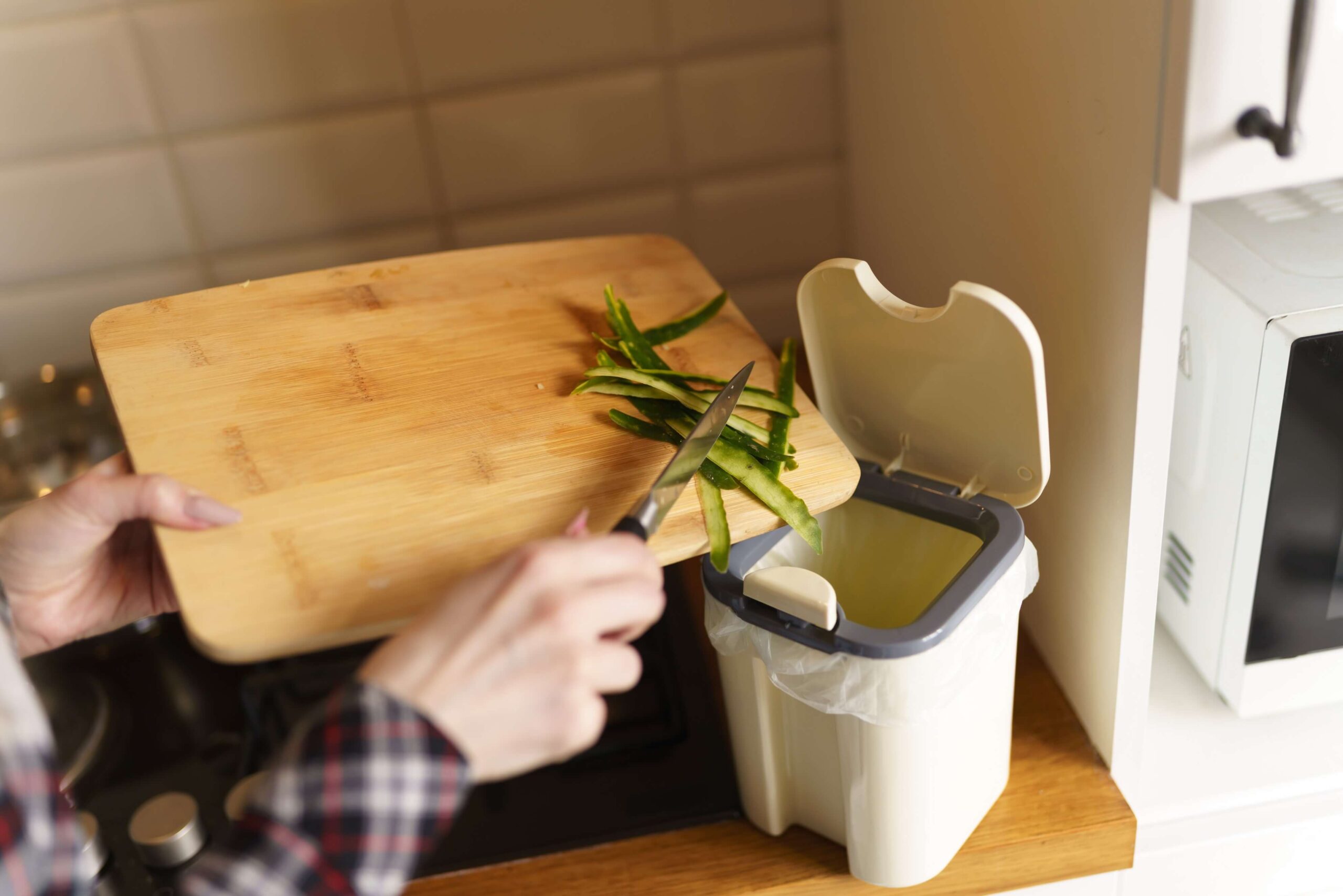
Use a small container with a lid to collect kitchen scraps. Keep it on the counter or under the sink for easy access.
Empty the container into your main compost bin daily. This prevents waste from piling up and smelling bad.
- Use a container with a tight lid
- Line the container with newspaper or compostable bags
- Keep the container clean to avoid stains and smells
- Empty scraps into the compost bin every day
Chopping And Drying Scraps
Cut large scraps into small pieces to help them break down faster. Smaller pieces fit better in the compost and decompose quickly.
Dry wet scraps like fruit peels before composting. Drying reduces moisture, which helps prevent a smelly compost pile.
- Chop vegetable and fruit scraps into 1-2 inch pieces
- Spread wet scraps on a tray to air dry for a few hours
- Mix dry scraps with green waste like vegetable peelings
- Avoid adding too many wet scraps at once
Preventing Odors And Pests
Keep your compost bin covered to stop pests and reduce smells. A tight lid keeps flies and rodents away from scraps.
Add brown materials like shredded paper or dry leaves to balance wet scraps. This helps keep your compost fresh and odor-free.
- Cover fresh scraps with dry leaves or shredded paper
- Store scraps in a sealed container before adding to compost
- Keep the compost bin in a cool, shaded area
- Turn the compost regularly to add air and reduce smells

Credit: www.bamboozlehome.com
Composting Methods For Homes
Composting at home helps reduce waste and creates nutrient-rich soil. You can compost many kitchen scraps like fruit peels, vegetable bits, coffee grounds, and eggshells.
There are several ways to compost at home. Choose the method that fits your space and lifestyle. Here are three popular composting options.
Indoor Compost Bins
Indoor compost bins are small containers used inside your home. They let you compost kitchen scraps without going outside. These bins often have lids to control smells.
You can add fruit and vegetable scraps, coffee grounds, tea bags, and eggshells to indoor bins. Avoid meat, dairy, and oily foods to keep pests away.
- Use a bin with a tight lid to reduce odors
- Turn the compost every few days for airflow
- Add dry leaves or shredded paper to balance moisture
- Empty the bin into an outdoor compost or garden when full
Outdoor Compost Piles
Outdoor compost piles are simple and good for larger amounts of kitchen waste. You build a pile in your yard and add scraps regularly. The pile breaks down over time into rich compost.
Include fruit and vegetable scraps, coffee grounds, eggshells, and yard waste like leaves and grass. Avoid adding meat, bones, and dairy to prevent pests.
- Place the pile in a shady, dry spot
- Turn the pile weekly to help it decompose faster
- Add water if the pile feels dry
- Use finished compost in your garden or pots
Vermicomposting With Worms
Vermicomposting uses worms to break down kitchen waste quickly. You keep worms in a special bin with bedding like shredded paper or cardboard. The worms eat food scraps and produce nutrient-rich castings.
Worms like fruit and vegetable scraps, coffee grounds, and crushed eggshells. Avoid citrus, meat, dairy, and oily foods as they can harm the worms.
- Use a well-ventilated bin to keep worms healthy
- Keep the bin moist but not wet
- Feed worms small amounts of food regularly
- Harvest worm castings every few months for your plants
Troubleshooting Common Issues
Composting kitchen scraps is a great way to reduce waste. Sometimes, issues like bad smells or pests can happen. These problems can stop your compost from working well.
This guide helps you fix common compost troubles. You will learn how to deal with odors, pests, and improve the compost breakdown process.
Dealing With Odors
Bad smells come from too much moisture or food that rots too fast. You can stop odors by balancing wet and dry materials in your compost.
- Add dry leaves, paper, or cardboard to absorb moisture.
- Turn your compost to add air and help it dry.
- Cover food scraps with soil or dry material after adding them.
- Do not add meat, dairy, or oily foods that cause strong smells.
Managing Pests
Pests like flies, rodents, and ants can be attracted to your compost bin. To keep pests away, you need to store food scraps carefully and keep the compost covered.
| Common Pest | Cause | How to Prevent |
|---|---|---|
| Flies | Exposed food scraps | Cover scraps with dry material or soil |
| Rodents | Meat, cheese, or oily food | Avoid adding these items, use sealed bin |
| Ants | Dry compost or sugary food | Keep compost moist and balanced |
Improving Compost Breakdown
Good compost breaks down faster when it has the right mix of materials and air. You can help by adding different items and turning the pile often.
- Mix green scraps like fruit and vegetable peels with brown materials like dry leaves.
- Chop large scraps into small pieces for quicker decay.
- Turn the compost every week to add oxygen.
- Keep the compost moist, like a damp sponge, not too wet or dry.
Frequently Asked Questions
What Kitchen Scraps Can I Compost At Home?
You can compost fruit and vegetable peels, coffee grounds, eggshells, and tea bags. Avoid meat, dairy, and oily foods to prevent pests and odors.
Can I Compost Cooked Food Leftovers From The Kitchen?
Cooked foods are best avoided as they attract pests and cause odor. Stick to raw scraps like vegetable peels and coffee grounds for effective composting.
How Do I Compost Citrus And Onion Scraps Safely?
Citrus and onion scraps can be composted in small amounts. Balance them with brown materials like leaves to reduce acidity and speed up decomposition.
Are Bread And Pasta Suitable For Kitchen Composting?
Bread and pasta can be composted but in moderation. Too much can attract pests and create strong odors, so mix well with other compost materials.
Conclusion
Composting kitchen waste is simple and beneficial. Start with fruits and veggies. Add eggshells and coffee grounds. Avoid meat and dairy to prevent odors. Balance greens and browns for effective composting. This creates rich soil for your garden. Reduces waste and helps the environment.
Anyone can compost at home with little effort. Save scraps, enrich your garden, and enjoy the rewards. Happy composting!