What Speed is High on Kitchenaid Mixer? Have you ever found yourself in the kitchen, standing in front of your shiny KitchenAid mixer, wondering what speed to use for the perfect cake batter or fluffy whipped cream? You’re not alone.
The KitchenAid mixer is a powerful tool, and knowing how to use its speeds can transform your cooking and baking experience. Imagine effortlessly creating the ideal texture for your dough or achieving the perfect whip for your meringue. In this guide, you’ll discover exactly what speed is considered “high” on your KitchenAid mixer and how to use it to elevate your culinary creations.
Dive in to unlock the secrets of your mixer and take your kitchen skills to the next level!
Kitchenaid Mixer Speeds
Kitchenaid mixers have different speed settings for various tasks. Knowing the right speed helps you mix ingredients properly.
This guide explains what speed is considered high and what each speed does.
Speed Settings Explained
Kitchenaid mixers usually have 10 speed settings. Each speed controls how fast the beaters turn.
Low speeds are for gentle mixing. High speeds whip or beat ingredients fast.
- Speed 1-2: Stirring and slow mixing
- Speed 3-4: Slow beating and mixing
- Speed 5-6: Medium mixing and creaming
- Speed 7-8: Fast beating and whipping
- Speed 9-10: Highest speed for whipping cream and egg whites
Speed Range And Functions
The high speed on a Kitchenaid mixer is usually speed 10. This speed is good for whipping air into mixtures.
Use high speed for tasks like whipping cream or egg whites to create fluffy textures.
| Speed | Function |
|---|---|
| 1 – Stir and combine ingredients gently | Slow mixing to avoid splashes |
| 5 – Cream butter and sugar | Medium speed for smooth texture |
| 8 – Beat batter or dough | Fast mixing for even texture |
| 10 – Whip cream or egg whites | Highest speed for fluffy results |
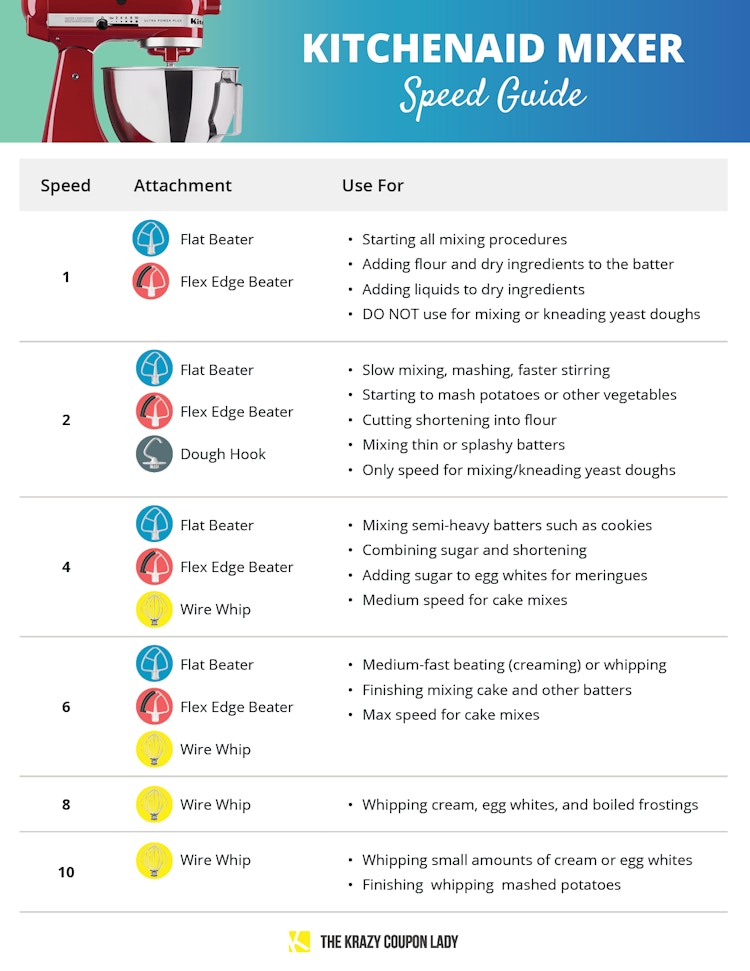
Credit: thekrazycouponlady.com
Defining High Speed
High speed on a KitchenAid mixer refers to the faster settings on the machine. These speeds help mix ingredients quickly and efficiently. It is important to know what counts as high speed for the best results.
The mixer has several speed settings, each meant for different tasks. High speed is used when you want to whip, beat, or mix ingredients fast.
What Counts As High Speed
On most KitchenAid mixers, high speed is the top few settings. These speeds range from about 8 to 10 on the dial. The exact speed depends on the mixer model.
High speed is best for whipping cream, beating eggs, and mixing light batters. It moves the attachments quickly to add air into the mixture.
- Speed 8 is fast whipping or beating
- Speed 9 and 10 are very fast mixing
- Used for whipping and light mixing
Comparing High Speed To Other Settings
KitchenAid mixers have low, medium, and high speeds. Low speeds are for slow stirring and kneading. Medium speeds mix ingredients more quickly but not as fast as high speed.
High speed is much faster than the other settings. It adds air and blends ingredients quickly. Low and medium speeds protect delicate foods from over mixing.
| Speed Range | Purpose |
|---|---|
| 1-2 (Low) | Slow stirring, kneading dough |
| 3-7 (Medium) | Mixing batters, blending ingredients |
| 8-10 (High) | Whipping cream, beating eggs |
When To Use High Speed
High speed on a KitchenAid mixer means the mixer runs fast. It is good for tasks needing quick mixing or whipping.
Using the right speed helps get the best results and saves time. High speed is not for every task.
Mixing And Whipping Tasks
High speed works well when you need to whip air into mixtures. It helps make things light and fluffy.
Use high speed for whipping cream or egg whites. It creates peaks and adds volume quickly.
- Whipping cream for desserts
- Beating egg whites for meringue
- Mixing cake batter for smooth texture
Dough Kneading Considerations
High speed is not good for kneading dough. It can harm the dough and the mixer.
Use low or medium speed to knead dough. This helps develop gluten without overheating the motor.
- Start kneading at low speed
- Increase to medium speed if needed
- Avoid high speed to protect dough and mixer
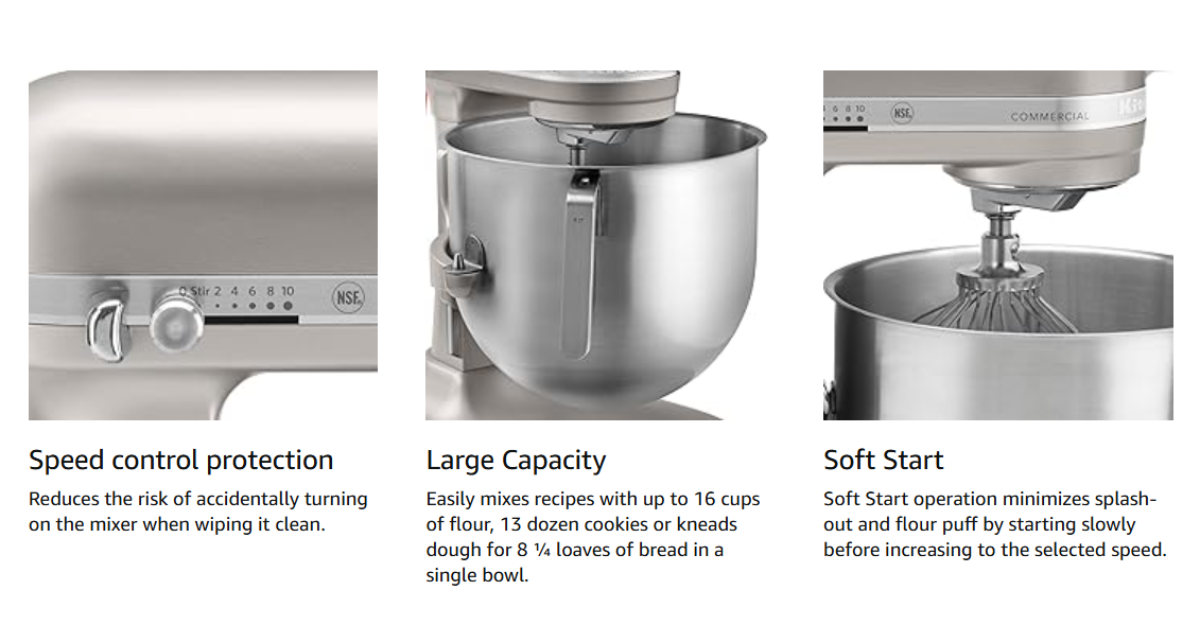
Credit: livegreenspdx.com
Tips For Using High Speed Safely
Using high speed on a KitchenAid mixer can save time while mixing ingredients. It is important to use this speed carefully to avoid mess and damage.
Following safety tips helps you get the best results and keeps your kitchen clean.
Preventing Splatter
High speed can cause ingredients to splatter outside the bowl. You can reduce splatter by taking simple steps.
- Start mixing on low speed, then increase gradually.
- Use a splash guard or cover the bowl partially.
- Add liquid ingredients slowly to avoid sudden splashes.
- Keep the bowl properly attached to the mixer base.
Avoiding Overmixing
Mixing too long or too fast can ruin the texture of your food. Use these guidelines to avoid overmixing at high speed.
| Type of Mixture | Recommended Mixing Time | Speed Tip |
|---|---|---|
| Cake batter | 2 to 3 minutes | Use medium speed after initial low speed |
| Whipped cream | 1 to 2 minutes | Watch closely; stop once peaks form |
| Bread dough | 5 to 7 minutes | Use lower speed for kneading |
Troubleshooting Speed Issues
KitchenAid mixers have multiple speed settings. Sometimes the speed may not work as expected. Knowing how to fix speed problems helps keep your mixer running well.
This guide covers common speed control problems and what to do if your motor overheats.
Speed Control Problems
Speed control issues can cause the mixer to run too slow, too fast, or not at all. This can happen due to worn parts or electrical faults.
- Check if the speed knob is set correctly and not loose.
- Inspect the speed control board for damage or dirt.
- Look for worn brushes or motor parts that may affect speed.
- Ensure the power cord and plug are in good condition.
- If unsure, contact a professional technician for repairs.
Motor Overheating
Motors may overheat if used for long periods or if there is a mechanical problem. Overheating can reduce motor life and cause speed issues.
| Cause | Effect | Solution |
| Prolonged use without breaks | Motor gets very hot | Turn off mixer and let it cool for 30 minutes |
| Blocked ventilation | Airflow reduced, heat builds up | Clear vents and avoid placing mixer near walls |
| Internal motor damage | Motor stalls or slows down | Have a technician inspect and repair motor |
| Overloading the mixer | Strain on motor, overheating risk | Mix smaller batches or reduce speed |

Credit: www.eater.com
Comparing Models And Speeds
KitchenAid mixers come in different models with varied speed settings. Knowing which speed is high helps you use the mixer correctly.
This guide compares standard and professional models and their speed variations.
Standard Vs Professional Models
Standard KitchenAid mixers usually have 10 speed settings. The highest speed is great for whipping and mixing light ingredients.
Professional models often have more power and similar speed ranges, but some offer stronger motors for heavy dough.
- Standard models: 10 speeds, top speed around 325 RPM
- Professional models: 10 speeds, can handle tougher mixes
- Both have a high speed mainly for whipping and mixing
Speed Variations Among Models
Different KitchenAid models may have slight speed differences. The RPMs at each speed setting can vary.
High speed is usually between 300 and 400 RPM. Some models reach faster speeds for quick whipping.
| Model | Max Speed (RPM) | Speed Settings |
|---|---|---|
| KitchenAid Artisan | 325 | 10 |
| KitchenAid Professional 600 | 350 | 10 |
| KitchenAid Classic | 300 | 10 |
Frequently Asked Questions
What Speed Is Considered High On A Kitchenaid Mixer?
High speed on a KitchenAid mixer typically ranges from 8 to 10. This setting is used for whipping and fast mixing tasks, such as beating egg whites or whipping cream to stiff peaks quickly and efficiently.
Can High Speed Damage My Kitchenaid Mixer?
Using high speed occasionally won’t damage your mixer. However, prolonged use on very thick dough at high speed may strain the motor. Always follow manufacturer guidelines for best performance and longevity of your KitchenAid mixer.
When Should I Use High Speed On Kitchenaid Mixer?
Use high speed for whipping, beating, and aerating ingredients. It’s ideal for egg whites, cream, and light batters. Avoid using it for heavy doughs to prevent motor strain and ensure optimal mixing results.
Is High Speed Best For All Mixing Tasks?
No, high speed is not suitable for all tasks. Use low to medium speeds for heavy doughs or slow mixing. High speed is best reserved for light, airy mixtures needing quick aeration.
Conclusion
High speed on a KitchenAid mixer is best for fast mixing tasks. It helps whip cream and beat egg whites quickly. Use lower speeds for gentle mixing or kneading dough. Knowing the right speed saves time and improves your recipes.
Always start slow, then increase speed as needed. This keeps ingredients from splashing or mixing unevenly. Understanding speed settings makes cooking easier and more fun. Try different speeds to see what works best for each recipe. Mixing well leads to better texture and taste every time.