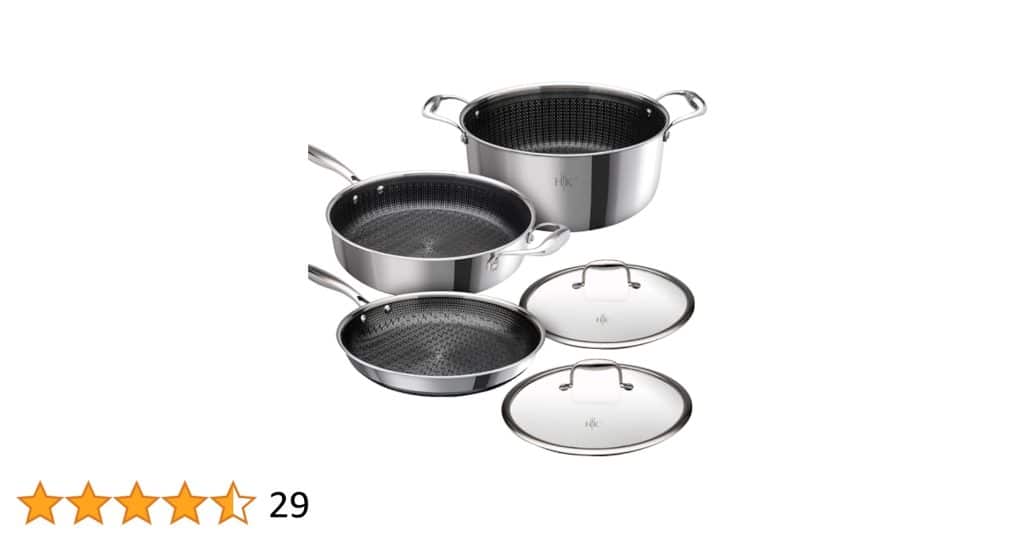
Are you a fan of the high-stakes culinary show, Hell’s Kitchen? Ever wondered What Pans are Used on Hell’S Kitchen to whip up those mouth-watering dishes?
You’re not alone! The kitchen tools used on the show aren’t just any ordinary utensils; they’re specially chosen for their quality and performance. We’ll uncover the pans that make the cut in Gordon Ramsay’s intense kitchen environment. You’ll discover why these pans are essential for creating restaurant-quality meals and how you can bring a bit of that Hell’s Kitchen magic into your own cooking space.
Stick around to find out which pans could elevate your culinary skills to the next level. Your kitchen deserves the best, and so do you!
Signature Pans On Hell’s Kitchen
Hell’s Kitchen chefs use specific pans to cook quickly and well. Each pan type has a special job in the kitchen.
These pans help chefs create the dishes you see on the show. Let’s look at the main pans they use.
Cast Iron Skillets
Cast iron skillets are heavy and keep heat for a long time. Chefs use them to sear meat and cook dishes evenly.
These skillets are great for high heat cooking and add a nice crust to food.
Stainless Steel Fry Pans
Stainless steel fry pans heat quickly and are easy to clean. They are perfect for frying and sautéing.
- Durable and resistant to rust
- Good for browning and searing
- Can handle high heat without damage
Nonstick Sauté Pans
Nonstick sauté pans stop food from sticking. They use less oil and are easy to clean after cooking delicate foods.
| Pan Type | Main Use | Key Feature |
| Cast Iron Skillet | Searing meat | Retains heat |
| Stainless Steel Fry Pan | Frying and sautéing | Durable and heats fast |
| Nonstick Sauté Pan | Cooking delicate foods | Prevents sticking |
Material Benefits For Chefs
The pans used on Hell’s Kitchen are chosen for their strong material benefits. Chefs rely on these pans to cook food evenly and quickly. The right material helps chefs work faster and with more control.
Each pan material has unique properties that suit busy kitchen needs. These properties include heat retention, durability, and ease of cleaning. Understanding these helps explain why certain pans are preferred.
Heat Retention And Distribution
Pans on Hell’s Kitchen keep heat steady and spread it evenly. This helps food cook uniformly and avoids hot spots. Materials like cast iron and stainless steel are popular for this reason.
- Cast iron holds heat for a long time
- Stainless steel spreads heat quickly and evenly
- Copper pans react fast to temperature changes
Durability In A Busy Kitchen
Kitchen pans must resist scratches, dents, and high heat. Strong materials last through daily wear and heavy use. This makes them good investments for professional chefs.
| Material | Durability Level | Common Issues |
| Cast Iron | High | Rust if not cared for |
| Stainless Steel | Very High | Can discolor with heat |
| Aluminum | Moderate | Scratches easily |
Ease Of Cleaning
Cleaning pans quickly is key in fast-paced kitchens. Some materials need special care, while others are simple to wash. Non-stick coatings help chefs clean without scrubbing hard.
- Non-stick pans reduce food sticking
- Stainless steel can be cleaned with soap and water
- Cast iron needs seasoning after washing
Pan Sizes And Their Uses
In Hell’s Kitchen, chefs rely on different pan sizes for specific tasks. Each pan size helps cook food properly and quickly.
Choosing the right pan size improves cooking control and makes the kitchen run smoothly.
Small Pans For Precision Cooking
Small pans are perfect for delicate tasks. They heat fast and allow cooks to control temperature well.
- Ideal for sauces and reductions
- Use for melting butter or chocolate
- Great for cooking small portions
- Perfect for sautéing herbs or garlic
Medium Pans For Versatility
Medium pans are the most common in Hell’s Kitchen. They handle many different cooking jobs.
| Pan Size | Main Use |
| 8-inch | Cooking eggs and small meals |
| 10-inch | Searing meats and stir-frying |
| 12-inch | Cooking larger portions and sauces |
Large Pans For Bulk Cooking
Large pans help cook food for many people. They hold more ingredients and spread heat evenly.
Common uses for large pans:
- Preparing big batches of pasta or rice
- Cooking large cuts of meat
- Making stews and soups
- Roasting vegetables in bulk

Credit: hellskitchenstore.com
Specialty Pans Featured
Hell’s Kitchen chefs use a variety of specialty pans. These pans help create the show’s famous dishes.
Each pan has a special job. They bring out the best flavors and textures in food.
Grill Pans For Searing
Grill pans have ridges that give food grill marks. They help seal in juices and add flavor.
Chefs use these pans to sear meats like steak and chicken. The high heat creates a crispy outside.
- Cast iron grill pans hold heat well
- Non-stick grill pans are easy to clean
- Ridges allow fat to drip away
Saucepans For Sauces And Reductions
Saucepans are deep and have tall sides. They are perfect for cooking sauces and reductions.
These pans heat liquids evenly. Chefs use them to simmer and thicken sauces slowly.
- Stainless steel pans resist staining and scratching
- Heavy bottoms prevent sauces from burning
- Long handles help control pouring
Woks For Stir-frying
Woks have a round bottom and high sides. They allow food to cook quickly with high heat.
Chefs use woks to stir-fry vegetables and meats. The shape helps toss ingredients easily.
- Carbon steel woks heat up fast
- Non-stick woks reduce oil use
- Wide top allows for quick stirring
Brands Preferred By Hell’s Kitchen
Hell’s Kitchen chefs use high-quality pans to cook fast and well. The right pans help them prepare meals evenly and safely. Knowing the brands they prefer can guide you in your kitchen.
This guide shows two types of brands: professional grade and affordable alternatives. Each offers different benefits depending on your needs and budget.
Professional Grade Brands
Professional chefs on Hell’s Kitchen often use well-known brands. These pans last long and heat evenly. They are made with strong materials for daily heavy use.
- All-Clad: Known for stainless steel pans with excellent heat distribution.
- Lodge: Famous for cast iron skillets that retain heat well.
- Mauviel: Offers copper pans for precise temperature control.
- Viking: Produces durable cookware with professional features.
Affordable Alternatives
If you want good pans without high prices, these brands are smart choices. They offer solid quality for home cooks and beginners.
| Brand | Material | Price Range |
| T-fal | Non-stick aluminum | Low |
| Cuisinart | Stainless steel | Medium |
| Calphalon | Hard-anodized aluminum | Medium |
| Farberware | Stainless steel | Low |

Credit: hellskitchenstore.com
Maintenance Tips From The Show
On Hell’s Kitchen, chefs use different pans to cook fast and keep food tasty. Taking care of these pans helps them last longer.
The show shares tips on how to keep pans in good shape. These tips help avoid damage and make cooking safer.
Seasoning Cast Iron
Cast iron pans need seasoning to stay non-stick and rust-free. The show cooks with well-seasoned pans for better flavor.
To season cast iron, apply a thin layer of oil and heat it. This process creates a protective coating.
- Clean pan with hot water, no soap
- Dry pan completely after washing
- Rub a small amount of cooking oil on surface
- Heat pan in oven or on stove for an hour
- Let pan cool before storing
Avoiding Warping
Warps make pans uneven and hard to cook with. Hell’s Kitchen chefs avoid warping by heating pans properly.
Do not heat pans too quickly or on very high heat. Let them warm up slowly and cool down before washing.
- Use medium heat to warm pans
- Do not put hot pans in cold water
- Allow pans to cool before cleaning
- Use proper burners for pan size
Proper Storage
Storing pans correctly keeps them safe and ready to use. Hell’s Kitchen chefs store pans to prevent scratches and rust.
Stack pans with protection or hang them. Keep them dry and clean before putting away.
- Place paper towels between stacked pans
- Hang pans on hooks when possible
- Store in dry, cool place
- Keep lids separate to avoid damage

Credit: www.amazon.ca
Frequently Asked Questions
What Types Of Pans Are Used On Hell’s Kitchen?
Hell’s Kitchen primarily uses stainless steel pans for their durability and heat control. Cast iron skillets also appear for searing. Non-stick pans are rarely used, as professional chefs prefer metal pans for better cooking precision and higher heat tolerance.
Why Do Chefs On Hell’s Kitchen Prefer Stainless Steel Pans?
Stainless steel pans offer even heat distribution and durability. They handle high heat well and don’t react with acidic foods. This makes them ideal for the fast-paced, precise cooking style required on Hell’s Kitchen.
Are Cast Iron Pans Common In Hell’s Kitchen Kitchens?
Yes, cast iron pans are common on Hell’s Kitchen. They retain heat exceptionally well, perfect for searing meats. Their heavy construction helps chefs achieve a perfect crust and consistent cooking results.
Do Hell’s Kitchen Chefs Use Non-stick Pans?
Non-stick pans are rarely used on Hell’s Kitchen. Professional chefs prefer pans that allow better control and higher heat. Non-stick coatings can’t withstand the intense cooking environment seen on the show.
Conclusion
The pans used on Hell’s Kitchen show are practical and strong. Chefs pick pans that heat evenly and last long. Different pans serve different cooking needs in the kitchen. Cast iron, stainless steel, and non-stick pans appear often. These pans help chefs cook food quickly and well.
Choosing the right pan matters in fast-paced kitchens. Knowing what pans are used can help improve your cooking. Try using these pans to make meals taste better. The right tools make a big difference in the kitchen.