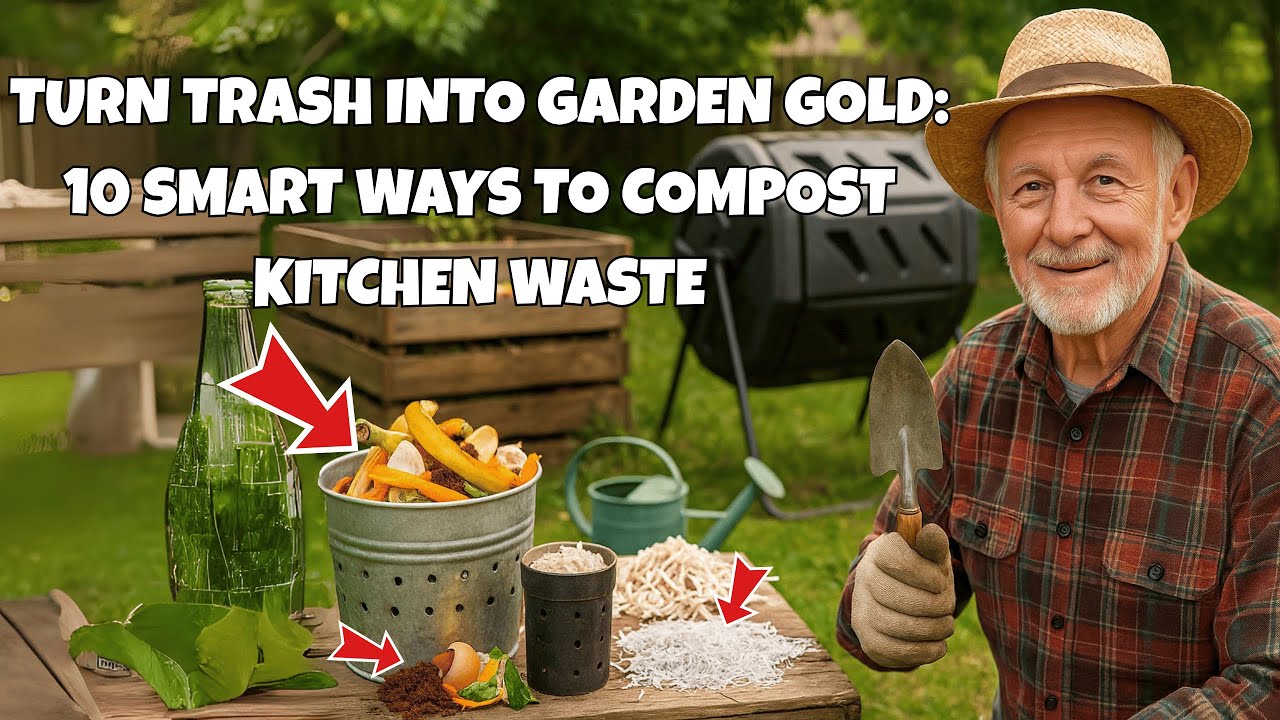
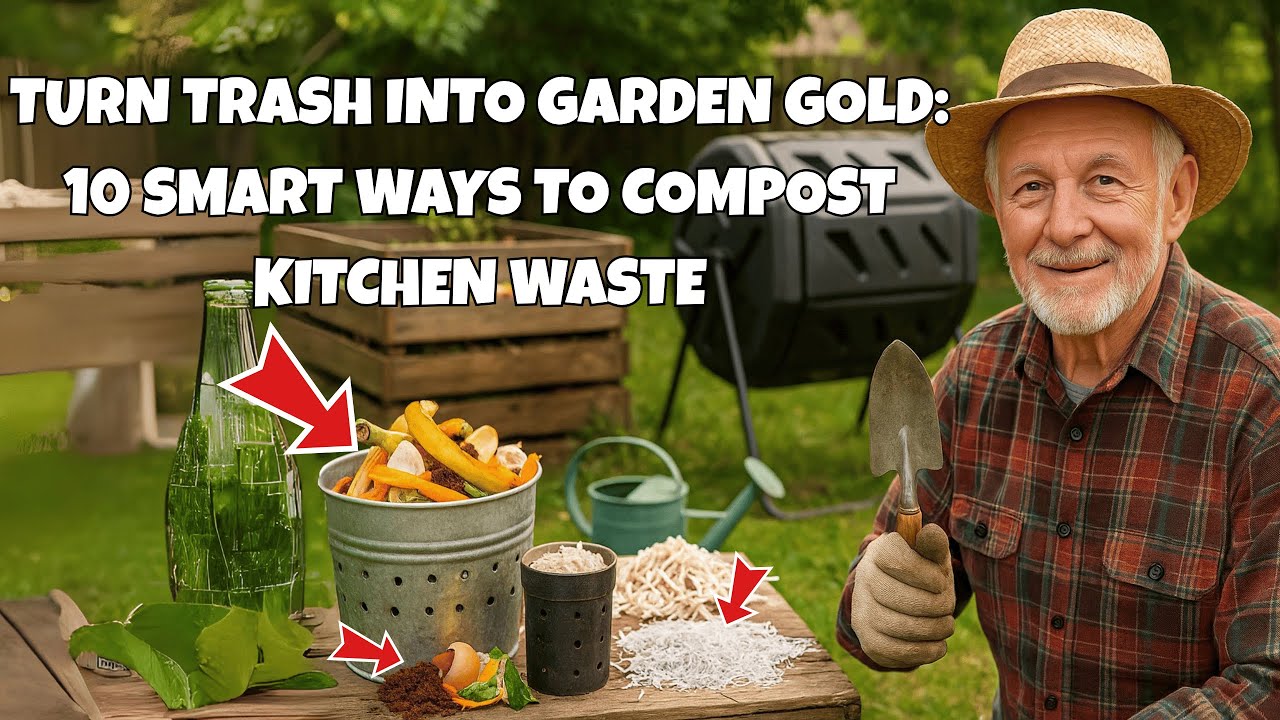
Are you tired of throwing away kitchen scraps every day? What if you could turn those leftovers into something valuable for your garden?
Composting is a simple way to reduce waste and enrich your soil. But you might be wondering, what kitchen scraps can I compost without making a mess or attracting pests? Keep reading, and you’ll discover the easy, safe scraps you can add to your compost pile that will help your plants thrive and keep your kitchen waste out of the landfill.
This is your guide to smarter, greener living—right from your own kitchen.
Benefits Of Composting Kitchen Scraps
Composting kitchen scraps helps reduce waste in landfills. It turns food leftovers into useful soil material.
People who compost save money and help plants grow better. It is an easy way to care for the environment.
Improves Soil Quality
Compost adds nutrients to the soil. It helps soil hold water and air, which plants need.
Reduces Landfill Waste
Throwing food scraps in the trash creates more landfill garbage. Composting lowers this waste and pollution.
Supports Plant Growth
Plants grow stronger with compost. It improves root health and helps plants resist diseases.
- Compost provides essential nutrients
- Improves soil texture and structure
- Increases water retention in soil
- Promotes healthy microbial activity
Saves Money On Fertilizers
Using compost reduces the need to buy chemical fertilizers. It is a natural and free resource from your kitchen.
| Benefit | Description |
| Soil Health | Improves nutrient content and soil structure |
| Waste Reduction | Decreases garbage sent to landfills |
| Plant Growth | Supports stronger and healthier plants |
| Cost Savings | Reduces need for store-bought fertilizers |
Common Compostable Kitchen Scraps
Composting kitchen scraps helps reduce waste and enrich soil. Many common scraps from your kitchen can go into a compost bin.
Knowing what scraps to compost makes the process easier and more effective. Let’s look at some common items you can compost safely.
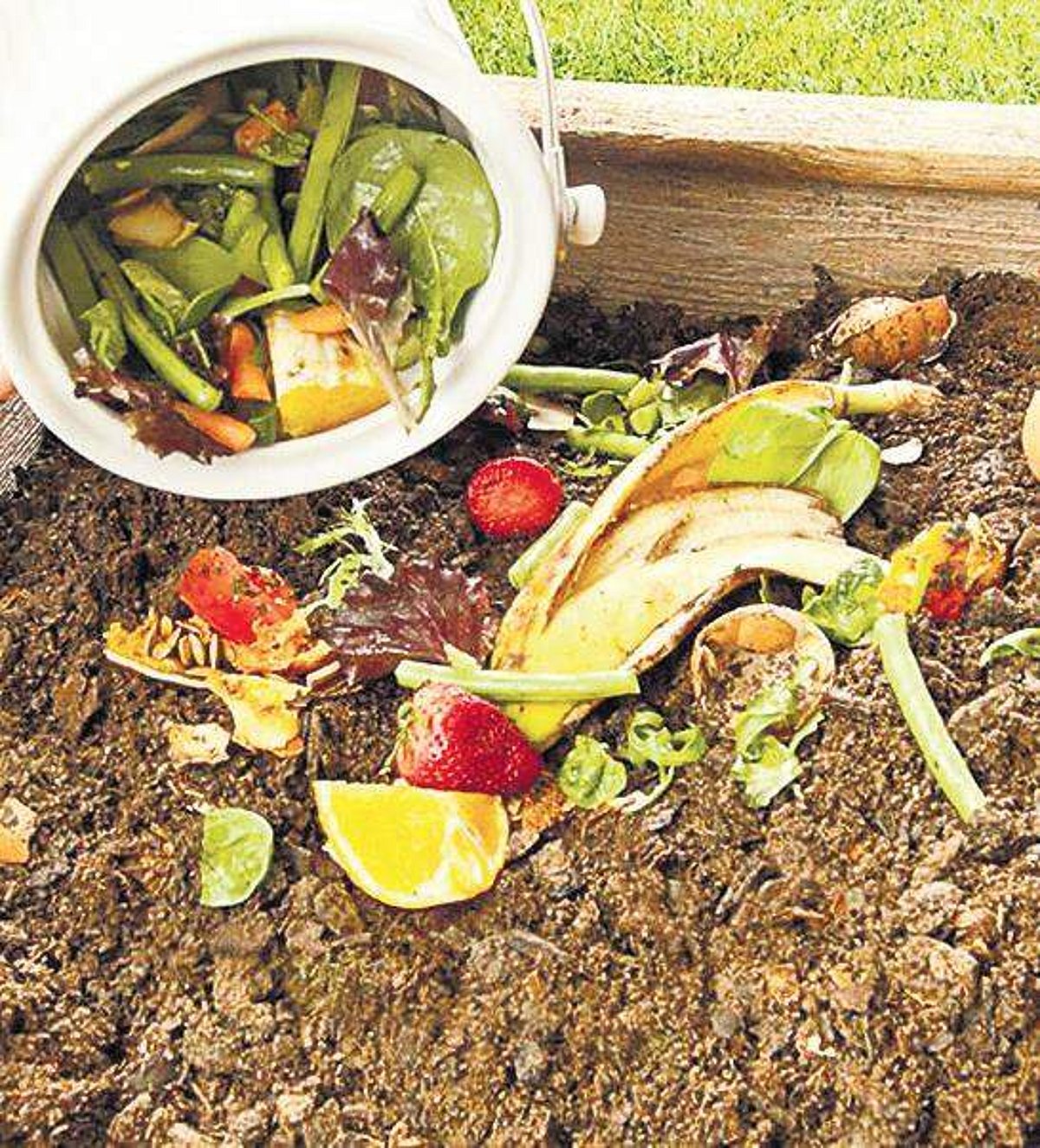
Fruit And Vegetable Peels
Fruit and vegetable peels break down quickly in compost. They add nutrients and improve soil quality. Avoid citrus peels in large amounts as they can slow composting.
- Apple cores and peels
- Banana peels
- Potato skins
- Carrot tops and peels
- Onion skins
- Tomato scraps
Coffee Grounds And Tea Bags
Coffee grounds add nitrogen to compost. Tea bags can also be composted if they are made of natural fibers. Remove staples before composting tea bags.
Use these materials to balance brown and green waste in your pile.
Eggshells
Eggshells add calcium to the compost. Crush them before adding to speed up decomposition. Avoid eggs that are rotten or cooked with oil.
| Type of Eggshell | Best Way to Compost |
| Raw eggshells | Crushed and dry |
| Cooked eggshells | Crushed, no oil or seasoning |
| Eggshells with oil | Avoid composting |
Bread And Grains
Bread and grains can be composted but in moderation. They break down quickly but may attract pests if added in large amounts.
- Stale bread pieces
- Cooked rice and pasta (no sauce)
- Crumbs from baked goods
- Uncooked grains like oats
Scraps To Avoid In Compost
Composting kitchen scraps is a great way to reduce waste. But some scraps can harm your compost pile. Avoid adding certain items to keep your compost healthy.
Knowing which scraps to skip helps prevent bad smells and pests. It also stops harmful bacteria from growing in your compost.
Meat And Dairy Products
Meat and dairy scraps can attract pests like rats and flies. They also create strong odors as they break down. These scraps can make your compost pile soggy and slow the process.
Examples to avoid include:
- Cooked or raw meat
- Cheese and butter
- Milk and yogurt
- Fish and bones
Oily And Greasy Foods
Oily and greasy foods do not break down well in compost. They create slimy spots and can slow down decomposition. These foods also attract unwanted pests.
Examples include:
- Cooking oils and fats
- Greasy pizza crusts
- Butter and margarine
- Salad dressings
Diseased Plants And Weeds
Adding diseased plants can spread germs in your compost. Some weeds can survive and grow after composting. This causes problems when you use the compost in your garden.
Do not compost:
- Plants with fungal infections
- Plants with insect damage
- Weeds that have gone to seed
- Poisonous or invasive plants
Synthetic Materials
Synthetic materials do not break down in compost. They can pollute the soil and harm plants. Avoid adding plastics, metals, and other man-made items.
Common synthetic materials to avoid:
- Plastic wrappers and bags
- Metal cans and foil
- Styrofoam pieces
- Glass shards
Credit: www.newindianexpress.com
Tips For Successful Kitchen Composting
Composting kitchen scraps helps reduce waste and creates rich soil. It is easy to do with the right steps.
Knowing what to compost and how to care for your pile makes the process faster and cleaner.
Balancing Greens And Browns
Good compost needs a mix of green and brown materials. Greens are wet and rich in nitrogen. Browns are dry and full of carbon.
- Greens: fruit scraps, vegetable peels, coffee grounds
- Browns: dry leaves, paper towels, cardboard pieces
- Aim for about 2 parts brown to 1 part green
Maintaining Moisture And Aeration
Keep your compost moist like a wrung-out sponge. Too dry or too wet slows down breakdown.
Turn the pile often to add air. Air helps microbes work and stops bad smells.
Proper Container Choices
| Container Type | Pros | Cons |
| Plastic Bin | Retains moisture, keeps pests out | Can get too wet, less airflow |
| Wire Mesh Bin | Good airflow, easy to turn | May dry out quickly, pests can enter |
| Compost Tumbler | Easy to mix, fast composting | More expensive, limited size |
Managing Odors And Pests
Bad smells come from too many greens or lack of air. Add browns and turn the pile to fix this.
- Keep meat, dairy, and oily foods out of compost
- Cover fresh scraps with dry leaves or shredded paper
- Use a lid or close container to keep pests away
- Place compost bin on soil or grass to attract helpful insects
Composting Methods For Kitchen Waste
Composting kitchen scraps helps reduce waste and creates rich soil. You can use many methods to compost at home.
Each method has its own way to break down food scraps. Choose one that fits your space and lifestyle.
Traditional Backyard Composting
This method uses a compost pile or bin outside. You add kitchen scraps and yard waste to create compost.
- Vegetable peels and scraps
- Fruit cores and rinds
- Coffee grounds and filters
- Eggshells, crushed
- Grass clippings and leaves
- Small amounts of paper and cardboard
Vermicomposting With Worms
Worms eat kitchen waste and turn it into nutrient-rich compost. Use a worm bin indoors or outdoors.
Feed worms soft fruit and vegetable scraps. Avoid meat, dairy, and oily foods.
Bokashi Fermentation
Bokashi uses fermentation to break down food waste quickly. It works well for all kitchen scraps.
| Kitchen Scrap | Suitable for Bokashi |
| Cooked vegetables | Yes |
| Meat and fish scraps | Yes |
| Dairy products | Yes |
| Fruit scraps | Yes |
| Oily foods | Yes |
Indoor Composting Solutions
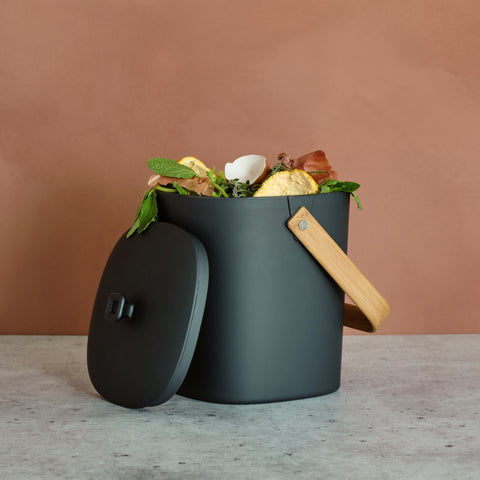
Indoor compost bins let you compost kitchen scraps inside your home. They reduce smells and pests.
- Use bins with lids to keep odors down
- Add vegetable and fruit scraps only
- Turn or stir compost regularly
- Keep compost moist but not wet

Credit: www.youtube.com
Using Finished Compost In Your Garden
Finished compost is a great way to improve your garden soil. It adds nutrients and helps plants grow strong.
You can use compost in many ways to keep your garden healthy. Here are some common methods.
Soil Enrichment
Adding finished compost to your soil increases its nutrient content. It improves soil structure and water retention. This helps plants take in nutrients easily.
- Mix compost into garden beds before planting.
- Use compost to top dress lawns and flower beds.
- Combine compost with potting soil for container plants.
Mulching And Plant Feeding
Compost works well as mulch to protect plants. It keeps soil moist and stops weeds. Compost also slowly feeds plants nutrients over time.
| Benefit | How Compost Helps |
| Moisture Retention | Compost holds water in soil longer. |
| Weed Control | Thick compost layer blocks weed growth. |
| Slow Nutrient Release | Compost breaks down and feeds plants steadily. |
| Soil Temperature | Mulch keeps soil warmer in cold weather. |
Compost Tea Preparation
Compost tea is a liquid made by steeping compost in water. It is rich in nutrients and microbes. You can spray it on plants or pour it on soil.
To make compost tea:
- Fill a bucket with water.
- Add a shovelful of finished compost.
- Stir well and let it sit for 24-48 hours.
- Strain the liquid to remove solids.
- Use the liquid to water plants or spray leaves.

Credit: www.amazon.in
Frequently Asked Questions
What Kitchen Scraps Are Best For Composting?
Vegetable peels, fruit scraps, coffee grounds, and eggshells are ideal. Avoid meat, dairy, and oily foods to prevent pests and odors. Composting these scraps enriches soil and reduces landfill waste effectively.
Can I Compost Citrus Fruit Peels?
Yes, small amounts of citrus peels can be composted. They add valuable nutrients but should be used sparingly. Large quantities may slow decomposition due to acidity.
Are Bread And Grains Good For Compost?
Bread and grains can be composted in moderation. They break down quickly but attract pests if added in excess. Ensure they are mixed well with green and brown materials.
Can I Compost Onion And Garlic Scraps?
Yes, onion and garlic scraps are compostable. They add nitrogen to the compost pile. Use in moderation as strong odors may attract pests.
Conclusion
Composting kitchen scraps is easy and beneficial. It reduces waste and enriches soil. Use vegetable peels, fruit scraps, and coffee grounds. Avoid meat, dairy, and oily foods. These items can attract pests. Composting saves money on fertilizers. It also helps the environment.
Your garden will thrive with rich compost. Start a compost pile today. You'll see results quickly. Happy composting!