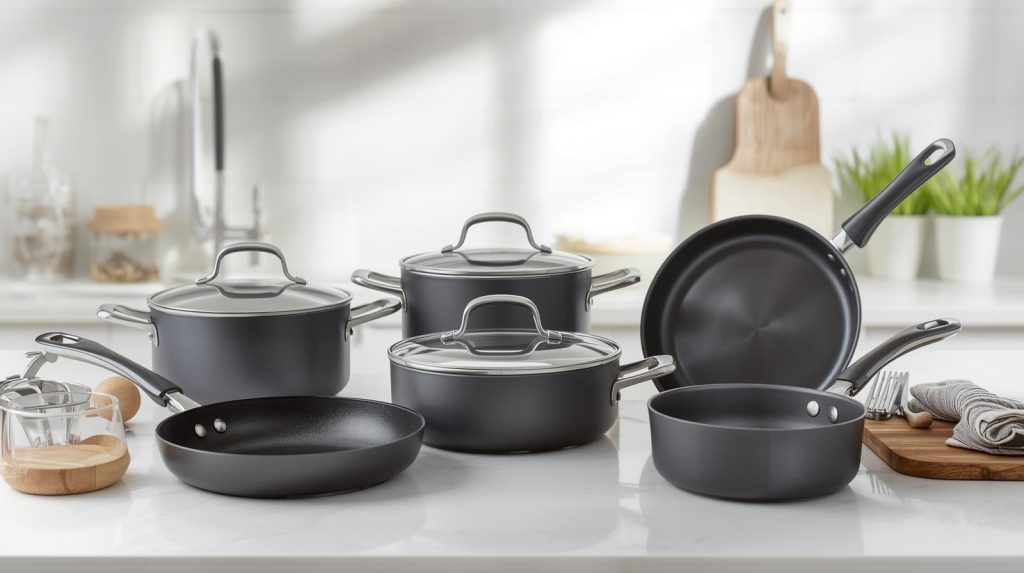
Imagine walking into your kitchen, ready to whip up a delicious meal. You reach for a pan, but is it the right one?
Choosing the best kitchen pans can make all the difference in your cooking experience. Whether you’re a seasoned chef or just starting out, the right pan can elevate your dishes from ordinary to extraordinary. In this guide, you’ll discover the top kitchen pans that not only enhance your cooking skills but also make your time in the kitchen more enjoyable.
Stay with us, and by the end, you’ll know exactly which pans belong in your kitchen arsenal. Your culinary adventure is about to get a whole lot better!

Credit: www.bbcgoodfood.com
Types Of Kitchen Pans
Choosing the right kitchen pan helps you cook better meals. Different pans work well for different foods and cooking styles.
Knowing the types of kitchen pans can make cooking easier and more fun. Each pan has its own strengths and uses.
Non-stick Pans
Non-stick pans have a coating that stops food from sticking. They need less oil and are easy to clean.
These pans are good for cooking eggs, pancakes, and fish. They heat quickly but can be damaged by metal tools.
- Use low or medium heat to protect the coating
- Use wooden or silicone utensils
- Avoid abrasive cleaning pads
Cast Iron Pans
Cast iron pans are heavy and very durable. They hold heat well and cook food evenly.
They need seasoning to keep their surface smooth and non-stick. These pans work great for frying and baking.
- Season regularly to prevent rust
- Can be used on stovetop and in the oven
- Clean with hot water and avoid soap
Stainless Steel Pans
Stainless steel pans are strong and do not react with food. They are good for browning and searing.
These pans heat up slower but keep heat steady. They are easy to clean and dishwasher safe.
- Use medium to high heat for best results
- Add oil before heating to reduce sticking
- Ideal for sautéing and frying
Copper Pans
Copper pans heat up very fast and cool quickly. They give you good control over cooking temperature.
These pans often have a lining inside to prevent copper from touching food. They need regular polishing to look shiny.
- Excellent for sauces and delicate cooking
- Requires gentle cleaning and polishing
- Usually lined with stainless steel or tin
Ceramic Pans
Ceramic pans have a smooth, non-stick surface made from natural materials. They are free from chemicals like PTFE.
These pans work well for low to medium heat cooking. They are easy to clean and safe for many types of food.
- Use low to medium heat to protect the coating
- Good for frying and sautéing
- Avoid sudden temperature changes
:max_bytes(150000):strip_icc()/faw-stainless-steel-cookware-sets-primary-badge-nsimpson-132_preview-b5e4c5199196447fbc512c817c1baa74.jpg)
Credit: www.foodandwine.com
Choosing The Right Pan Material
Picking the right pan material helps you cook better food. Different materials work best for different cooking styles.
Knowing the strengths and weaknesses of each material makes cooking easier and safer.
Heat Conductivity
Heat conductivity means how fast and evenly a pan heats up. Good conductivity helps food cook well.
Materials like copper and aluminum heat quickly. Stainless steel heats slower but holds heat well.
- Copper: excellent heat conductor, heats evenly
- Aluminum: fast heating, lightweight
- Stainless steel: slower heating, holds heat longer
- Cast iron: heats slowly, retains heat very well
Durability
Durability means how long a pan lasts without damage. Some materials resist scratches and dents better.
Cast iron and stainless steel are strong and last many years. Aluminum pans may dent or warp easily.
- Cast iron: very durable, can last decades
- Stainless steel: tough and resistant to damage
- Aluminum: softer, can dent or scratch
- Copper: can be soft and needs care
Maintenance Needs
Maintenance means how much care a pan needs to stay good. Some pans need special cleaning or seasoning.
Cast iron must be seasoned often. Stainless steel is easy to clean. Copper needs polishing to keep shine.
- Cast iron: requires seasoning and careful drying
- Stainless steel: dishwasher safe and low care
- Aluminum: hand wash to avoid damage
- Copper: needs regular polishing to avoid tarnish
Reactivity With Food
Reactivity means how pan materials react with food. Some materials can change the taste or color of food.
Aluminum and copper can react with acidic foods. Stainless steel and cast iron are safer choices for most foods.
- Aluminum: reacts with acidic foods, may affect taste
- Copper: reacts with acids, usually lined with stainless steel
- Stainless steel: non-reactive and safe for all foods
- Cast iron: reacts slightly, good for frying and searing
Sizes And Shapes For Different Cooking
Choosing the right kitchen pan helps you cook better meals. Different pans fit different cooking needs. Size and shape make a big difference in how food cooks.
Some pans work well for frying, while others are best for simmering or grilling. Knowing which pan to use can save time and improve results.
Skillets And Frying Pans
Skillets and frying pans usually have flat bottoms and low sides. They come in sizes from 8 to 12 inches. Smaller pans are good for cooking eggs or single servings. Larger pans fit more food for families.
- Use an 8-inch pan for quick meals and small portions.
- A 10-inch pan works well for most everyday cooking.
- 12-inch pans are best for frying large batches or multiple items.
Saucepans And Sauté Pans
Saucepans have tall, straight sides and a lid. They come in sizes from 1 to 4 quarts. Use them for boiling, simmering, or making sauces. Sauté pans have a wider base and lower sides. They are good for browning and frying with a lid.
| Pan Type | Common Sizes | Best Use |
| Saucepan | 1 to 4 quarts | Boiling, simmering, sauces |
| Sauté Pan | 3 to 5 quarts | Browning, frying, sautéing |
Grill Pans And Woks
Grill pans have ridges to create grill marks. They are usually square or rectangular and range from 10 to 12 inches. Woks have a round bottom and high sloping sides. They come in 12 to 16 inches sizes. Use grill pans for indoor grilling and woks for stir-frying or steaming.
Key features of grill pans and woks:
- Grill Pan: Ridges help fat drain and give grill marks.
- Wok: Large surface area and high sides for tossing food.
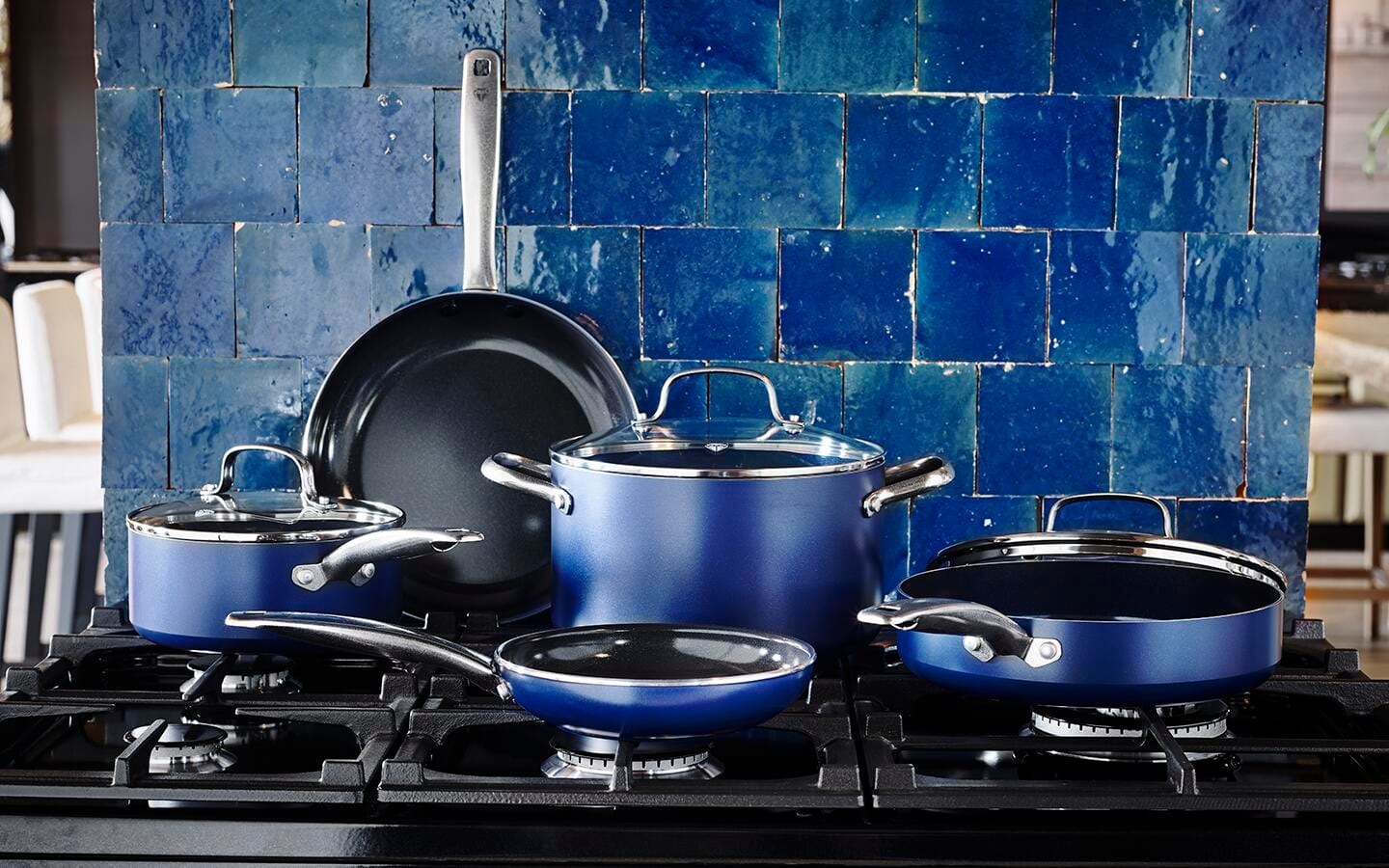
Credit: www.homedepot.com
Features To Consider
Choosing the best kitchen pans means looking at key features. These features help you cook better and stay safe.
This guide covers handle comfort, lid fit, oven use, and induction cooking. Each affects how well a pan works for you.
Handle Comfort And Safety
Handles should feel good in your hand. They must stay cool and offer a firm grip. This prevents accidents while cooking.
- Look for heat-resistant materials like silicone or stainless steel.
- Choose handles with ergonomic shapes for easy holding.
- Check if the handle is securely attached to the pan.
- Avoid handles that get slippery when wet.
Lid Compatibility
A lid that fits well keeps heat and moisture inside. This helps food cook evenly and fast.
| Lid Type | Benefits |
| Glass Lid | See food without lifting lid |
| Metal Lid | Better heat retention |
| Silicone Rim | Improves seal and fits tightly |
Oven-safe Options
Some pans work in ovens. Check the max oven temperature the pan can handle.
Pans with metal handles often last longer in ovens. Avoid pans with plastic parts if you want to bake.
Induction Compatibility
Induction cooktops need pans that can work with magnetic fields. Not all pans do.
To test if a pan is induction-compatible, try this:
- Hold a magnet to the pan’s bottom.
- If the magnet sticks well, the pan will work.
- If not, the pan won’t heat on induction cooktops.
Top Brands And Models
Choosing the right kitchen pans makes cooking easier and more fun. Different brands offer pans for many needs. Some focus on budget, others on quality or the environment.
This guide covers top kitchen pans in three categories. You will find options that fit your budget, professional use, or eco-friendly values.
Budget-friendly Choices
Good kitchen pans do not have to cost a lot. Many brands make durable pans at low prices. These pans work well for everyday cooking.
- T-fall E93808 Professional Nonstick Fry Pan
- Farberware Classic Stainless-Steel Skillet
- Amazon Basics Non-Stick Frying Pan
- Green Life Soft Grip Healthy Ceramic Nonstick
- Cuisinart Chef’s Classic Nonstick Skillet
Professional Grade Pans
Professional pans offer high performance and durability. They handle heavy use and heat well. Chefs trust these brands for their kitchens.
| Brand | Model | Material | Features |
| All-Clad | D3 Stainless Steel | Stainless Steel | Tri-ply construction, oven safe |
| Le Creuset | Cast Iron Skillet | Cast Iron | Enamel coating, excellent heat retention |
| Lodge | Pre-Seasoned Cast Iron | Cast Iron | Ready to use, durable |
| Mauviel | M’heritage Copper | Copper | Superior heat control, professional grade |
Eco-friendly Options
Eco-friendly pans use safe materials and reduce waste. Many are made from recycled metal or natural coatings.
Popular eco-friendly pans include:
- GreenPan Ceramic Nonstick
- Caraway Cookware (natural ceramic coating)
- HexClad Hybrid Stainless Steel
- Stasher Silicone Skillet Covers (reduce waste)
Care And Maintenance Tips
Good care can extend the life of your kitchen pans. Proper cleaning and maintenance keep them in top shape.
Follow simple tips to avoid damage and keep your pans working well for many years.
Cleaning Techniques
Clean pans after each use to prevent buildup. Use mild soap and warm water for most pans.
- Do not soak pans with wooden handles to avoid damage.
- Use a soft sponge to avoid scratching non-stick surfaces.
- For burnt food, soak briefly before scrubbing gently.
- Dry pans completely to prevent rust.
Seasoning Cast Iron
Seasoning protects cast iron and creates a natural non-stick surface. It also stops rust from forming.
| Step | Action |
| 1 | Wash with hot water and dry thoroughly. |
| 2 | Apply a thin layer of cooking oil all over the pan. |
| 3 | Bake upside down in an oven at 350°F (175°C) for 1 hour. |
| 4 | Let it cool in the oven before storing. |
Avoiding Common Mistakes
Avoid these errors to keep pans in good condition and safe to use.
- Do not use metal utensils on non-stick pans to prevent scratches.
- Avoid sudden temperature changes to stop warping.
- Never put pans with wooden handles in the dishwasher.
- Do not use harsh chemicals or abrasive cleaners on any pans.
Cooking Tips For Best Results
Good cooking starts with the right techniques. Using the best kitchen pans helps, but how you cook matters more.
Follow simple tips on heating, oils, and space in the pan. These will improve your food’s taste and texture.
Proper Pan Preheating
Always heat your pan before adding food. A hot pan cooks food evenly and prevents sticking.
- Place the pan on medium heat for a few minutes.
- Test the heat by sprinkling a few drops of water. They should sizzle and evaporate quickly.
- Add oil or butter after the pan is hot, not before.
Using The Right Oil
Choose oils based on their smoke points. This keeps food from burning and keeps flavors clean.
| Oil | Smoke Point (°F) | Best Use |
| Olive Oil | 375 | Low to medium heat |
| Canola Oil | 400 | Medium heat |
| Avocado Oil | 520 | High heat |
| Butter | 350 | Low heat |
Avoiding Overcrowding
Do not put too much food in the pan at once. Overcrowding lowers the pan’s temperature.
- Leave space between pieces of food.
- Cook in batches if needed.
- Use a larger pan for bigger meals.
Frequently Asked Questions
What Materials Make The Best Kitchen Pans?
The best kitchen pans are made from stainless steel, cast iron, and non-stick materials. Stainless steel offers durability and even heating. Cast iron retains heat well and is ideal for searing. Non-stick pans are perfect for easy cooking and cleaning.
How Do I Choose The Right Pan Size?
Choose pan size based on your cooking needs and stove size. A 10-inch pan suits most meals for 2-4 people. Larger families may need 12-inch or bigger pans. Consider the pan’s depth for recipes requiring more space.
Are Non-stick Pans Safe For Everyday Use?
Yes, non-stick pans are safe if used properly. Avoid high heat and metal utensils to protect the coating. Opt for PFOA-free pans to ensure safety. They are great for low-fat cooking and easy cleanup.
Can Cast Iron Pans Be Used On All Stovetops?
Yes, cast iron pans work on gas, electric, and induction stovetops. They distribute heat evenly and retain it well. Always season cast iron to maintain its non-stick surface and prevent rust.
Conclusion
Choosing the right kitchen pans makes cooking easier and more fun. Good pans help food cook evenly and taste better. Think about the material, size, and how you will use each pan. Cast iron, stainless steel, and non-stick all have their strengths.
Pick pans that fit your cooking style and budget. Remember, caring for your pans will make them last longer. A well-chosen set of pans can improve your kitchen experience every day. Cooking with the best pans feels simple and rewarding.