

Steam Cleaner for Kitchen And Bathrooms 2026 Best Review
Imagine walking into your kitchen or bathroom, where surfaces gleam and every corner feels fresh. Sounds inviting, right?
A Steam Cleaner for Kitchen And Bathrooms could be your secret weapon in achieving this spotless sanctuary. You might wonder how a steam cleaner can transform your cleaning routine into something almost effortless. Well, you're about to discover how it not only tackles grime but also creates a healthier environment for you and your family.
By the end of this article, you'll see why a steam cleaner is an essential tool for your home, making cleaning less of a chore and more of a rewarding experience. Curious to know more? Let's dive into the magic of steam cleaning for your kitchen and bathrooms.
Benefits Of Steam Cleaning
Steam cleaning uses hot steam to clean surfaces deeply. It works well in kitchens and bathrooms. This method helps remove dirt and germs without harsh chemicals.
Many people choose steam cleaning because it is safe and effective. It can clean many types of surfaces quickly and easily.
Kills Germs And Bacteria
Steam kills most germs and bacteria on contact. The high temperature destroys harmful microbes without using chemicals. This makes kitchens and bathrooms safer places to be.
Removes Stubborn Stains
Steam loosens tough stains like grease, soap scum, and mildew. It cleans grout lines and hard-to-reach corners well. This helps keep surfaces shiny and fresh.
- Grease on stove tops
- Soap scum in showers
- Hard water spots on sinks
- Grime on tile grout
Eco-friendly Cleaning
Steam cleaning uses only water and heat. This means no harsh chemicals enter the home or environment. It is a green choice that reduces waste and pollution.
| Cleaning Method | Chemical Use | Environmental Impact |
|---|---|---|
| Steam Cleaning | None | Low |
| Traditional Cleaners | High | Higher |
Saves Time And Effort
Steam cleans quickly and needs little scrubbing. The hot steam softens dirt, making it easy to wipe away. This saves energy and effort in daily cleaning tasks.
Types Of Steam Cleaners
Steam cleaners use hot steam to clean and sanitize surfaces. They remove dirt and kill germs without chemicals. Many types suit kitchens and bathrooms.
Each type works best in different spaces and jobs. Knowing the differences helps you pick the right one for your needs.
Handheld Steam Cleaners
Handheld steam cleaners are small and easy to carry. They work well for tight spots like faucets and grout lines. These cleaners heat quickly and are good for light cleaning tasks.
Cylinder Steam Cleaners
Cylinder steam cleaners have a tank on wheels and a hose with attachments. They offer strong steam pressure for deep cleaning. These are good for floors, tiles, and large bathroom areas.
- Large water tank for longer use
- Multiple nozzles and brushes
- Good for big kitchens and bathrooms
- Requires storage space
Steam Mops
Steam mops look like regular mops but use steam instead of water. They clean hard floors quickly and dry fast. Steam mops are best for sealed wood, tile, and vinyl floors.
| Feature | Benefit |
| Flat mop head | Reaches under furniture |
| Lightweight design | Easy to move around |
| Quick heat-up | Start cleaning fast |
| Replaceable pads | Keep floors clean and fresh |
Commercial Steam Cleaners
Commercial steam cleaners are heavy-duty machines for large spaces. They have strong steam output and large water tanks. These cleaners work well in hotels, restaurants, and public bathrooms.
- Deep cleaning floors and walls
- Sanitizing kitchen appliances
- Removing tough stains
- Cleaning large bathroom fixtures
Choosing The Right Steam Cleaner
Steam cleaners are useful tools for cleaning kitchens and bathrooms. They help remove dirt and kill germs without chemicals.
Choosing the right steam cleaner depends on your cleaning needs and the areas you want to clean.
Power And Pressure
Power affects how fast the steam heats up and cleans surfaces. Pressure helps remove tough stains and grime.
Look for steam cleaners with enough power and pressure to clean kitchen counters and bathroom tiles well.
- Higher wattage means faster heating
- More pressure cleans stubborn dirt
- Adjustable pressure is good for delicate surfaces
Water Tank Capacity
The water tank size affects how long you can clean without refilling. Bigger tanks are better for large areas.
Choose a tank size that fits your cleaning sessions. Small tanks are light but need frequent refills.
- Small tanks hold about 150-300 ml
- Medium tanks hold 300-500 ml
- Large tanks hold more than 500 ml
Attachments And Accessories
Attachments help clean different surfaces and corners. They make your steam cleaner more useful.
Common accessories include brushes, nozzles, and extension hoses for hard-to-reach spots.
- Brushes for scrubbing tiles and grout
- Nozzles for focused steam streams
- Extension hoses for tight spaces
Portability And Weight
Portability matters if you move the cleaner between rooms. A lightweight model is easy to carry and store.
Check the size and weight to avoid strain during cleaning. Compact designs fit small storage spaces.
- Light models weigh under 5 pounds
- Compact size fits kitchen cabinets
- Long cords or cordless options add convenience

Credit: www.amazon.ca
Preparing Kitchen And Bathroom Surfaces
Cleaning kitchen and bathroom surfaces with a steam cleaner needs good preparation. Proper surface preparation helps the steam cleaner work better. It also protects your surfaces from damage.
This guide covers how to clear surfaces, treat tough spots, and follow safety rules. Follow these steps before you use a steam cleaner.
Decluttering And Removing Debris
Clear off all items from counters, sinks, and floors. Remove loose dirt, crumbs, and hair. This makes steam cleaning easier and more effective.
- Put away dishes, soap, and cleaning tools
- Pick up trash and dispose of it
- Sweep or vacuum loose debris
- Wipe surfaces to remove sticky spots
Pre-treating Tough Spots
Some stains and grime need extra care before steam cleaning. Use mild cleaners to loosen dirt. Let the cleaner sit for a few minutes for better results.
| Type of Spot | Pre-Treatment Method |
|---|---|
| Grease Stains | Apply dish soap and scrub gently |
| Mold and Mildew | Use a vinegar solution and let sit 5 minutes |
| Hard Water Rings | Apply baking soda paste and wipe after 10 minutes |
| Soap Scum | Use a mild bathroom cleaner and rinse |
Safety Precautions
Steam cleaners get very hot. Use care to avoid burns and damage. Follow safety tips for best use.
- Wear heat-resistant gloves
- Keep children and pets away
- Test steam on a small surface first
- Do not use steam on unsealed wood or delicate materials
- Unplug the cleaner when refilling water
Deep Cleaning Kitchen With Steam
Steam cleaners use hot steam to clean kitchen surfaces deeply. They kill germs and remove dirt without chemicals.
Using steam helps keep your kitchen fresh and hygienic. It works well on many surfaces and hard-to-reach spots.
Cleaning Countertops And Cabinets
Steam loosens grime and food stains on countertops quickly. It cleans without scratching or damaging surfaces.
Use steam on cabinet doors to remove grease and fingerprints. Steam also freshens the wood or laminate finish.
- Move the steam cleaner slowly over surfaces
- Focus on corners and edges where dirt hides
- Wipe with a clean cloth after steaming
Sanitizing Sink And Faucet
Steam kills bacteria in the sink and around the faucet easily. It cleans buildup without harsh scrubbing.
Use the steam cleaner nozzle to reach tight spots. The heat sanitizes and removes water stains well.
- Steam the faucet handles and spout carefully
- Clean sink edges and drain area with steam
- Dry surfaces after steaming to avoid water marks
Degreasing Stove And Oven
Steam softens grease and burnt food on stove tops. It makes cleaning stoves and ovens less tough and faster.
Steam the oven interior to loosen baked-on mess. After steaming, wipe away residue with a cloth.
- Target burners and knobs with steam
- Hold steam longer on greasy spots
- Use a scraper gently after steaming if needed
Refreshing Refrigerator And Appliances
Steam removes odors and light stains inside refrigerators. It cleans appliance surfaces without chemicals.
Use steam on handles, seals, and vents of kitchen appliances. It helps keep them clean and fresh.
- Steam refrigerator shelves and drawers
- Clean microwave and dishwasher exteriors with steam
- Wipe surfaces dry after steaming

Credit: www.amazon.com
Deep Cleaning Bathroom With Steam
Steam cleaners use hot steam to clean and sanitize surfaces. They remove dirt and kill germs without chemicals.
This makes steam cleaning a good choice for kitchens and bathrooms. It helps keep these areas fresh and healthy.
Scrubbing Tiles And Grout
Steam loosens dirt and grime stuck on tiles and grout lines. It softens tough stains for easy removal.
Use a steam cleaner with a brush attachment to scrub tiles gently. This cleans deep into grout without harsh scrubbing.
- Steam penetrates grout to lift dirt
- Brush attachment scrubs without damage
- Reduces need for chemical cleaners
While steam is excellent for tile and grout, high, direct heat can damage the sealant materials around tubs, showers, and sinks. "When steaming near caulk or silicone seals, maintain a distance of at least 2 inches (5 cm) or use the lowest steam setting, applying steam for no more than 1–2 seconds at a time. Excessive heat can cause the sealant to soften, peel, or warp, compromising your bathroom’s waterproofing and leading to costly repairs."
Disinfecting Toilet And Basin
Steam kills germs and bacteria on toilet seats and basins. It sanitizes surfaces quickly and safely.
Hold the steam nozzle close to the surfaces. The high temperature cleans hard-to-reach areas well.
- Eliminates bacteria without chemicals
- Reaches under toilet rims and basin edges
- Dries fast to prevent moisture buildup
Cleaning Shower And Bathtub
Steam softens soap scum and dirt on shower walls and bathtubs. It helps lift grime for easy wiping.
Use steam to clean glass doors and metal fixtures. It leaves them shiny and free from residue.
- Breaks down soap scum and hard water stains
- Sanitizes surfaces without harsh chemicals
- Improves shine on glass and metal parts
Removing Mold And Mildew
Steam kills mold spores and mildew on bathroom surfaces. It cleans areas prone to dampness and poor ventilation.
Apply steam directly to mold spots. This helps stop mold from spreading and keeps the bathroom healthier.
- Destroys mold spores with heat
- Reaches cracks and corners easily
- Reduces moisture that feeds mold growth
Maintaining Your Steam Cleaner
Keeping your steam cleaner in good condition helps it last longer. Proper care ensures it works well for kitchen and bathroom cleaning.
Regular maintenance prevents damage and keeps the steam cleaner safe to use on all surfaces.
Regular Descaling
Descaling removes minerals that build up inside your steam cleaner. This buildup can block the steam flow and damage the machine.
Use a descaling solution or white vinegar mixed with water. Run it through the cleaner according to the manual instructions.
- Empty the water tank before descaling
- Fill with descaling solution or vinegar mix
- Run the steam cleaner until half the solution is used
- Let it sit for 15–30 minutes
- Rinse by running clean water through the machine
Cleaning Nozzles And Attachments
Nozzles and attachments can get clogged with dirt or mineral deposits. Clean them regularly to keep steam flowing well.
Remove each attachment and soak it in warm soapy water. Use a soft brush to clear any blockages gently.
- Detach nozzles and brushes after each use
- Soak in warm water with mild soap
- Use a soft brush or toothpick to clean holes
- Rinse and dry completely before storing
Proper Storage Tips
Store your steam cleaner in a dry, cool place. Proper storage stops damage and keeps the machine ready for use.
Make sure the cleaner and attachments are dry before putting them away. Coil the power cord loosely to avoid damage.
- Empty water tank after each use
- Dry all parts thoroughly
- Store in a cool, dry area
- Keep power cord loosely coiled
- Protect from dust and dirt
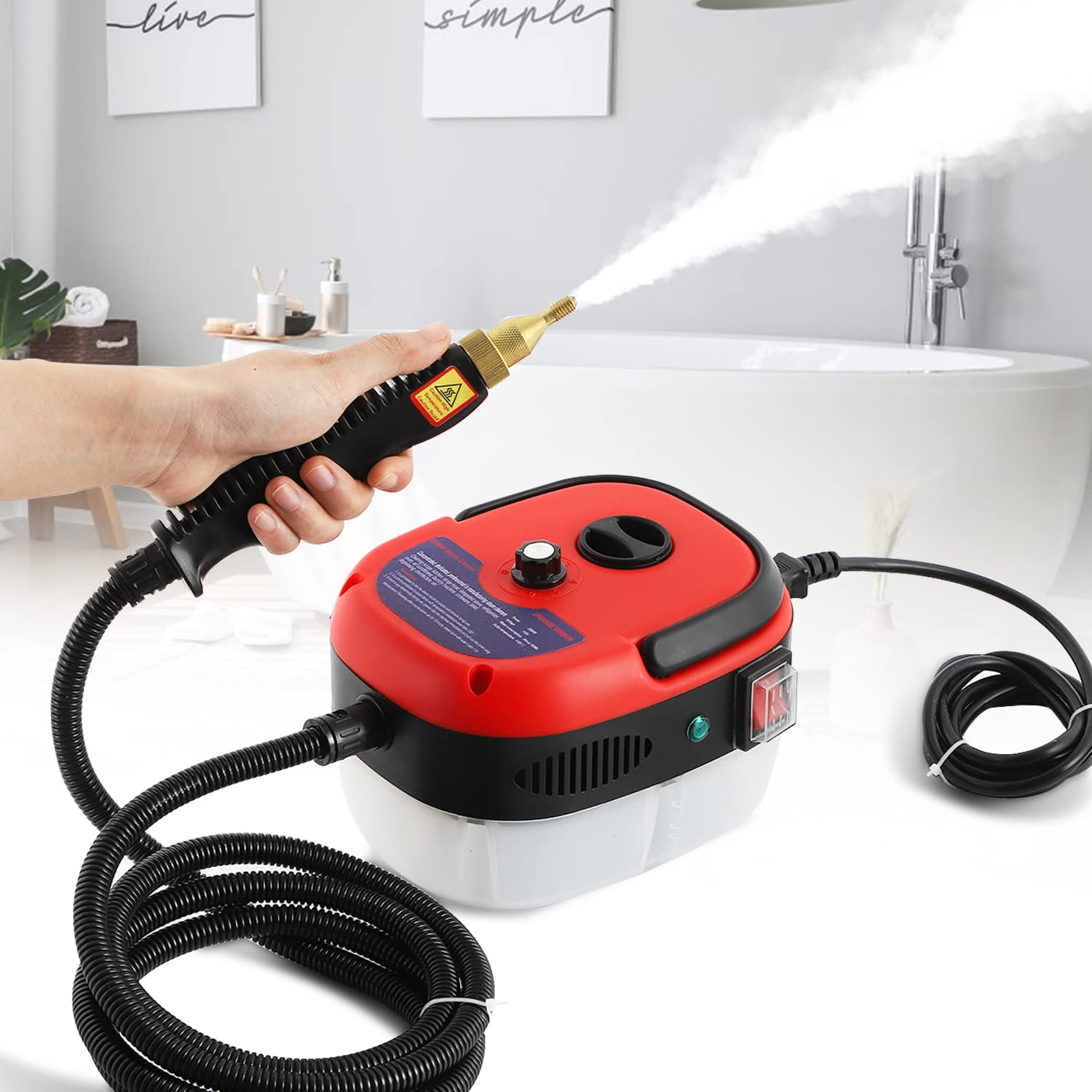
Credit: www.walmart.ca
Common Mistakes To Avoid
Steam cleaners work well in kitchens and bathrooms. They kill germs and clean hard surfaces. But using them wrong can cause damage.
Learn which mistakes to avoid. This helps you keep your home safe and your steam cleaner working well.
Overusing Steam On Delicate Surfaces
Delicate surfaces like wood, painted walls, or wallpaper can get damaged by too much steam. The heat and moisture may cause peeling or warping.
- Limit steam use on soft wood and painted surfaces.
- Test a small hidden area before full cleaning.
- Use lower steam settings if possible.
- Wipe surfaces dry after steaming.
Ignoring Manufacturer Instructions
Every steam cleaner comes with instructions. Ignoring them can cause damage or reduce cleaning power. Always follow these rules:
| Instruction | Reason to Follow |
| Use recommended water type | Prevents buildup inside the machine |
| Do not exceed usage time | Avoids overheating and damage |
| Clean filters regularly | Maintains steam pressure and flow |
| Allow machine to cool before storage | Extends device life |
Using Tap Water Without Filtering
Tap water often contains minerals that can clog your steam cleaner. Using unfiltered water leads to hard water deposits inside the machine.
To protect your steam cleaner:
- Use distilled or filtered water only.
- Empty the water tank after each use.
- Descale your machine regularly as per instructions.
Enhancing Steam Cleaning Results
Steam cleaners are great tools for kitchens and bathrooms. They remove dirt and kill germs using hot steam. To get the best results, it helps to use certain methods.
This guide covers how natural solutions, scrubbing, and regular cleaning can improve your steam cleaning.
Using Natural Cleaning Solutions
Natural cleaners boost the power of steam without harsh chemicals. They are safe and easy to make at home.
- Mix vinegar and water for a good degreaser.
- Lemon juice can help remove stains and smells.
- Baking soda works well to scrub tough grime.
- Essential oils add a fresh scent and extra cleaning power.
Combining With Manual Scrubbing
Steam loosens dirt but scrubbing removes it fully. Use a brush or sponge after steaming.
| Surface | Best Scrubbing Tool |
| Tile grout | Small stiff brush |
| Sink basin | Soft sponge |
| Glass shower doors | Microfiber cloth |
| Countertops | Non-abrasive pad |
Scheduling Regular Cleanings
Cleaning often keeps kitchens and bathrooms fresh. Set a routine to keep dirt from building up.
- Clean high-use areas twice a week.
- Do deep cleaning with steam once a month.
- Check and clean vents and drains regularly.
- Replace water in the steam cleaner after each use.
Frequently Asked Questions
What Are The Benefits Of Using A Steam Cleaner In Kitchens?
Steam cleaners kill bacteria and germs without chemicals. They effectively remove grease, grime, and food stains. They also sanitize surfaces quickly and safely, making kitchen cleaning easier and healthier.
Can Steam Cleaners Remove Mold In Bathrooms Effectively?
Yes, steam cleaners kill mold and mildew on bathroom tiles and grout. The high temperature steam penetrates surfaces, eliminating mold spores without harsh chemicals. This ensures a cleaner and safer bathroom environment.
Are Steam Cleaners Safe For All Kitchen And Bathroom Surfaces?
Steam cleaners are safe on sealed surfaces like tiles, glass, and stainless steel. Avoid using steam on unsealed wood or delicate materials to prevent damage. Always check manufacturer guidelines before use.
How Often Should I Use A Steam Cleaner In Kitchens And Bathrooms?
Using a steam cleaner once a week keeps kitchens and bathrooms hygienic. Regular cleaning prevents buildup of dirt, grease, and germs. Frequency depends on household use and specific cleaning needs.
Conclusion
A steam cleaner makes kitchen and bathroom cleaning easier. It kills germs without harsh chemicals. Steam reaches small cracks and removes dirt fast. Using steam saves time and effort daily. It helps keep your home fresh and healthy. Choose a model that fits your needs well.
Regular cleaning with steam keeps surfaces bright. Try steam cleaning for a cleaner, safer home. Simple, effective, and good for your family’s health.
This video perfectly illustrates the power of steam, reinforcing the benefits discussed in your guide for achieving a spotless, pristine home.


