Have you ever wondered what happens to your kitchen waste after it leaves your home? If you’re like most people, you’re probably looking for ways to reduce your environmental footprint.
One simple change could be right in your kitchen drawer. Kitchen towels are a staple in every household, but have you ever considered whether they’re compostable? Knowing the answer could open the door to a greener lifestyle, benefiting both you and the planet.
You might be surprised to learn that the small changes you make in your kitchen can have a huge impact on sustainability. Keep reading to discover if your kitchen towels are compostable and how this choice can make a difference in your eco-friendly journey.

Credit: www.amazon.com
Types Of Kitchen Towels
Kitchen towels come in different types for various uses. Choosing the right one helps in cleaning and drying tasks.
Understanding the types of kitchen towels helps to know if they are compostable or not.
Paper Vs Cloth Towels
Paper towels are disposable and made for one-time use. Cloth towels are reusable and last longer.
Paper towels often break down faster but may have chemicals. Cloth towels can be composted if made from natural fibers.
- Paper towels: single-use, often compostable if free of chemicals
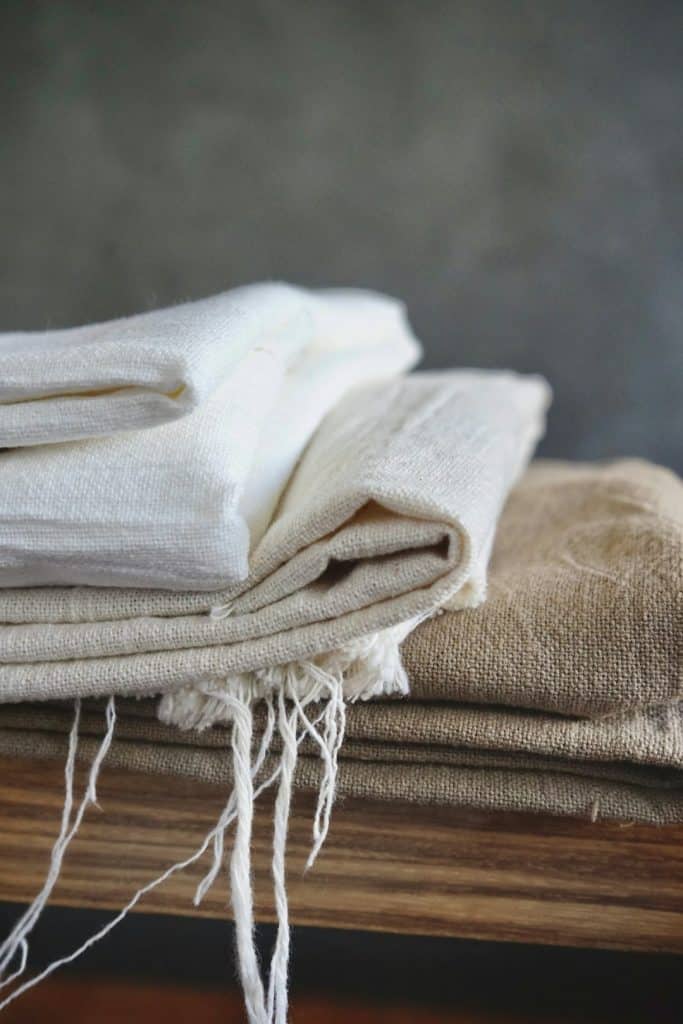
- Cloth towels: reusable, compostable when made from natural fibers like cotton or linen
- Paper towels may have additives that stop composting
- Cloth towels can be washed and reused many times
Materials Used
Materials affect if a kitchen towel is compostable. Natural materials break down easier in compost.
Synthetic materials do not compost well and stay in landfills longer.
| Material | Compostable | Notes |
| Cotton | Yes | Natural fiber, breaks down in compost |
| Linen | Yes | Made from flax, compostable |
| Paper (unbleached) | Yes | Good for compost if no chemicals |
| Paper (bleached or printed) | No | Chemicals may prevent composting |
| Microfiber | No | Synthetic, not compostable |
| Polyester | No | Synthetic, not biodegradable |

Credit: blog.whogivesacrap.org
Compostability Factors
Kitchen towels are used every day and then thrown away. Knowing if they break down naturally helps reduce waste.
Several factors decide if a kitchen towel is compostable. These include what it is made of and how fast it decomposes.
Material Composition
Kitchen towels can be made from many materials. Natural fibers like cotton or bamboo break down well in compost.
Synthetic fibers such as polyester do not break down easily. Towels with mixed materials may not compost fully.
- 100% cotton towels are usually compostable
- Bamboo towels are natural and decompose fast
- Polyester or plastic fibers resist composting
- Blended materials may slow down decomposition
Additives And Chemicals
Many kitchen towels have chemicals or dyes. These can affect how safe the towel is for composting.
Chemicals can stop or slow natural breakdown. Towels without additives are better for compost piles.
- Bleach and dyes may harm compost quality
- Softening agents might not degrade fully
- Natural or untreated towels are safer to compost
- Check product labels for chemical use
Biodegradability Timeframe
How long a towel takes to compost depends on its material and environment. Natural towels break down faster.
Synthetic towels may take years or never fully decompose. Moisture, temperature, and microbes also affect speed.
- Cotton towels can compost in 2 to 6 months
- Bamboo towels may break down within 3 to 6 months
- Synthetic fibers can take years or never compost
- Warm, moist compost speeds up decomposition
How To Compost Kitchen Towels
Composting kitchen towels is a smart way to reduce waste. Many kitchen towels are made from natural fibers that break down easily.
Learning how to compost them properly helps you get the best results. It also keeps your compost healthy and balanced.
Preparation For Composting
Before adding kitchen towels to your compost, check their material. Natural fibers like cotton and linen compost well.
Remove any synthetic parts, such as plastic or polyester, because they do not break down. Also, avoid towels with heavy stains.
- Cut towels into small pieces to speed up composting
- Ensure towels are free from chemicals or bleach
- Shake off loose food scraps before composting
Suitable Composting Methods
Kitchen towels compost best in hot compost piles where heat breaks down materials fast. You can also use a compost bin or tumbler.
Adding towels to worm compost bins works if they are cut very small. Keep the compost moist and turn it often for better results.
- Hot compost piles reach temperatures above 130°F
- Compost bins and tumblers keep materials contained
- Worm bins need small towel pieces for easy digestion
- Mix towels with green materials like vegetable scraps
Common Mistakes To Avoid
Do not compost towels with synthetic fibers. They will not decompose and can harm your compost.
Avoid adding towels with heavy grease or chemical stains. These can slow down composting and attract pests.
- Do not add plastic or polyester towels
- Avoid towels soaked with harsh chemicals or bleach
- Don’t compost towels with large food scraps attached
- Do not let compost get too dry or too wet
Eco-friendly Alternatives
Kitchen towels are used every day and create a lot of waste. Choosing eco-friendly options helps the planet.
Many kitchen towels are not fully compostable. This means they can harm the environment if thrown away.
Reusable Cloth Options
Reusable cloth towels reduce waste and save money. They can be washed and used many times.
Look for soft cotton or linen towels. These materials are gentle on dishes and strong for cleaning.
- Wash towels regularly to keep them fresh
- Choose colors that hide stains
- Keep a set just for kitchen use
Bamboo And Hemp Towels
Bamboo and hemp towels are natural and grow fast. They need less water and chemicals than cotton.
These towels are strong and absorbent. They break down better in compost than synthetic materials.
- Bamboo towels dry quickly
- Hemp towels resist bacteria
- Both are good for sensitive skin
Diy Kitchen Towels
Making your own kitchen towels saves money and reduces waste. Old shirts or fabric scraps work well.
Cut fabric into squares and hem the edges. You can customize size and color to your needs.
- Use cotton or linen fabrics
- Wash before first use
- Keep extra towels handy
Tips For Reducing Kitchen Waste
Reducing kitchen waste helps the environment and saves money. Small changes in towel use can make a big difference.
Learning how to use, wash, and reuse kitchen towels lowers waste and keeps your kitchen clean.
Proper Towel Usage
Use kitchen towels carefully to extend their life. Avoid using them for very dirty or greasy tasks that ruin fibers quickly.
- Use towels only for drying hands or dishes.
- Keep separate towels for cleaning spills and drying food.
- Air dry towels after use to prevent bad smells.
- Use cloth napkins to reduce paper towel use.
Washing And Maintenance
Wash kitchen towels properly to keep them clean and last longer. Avoid harsh chemicals that damage fabric.
| Washing Tips | Details |
| Temperature | Use warm water for most towels |
| Detergent | Choose mild, eco-friendly detergent |
| Drying | Air dry or tumble dry on low heat |
| Frequency | Wash towels every 2-3 uses |
Repurposing Old Towels
Old towels still have value. Use them in different ways to reduce waste before discarding.
Here are ideas to reuse old kitchen towels:
- Cut into rags for cleaning floors or windows
- Use as padding for fragile items during moves
- Make reusable dust cloths
- Use as liners for pet beds or cages

Credit: pricklypearessentials.com
Frequently Asked Questions
Are Kitchen Towels Biodegradable And Compostable?
Most kitchen towels made from natural fibers like cotton or bamboo are biodegradable and compostable. Avoid towels with synthetic materials to ensure compostability. Check product labels for compost-friendly claims before disposal.
How To Compost Kitchen Towels Properly?
Remove any non-compostable parts like labels or plastics. Tear or cut towels into small pieces to speed decomposition. Add them to your compost bin with other green and brown materials for balanced composting.
Can Used Kitchen Towels Go In Home Compost?
Yes, if made from natural fibers and free from harsh chemicals, used kitchen towels can be composted at home. Avoid towels with synthetic blends or heavy stains from oils or chemicals to prevent contamination.
Do Kitchen Towel Brands Offer Compostable Options?
Yes, many brands now offer compostable kitchen towels made from 100% natural fibers. Look for eco-friendly certifications and compostability labels when purchasing sustainable kitchen towels.
Conclusion
Kitchen towels made from natural fibers often break down well. They add nutrients to compost and help soil stay healthy. Avoid towels with synthetic materials, as they do not compost easily. Always check the label before tossing towels into your compost bin.
Using compostable towels supports a greener and cleaner environment. Small actions like these make a big difference over time. Choose compostable kitchen towels to reduce waste and help the planet. Simple changes in daily habits matter more than you think.