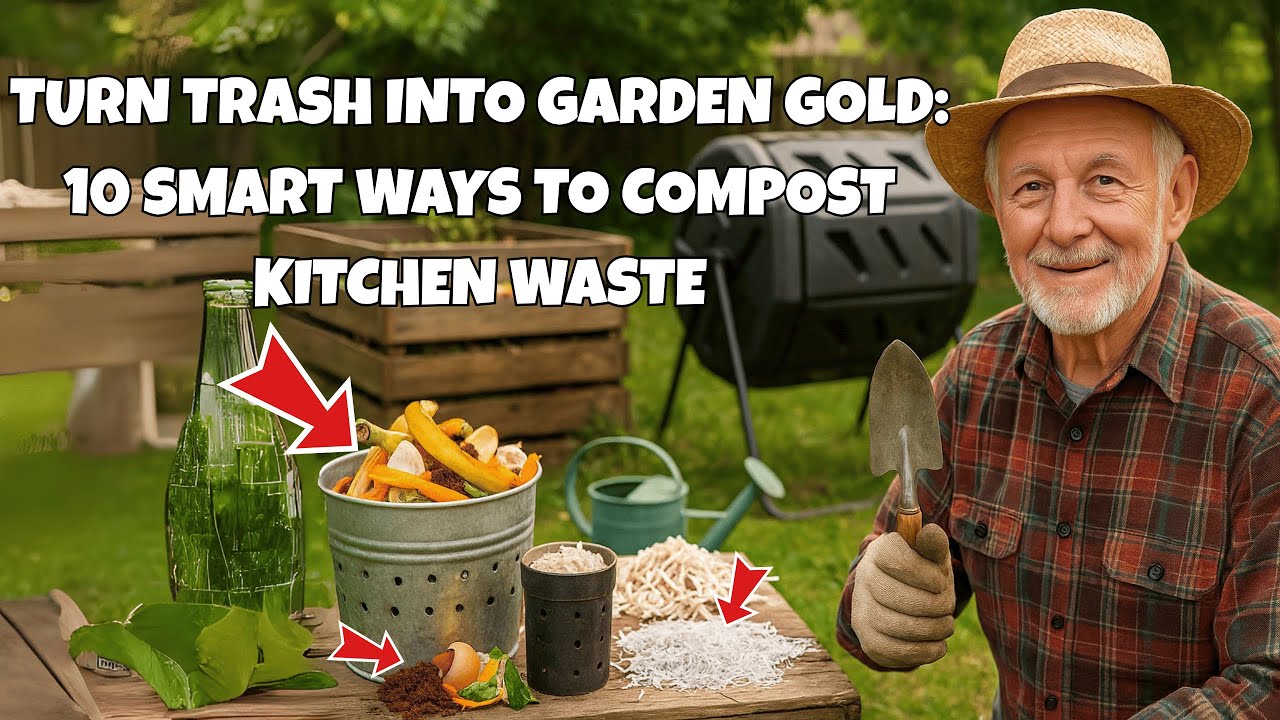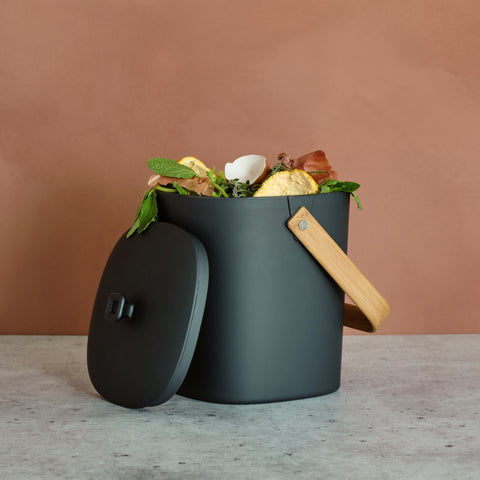
Have you ever found yourself staring at a used piece of kitchen paper, wondering if it belongs in the trash or the compost bin? You're not alone.
With increasing awareness about sustainability and waste reduction, many people are looking for ways to make more eco-friendly choices at home. But is kitchen paper compostable, or are you unknowingly sabotaging your compost pile? We're diving deep into the world of kitchen paper, uncovering its compostability, and revealing how you can make smarter, greener decisions.
Stick around, because the answers might just surprise you and lead you to a more sustainable lifestyle.
Kitchen Paper Types
Kitchen paper comes in different types. Each type has its own materials and qualities. Knowing these helps decide if it can go in the compost.
This guide explains the materials, bleaching process, and additives in kitchen paper.
Materials Used
Most kitchen paper is made from wood pulp. Some types use recycled fibers. Bamboo is also a common material. These natural fibers break down well in compost.
- Virgin wood pulp
- Recycled paper fibers
- Bamboo fibers
- Hemp fibers
Bleached Vs Unbleached
Bleached kitchen paper looks white and clean. Unbleached paper is brown and natural. The bleaching process uses chemicals to whiten paper. Unbleached paper is usually better for compost.
| Type | Color | Compost Friendly |
| Bleached | White | Sometimes |
| Unbleached | Brown | Yes |
Additives And Chemicals
Some kitchen papers contain additives. These include lotions, scents, or dyes. Additives can slow composting or harm soil. Always check labels for chemical content.
Common additives in kitchen paper:
- Fragrances
- Softening agents
- Color dyes
- Wet strength chemicals

Credit: buildingafoodforestscotland.com
Composting Basics
Composting turns food scraps and yard waste into rich soil. It helps reduce trash and supports plant growth.
Many people wonder if kitchen paper is safe to compost. Understanding composting helps answer this question.
How Composting Works
Composting breaks down organic materials using tiny living things. These include bacteria, fungi, and worms.
The microbes eat the waste, turning it into a dark, crumbly material called compost. This compost adds nutrients to the soil.
Ideal Conditions For Composting
Compost needs the right mix of air, moisture, and materials to work well. Too much or too little slows the process.
Good compost has green materials, like food scraps, and brown materials, like dry leaves or paper.
- Keep compost moist but not wet
- Turn it often for fresh air
- Balance greens and browns
- Avoid materials with chemicals or plastics
Compostable Vs Non-compostable
Compostable items break down naturally and safely in compost. Non-compostable items do not decompose or can harm the compost.
Kitchen paper is usually compostable if it has no plastic or heavy chemicals. It breaks down quickly and adds carbon.
- Compostable:Plain kitchen paper, food scraps, leaves, paper towels without chemicals
- Non-Compostable:Plastic-coated paper, glossy paper, tissues with lotions, synthetic materials
Compostability Of Kitchen Paper
Kitchen paper is often used for cleaning and food preparation. Many wonder if it can break down naturally in compost.
Understanding compostability helps reduce waste and improve compost quality.
Factors Affecting Breakdown
The speed at which kitchen paper breaks down depends on several factors. Moisture, temperature, and the type of paper all play roles.
- Wet conditions help speed up decomposition
- Higher temperatures boost microbial activity
- Thinner paper breaks down faster than thicker sheets
- Presence of food residues can affect the process
Impact Of Additives
Additives in kitchen paper can change how it composts. Some papers contain chemicals or dyes that slow decay.
| Additive | Effect on Composting |
| Bleach | May delay breakdown and harm microbes |
| Fragrances | Can affect compost smell and quality |
| Color dyes | May leave residues in compost |
| Natural fibers | Break down easily and safely |
Biodegradable Certifications
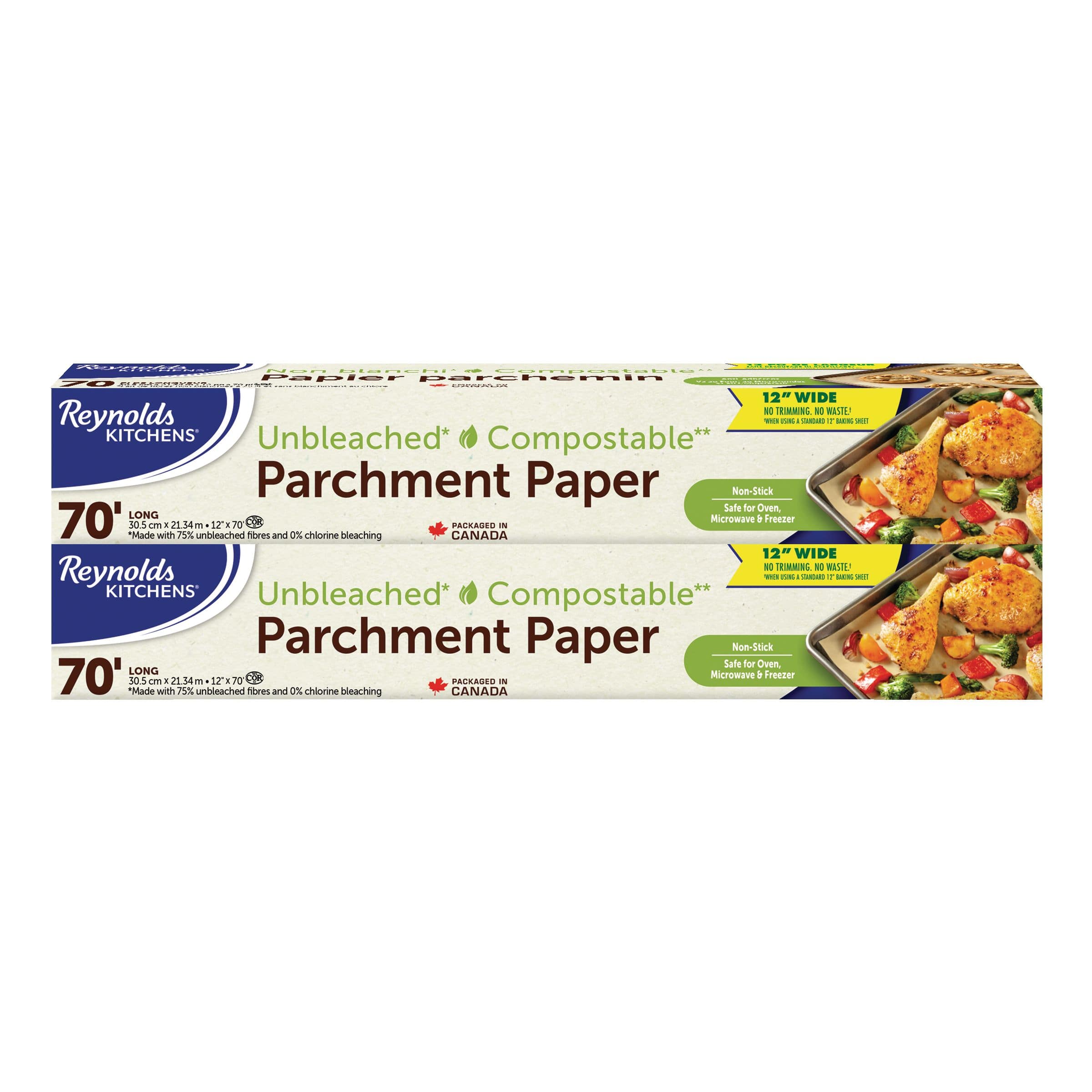
Certifications help identify kitchen paper safe for composting. These labels prove the paper meets certain breakdown standards.
Common certifications include:
- OK Compost
- Compostable according to ASTM D6400
- EN 13432 Certified
Look for these marks to ensure your kitchen paper will decompose properly.
Credit: www.canadiantire.ca
Environmental Benefits
Compostable kitchen paper is a sustainable alternative to traditional paper products. By choosing compostable options, we can significantly reduce our environmental impact and promote a healthier planet.
Reducing Landfill Waste
Traditional kitchen paper often ends up in landfills, where it takes hundreds of years to decompose. Compostable kitchen paper, on the other hand, can be easily composted and turned into nutrient-rich soil.
- Compostable kitchen paper reduces the amount of waste sent to landfills
- It decreases the production of methane, a potent greenhouse gas
- Composting kitchen paper helps to conserve natural resources
Supporting Soil Health
Composting kitchen paper helps to create a nutrient-rich soil that is essential for plant growth. This, in turn, supports biodiversity and promotes a healthy ecosystem.
| Benefits of Composting Kitchen Paper | Why it Matters |
| Improves soil structure | Supports plant growth and biodiversity |
| Increases soil fertility | Reduces the need for synthetic fertilizers |
Lowering Carbon Footprint
Composting kitchen paper reduces the amount of energy required to produce and transport traditional paper products. This, in turn, helps to lower our carbon footprint and mitigate climate change.
How To Compost Kitchen Paper
Kitchen paper can be a good addition to your compost pile. It breaks down easily and adds carbon. Knowing how to prepare it helps composting work well.
Follow simple steps to avoid problems and speed up the process. Learn about preparation, avoiding contamination, and composting methods below.
Preparing Paper For Composting
Before adding kitchen paper to compost, prepare it properly. Tear it into small pieces to help microbes break it down faster. Avoid thick or glossy papers.
- Remove any plastic or stickers on the paper.
- Rip paper into small strips or pieces.
- Use plain, uncoated kitchen paper only.
- Soak very dry paper in water for better decomposition.
Avoiding Contamination
Not all kitchen papers are safe for compost. Papers with chemicals or food grease can harm your compost. Keep harmful items out.
| Contaminated Paper Type | Reason to Avoid |
| Paper with plastic coating | Does not break down |
| Greasy or oily paper towels | Attract pests and slow compost |
| Colored or printed paper | May have harmful inks |
| Paper with food scraps | Can cause bad odors |
Composting Methods
There are several ways to compost kitchen paper. Choose a method that fits your space and needs. Keep the compost balanced for best results.
- Mix paper with green waste like food scraps or grass clippings.
- Turn the compost pile regularly to add air.
- Keep the pile moist but not wet.
- Use a compost bin or pile in your backyard.
- Check that the compost heats up to speed decomposition.
Alternatives To Kitchen Paper
Kitchen paper is handy but not always eco-friendly. Many people want to reduce waste in their homes. Using alternatives helps protect the environment.
Here are some good options to replace kitchen paper in your daily cleaning and cooking routines.
Reusable Cloths
Reusable cloths are a great way to cut down on disposable paper. They can be washed and used many times. Cloths made from cotton or microfiber work well for wiping and cleaning.
- Use old t-shirts or towels cut into smaller pieces.
- Keep cloths handy in the kitchen for spills and messes.
- Wash cloths regularly to keep them fresh and hygienic.
- Reusable cloths reduce plastic waste and save money.
Bamboo Towels
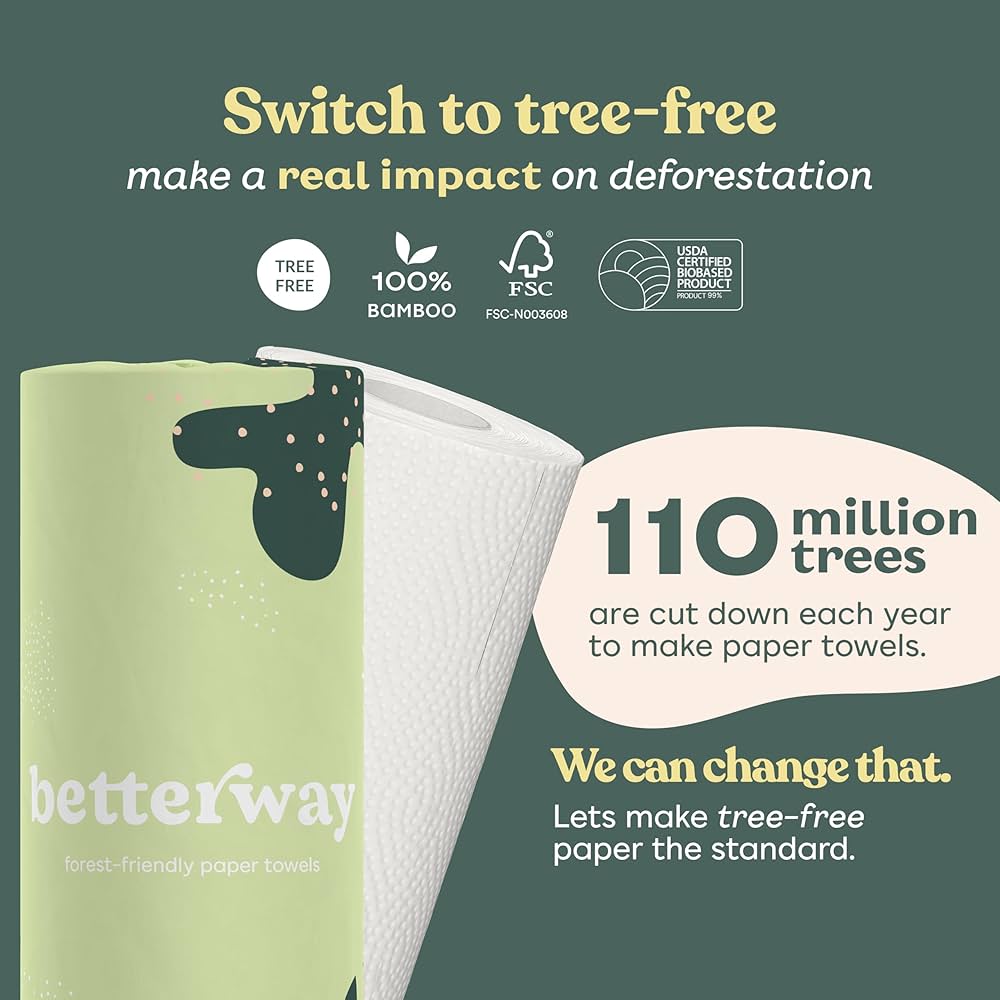
Bamboo towels are an eco-friendly alternative to traditional paper towels. They are soft, strong, and absorbent. Bamboo grows fast and needs fewer resources than trees.
| Feature | Bamboo Towels | Paper Towels |
|---|---|---|
| Material | Renewable bamboo fibers | Wood pulp from trees |
| Reusability | Can be washed and reused multiple times | Single use only |
| Environmental Impact | Lower water and energy use | Higher waste and deforestation |
| Cost | Higher upfront cost but long-lasting | Lower upfront but recurring cost |
Eco-friendly Brands
Some brands focus on making kitchen paper more sustainable. They use recycled materials or plant-based fibers. These brands often avoid harsh chemicals and bleaches.
Look for these qualities in eco-friendly kitchen paper brands:
- 100% recycled content or bamboo-based
- Unbleached or chlorine-free
- Biodegradable packaging
- Certifications like FSC or USDA Organic

Credit: www.walmart.ca
Frequently Asked Questions
Is Kitchen Paper Compostable In Home Compost Bins?
Yes, most kitchen paper is compostable in home bins if it is free from plastic or chemical coatings. It breaks down quickly, adding valuable carbon to the compost mix. Avoid glossy or heavily printed papers, as they may contain non-compostable materials.
How Long Does Kitchen Paper Take To Decompose?
Kitchen paper typically decomposes within 2 to 6 weeks in a well-maintained compost pile. Moisture and temperature affect the breakdown speed. It breaks down faster than cardboard or wood-based materials, making it ideal for quick composting.
Can Greasy Kitchen Paper Be Composted Safely?
Yes, small amounts of greasy kitchen paper can be composted safely. The fats and oils will break down naturally but in moderation. Excess grease may attract pests or slow composting, so balance it with dry, carbon-rich materials.
Should Kitchen Paper With Food Scraps Be Composted?
Yes, kitchen paper with food scraps can be composted together. The paper absorbs moisture and helps balance the compost’s carbon-to-nitrogen ratio. Avoid adding paper contaminated with non-compostable substances like plastic wraps or synthetic fibers.
Conclusion
Kitchen paper often breaks down well in compost piles. It helps add moisture and carbon to the mix. Avoid composting paper with chemicals or heavy inks. Tear it into small pieces for faster decay. Composting kitchen paper reduces waste and helps plants grow.
Choose unbleached and plain paper for best results. Composting is an easy step toward a greener kitchen. Try it and see how your garden benefits. Small changes make a big difference over time.