Have you ever stopped to think about the tools you use every day in your kitchen? Take the frying pan, for example.
You might ask, Is Frying Pan a Kitchen Tool or just another cooking item? Understanding what a frying pan truly is and how it can transform your cooking might change the way you look at this simple tool.
Keep reading, and you’ll discover why the frying pan could be your kitchen’s most valuable asset and a must-have in every home.

Credit: imarku.net
Frying Pan Basics
A frying pan is a common kitchen tool used for cooking food. It has a flat bottom and low sides. This design helps cook food evenly and quickly.
People use frying pans to fry, sear, and sauté many types of food. Knowing the basics can help you choose the right pan for your cooking needs.
Types Of Frying Pans
There are several types of frying pans. Each type suits different cooking styles and foods.
- Non-stick pans: Easy to clean and use little oil.
- Cast iron pans: Heavy, good for high heat and long cooking.
- Stainless steel pans: Durable and good for browning food.
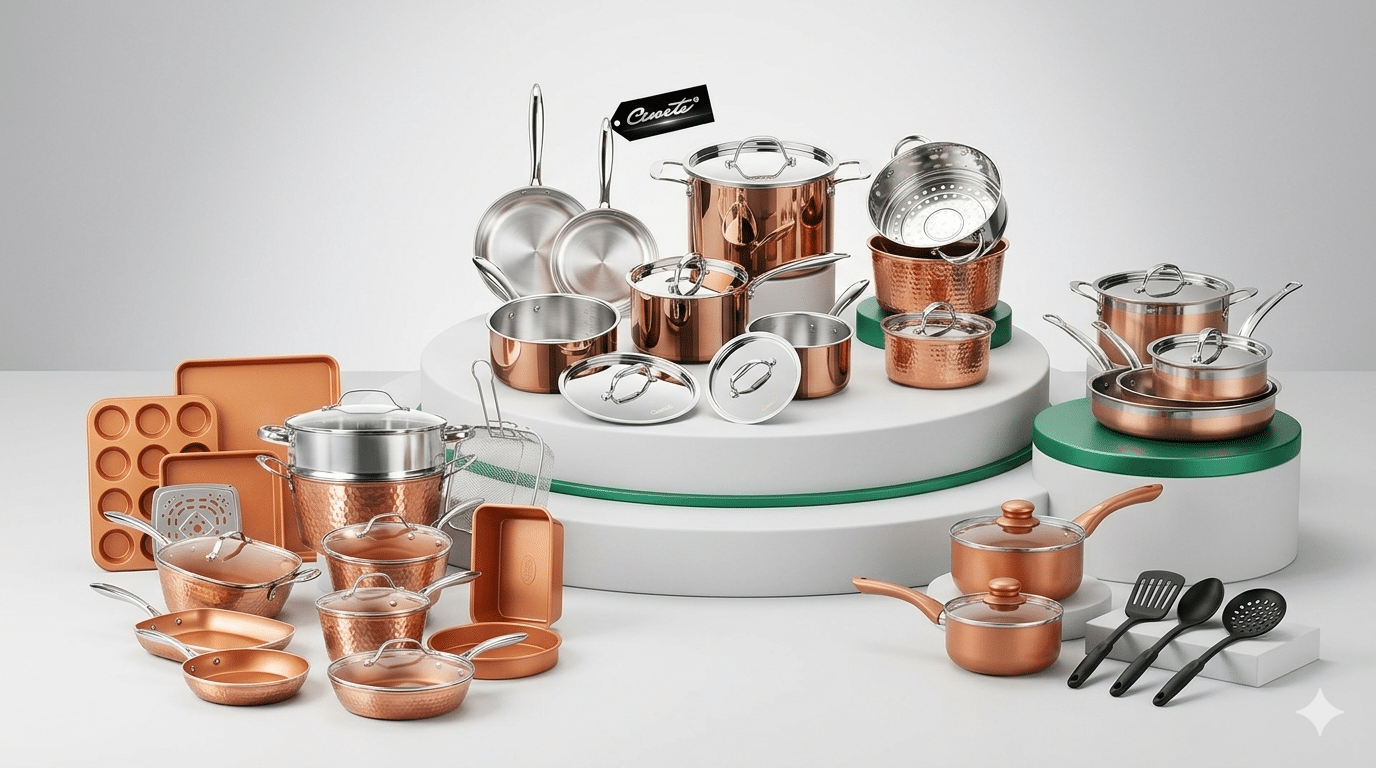
- Copper pans: Heat up fast and cool down quickly.
Materials Used
Frying pans come in different materials. Each material affects cooking performance and care.
| Material | Pros | Cons |
| Non-stick | Easy to clean, less oil needed | Can scratch, not for high heat |
| Cast Iron | Retains heat well, lasts long | Heavy, needs seasoning |
| Stainless Steel | Strong, good for searing | Food may stick without oil |
| Copper | Excellent heat control | Expensive, needs polishing |
Sizes And Shapes
Frying pans come in many sizes and shapes. The size affects how much food you can cook at once.
- Small pans (6-8 inches): Good for eggs and small meals.
- Medium pans (9-11 inches): Most common size for everyday cooking.
- Large pans (12 inches or more): Best for big meals or family cooking.
- Round pans: Standard shape for even cooking.
- Square pans: Offer more cooking surface area.
Key Benefits
The frying pan is an essential kitchen tool. It helps cook many types of food easily and quickly.
Knowing its benefits can make cooking more enjoyable and efficient in your kitchen.
Versatility In Cooking
A frying pan works well with many cooking methods. You can fry, sauté, sear, or even bake with it.
- Cook vegetables, meat, fish, and eggs
- Use different heat settings for varied dishes
- Suitable for quick meals or slow cooking
- Works on gas, electric, and induction stoves
Heat Distribution
Good heat distribution makes cooking even and prevents burning. A quality frying pan spreads heat from the stove across its surface.
| Type of Frying Pan | Heat Distribution Quality |
| Cast Iron | Excellent and even |
| Stainless Steel | Good with layered base |
| Non-stick | Moderate, heats fast |
| Aluminum | Very good but uneven if thin |
Ease Of Use
Frying pans are simple to handle and clean. Their design allows easy flipping and stirring of food.
- Lightweight models reduce wrist strain
- Non-stick surfaces cut down on oil use
- Dishwasher-safe pans save cleaning time
- Handles stay cool for safe cooking
Cooking Techniques
A frying pan is a common kitchen tool used for many cooking styles. It helps cook food quickly and evenly.
Different techniques use a frying pan to create tasty meals with varied textures and flavors.
Searing And Browning
Searing uses high heat to cook the surface of food fast. It creates a brown, crispy crust.
Browning adds color and flavor to meats and vegetables. It locks in juices for better taste.
- Use a hot frying pan and little oil
- Do not move food too soon
- Cook until a brown crust forms
- Helps seal flavors inside the food
Sautéing And Stir-frying
Sautéing means cooking food quickly in a small amount of oil. It uses medium to high heat.
Stir-frying is similar but needs constant stirring. It cooks food evenly and keeps it crisp.
- Cut food into small, even pieces
- Use a frying pan or wok
- Keep food moving to cook fast
- Great for vegetables and thin meats
Pan-frying And Shallow Frying
Pan-frying cooks food in enough oil to cover half the food. It uses medium heat.
Shallow frying uses more oil but less than deep frying. It cooks food crispy outside and soft inside.
- Heat oil before adding food
- Turn food to cook both sides
- Use for thicker cuts like chicken or fish
- Drain excess oil after cooking
Credit: www.carawayhome.com
Choosing The Right Pan
Picking the right frying pan is key for cooking success. It affects how food cooks and tastes.
Different pans suit different cooking needs. Consider material, handle, and care before buying.
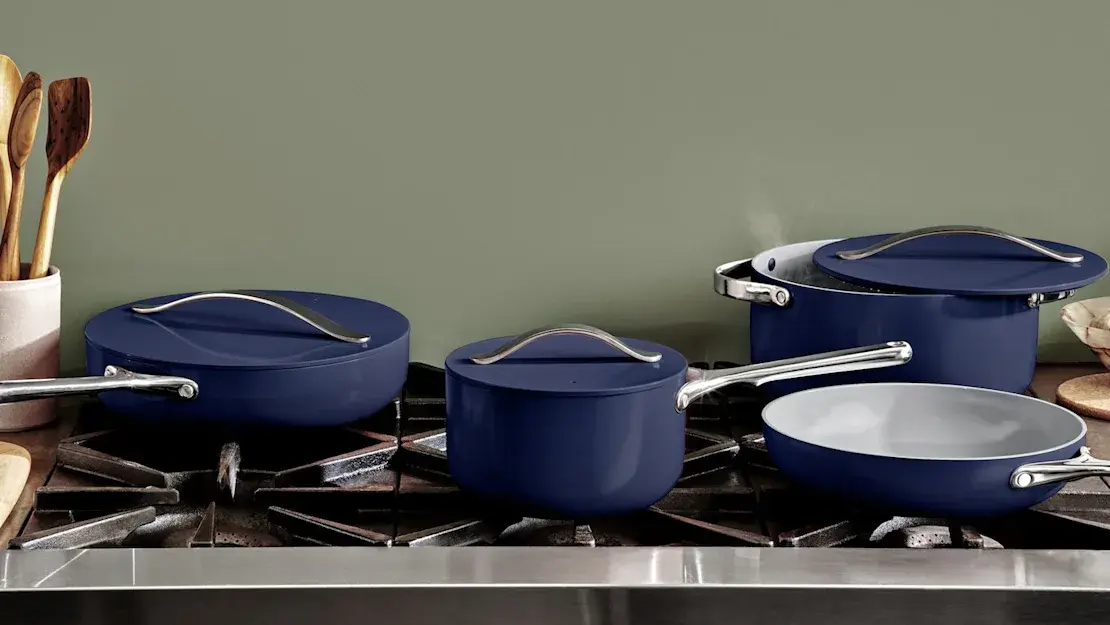
Non-stick Vs. Stainless Steel
Non-stick pans stop food from sticking. They need less oil and clean easily. Stainless steel pans heat well and last long. They can brown food better but need oil to stop sticking.
- Non-stick pans are good for eggs and pancakes.
- Stainless steel pans work well for searing meat.
- Non-stick pans can get scratched easily.
- Stainless steel pans handle high heat better.
Handle Types And Comfort
Pans have different handle types. Choose one that feels good in your hand. Some handles stay cool, others get hot.
| Handle Type | Comfort Level | Heat Resistance |
| Plastic | Comfortable | Low |
| Metal | Less Comfortable | High |
| Silicone Wrapped | Very Comfortable | Medium |
Maintenance And Durability
How you care for your pan affects its life. Some pans need special cleaning and care.
Tips for pan care:
- Hand wash non-stick pans gently.
- Avoid metal tools that scratch surfaces.
- Dry pans right after washing.
- Season stainless steel pans to keep them smooth.
- Store pans carefully to avoid damage.
Common Myths
Many people wonder if a frying pan is really a kitchen tool. It is one of the most used items in cooking. Yet, some myths about frying pans cause confusion.
This article clears up myths about frying pans. We focus on safety, oven use, and cleaning tips.
Non-stick Safety Concerns
Some people think non-stick frying pans release harmful chemicals when heated. This is not true if you use them correctly. Keep heat at medium or below to stay safe.
- Do not heat empty non-stick pans on high heat.
- Avoid scratching the non-stick surface with metal tools.
- Replace pans if the coating peels or chips.
Oven Compatibility
Many believe frying pans cannot go in the oven. This depends on the pan’s material and handle type. Some pans are made for oven use, while others are not.
| Pan Type | Oven Safe? | Max Temperature |
| Cast Iron | Yes | 500°F (260°C) |
| Stainless Steel | Yes | 400°F (204°C) |
| Non-Stick with Plastic Handle | No | Not Safe |
| Non-Stick with Metal Handle | Yes | 350°F (177°C) |
Cleaning Tips
Some people think scrubbing hard is best for cleaning frying pans. This can damage the surface. Use gentle methods to keep the pan safe and lasting.
- Let the pan cool before cleaning.
- Use warm water and mild soap.
- Clean with a soft sponge or cloth.
- Avoid metal scrubbers on non-stick surfaces.
- Dry immediately to prevent rust.

Credit: www.amazon.ca
Frying Pan Alternatives
A frying pan is a common kitchen tool used for cooking many dishes. Still, there are other useful tools that can do similar jobs.
These alternatives offer different cooking styles and can be better for certain recipes. Let’s explore some popular options.
Skillets And Griddles
Skillets are similar to frying pans but often have thicker bottoms. They hold heat well and cook food evenly.
Griddles are flat cooking surfaces. They are great for making pancakes, sandwiches, or grilled vegetables.
- Skillets work well for searing and frying
- Griddles provide a large surface for cooking many items
- Both tools come in various sizes and materials
Woks And Sauté Pans
Woks have a round bottom and high sides. They are good for stir-frying and cooking food quickly.
Sauté pans have straight sides and a large surface. They are useful for cooking sauces and frying with less oil.
- Woks allow fast cooking at high heat
- Sauté pans hold liquids better than frying pans
- Both help cook different types of meals
Cast Iron Options
Cast iron pans are very durable and keep heat for a long time. They are good for frying, baking, and roasting.
These pans need seasoning to stay non-stick. They can last for many years if cared for properly.
- Cast iron can be used on stovetops and ovens
- It provides even cooking and great heat retention
- Requires special cleaning and maintenance
Frequently Asked Questions
What Is A Frying Pan Used For In The Kitchen?
A frying pan is used for frying, searing, and browning foods. It provides even heat distribution and quick cooking. It's essential for sautéing vegetables, cooking eggs, and preparing meats.
Is A Frying Pan Considered A Kitchen Tool?
Yes, a frying pan is a fundamental kitchen tool. It helps prepare a variety of meals efficiently. Its versatility makes it a must-have in every kitchen.
What Materials Are Frying Pans Commonly Made From?
Frying pans are commonly made from stainless steel, cast iron, aluminum, or non-stick coated materials. Each material offers different heat conduction and maintenance requirements.
How Do I Choose The Right Frying Pan For Cooking?
Choose a frying pan based on material, size, and cooking style. Non-stick pans suit low-fat cooking, while cast iron offers durability and heat retention.
Conclusion
The frying pan is indeed a vital kitchen tool. It’s versatile and essential. You can fry, sear, and sauté with ease. Its importance in cooking cannot be overstated. Every kitchen needs one. A good frying pan makes cooking enjoyable. It’s perfect for beginners and experts alike.
Explore its uses and enhance your cooking skills. Investing in a quality frying pan is wise. Cooking becomes easier and more fun. Appreciate its role in the kitchen today.