Imagine reaching for a kitchen utensil and feeling a sense of satisfaction, knowing you've made a choice that benefits both your cooking and the planet. That's the magic of bamboo kitchen utensils.
You might be wondering if bamboo is truly a good fit for your kitchen. Is it durable enough? Does it stand up to daily use? And most importantly, how does it enhance your cooking experience? These are the questions we'll explore, giving you the insights you need to make informed decisions.
By the end of this article, you'll discover why bamboo might just be the perfect addition to your culinary toolkit. Stay with us as we uncover the surprising benefits of bamboo for your kitchen utensils.

Credit: menwiththepot.com
Benefits Of Bamboo Utensils
Bamboo utensils are becoming popular for kitchen use. They offer many advantages over plastic or metal tools.
These utensils are made from bamboo, a natural and renewable resource. People choose them for their eco-friendly and practical qualities.
Eco-friendly Qualities
Bamboo grows quickly and needs little water or pesticides. This makes it a very green material.
Using bamboo utensils helps reduce plastic waste and pollution. They break down easily after use.
- Renewable resource
- Biodegradable material
- Less environmental impact
Durability And Strength
Bamboo utensils are strong and last a long time. They resist cracking and breaking well.
The hardness of bamboo makes it good for cooking. It does not wear down like plastic tools.
- Hard and sturdy
- Resists damage
- Long-lasting use
Lightweight And Comfortable
Bamboo utensils are light, making them easy to handle. They help reduce hand fatigue during cooking.
The smooth texture feels nice to hold. This makes cooking more enjoyable and less tiring.
- Easy to hold
- Light for daily use
- Comfortable grip

Credit: www.amazon.com
Comparing Bamboo With Other Materials
Bamboo is a popular choice for kitchen utensils. It is often compared to other materials like plastic, metal, and wood. Each material has its own strengths and weaknesses.
Understanding these differences helps you pick the best utensils for your kitchen needs.
Bamboo Vs Plastic
Bamboo is natural and biodegradable. Plastic is made from chemicals and takes a long time to break down. Bamboo is better for the environment.
Plastic utensils can melt or release harmful substances when heated. Bamboo does not have this problem and is safe to use with hot food.
- Bamboo is eco-friendly and renewable
- Plastic is cheap but less durable
- Plastic can release toxins when heated
- Bamboo resists heat and is safe
Bamboo Vs Metal
Metal utensils are strong and long-lasting. Bamboo is lighter and softer, so it does not scratch cookware. Bamboo is gentle on non-stick pans.
Metal can conduct heat and get hot quickly, which can burn your hands. Bamboo stays cool and is easier to hold while cooking.
- Metal is very durable
- Bamboo is lightweight and gentle
- Metal heats up fast
- Bamboo stays cool to touch
- Bamboo won’t scratch pots and pans
Bamboo Vs Wood
Both bamboo and wood are natural and safe for cooking. Bamboo grows faster and is more sustainable. Wood takes longer to grow and harvest.
Bamboo is harder and resists stains better than most woods. Wood can absorb water and may crack or warp over time.
- Bamboo grows quickly and renews fast
- Wood grows slower and is less sustainable
- Bamboo is harder and less porous
- Wood can absorb moisture and crack
Safety And Health Aspects
Bamboo is a popular material for kitchen utensils. It is natural and eco-friendly. Many people wonder if bamboo is safe to use for cooking.
This section explains the safety and health benefits of bamboo utensils. It looks at their chemical safety, hygiene, and heat resistance.
Non-toxic And Chemical-free
Bamboo utensils do not contain harmful chemicals. They are made from natural bamboo wood. This means no toxic substances can leak into food.
Manufacturers often avoid using strong glues or finishes. This keeps the utensils safe for daily cooking and eating.
Antibacterial Properties
Bamboo has natural antibacterial qualities. It can reduce bacteria growth on its surface. This makes it a cleaner choice for kitchen tools.
Cleaning bamboo utensils is easy. Regular washing with soap and water keeps them hygienic and safe to use.
Heat Resistance
Bamboo can handle heat well. It does not melt or release toxins under normal cooking temperatures. This makes it safe for stirring hot foods.
Using bamboo utensils helps avoid burns. Bamboo handles stay cooler than metal ones during cooking.

Credit: www.amazon.com
Care And Maintenance Tips
Bamboo kitchen utensils are popular for their durability and eco-friendliness. Proper care keeps them safe and lasting longer.
Follow simple steps to clean and protect your bamboo tools from damage.
Cleaning Methods
Use warm water and mild soap to clean bamboo utensils. Avoid soaking them for too long to prevent warping.
- Wash by hand only, no dishwasher use
- Rinse thoroughly to remove soap residue
- Dry immediately with a clean cloth
- Air dry fully before storing
Avoiding Cracks And Splits
Bamboo can crack if exposed to extreme dryness or moisture. Keep utensils balanced in humidity.
| Cause | Prevention |
| Too much water | Do not soak; dry promptly |
| Too dry air | Store in moderate humidity |
| Extreme heat | Keep away from ovens and direct sunlight |
Extending Longevity
Regular care helps bamboo utensils last for years. Oil them to keep the surface smooth and strong.
- Apply food-safe mineral oil once a month
- Rub oil with a soft cloth evenly
- Let oil soak in for a few hours
- Wipe off excess oil before use
Popular Bamboo Utensils
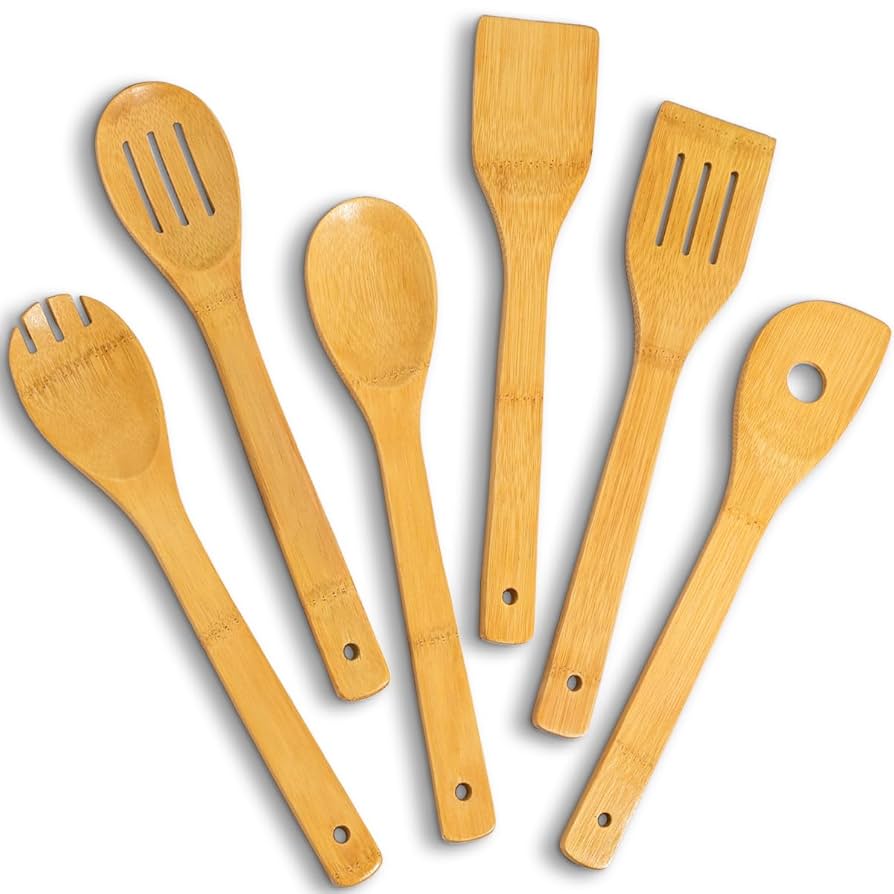
Bamboo utensils are popular for kitchens because they are light and strong. They do not scratch pots and pans easily.
Many people choose bamboo because it is natural and eco-friendly. Bamboo grows quickly and can be replaced fast.
Spoons And Spatulas
Bamboo spoons and spatulas are smooth and gentle on cookware. They do not absorb smells or flavors from food.
- Bamboo spoons are great for stirring sauces and soups.
- Bamboo spatulas help flip food without scratching pans.
- Both are easy to clean and dry quickly.
Cutting Boards
Bamboo cutting boards are hard and resist knife marks. They stay cleaner for longer than some other woods.
| Feature | Benefit |
| Durability | Lasts a long time without cracking |
| Lightweight | Easy to move and clean |
| Eco-Friendly | Made from renewable bamboo |
| Antibacterial | Natural properties reduce bacteria growth |
Salad Servers
Bamboo salad servers are sturdy and look nice on the table. They help toss salad without bruising leaves.
- They do not react with acidic dressings.
- The handles are comfortable to hold.
- Bamboo servers are easy to wash and dry fast.
Environmental Impact
Bamboo is a popular choice for kitchen utensils. It grows fast and can replace wood. Using bamboo helps protect forests and reduce waste.
In this article, we look at bamboo’s effects on the environment. We focus on its renewable nature, biodegradability, and carbon footprint.
Renewable Resource Benefits
Bamboo grows much faster than hardwood trees. It can be harvested every 3 to 5 years. This quick growth makes it a renewable resource.
- Bamboo regrows without needing replanting.
- It requires less water than many crops.
- No harmful pesticides are needed for growth.
- Harvesting bamboo does not kill the plant.
Biodegradability
Bamboo utensils break down naturally after disposal. They do not leave plastic waste behind. This reduces landfill problems and pollution.
Unlike plastic, bamboo decomposes within months. It returns nutrients to the soil, helping the environment.
Carbon Footprint Reduction
| Factor | Bamboo | Plastic |
| Growth Time | 3-5 years | Non-renewable |
| CO₂ Absorption | High | None |
| Decomposition Time | Months | Hundreds of years |
| Energy to Produce | Low | High |
Bamboo absorbs more carbon dioxide than many trees. This helps lower greenhouse gases. Using bamboo utensils reduces the carbon footprint.
Frequently Asked Questions
Is Bamboo Safe For Kitchen Utensils?
Yes, bamboo is safe for kitchen utensils. It is naturally antimicrobial and free from harmful chemicals. Bamboo utensils do not scratch cookware and are gentle on non-stick surfaces.
How Durable Are Bamboo Kitchen Utensils?
Bamboo utensils are highly durable. They resist cracking and warping better than wood. With proper care, they can last for years without losing quality.
Are Bamboo Utensils Eco-friendly?
Absolutely, bamboo is a sustainable and renewable resource. Bamboo grows quickly and requires less water than hardwood, making it an eco-friendly choice for kitchen utensils.
Can Bamboo Utensils Withstand Heat?
Bamboo utensils handle heat well but should not be exposed to direct flames. They are heat resistant enough for cooking but avoid prolonged high temperatures to prevent damage.
Conclusion
Bamboo kitchen utensils offer many benefits. They are light, strong, and easy to clean. Bamboo is also gentle on pots and pans. It resists stains and does not absorb water easily. Choosing bamboo helps reduce plastic waste in kitchens. Plus, bamboo grows quickly, making it a good eco choice.
Many people enjoy the natural look it brings. Overall, bamboo utensils blend well with any kitchen style. They provide a practical and green option for cooking. Consider bamboo for your next kitchen tool set.