
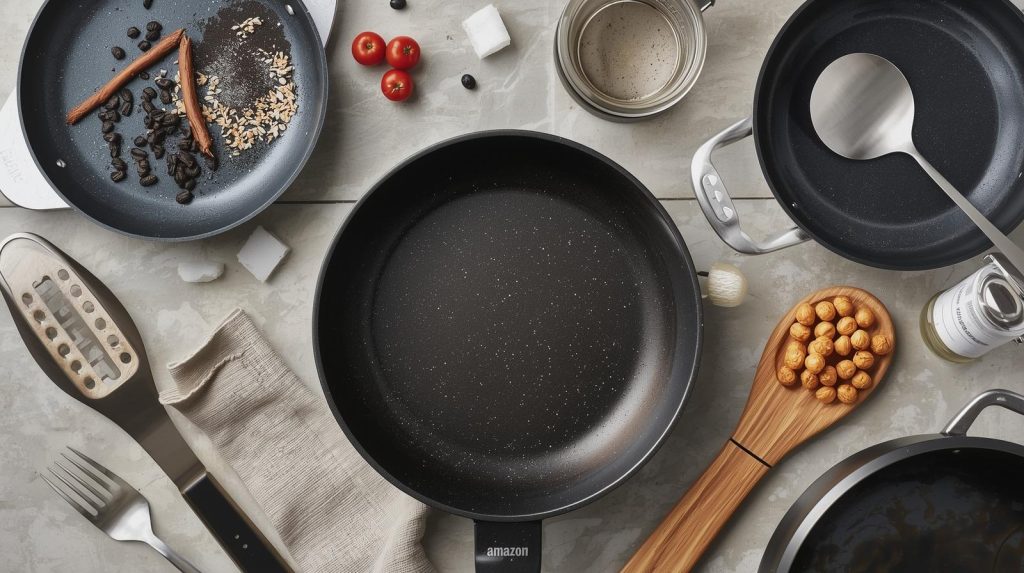
Have you ever stood in your kitchen, looking at a pan, and wondered, “Is a Pan a Kitchen Utensil?” You’re not alone.
This seemingly simple question can lead you down an intriguing path of culinary discovery. Understanding the role of a pan in your kitchen arsenal can transform the way you cook and even how you organize your kitchen. Imagine knowing exactly how to categorize each item in your kitchen, creating an efficient and harmonious cooking space.
Ready to uncover the truth about pans and their place in your kitchen? Let’s dive in and clear up the confusion once and for all.

Credit: www.amazon.com
What Qualifies As A Kitchen Utensil
A kitchen utensil is any tool used to prepare, cook, or eat food. These tools help with tasks like cutting, mixing, or serving.
Utensils come in many shapes and sizes. They are made to make cooking easier and more efficient.
Common Types Of Kitchen Utensils
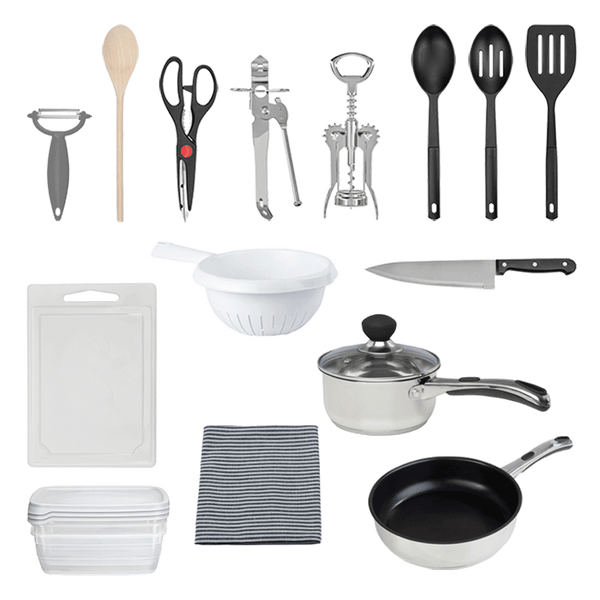
Kitchen utensils include items like spoons, knives, and forks. They also cover tools such as peelers, whisks, and spatulas.
- Cutting tools: knives, scissors, peelers
- Mixing tools: whisks, spatulas, spoons
- Measuring tools: cups, spoons, scales
- Serving tools: ladles, tongs, forks
- Cooking tools: pans, pots, grills
A pan is a cooking tool used to heat and cook food. It is considered a kitchen utensil because it helps in food preparation.
Materials Used In Kitchen Utensils
Kitchen utensils are made from different materials. Each material has its own benefits for cooking and cleaning.
- Metal: durable and heats quickly
- Wood: gentle on cookware and looks natural
- Plastic: lightweight and heat resistant
- Silicone: flexible and heat safe
- Ceramic: non-reactive and easy to clean
Pans are often made from metal like stainless steel, cast iron, or aluminum. These materials hold heat well for cooking.

Credit: www.amazon.com
The Role Of A Pan In Cooking
A pan is a key kitchen tool. It helps cook food evenly and quickly.
Pans come in many shapes and materials. Each type suits different cooking needs.
Different Types Of Pans
There are many types of pans. Each has unique uses and features.
- Frying Pan: Used for frying and sautéing foods.
- Saucepan: Ideal for boiling or simmering liquids.
- Sauté Pan: Has high sides for tossing food while cooking.
- Grill Pan: Creates grill marks and adds smoky flavor.
- Cast Iron Pan: Retains heat well and cooks evenly.
Functions Of Pans In The Kitchen
Pans help with many cooking tasks. They control heat and cook food properly.
| Function | Description |
| Frying | Cooking food in hot fat or oil. |
| Sautéing | Cooking quickly in a small amount of oil. |
| Boiling | Heating liquid until it bubbles and cooks food. |
| Simmering | Cooking food gently in liquid below boiling point. |
| Grilling | Cooking with direct heat to add flavor. |
Comparing Pans To Other Utensils
Pans are common tools in the kitchen. They help cook food by frying, sautéing, or searing.
Other utensils also help with cooking. It is important to know how pans differ from them.
Pans Vs. Pots
Pans are usually flat and shallow. Pots are deeper and have taller sides.
Pots are used for boiling or making soups. Pans cook food that needs quick heat.
- Pans have a wide surface for frying
- Pots hold more liquid for boiling
- Pans often have sloped sides
- Pots have straight, high sides
Pans Vs. Cooking Tools
Pans are cookware used directly on heat. Cooking tools help prepare or handle food.
Examples of cooking tools are spatulas, whisks, and tongs. They assist but do not cook by themselves.
- Pans cook food with heat
- Spatulas flip or stir food
- Whisks mix ingredients
- Tongs grab or turn food
Credit: www.unikitout.com
Why A Pan Is Considered A Utensil
A pan is a common tool used in kitchens for cooking food. It helps heat and prepare ingredients safely and evenly.
Because a pan aids in food preparation, it fits the definition of a kitchen utensil. Utensils are tools that assist in cooking or eating.
Usage And Handling
Pans come in various shapes and sizes, designed for different cooking tasks. They are used on stoves, ovens, or grills to cook food.
Handling a pan requires care to avoid burns. Most pans have handles to make lifting and moving safer and easier.
- Use oven mitts or pot holders when handling hot pans
- Choose the right pan size for your cooking needs
- Clean pans properly to maintain their surface
- Avoid overheating to prevent damage
Classification By Culinary Experts
Culinary experts classify pans as essential kitchen utensils. They group pans by material, size, and purpose.
Different pans serve specific cooking methods like frying, sautéing, or baking. Experts recognize pans as basic tools in cooking.
- Frying pans for quick cooking with little oil
- Sauce pans for boiling and simmering liquids
- Sauté pans with taller sides for tossing food
- Baking pans for oven use and baking dishes
Selecting The Right Pan For Your Kitchen
A pan is an essential kitchen utensil used for cooking various foods. Picking the right pan helps you cook better meals and makes your kitchen work easier.
Different pans suit different cooking needs. Knowing what to look for saves time and money.
Factors To Consider
Size matters. Choose a pan size that fits your cooking style and family size. A small pan may not cook enough food, while a very large one takes more space.
Check the pan’s handle. It should feel comfortable and stay cool during cooking. Also, see if the pan is easy to clean and fits your stove type.
- Size and weight
- Handle comfort and safety
- Ease of cleaning
- Compatibility with stove type
- Heat distribution and retention
Popular Pan Materials And Their Benefits
Pans come in many materials. Each type has good points and some limits. Knowing these helps you pick the best pan.
| Material | Benefits | Notes |
|---|---|---|
| Stainless Steel | Durable, easy to clean, non-reactive | May need oil to prevent sticking |
| Cast Iron | Excellent heat retention, lasts long | Heavy, requires seasoning to stay non-stick |
| Non-stick | Easy to cook and clean, low-fat cooking | Coating can wear off over time |
| Aluminum | Lightweight, good heat conductor | Can react with acidic foods unless coated |
| Copper | Fast, even heating, precise temperature control | Expensive and needs polishing |
Frequently Asked Questions
What Defines A Pan As A Kitchen Utensil?
A pan is a kitchen utensil because it aids in cooking food. It is designed for frying, sautéing, or boiling. Pans are essential tools in food preparation and come in various materials like stainless steel and cast iron.
Are All Pans Considered Essential Kitchen Utensils?
Yes, pans are essential kitchen utensils. They allow cooking a wide range of dishes. Without a pan, frying or sautéing food becomes difficult. Most kitchens include at least one pan for everyday cooking tasks.
How Does A Pan Differ From Other Kitchen Utensils?
A pan is a cookware utensil specifically for cooking on stovetops. Unlike spoons or knives, pans hold and cook food with heat. They have flat bottoms and sides, designed to distribute heat evenly.
Can Pans Be Used For Baking As Kitchen Utensils?
Some pans can be used for baking, such as cast iron skillets. However, most pans are designed for stovetop cooking. Baking pans usually have different shapes and materials optimized for oven use.
Conclusion
A pan is definitely a kitchen utensil. It helps cook food quickly and evenly. You use it for frying, boiling, or sautéing. Every kitchen needs at least one pan. It makes cooking easier and more fun. Understanding what counts as a utensil helps organize your kitchen better.
So, keep your pans handy and use them often. They are simple tools but very useful. Cooking without a pan would be hard. That’s why pans belong in your kitchen utensil collection.



