How to Wash Plastic Cutting Board: Picture this: you’re in your kitchen, ready to whip up a delicious meal. You grab your trusty plastic cutting board, the unsung hero of countless culinary creations.
But wait—when was the last time you gave it a thorough clean? If you’re unsure, you’re not alone. Many people overlook the importance of properly washing their plastic cutting boards, risking cross-contamination and lingering odors. In this guide, you’ll discover simple yet effective methods to ensure your cutting board is as clean as it should be.
By mastering these techniques, you’ll not only maintain a pristine kitchen but also safeguard your health. Ready to find out how? Let's dive in and give your cutting board the care it deserves.
Choosing The Right Cleaning Tools
Cleaning plastic cutting boards properly helps keep them safe and long-lasting. Using the right tools makes washing easier and more effective.
Some brushes and sponges clean better without damaging the board. Safe cleaning agents protect the plastic surface and remove germs well.
Types Of Brushes And Sponges
Choose brushes and sponges that clean hard-to-reach areas. Soft sponges avoid scratching the plastic, while stiff brushes remove stuck food.
- Soft sponges for gentle cleaning
- Stiff-bristled brushes for tough stains
- Scrub pads with non-abrasive surfaces
- Brushes with long handles for deep scrubbing
Safe Cleaning Agents For Plastic Boards
Use cleaning agents that kill bacteria but do not harm plastic. Avoid bleach or harsh chemicals that may damage the surface or leave residue.
| Cleaning Agent | Effect on Plastic | Notes |
| Mild dish soap | Safe | Good for daily cleaning |
| White vinegar | Safe | Natural disinfectant |
| Baking soda paste | Safe | Removes stains gently |
| Bleach solution | Can damage | Use very diluted if needed |
| Ammonia-based cleaners | Not safe | Avoid on plastic boards |

Credit: www.youtube.com
Daily Cleaning Routine
Keeping your plastic cutting board clean is important to stop germs. Clean it after every use to keep food safe.
Follow simple steps to remove food bits and wash the board properly. This helps keep your kitchen healthy.
Removing Food Residue
Start by scraping off leftover food with a spatula or paper towel. This prevents particles from sticking during washing.
- Use a plastic or silicone spatula to scrape scraps
- Rinse the board under warm running water
- Remove stubborn bits with a soft brush or sponge
- Do not use metal tools that can damage the surface
Proper Washing Techniques
Wash your plastic cutting board with soap and hot water. Clean both sides and the edges well to kill germs.
| Cleaning Step | Details |
| Soap Type | Mild dish soap works best |
| Water Temperature | Use hot water (above 110°F/43°C) |
| Scrubbing Tool | Soft sponge or brush |
| Rinse | Rinse thoroughly to remove soap |
| Drying | Air dry or wipe with clean towel |
Deep Cleaning Methods
Plastic cutting boards need regular deep cleaning to remove bacteria and stains. Simple household items can help clean and sanitize them effectively.
Use these methods to keep your plastic cutting board safe and fresh for daily use.
Using Vinegar And Baking Soda
Vinegar and baking soda are natural cleaners that remove odors and stains from plastic boards. Vinegar kills bacteria, while baking soda scrubs away grime.
- Spray white vinegar evenly over the cutting board surface.
- Let it sit for five minutes to kill germs.
- Sprinkle baking soda on the board for scrubbing power.
- Use a sponge or brush to scrub all areas well.
- Rinse the board with warm water and dry it completely.
Sanitizing With Bleach Solutions
Bleach solutions kill bacteria and viruses quickly on plastic cutting boards. Use caution and follow proper dilution for safe use.
| Bleach to Water Ratio | Contact Time | Safety Tips |
| 1 tablespoon bleach per 1 gallon water | 2 minutes | Wear gloves, rinse well after |
After soaking the board in the bleach solution, rinse with clean water and let air dry to avoid chemical residue.
Dishwasher Safety Tips
Many plastic cutting boards are dishwasher safe. Use the hottest cycle to clean and sanitize effectively.
- Check the board’s label to confirm it is dishwasher safe.
- Place the board upright to allow water to drain.
- Use a full dishwasher cycle with high heat.
- Remove and dry the board before storing.
Credit: en.brilio.net
Dealing With Stains And Odors
Plastic cutting boards often keep stains and smells after use. Cleaning them well helps keep your kitchen fresh.
Simple cleaning steps remove stains and odors without harsh chemicals. This keeps your board safe and clean.
Natural Deodorizers
Natural deodorizers help remove smells from plastic cutting boards. They work without strong chemicals.
Lemon juice and baking soda are very useful. They freshen the board and kill bad odors.
- Rub lemon juice on the board and let it sit for 5 minutes.
- Sprinkle baking soda over the board and scrub with a damp sponge.
- Rinse the board well with warm water.
Removing Tough Stains
Tough stains need stronger cleaning but still safe for plastic boards. Use vinegar or hydrogen peroxide.
These liquids help break down stains and kill germs. Soak or scrub the board for best results.
- Soak the board in white vinegar for 10 minutes.
- Apply hydrogen peroxide on stains and let it sit for a few minutes.
- Scrub with a soft brush and rinse thoroughly.
Maintaining Cutting Board Hygiene
Keeping your plastic cutting board clean is important for food safety. Bacteria can hide in scratches and cracks. Regular cleaning helps prevent illness.
This guide explains how to keep your cutting board safe and when to replace it.
Regular Inspection For Damage
Check your cutting board often for cuts, cracks, or deep grooves. These can trap food particles and bacteria. Look closely at the surface after washing.
- Run your fingers over the board to feel for scratches
- Look for cracks or deep cuts that are hard to clean
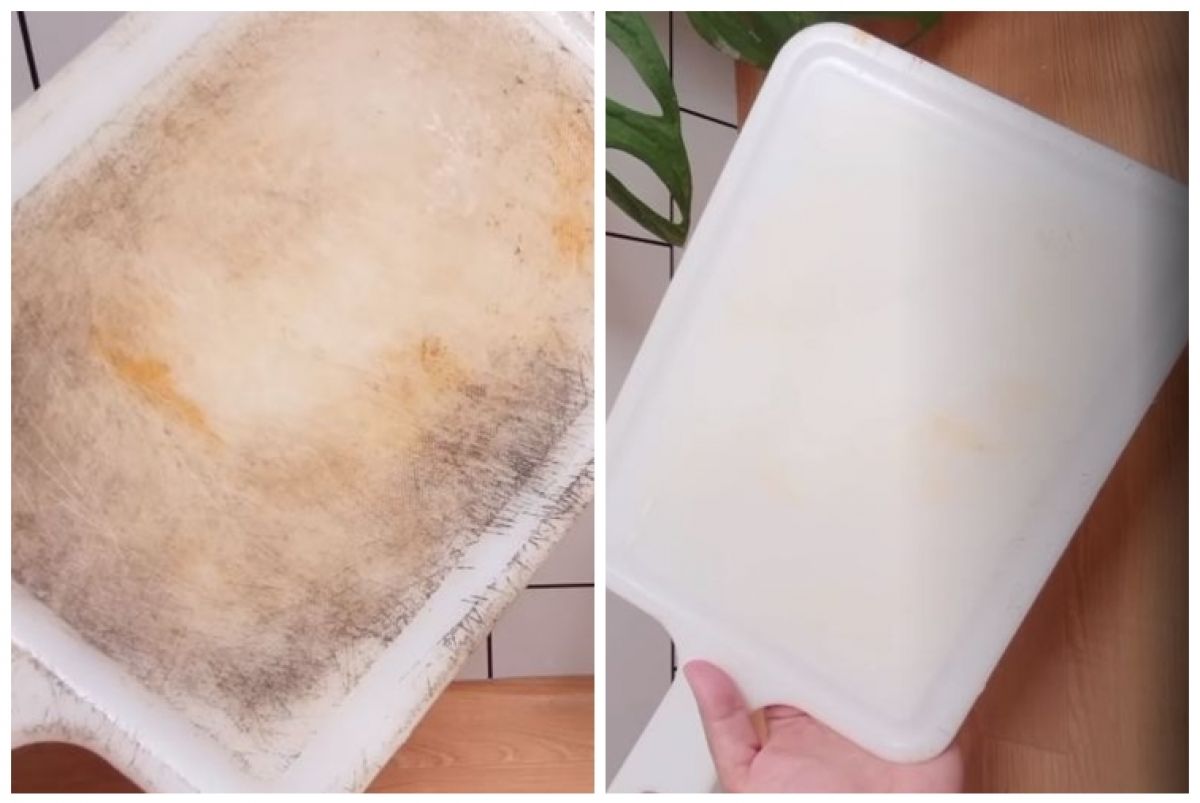
- Check for discoloration or stains that do not wash away
- Observe if the board warps or changes shape
Replacing When Necessary
Replace your plastic cutting board if it shows heavy damage. A damaged board can cause cross-contamination and food poisoning.
| Signs to Replace | Reason |
| Deep grooves or cuts | Bacteria hide and grow in these areas |
| Cracks or breaks | Board can break during use and cause injury |
| Warped or bent shape | Hard to clean properly and unsafe for cutting |
| Persistent stains or odors | Cleaning does not remove bacteria or smells |

Credit: www.plasticchoppingboards.co.uk
Storage Tips For Longevity
Keeping your plastic cutting board in good shape takes proper care. Storing it right helps avoid damage and germs.
Good storage stops warping, cracking, and bacteria growth. Follow these tips to make your board last long.
Drying And Air Circulation
Always dry your cutting board fully before storing it. Moisture causes bacteria and mold to grow.
Store the board where air flows well. This helps keep it dry and fresh between uses.
- Use a dish rack to let the board stand upright
- Avoid stacking boards while wet
- Wipe off water with a clean towel after washing
Proper Storage Locations
Pick a dry, clean spot to keep your board. Avoid damp or hot places that can cause damage.
Keep the board away from direct sunlight and heat sources. These can warp or weaken the plastic.
- Use a kitchen cabinet or drawer with good air flow
- Store upright to save space and prevent warping
- Avoid placing near the stove or dishwasher
Frequently Asked Questions
How Do You Properly Clean A Plastic Cutting Board?
To clean a plastic cutting board, wash it with hot, soapy water after each use. Rinse thoroughly and dry with a clean towel to prevent bacteria buildup.
Can Plastic Cutting Boards Be Washed In A Dishwasher?
Yes, most plastic cutting boards are dishwasher safe. Place them on the top rack to avoid warping and ensure thorough cleaning.
How Often Should You Sanitize A Plastic Cutting Board?
Sanitize your plastic cutting board after cutting raw meat or poultry. Use a bleach solution or vinegar spray to kill harmful bacteria effectively.
What Is The Best Way To Remove Stains On Plastic Boards?
To remove stains, scrub the board with baking soda and water paste. Let it sit for a few minutes, then rinse and dry.
Conclusion
Washing your plastic cutting board keeps it safe and clean. Use warm water, soap, and a scrub brush for best results. Rinse well to remove all soap and food bits. Dry the board completely to stop bacteria growth. Clean your board after every use to stay healthy.
A clean cutting board helps protect your family from germs. Simple steps make your kitchen safer every day. Keep this routine easy and regular for best results.