Are you tired of seeing kitchen scraps go to waste? Imagine turning those peels, coffee grounds, and eggshells into something incredibly valuable for your garden.
Composting is not just an eco-friendly habit; it’s a simple and rewarding way to enrich your soil and boost plant growth. By using your kitchen waste for compost, you can reduce landfill contributions and create a nutrient-rich fertilizer right at home.
Are you ready to discover how easy it is to transform your kitchen waste into gardening gold? Read on to learn how you can make a positive environmental impact while reaping the benefits of healthier plants.

Credit: www.youtube.com
Benefits Of Composting Kitchen Waste
Composting kitchen waste is a smart way to handle food scraps. It helps reduce trash and turns waste into useful soil material.
This process supports the environment and benefits your garden. You can save money and improve your soil naturally.
Reducing Household Waste
Kitchen scraps make up a large part of home garbage. Composting these scraps lowers the total waste sent to landfills.
Less trash means fewer pickups and less pollution from waste trucks. Composting helps keep the environment cleaner.
Improving Soil Health
Compost adds important nutrients back into the soil. This makes plants grow stronger and healthier.
It also helps soil hold water better and reduces the need for chemical fertilizers.
- Boosts soil nutrients
- Increases water retention
- Supports beneficial microorganisms
Saving Money On Fertilizers
Using compost lowers the need to buy fertilizers. You can save money by recycling your kitchen waste instead.
Compost is a natural fertilizer that helps plants grow without extra cost.
Credit: canadale.ca
Choosing The Right Composting Method
Using kitchen waste for compost helps reduce trash and improve soil. Choosing the right composting method makes the process easier and faster.
Different methods suit different spaces, time, and waste amounts. Pick one that fits your needs and lifestyle.
Compost Bin Options
Compost bins keep your waste neat and speed up decomposition. Choose a bin based on your space and how much waste you create.
Bins can be simple or advanced, made from plastic, wood, or metal. They help keep pests away and control moisture.
- Closed bins are great for small spaces and keep smells in.
- Open bins suit large yards and allow good airflow.
- Tumbler bins spin to mix waste and speed composting.
Compost Pile Setup
A compost pile works well if you have enough outdoor space. Layer different kitchen and garden waste to create balance.
Keep the pile moist and turn it often. This helps air flow and breaks down the waste faster.
- Start with coarse materials like twigs for airflow.
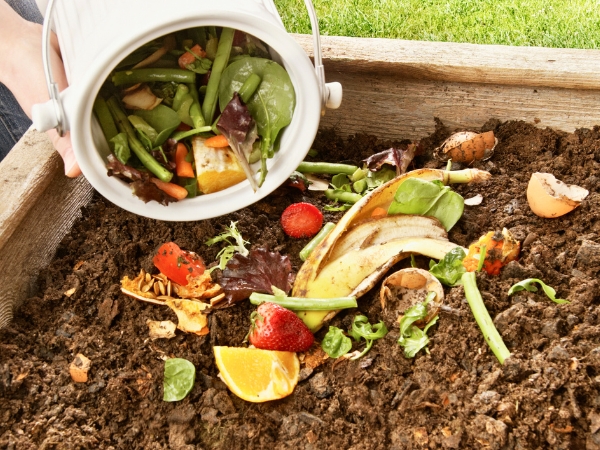
- Add kitchen scraps like fruit and vegetable peels.
- Cover with dry leaves or grass clippings.
- Turn the pile every one or two weeks.
Vermicomposting Basics
Vermicomposting uses worms to turn kitchen waste into rich compost. It works well indoors or outdoors in small spaces.
Use a special worm bin with good drainage and bedding. Feed the worms fruit and vegetable scraps, avoiding meat and dairy.
- Choose red wiggler worms for best results.
- Keep the bin moist but not wet.
- Harvest worm castings every few months for garden use.
Preparing Kitchen Waste For Compost
Composting kitchen waste turns scraps into healthy soil. It helps reduce trash and supports plant growth.
Knowing what to compost and how to prepare it improves your compost pile. This guide explains key steps.
Acceptable Kitchen Scraps
Not all kitchen waste is good for compost. Use scraps that break down easily and add nutrients.
- Vegetable peels and scraps
- Fruit scraps and cores
- Used coffee grounds and filters
- Tea bags without staples
- Eggshells, crushed
- Nut shells (except walnut)
- Stale bread and grains
Avoiding Problematic Materials
Some kitchen waste can harm your compost or attract pests. Keep these items out of your pile.
| Material | Reason to Avoid |
| Meat and bones | Attract animals and smell bad |
| Dairy products | Cause odors and pests |
| Oils and fats | Slow decomposition and attract pests |
| Diseased plants | Can spread disease in compost |
| Pet waste | Contains harmful bacteria |
Chopping And Layering Waste
Chop kitchen scraps into small pieces. This helps them break down faster in the compost.
- Cut scraps into 1-2 inch pieces.
- Mix green scraps with brown materials like dry leaves.
- Layer scraps to allow air flow.
- Keep the pile moist but not wet.
- Turn the compost regularly to speed decomposition.
Maintaining Your Compost Pile
Keeping your compost pile healthy helps break down kitchen waste fast. Proper care stops bad smells and pests.
Check your compost often. Small actions make big differences in how well it works.
Turning And Aerating
Turning your compost adds air to the pile. Air helps microbes break down waste.
- Use a garden fork or shovel to mix the pile.
- Turn the compost every 1 to 2 weeks.
- Mix the outer parts into the center for even decomposition.
- Aeration stops the pile from smelling bad.
Moisture Control
Water keeps the compost microbes alive. Too dry or too wet slows the process.
| Condition | How It Feels | Action Needed |
| Too Dry | Dry and crumbly | Add water and mix well |
| Just Right | Like a wrung-out sponge | Keep as is |
| Too Wet | Drips water, smells bad | Add dry materials and turn |
Monitoring Temperature
Heat shows how active your compost pile is. Warm piles break down waste faster.
Use a compost thermometer to check temperature:
- Insert thermometer into the center of the pile.
- Ideal temperature is 130°F to 160°F (54°C to 71°C).
- If it is too low, turn the pile to add air.
- If it is too high, turn to cool it down.
Using Finished Compost In Your Garden
Finished compost is rich soil that helps plants grow strong. It comes from kitchen waste broken down by microbes.
Using compost in your garden improves soil health and feeds your plants naturally.
Signs Compost Is Ready
Good compost looks dark and crumbly. It smells like fresh earth, not rotten or sour.
Finished compost has no large food pieces or tough materials left. It feels cool to the touch.
- Dark brown or black color
- Earthy, fresh smell
- Crumbly texture
- No visible food scraps
- Cool temperature
Applying Compost To Soil
Spread a 1-3 inch layer of compost on garden beds. Mix it lightly into the topsoil with a rake.
You can also use compost as mulch around plants to keep moisture and stop weeds.
- Spread compost evenly over soil surface
- Mix compost into top 6-8 inches of soil
- Use compost as mulch around plants
- Water after applying to help nutrients soak in
Benefits For Different Plants
Compost helps many plants by giving them nutrients and improving soil texture. It suits flowers, vegetables, and trees.
Plants grow healthier roots and resist diseases better when compost is added to their soil.
- Vegetables:More fruits and leaves with better taste
- Flowers:Brighter colors and longer blooming
- Trees:Stronger growth and drought resistance
- Shrubs:Fuller shape and less pest damage

Credit: www.youtube.com
Troubleshooting Compost Issues
Using kitchen waste for compost is a great way to reduce trash. Sometimes, compost can have problems that stop it from working well.
Fixing common issues helps your compost break down faster and smell better. Let’s look at some common compost problems and how to solve them.
Dealing With Odors
Bad smells usually mean the compost is too wet or lacks air. Kitchen waste like vegetable scraps can make compost smell if not balanced well.
To stop odors, turn the compost often to add air. Add dry materials like leaves or shredded paper to absorb moisture.
- Turn compost every few days
- Add dry brown materials to soak up wetness
- Keep compost covered but let air flow
- Do not add meat or dairy waste
Fixing Slow Decomposition
Compost breaks down slowly if it is too dry or lacks nitrogen. Kitchen scraps provide nitrogen, but you need a good mix of materials.
Make sure your compost has enough moisture. Chop food scraps into small pieces to help them break down faster.
- Keep compost moist, like a damp sponge
- Mix green (nitrogen) and brown (carbon) materials
- Chop or shred kitchen waste before adding
- Turn compost to speed up breakdown
Preventing Pest Problems
Pests like flies and rodents may visit your compost if it has food scraps exposed. This can cause mess and slow composting.
Keep kitchen waste covered with brown materials. Use a closed bin or compost tumbler to keep pests out.
- Bury food scraps under dry leaves or soil
- Use bins with tight lids or screens
- Avoid adding meat, bones, or oily foods
- Turn compost regularly to discourage pests
Frequently Asked Questions
What Kitchen Waste Can Be Used For Composting?
Vegetable peels, fruit scraps, coffee grounds, eggshells, and tea bags are ideal for composting. Avoid meat, dairy, and oily foods as they attract pests and slow decomposition.
How To Start Composting Kitchen Waste At Home?
Collect kitchen scraps in a compost bin or pile. Mix green (wet) and brown (dry) materials. Turn regularly to aerate and speed up decomposition.
How Long Does Kitchen Waste Take To Compost?
Kitchen waste usually takes 2 to 6 months to fully decompose. Proper balance, moisture, and aeration speed up the process.
Can Compost Made From Kitchen Waste Improve Soil Quality?
Yes, compost enriches soil by adding nutrients and improving texture. It promotes healthy plant growth and reduces the need for chemical fertilizers.
Conclusion
Using kitchen waste for compost helps reduce trash and enrich soil. It saves money and supports plant growth naturally. Composting is easy and good for the environment. Start small and watch your garden thrive. Healthy soil means healthier plants and a cleaner planet.
Give kitchen scraps a new purpose. Your garden will thank you.