Are you tired of your kitchen smelling like a garbage dump every time you toss food scraps into your compost bin? Using a kitchen compost bin with a filter can change that.
It’s a simple way to keep your kitchen fresh while turning waste into nutrient-rich compost for your garden. You’ll learn exactly how to use your compost bin with a filter effectively, so you can reduce odors, cut down on waste, and help the environment—all without any hassle.
Keep reading to discover easy tips that will make composting a natural part of your daily routine.
Choosing The Right Compost Bin
Using a kitchen compost bin helps reduce food waste at home. Picking the right bin makes composting easy and clean.
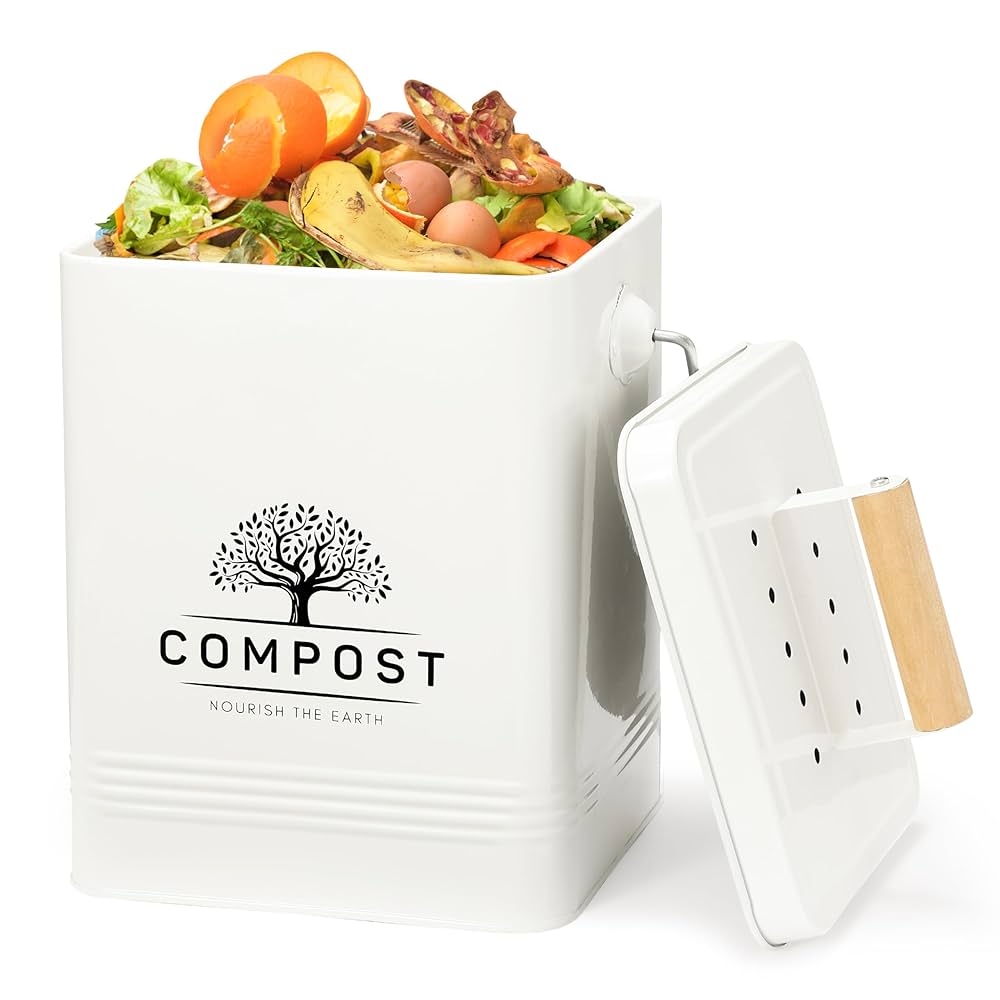
Many compost bins come with filters to control odors. These bins keep your kitchen fresh while breaking down scraps.
Materials And Size Options
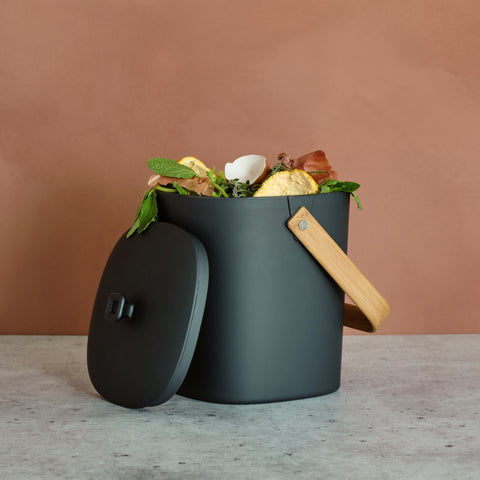
Compost bins come in different materials like plastic, stainless steel, and ceramic. Each has benefits for kitchen use.
Choose a size that fits your kitchen space and waste amount. Small bins suit small families, larger ones fit bigger households.
- Plastic:Lightweight and easy to clean
- Stainless Steel:Durable and resists stains
- Ceramic:Stylish but heavier
- Size options:1 to 5 gallons for kitchens
Benefits Of Filtered Bins
Filtered compost bins reduce bad smells by trapping odors inside. The filters help keep your kitchen air fresh.
Using a filter also stops fruit flies and insects from gathering around the bin. This keeps your compost area cleaner.
- Controls odors with charcoal or carbon filters
- Prevents bugs and fruit flies
- Makes composting indoors more pleasant
- Easy to replace filters for long use
Setting Up Your Compost Bin
Setting up your kitchen compost bin correctly helps reduce waste and odor. It also makes composting easier and cleaner.
This guide covers choosing the best place for your bin and installing the filter to keep smells away.
Selecting The Perfect Spot
Pick a location that is easy to reach and stays dry. Avoid spots that get too hot or too cold.
- Place the bin near your kitchen for quick access.
- Choose a shaded area to slow down decomposition.
- Keep it away from direct sunlight to prevent drying out.
- Make sure the spot has good air flow to reduce odors.
- Avoid placing it near vents or windows to prevent smell issues inside.
Installing The Filter
The filter helps control smells from your compost bin. It usually sits on top or inside the lid.
| Filter Type | How to Install |
| Charcoal Filter | Place inside the lid slot or attach with adhesive strips. |
| Activated Carbon Filter | Insert into the filter compartment and secure tightly. |
| Replaceable Filter | Remove old filter and snap in the new one as shown in instructions. |
Check the filter every few weeks and replace it if the smell returns. Proper filter use keeps your kitchen fresh.
What To Compost Indoors
Using a kitchen compost bin with a filter helps reduce smells. It lets you compost food scraps inside your home. You can turn many kitchen wastes into rich soil.
Knowing what to compost indoors keeps your bin clean and odor-free. It also helps the compost break down faster. Let’s look at safe scraps and items to avoid.
Safe Kitchen Scraps
You can compost many types of kitchen scraps. These scraps break down well and do not cause bad smells. They help create healthy compost for your garden.
- Vegetable peels and scraps
- Fruit cores and skins
- Used coffee grounds and filters
- Tea bags (without plastic)
- Eggshells, crushed
- Nut shells (except walnut shells)
- Shredded paper and cardboard
- Cooked rice and pasta in small amounts
Items To Avoid
Some items can cause bad smells or attract pests. Avoid these to keep your kitchen compost bin clean. They can also slow composting or cause harm.
- Meat, fish, and bones
- Dairy products like cheese and milk
- Oils and greasy foods
- Large amounts of cooked food
- Pet waste or litter
- Diseased plants or weeds with seeds
- Plastic, metal, or glass
- Walnut shells and citrus peels in large amounts
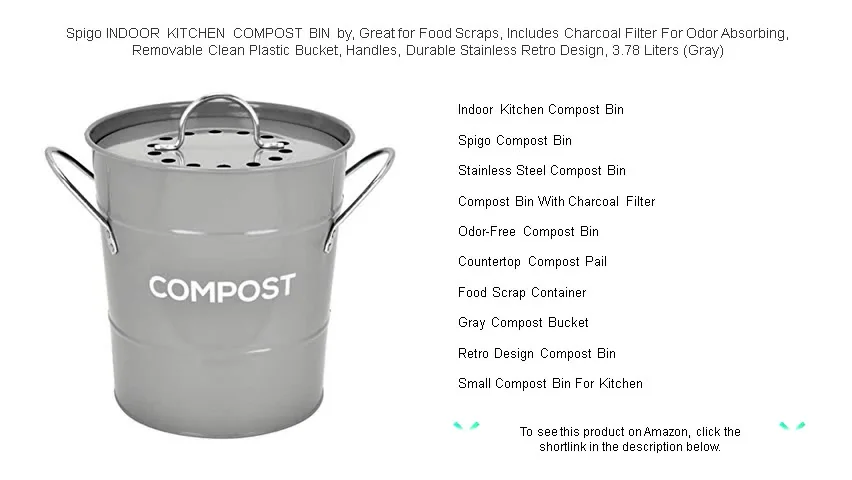
Credit: soilssolutions.com
Maintaining Odor Control
Kitchen compost bins can create bad smells if not cared for. Using a compost bin with a filter helps keep odors low.
Filters trap smells and improve air quality around your compost bin. Proper care of the filter is key to odor control.
Replacing And Cleaning Filters
Filters in kitchen compost bins work best when clean. Replace them regularly to keep odors away.
Check the filter every few weeks. If it looks dirty or smells strong, it’s time to replace it.
- Remove the old filter carefully
- Clean the filter area with mild soap and water
- Dry the area before adding a new filter
- Install the new filter according to the bin’s instructions
Proper Ventilation Tips
Good airflow helps reduce smells in your compost bin. Keep the bin in a well-ventilated spot.
Do not overfill the bin. Leave some space for air to move inside.
- Place the bin away from direct sunlight
- Open the lid occasionally to let fresh air in
- Keep the bin dry by adding dry materials like paper
- Use a compost bin with built-in vents or holes for airflow
Emptying And Cleaning The Bin
Keeping your kitchen compost bin clean helps reduce odors and pests. Emptying the bin regularly keeps compost fresh and manageable.
This guide explains when to empty the bin and how to clean it properly for best results.
When To Empty
Empty your compost bin before it becomes too full or starts to smell. A well-timed emptying prevents mess and keeps compost healthy.
- Empty the bin every 1 to 2 weeks.
- Check the filter for odors; replace if necessary.
- When compost looks wet or slimy, empty it sooner.
- Empty before adding large amounts of new waste.
Cleaning Techniques
Regular cleaning stops bacteria and mold from growing. Use safe methods to clean without harming the bin or the environment.
| Cleaning Step | Description |
| Remove Compost | Take out all compost material before cleaning. |
| Wash Bin | Use warm water and mild soap to scrub the inside and outside. |
| Rinse Thoroughly | Rinse with clean water to remove soap residue. |
| Dry Completely | Leave the bin open to air dry to prevent mold. |
| Replace Filter | Insert a new filter to control odors and moisture. |

Credit: www.amazon.com
Troubleshooting Common Issues
Using a kitchen compost bin with a filter helps reduce odors and pests. Sometimes, you might face problems like bad smells or bugs. This guide helps you fix these issues easily.
Knowing how to handle these problems keeps your compost bin clean and fresh. Follow simple tips to enjoy composting without worries.
Dealing With Persistent Odors
Bad smells come from too much moisture or wrong food scraps. Your bin’s filter helps, but you can do more to stop odors.
Keep your compost dry and add enough air. Avoid putting meat, dairy, or oily foods inside the bin.
- Empty the bin regularly to avoid buildup
- Add dry materials like shredded paper or leaves
- Clean the bin and replace the filter often
- Store the bin in a cool, ventilated place
Preventing Pest Problems
Pests like fruit flies or ants come from uncovered scraps or leaks. A good filter blocks smells that attract bugs.
Seal the bin well and avoid putting too much food in at once. Check the filter and replace it if damaged.
- Use a bin with a tight-fitting lid
- Keep the bin clean and dry
- Avoid adding sugary or sticky foods
- Remove any spilled food around the bin
- Replace the filter regularly to keep pests away
Maximizing Composting Benefits
Using a kitchen compost bin with a filter helps keep your space clean and odor-free. It also speeds up the composting process by controlling moisture and air flow.
To get the most from your compost bin, follow easy steps that help break down food scraps faster and use the finished compost well in your garden.
Tips For Faster Decomposition
Faster decomposition means you get rich compost sooner. To help this process, keep your bin balanced with the right mix of materials and maintain good airflow.
- Chop food scraps into small pieces before adding them.
- Mix green materials like fruit and vegetable scraps with brown materials such as dry leaves or paper.
- Turn or stir the compost regularly to add air and speed up breakdown.
- Keep the compost moist but not too wet; it should feel like a damp sponge.
- Use the filter in your kitchen bin to reduce odors and keep flies away.
Using Finished Compost
Finished compost is dark, crumbly, and smells like fresh earth. Use it to improve your soil and help plants grow strong.
| Use | Benefit |
| Mix with garden soil | Improves soil texture and nutrients |
| Top dress flower beds | Retains moisture and adds nutrients |
| Use in potted plants | Helps roots grow and retain water |
| Make compost tea | Feeds plants with liquid nutrients |
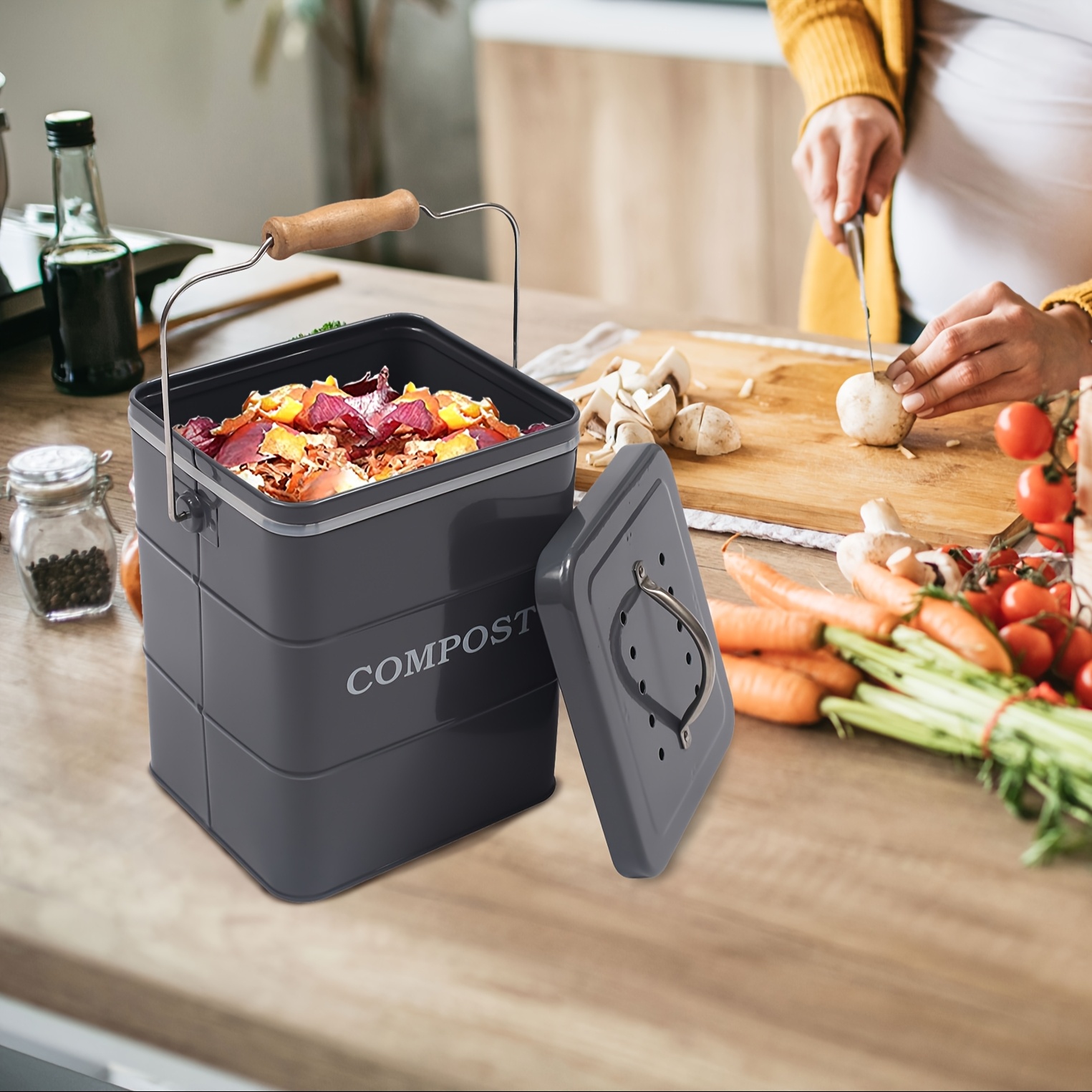
Credit: www.temu.com
Frequently Asked Questions
What Is A Kitchen Compost Bin With Filter?
A kitchen compost bin with filter is a container for food scraps. It includes an odor-absorbing filter to reduce smells. This helps keep your kitchen fresh and clean while composting daily waste.
How Do I Use A Kitchen Compost Bin Properly?
Place food scraps inside the bin, avoiding meat and dairy. Replace the filter regularly to control odors. Empty the bin into an outdoor compost pile or facility when full.
Why Is The Filter Important In Compost Bins?
The filter absorbs and neutralizes unpleasant odors from decomposing food. It keeps your kitchen smelling fresh and encourages consistent composting. Without a filter, bins can develop strong, unwanted smells.
How Often Should I Change The Compost Bin Filter?
Change the filter every 2 to 4 weeks, depending on use. Frequent changing prevents odor build-up and keeps the bin effective. Check the manufacturer’s instructions for best results.
Conclusion
Using a kitchen compost bin with a filter is simple and effective. It reduces waste and enriches your garden soil naturally. Place kitchen scraps in the bin daily. The filter helps control odors, keeping your kitchen fresh. Choose a bin that fits your kitchen space.
Empty the bin into a larger compost pile or garden regularly. This habit benefits the environment and your garden. Composting is a great way to recycle and nourish plants. Start today for a greener tomorrow. It's easy, rewarding, and makes a positive impact.