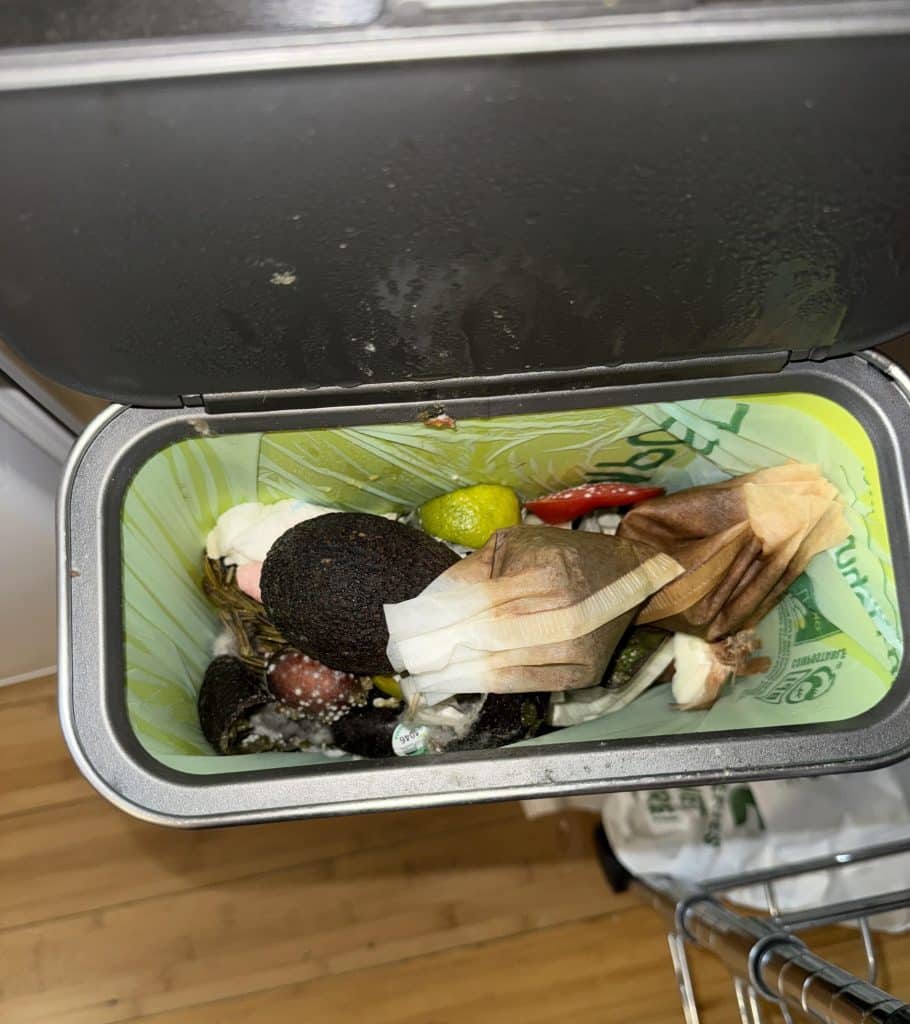
Is your kitchen compost bin giving off an unpleasant odor that makes you want to avoid it altogether? You’re not alone.
Many people experience this smelly dilemma, but don’t worry—there are simple solutions to keep your compost bin fresh and stink-free. Imagine walking into your kitchen and not being greeted by unwanted smells, but rather by the satisfaction of contributing to a greener planet.
Sounds good, right? We’ll show you how to stop your kitchen compost bin from smelling, so you can enjoy a cleaner, more pleasant kitchen environment. Keep reading to discover easy tips that will transform your composting experience and make your kitchen a more inviting space.
Causes Of Kitchen Compost Odors
Kitchen compost bins can start to smell if certain things happen. Bad odors come from materials inside the bin or how the bin is cared for.
Understanding the causes helps keep your compost bin fresh and odor-free. Below are common reasons why your compost bin might smell.
Common Smelly Ingredients
Some food scraps cause strong smells in compost bins. These ingredients break down faster and release odors.
- Meat and fish scraps
- Dairy products like cheese and milk
- Oily or greasy food waste
- Citrus peels in large amounts
- Onion and garlic pieces
- Cooked foods with sauces
Bin Maintenance Issues
How you care for your compost bin affects odor levels. Poor maintenance leads to bad smells and slower decomposition.
| Maintenance Problem | Effect on Odor |
| Not emptying bin often | Waste builds up and smells strong |
| Lack of airflow | Rotting waste causes foul odor |
| Too much wet waste | Creates slimy, smelly mess |
| Not cleaning bin | Old residue causes ongoing smell |
Environmental Factors
Outside conditions can change how your compost smells. Temperature, moisture, and placement all play a role.
- Warm weather:Speeds up decay and odors.
- High humidity:Makes bin wet and smelly.
- Direct sunlight:Can dry out waste, slowing composting.
- Poor bin location:Traps smells in closed spaces.

Credit: bexcodeservices.com
Choosing The Right Compost Bin
Picking the right compost bin helps keep your kitchen fresh. A good bin stops bad smells from spreading.
Look at the bin’s material, size, and design. These features affect how well it controls odor.
Material And Design Options
Compost bins come in many materials like plastic, metal, and ceramic. Each affects smell control differently.
Metal bins are sturdy and easy to clean. Plastic bins are lightweight but may hold smells more.
- Ceramic bins often have tight lids to block odors
- Plastic bins may include charcoal filters to reduce smell
- Metal bins resist stains and are durable
Size And Ventilation
Choose a bin size that fits your kitchen and waste amount. Too small means frequent emptying.
Good ventilation stops moisture build-up, which causes bad smells. Look for bins with air holes or vents.
- Smaller bins fit under sinks
- Larger bins hold more waste but need space
- Ventilation helps dry waste and reduce odor
Sealed Vs. Open Bins
Sealed bins keep odors inside but need good filters. They are best for indoor use.
Open bins allow air flow but may let smells escape. They work well in outdoor or well-ventilated areas.
- Sealed bins reduce smell with tight lids and filters
- Open bins dry out compost faster
- Choose sealed bins for indoor kitchens
Daily Habits To Reduce Odors
Kitchen compost bins can start to smell if not cared for daily. Small habits help keep bad smells away.
Following simple steps keeps your compost fresh and your kitchen clean. These habits stop odors from building up.
Layering Green And Brown Materials
Layering green and brown materials helps balance moisture and air flow. This reduces smells caused by wet waste.
Green materials are fresh food scraps. Brown materials are dry items like paper or leaves. Mixing them stops rot.
- Start with a layer of brown materials at the bottom
- Add a layer of green food scraps on top
- Repeat layers to keep balance
- Finish with a dry brown layer to cover scraps
Avoiding Overfilling
Do not fill your compost bin too full. Overfilling blocks air flow and traps smells inside.
Empty your compost bin often. This keeps waste fresh and stops bad odors from growing.
- Check the bin daily for fullness
- Empty small amounts more often
- Use multiple bins if needed
- Keep the lid closed tightly
Proper Food Waste Preparation
Prepare food waste before adding it to the bin. Smaller pieces break down faster and smell less.
Dry or drain wet scraps to reduce excess moisture. Too much moisture causes bad odors in the bin.
- Chop large scraps into small pieces
- Drain liquids from food waste
- Avoid adding oily or cooked foods
- Wrap strong-smelling items in paper
Effective Cleaning Techniques
Kitchen compost bins can start to smell if not cleaned properly. Keeping them clean helps reduce odors and keeps your kitchen fresh.
Using simple cleaning methods can stop bad smells from growing. These techniques are easy to follow and use natural ingredients.
Regular Washing
Wash your compost bin every few days to stop smells. Use warm water and mild soap to clean the inside and outside.
After washing, dry the bin completely. This stops mold and bacteria from growing and causing odors.
Using Natural Deodorizers
Natural deodorizers can reduce smells without harsh chemicals. Baking soda and activated charcoal work well in compost bins.
- Sprinkle baking soda at the bottom of the bin.
- Place a small bag of activated charcoal inside.
- Use dry leaves or shredded paper to absorb moisture.
These items help soak up bad smells and keep the air fresh around the bin.
Deep Cleaning Schedule
Deep clean your compost bin once a month. This removes buildup that regular washing might miss.
- Empty the bin completely.
- Soak it in a mixture of vinegar and water for 30 minutes.
- Scrub all surfaces with a brush to remove stuck debris.
- Rinse well and dry in the sun if possible.
Following this schedule keeps your bin clean and stops strong odors from forming.
Odor Absorbers And Fresheners
Kitchen compost bins can smell bad if not cared for properly. Using odor absorbers and fresheners helps keep smells away. These items are easy to use and safe for your home.
Here are some natural and simple ways to stop your compost bin from smelling. Try these tips to keep your kitchen fresh.
Baking Soda And Charcoal
Baking soda and charcoal are excellent at absorbing bad smells. They neutralize odors instead of just covering them. Place a small container of baking soda or charcoal inside your compost bin to reduce smells.
- Sprinkle baking soda on top of compost layers every few days.
- Use activated charcoal in a breathable bag inside the bin.
- Replace charcoal every month for best results.
- Both are non-toxic and safe around food waste.
Coffee Grounds
Used coffee grounds help absorb odors and add nitrogen to compost. They also discourage pests and keep the bin fresh. Add a handful of dry coffee grounds to your compost regularly.
| Benefits | How to Use |
| Absorbs odors | Sprinkle dry grounds on top of compost |
| Adds nutrients | Mix coffee grounds into compost layers |
| Repels pests | Keep grounds dry to avoid mold |
Essential Oils
Essential oils add a fresh scent and fight bacteria in your compost bin. Choose oils like lemon, lavender, or tea tree for best results. Use a few drops on a cotton ball or small cloth and place it inside the bin.
- Lemon – fresh and clean scent
- Lavender – calming and natural
- Tea Tree – antibacterial properties
Replace the cotton ball weekly to keep the scent strong.
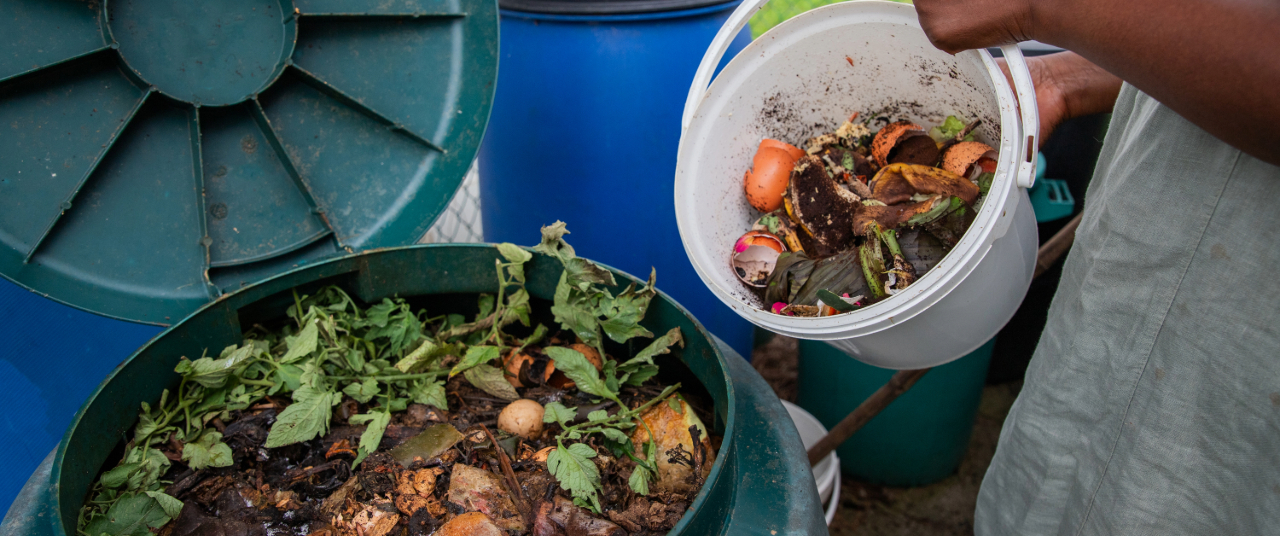
Credit: gfm.akshayakalpa.org
Troubleshooting Persistent Smells
Kitchen compost bins can sometimes develop bad smells. These smells can be hard to remove if the problem is not fixed.
Knowing how to find and solve the cause of the smell helps keep your compost fresh and clean.
Identifying Problem Sources
Bad smells often come from too much moisture or wrong materials in the bin. Food scraps that are wet or oily can cause odors.
Also, not turning the compost enough can trap gases and cause smells. Check if the bin has standing water or slimy layers.
- Too many wet food scraps like fruit peels or coffee grounds
- Not enough dry materials like paper or leaves
- Compost not mixed or turned regularly
- Standing water or slimy layers in the bin
Adjusting Compost Mix
Balance wet and dry materials to reduce smells. Add dry items such as shredded paper or dry leaves to soak up moisture.
Turn your compost often to add air. This helps break down materials and stops bad odors from building up.
- Add dry brown materials to absorb moisture
- Mix compost every few days to add air
- Keep food scraps in small pieces for faster breakdown
- Avoid adding oily or meat scraps that smell easily
When To Replace The Bin
Sometimes the compost bin itself causes smells. Old bins with cracks or stains can hold odors inside.
Replace your bin if cleaning does not remove the smell or if the bin is damaged. A new bin can keep your kitchen fresh.
- Bin has cracks or holes that trap smells
- Strong odors remain after thorough cleaning
- Bin material is worn out or stained permanently
- New bin design offers better airflow and odor control
Storing Compost Outside
Keeping your kitchen compost bin outside can stop bad smells inside your home. Outdoor storage helps air flow and reduces odors.
This way, you keep your kitchen fresh and still recycle food waste easily.
Benefits Of Outdoor Storage
Storing compost outside lets air flow around the bin. This helps break down waste and stops smells from building up.
It also keeps insects and pests away from your kitchen. The smell stays outside, making your home more pleasant.
- Better air circulation speeds composting
- Reduces strong odors indoors
- Keeps pests outside the house
Safe And Convenient Placement
Put your compost bin in a shaded, cool spot outside. This slows down decay and limits bad smells.
Place the bin on a stable surface and near your kitchen door. This makes it easy to add scraps and empty the bin.
- Avoid direct sunlight to prevent overheating
- Keep away from outdoor dining or play areas
- Near kitchen for quick access
Seasonal Considerations
In hot weather, compost breaks down faster but may smell more. Add dry materials like leaves to balance moisture.
In cold weather, compost slows down. You may need to turn it less often and keep it covered to keep heat inside.
- Summer: Add dry brown materials to reduce smell
- Winter: Cover bin to retain heat
- Spring and Fall: Turn compost regularly
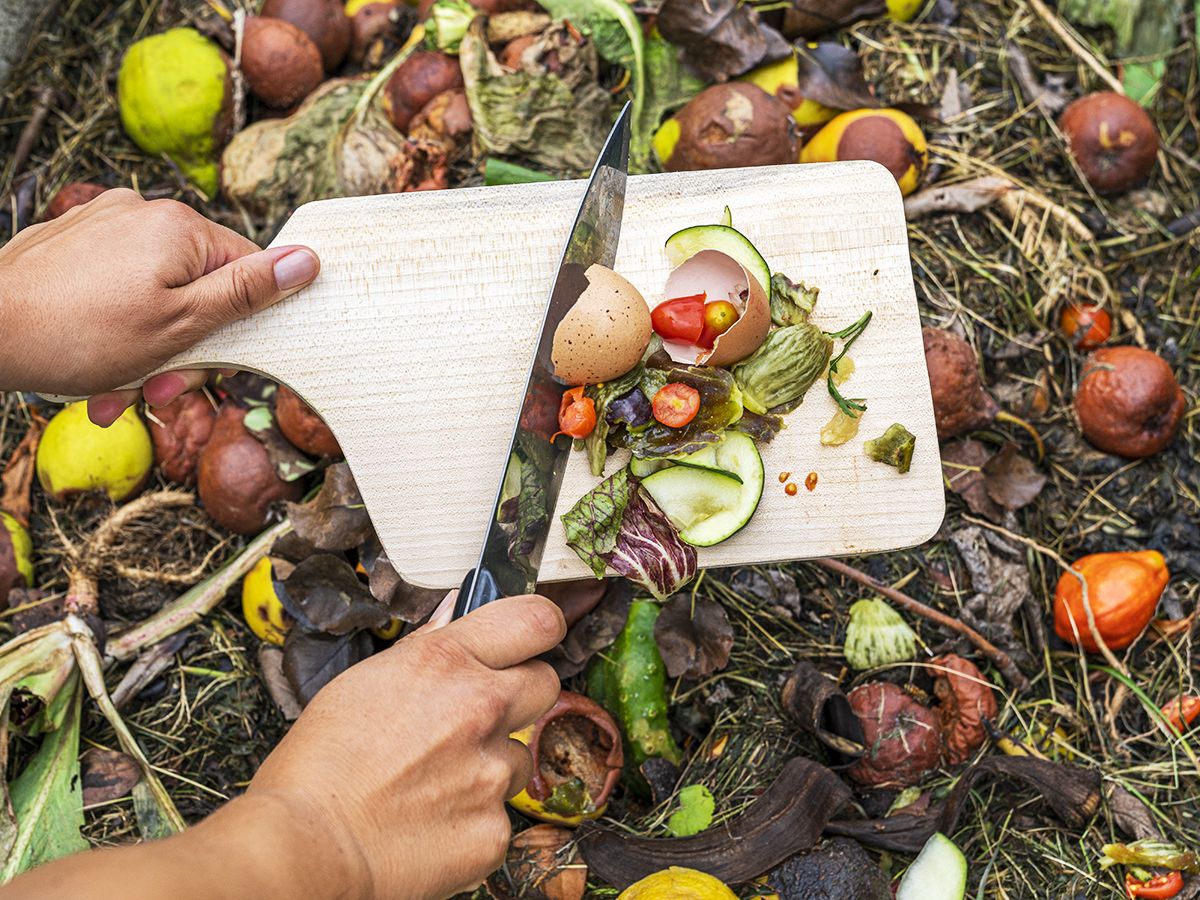
Credit: www.gardeningknowhow.com
Frequently Asked Questions
How Can I Prevent Odors In My Kitchen Compost Bin?
To prevent odors, regularly empty your bin and avoid adding meat or dairy. Use baking soda or charcoal to absorb smells.
What Materials Cause Kitchen Compost Bins To Smell?
Foods like meat, dairy, and oily scraps cause bad smells. Avoid these to keep your compost bin fresh and odor-free.
How Often Should I Clean My Kitchen Compost Bin?
Clean your compost bin weekly with mild soap and water. This helps remove residue and prevents odor buildup effectively.
Can Adding Dry Materials Reduce Compost Bin Odors?
Yes, adding dry leaves, paper, or cardboard balances moisture and controls odors in your kitchen compost bin.
Conclusion
Keeping your kitchen compost bin fresh is easy with simple steps. Regular cleaning stops bad smells fast. Using dry materials like paper helps balance moisture well. Always cover food scraps to cut odors. Place the bin in a cool, airy spot for best results.
Small changes make a big difference in smell control. Enjoy a cleaner kitchen and healthier compost. Start these habits today for a fresh, odor-free bin tomorrow.