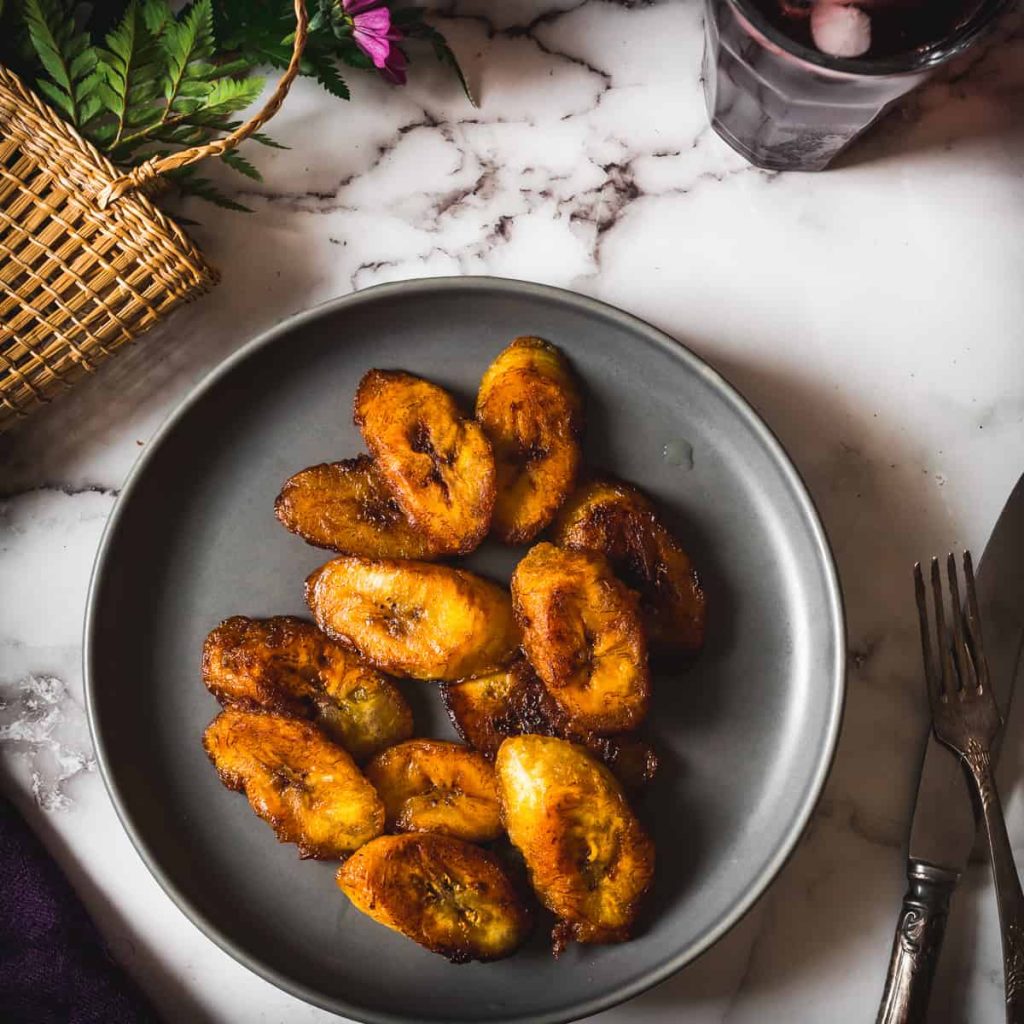
How to Pan Fry Plantains? Imagine the sizzle of ripe plantains hitting a hot pan, the sweet aroma filling your kitchen. Pan frying plantains is an art, a delicious one at that, and you’re about to master it.
Whether you’re looking to spice up your dinner menu or add a touch of tropical flair to your meals, learning how to pan fry plantains is a skill you’ll cherish. These golden slices are not just a side dish; they’re a gateway to mouthwatering flavors that will leave your taste buds craving more.
Ready to discover the secret to perfect plantains every time? Let’s dive into the process that will transform your cooking game.
Choosing The Right Plantains
Plantains are a tasty treat when pan-fried. Picking the right plantains helps you cook better dishes. The freshness and ripeness affect the flavor and texture.
Learn how to choose plantains that suit your recipe. This guide shows the differences and what to look for in fresh plantains.
Green Vs Ripe Plantains
Green plantains are firm and starchy. They taste mild and are less sweet. Ripe plantains have black or yellow skins. They taste sweeter and are softer.
Use green plantains for savory dishes. Ripe plantains are best for sweet recipes. The cooking time changes with the ripeness.
- Green plantains: firm, starchy, less sweet
- Ripe plantains: soft, sweet, darker skin
- Green plantains need longer cooking time
- Ripe plantains cook faster and caramelize
Selecting Fresh Plantains
Fresh plantains should have smooth, unbroken skin. Avoid plantains with bruises or soft spots. The peel color shows ripeness but not freshness.
Check the plantain’s weight. It should feel heavy and firm in your hand. Fresh plantains have a strong, sweet smell but no bad odors.
- Skin should be smooth and unbroken
- Avoid bruises or soft spots
- Plantains should feel heavy and firm
- Smell should be fresh and sweet
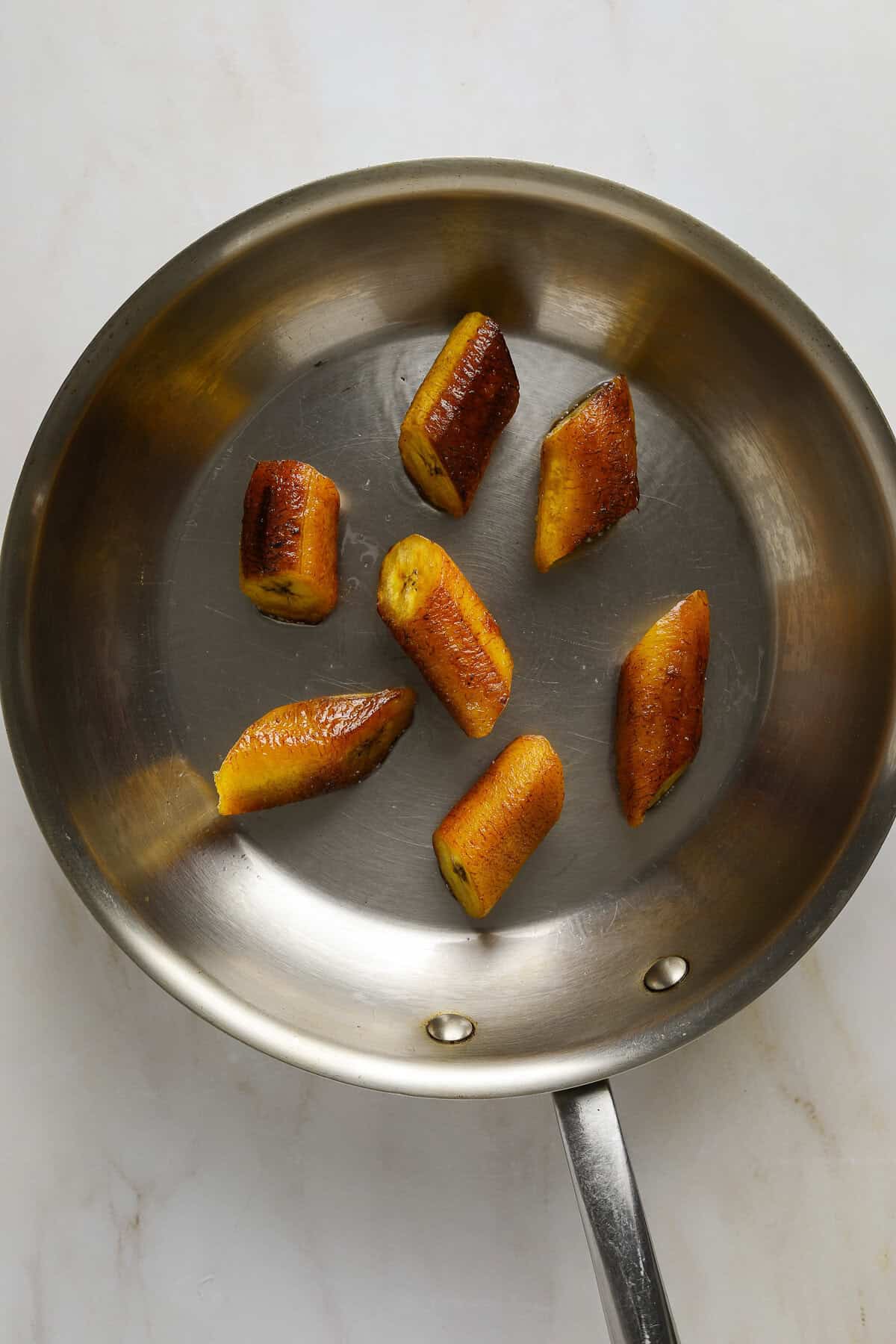
Credit: cravingcalifornia.com
Preparing Plantains For Frying
Plantains are a tasty snack or side dish. To pan fry them well, you need to prepare them carefully. Good preparation helps the plantains cook evenly and taste great.
This guide shows how to peel and slice plantains for frying. Follow these simple steps for the best results.
Peeling Techniques
Peeling plantains is different from peeling bananas. Plantains have a thicker skin that is harder to remove. It is important to peel them correctly to avoid waste.
Start by cutting off both ends of the plantain. Then make a few shallow cuts along the length of the skin. Use your fingers to pull the skin away from the fruit. If the plantain is ripe, the skin will come off easily.
- Cut off both ends of the plantain
- Make shallow lengthwise cuts in the skin
- Peel the skin away using your fingers
- Use a knife if the skin is hard to remove
Slicing Methods
How you slice plantains changes how they cook and taste. You can slice them thin or thick depending on your recipe. The shape also matters for frying.
Common slicing methods include diagonal slices, round slices, and lengthwise strips. Diagonal slices cook evenly and look nice. Round slices are classic for many dishes. Strips are good for chips or fries.
- Diagonal slices: cut at an angle for bigger pieces
- Round slices: cut straight across for classic rounds
- Lengthwise strips: cut along the length for fries
- Keep slices about ¼ inch thick for frying
Essential Ingredients And Tools
Pan frying plantains is a simple way to enjoy this tasty fruit. You need just a few ingredients and the right tools.
This guide covers the best oils for frying and the kitchen tools you should use for the best results.
Best Oils For Frying
Choosing the right oil is important for good flavor and even cooking. Use oils with a high smoke point.
Oils that do not burn quickly help keep plantains crisp and tasty.
- Vegetable oil – affordable and neutral in taste
- Canola oil – light flavor, good for frying
- Peanut oil – adds a slight nutty flavor and handles heat well
- Coconut oil – gives a mild coconut taste and fries evenly
Recommended Kitchen Tools
Using the right tools makes pan frying easier and safer. You will need tools for cutting and cooking.
Good tools help you fry plantains evenly and remove them safely from the hot oil.
- A sharp knife or vegetable peeler to slice plantains
- A sturdy frying pan or skillet with a heavy bottom
- A spatula or tongs for flipping the plantains
- Paper towels to drain excess oil
- A thermometer to check oil temperature (optional)

Credit: daddysnom.com
Step-by-step Pan Frying Process
Pan frying plantains is a simple way to make a tasty snack or side dish. The process needs careful attention to oil, heat, and timing.
This guide explains each step to get golden, crispy plantains that are cooked evenly on both sides.
Heating The Oil
Use a frying pan and add enough oil to cover the bottom. Heat the oil on medium heat until it is hot but not smoking.
- Choose a neutral oil with a high smoke point, like vegetable or canola oil.
- Heat the oil for about 3 to 5 minutes.
- Test the temperature by dropping a small plantain piece; it should sizzle gently.
Frying Time And Temperature
Keep the oil temperature steady between 320°F and 350°F (160°C to 175°C). Frying too hot can burn plantains quickly.
| Temperature Range | Frying Time Per Side |
| 320°F – 350°F (160°C – 175°C) | 2 to 3 minutes |
| Above 350°F (175°C) | Less than 2 minutes, burns easily |
| Below 320°F (160°C) | More than 3 minutes, soggy texture |
Turning And Cooking Evenly
Turn the plantains gently with tongs or a spatula to cook both sides evenly. Avoid overcrowding the pan to keep the oil temperature steady.
- Fry plantains in small batches.
- Turn each piece once after 2 to 3 minutes.
- Cook until both sides are golden brown.
- Remove and drain excess oil on paper towels.
Tips For Achieving Crispiness
Pan frying plantains can create a delicious, crispy treat. The key is to cook them right for the perfect crunch.
These tips will help you avoid soggy plantains and get the oil temperature just right.
Avoiding Soggy Plantains
Soggy plantains happen when they hold too much moisture. Dry the slices well before cooking.
Cut plantains evenly for uniform cooking. Thinner slices get crispier faster.
- Pat slices dry with paper towels
- Use ripe but firm plantains
- Cook in small batches to avoid crowding
Using The Right Oil Temperature
Heat the oil to about 350°F (175°C) before adding plantains. Too low oil makes them greasy.
Keep the temperature steady to cook plantains evenly. Use a thermometer for accuracy.
- Use oils with a high smoke point like vegetable or peanut oil
- Test oil by dropping one slice; it should sizzle immediately
- Adjust heat if plantains brown too fast or slow
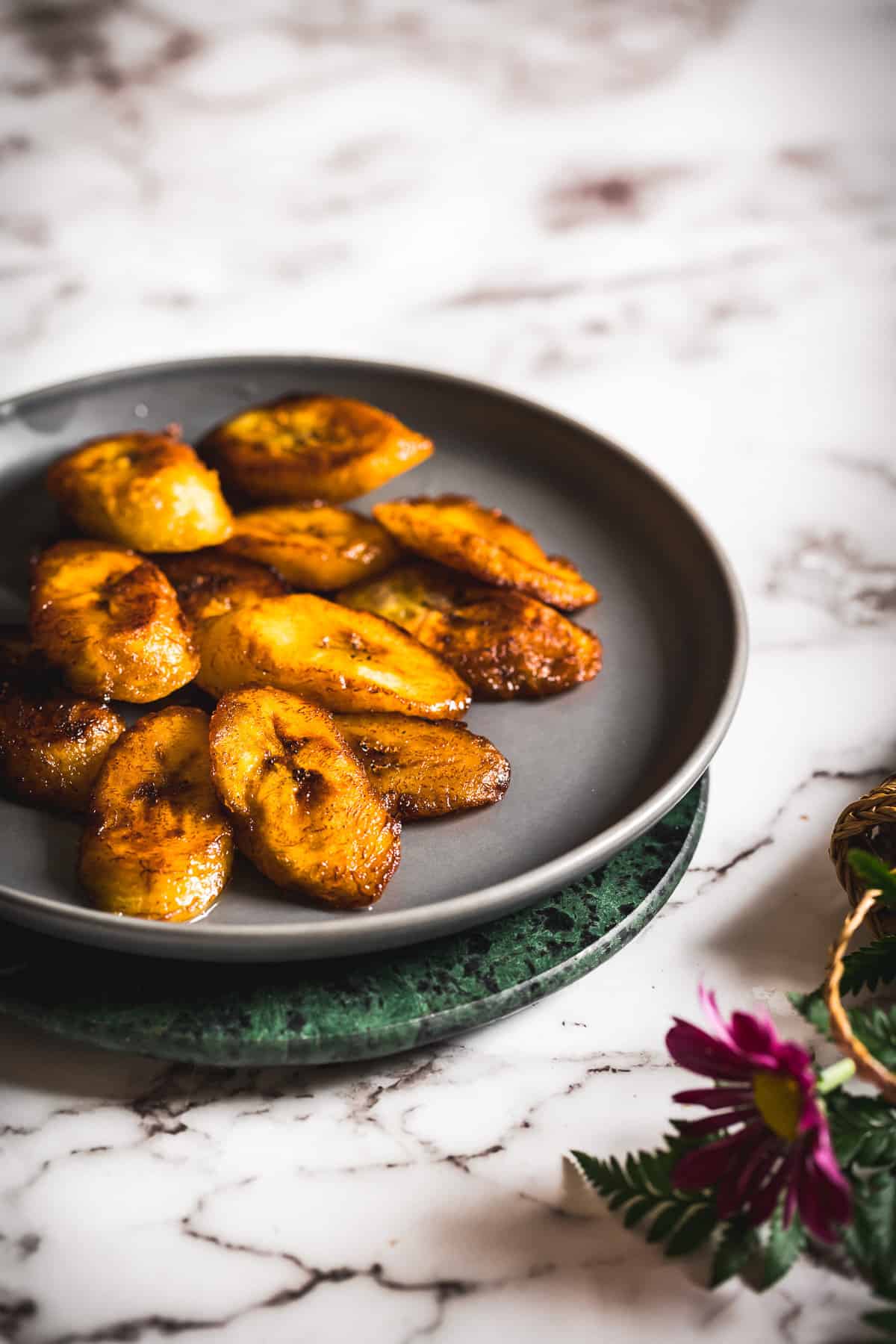
Credit: immigrantstable.com
Serving Suggestions
Pan-fried plantains make a tasty side dish or snack. Their sweet and soft texture pairs well with many foods.
You can serve them plain or add flavors with different seasonings. They also go well with various main dishes.
Seasoning Ideas
Adding simple seasonings can enhance your pan-fried plantains. You can try sweet, spicy, or savory options.
- Cinnamon and sugar for a sweet touch
- Salt and pepper for a classic taste
- Chili powder or cayenne for some heat
- Garlic powder and smoked paprika for smoky flavor
- A drizzle of honey or maple syrup for extra sweetness
Pairing With Dishes
Pan-fried plantains complement many dishes. Their sweet flavor balances savory or spicy foods well.
- Serve with grilled chicken or pork for a hearty meal
- Pair with rice and beans for a traditional taste
- Add to salads for a sweet crunch
- Use as a side for fish dishes
- Enjoy with eggs and avocado for breakfast
Common Mistakes To Avoid
Pan frying plantains is easy but some errors can spoil the dish. Avoiding these mistakes will help you get the best flavor and texture. Read on to learn what to watch for.
Two common mistakes are overcrowding the pan and using the wrong ripeness of plantains. Both affect how well the plantains cook and taste.
Overcrowding The Pan
Putting too many plantain slices in the pan at once lowers the oil temperature. This causes uneven cooking and soggy plantains.
- Use a pan size that fits your amount of plantains
- Cook in batches if needed
- Leave space between slices for even heat
- Avoid stacking slices on top of each other
Overcrowding also makes it hard to flip plantains evenly. Give each slice enough room to get a golden brown crust.
Using Incorrect Plantain Ripeness
Plantains come in different ripeness stages. Choosing the wrong type changes taste and texture when pan frying.
| Ripeness Stage | Color | Texture | Best Use for Pan Frying |
| Green | Green | Firm, starchy | Not ideal; too hard and bland |
| Yellow | Yellow with some black spots | Softening, sweet | Good for frying; sweet taste |
| Black | Mostly black | Very soft, very sweet | Good for very sweet fried plantains |
Using green plantains results in a tough and bland dish. Ripe yellow or black plantains fry well and taste sweet. Know the stage before cooking.
Frequently Asked Questions
What Type Of Plantains Are Best For Pan Frying?
Ripe yellow plantains with black spots are best. They are sweet and soft, perfect for frying. Green plantains are starchy and need different cooking methods.
How Long Should I Pan Fry Plantains?
Fry each side for about 2-3 minutes. Cook until golden brown and caramelized. Avoid overcooking to prevent bitterness and sogginess.
What Oil Is Best For Pan Frying Plantains?
Use neutral oils with high smoke points like vegetable, canola, or peanut oil. These oils ensure even cooking and a crispy texture.
Should I Season Plantains Before Pan Frying?
Lightly salt plantains before frying enhances flavor. You can also add cinnamon or sugar for a sweet twist. Seasoning depends on your taste preference.
Conclusion
Pan frying plantains brings out their sweet, rich flavor. It’s a quick and easy way to enjoy this tasty fruit. Just slice, heat oil, and fry until golden brown. Serve them as a snack or side dish with your meal.
Experiment with ripeness to find your favorite taste. With practice, you will cook perfect plantains every time. Simple steps, great results. Give it a try today!