How to Pack Kitchen Dishes for Moving: Complete Step-by-Step Guide
Packing up your kitchen dishes for a move might feel like a daunting task. Your favorite plates, delicate glassware, and cherished mugs all need careful handling to ensure they arrive safely at your new home.
If you’ve been wondering How to Pack Kitchen Dishes for Moving, you’re not alone. You might be unsure where to start or how to make sure nothing gets broken along the way. Luckily, there are proven strategies that can help you pack like a pro, minimizing stress and potential damage. Imagine opening your boxes in your new kitchen and finding everything intact, ready to make your new space feel like home.
In this guide, you’ll discover step-by-step instructions and expert tips designed to simplify the process and protect your precious items. Keep reading to unlock the secrets to a successful kitchen move that will save you time, worry, and money.
Gather Packing Supplies
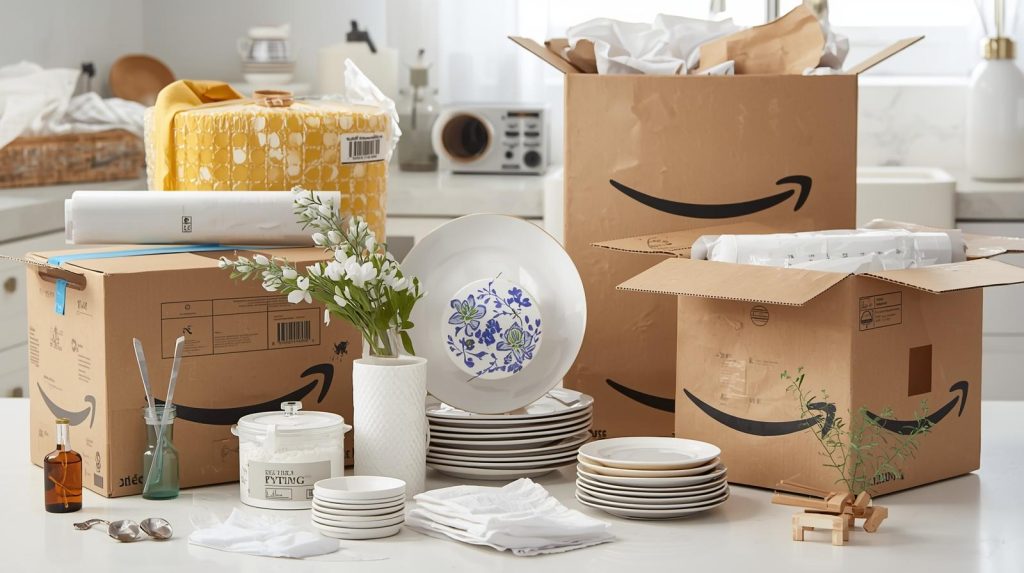
Packing kitchen dishes carefully is important to avoid breakage. You need the right supplies to protect your dishes during the move.
Gather all your packing materials before you start. This will make the process smooth and safe.
Choose The Right Boxes
Use small to medium boxes for dishes. Large boxes can get too heavy and cause damage. Sturdy boxes hold dishes better and prevent crushing.
- Dish pack boxes with dividers are best
- Use double-walled boxes for extra strength
- Avoid old or weak boxes that can tear
- Make sure boxes close tightly to keep dishes secure
Select Protective Materials
Protective materials cushion your dishes and stop them from hitting each other. Use soft and strong materials to reduce risk of cracks.
| Material | Use |
| Bubble wrap | Wrap each dish separately |
| Packing paper | Fill empty spaces in boxes |
| Foam sheets | Layer between plates for extra padding |
| Towels or cloth | Use as extra soft padding |
Get Packing Tape And Markers
Strong packing tape keeps boxes closed during the move. Markers help label boxes so you know what is inside.
- Buy heavy-duty packing tape for sealing
- Use wide tape to secure box flaps firmly
- Permanent markers are best for clear labeling
- Label boxes as “Fragile” and note contents

Credit: www.aleromoving.com
Prepare Dishes For Packing
Packing dishes carefully helps avoid damage during your move. Proper preparation makes unpacking easier and faster.
Follow simple steps to clean, sort, and wrap your kitchen dishes before packing them.
Clean And Dry Thoroughly
Wash all dishes with warm water and soap. Remove leftover food and stains completely.
Dry each dish fully with a clean towel. Moisture can cause mold and damage during the move.
Sort By Size And Fragility
- Group large plates together for easier packing.
- Keep fragile items like glassware separate and cushioned.
- Stack bowls and cups in sets to save space.
- Place heavier items at the bottom of boxes.
- Label groups to find them quickly after moving.
Wrap Each Item Carefully
| Item Type | Best Wrapping Material | Wrapping Tips |
|---|---|---|
| Plates | Bubble wrap or packing paper | Wrap one plate at a time; stack vertically |
| Glasses | Foam sleeves or bubble wrap | Wrap stems and bowls separately |
| Bowls | Packing paper | Place smaller bowls inside larger ones with padding |
| Silverware | Towels or napkins | Bundle sets together and wrap tightly |
Fill gaps inside boxes with soft materials to prevent shifting. Use sturdy boxes that match the weight of the dishes.
Packing Techniques
Packing kitchen dishes for moving needs careful planning. Proper techniques help avoid breakage. Use the right materials and methods.
This guide covers how to layer plates and bowls, secure glassware and cups, and use dividers for safety.
Layering Plates And Bowls
Place a layer of packing paper at the bottom of the box. Wrap each plate or bowl in paper before stacking.
- Wrap each dish separately in packing paper.
- Stack plates vertically like records for less pressure.
- Place bowls upside down to reduce movement.
- Add cushioning between layers using bubble wrap or paper.
- Do not overload boxes to keep weight manageable.
Securing Glassware And Cups
Glass items need extra care to avoid cracks or breaks. Use soft materials to fill empty spaces.
| Item | Wrapping Material | Placement |
| Wine glasses | Bubble wrap | Stand upright with space in between |
| Cups | Packing paper | Stack with paper between each cup |
| Small glass bowls | Foam sheets | Place upside down inside a box with padding |
Using Dividers For Extra Safety
Dividers separate fragile items and stop them from touching. They add layers of protection inside boxes.
Use cardboard dividers to create compartments for glasses and cups. This keeps items from bumping during the move.
Plastic or foam inserts also work well. Secure dividers inside the box before placing dishes.

Credit: www.amazon.ca
Labeling And Organizing Boxes
Packing kitchen dishes needs careful labeling and organizing. This helps keep items safe and easy to find.
Clear labels reduce confusion during unpacking. Organizing boxes by type and room saves time.
Mark Fragile Items Clearly
Write “Fragile” in big letters on boxes with dishes. Use bright markers or stickers for visibility.
Fragile marks tell movers to handle these boxes gently. This lowers the risk of broken dishes.
- Write “Fragile” on all sides of the box
- Use red or bright colored labels
- Add “This Side Up” if needed
- Wrap dishes in bubble wrap or towels
Indicate Room Destination
Write the room name on each box. This helps movers place boxes in the right room.
Use short and clear room names like “Kitchen,” “Dining Room,” or “Garage.”
- Label boxes on top and sides
- Use color codes for each room
- Match labels with your new home layout
- Keep similar items in the same room box
Create An Inventory List
Make a list of all packed boxes and their contents. This helps you track your dishes during the move.
Write down box numbers and what each box holds. Check off boxes as you unpack.
| Box Number | Contents | Room | Fragile |
|---|---|---|---|
| Box 1 | Plates, bowls | Kitchen | Yes |
| Box 2 | Glasses, mugs | Kitchen | Yes |
| Box 3 | Utensils | Kitchen | No |
Loading And Transport Tips
Packing kitchen dishes for moving needs careful planning. Proper loading and transport help keep dishes safe.
This guide covers tips to prevent damage during the move. Follow these steps for safe dish transport.
Place Heavier Boxes At The Bottom
Put heavy boxes on the bottom of the stack. This stops lighter boxes from getting crushed.
Heavy boxes keep the load balanced and stable. It also makes unloading easier and safer.
- Use sturdy boxes for heavy dishes and pots
- Do not stack heavy boxes on fragile items
- Label boxes with weight for easy handling
Avoid Shifting During Transit
Secure boxes to stop them from moving in the truck. Shifting can break dishes and cause accidents.
Fill empty spaces with soft packing materials. This keeps boxes tight and prevents sliding.
- Use bubble wrap or packing paper inside boxes
- Place towels or blankets between boxes
- Use straps or ropes to secure boxes in the truck
Handle With Care Upon Arrival
Unload boxes gently to avoid damage. Take your time and do not drop or throw boxes.
Check boxes for any damage before unpacking. Handle fragile boxes with extra caution.
- Use a dolly or cart for heavy boxes
- Carry fragile boxes with both hands
- Open boxes slowly and carefully
Credit: www.guardianstorage.com
Frequently Asked Questions
How Do I Safely Pack Fragile Kitchen Dishes?
Wrap each dish individually with bubble wrap or packing paper. Use sturdy boxes with cushioning materials to prevent movement. Label boxes as fragile to ensure careful handling during the move.
What Materials Are Best For Packing Kitchen Dishes?
Use bubble wrap, packing paper, sturdy boxes, and packing tape. Cardboard dividers add extra protection. Avoid newspaper to prevent ink stains on your dishes.
How Should I Organize Dishes In Moving Boxes?
Place heavier dishes at the bottom and lighter ones on top. Fill gaps with packing peanuts or crumpled paper to avoid shifting. Pack similar items together to simplify unpacking.
Can I Pack Dishes Without Professional Packing Supplies?
Yes, use household items like towels, blankets, or clothes for cushioning. Wrap dishes carefully to avoid scratches. However, professional supplies provide better protection for fragile items.
Conclusion
Packing kitchen dishes takes care and planning. Wrap each dish with soft materials like bubble wrap or towels. Use sturdy boxes and place heavier items at the bottom. Fill empty spaces with paper or cloth to stop movement. Label boxes clearly to ease unpacking.
Take your time and pack thoughtfully to avoid damage. Safe packing means less stress on moving day. Follow these steps for a smooth kitchen move. Ready to handle your dishes with confidence?