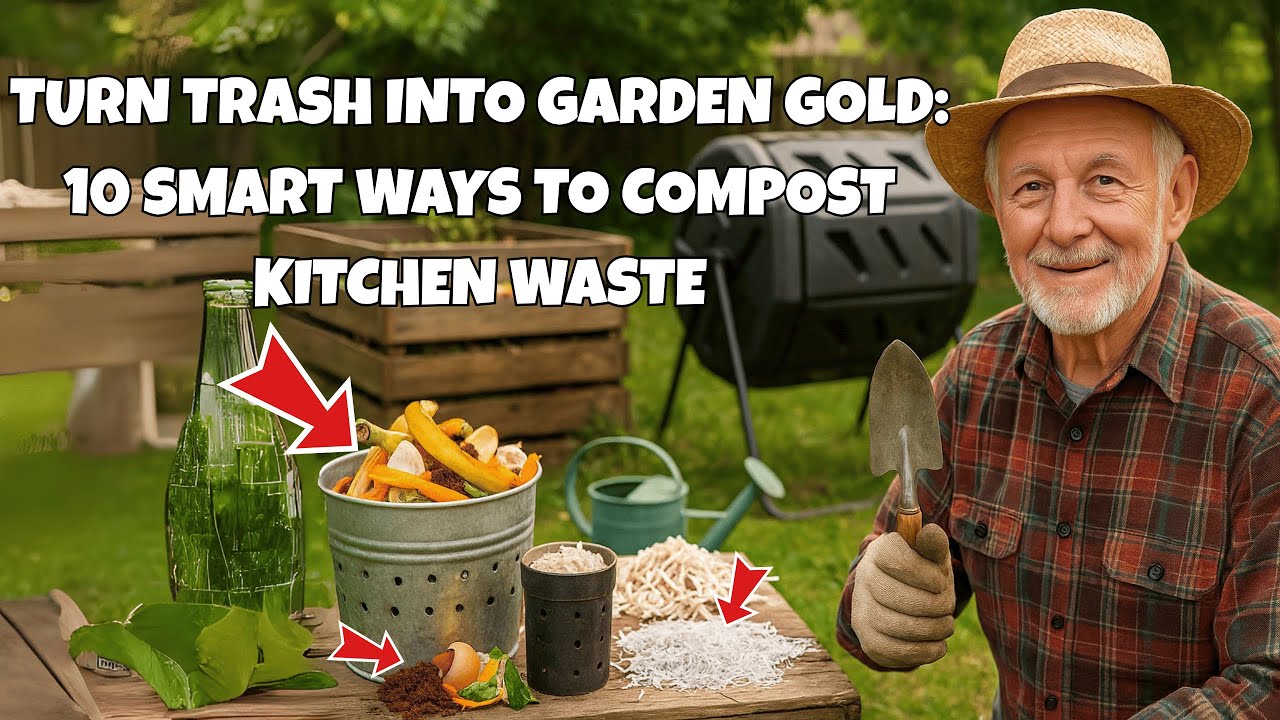
Imagine transforming your everyday kitchen waste into a magical potion that boosts your garden's health and vitality. Sounds intriguing, right?
Compost tea is exactly that—a simple, natural elixir created from organic scraps that can supercharge your plants. If you’ve ever felt overwhelmed by the amount of food waste you generate or wished for a lush, thriving garden, you’re in the right place.
In this guide, you'll discover how easy it is to turn your kitchen leftovers into a powerful, nutrient-rich compost tea. Not only will this eco-friendly practice reduce waste, but it will also give your plants the nutrients they crave. Ready to learn how to make compost tea from kitchen waste and become a garden guru? Let’s dive in!
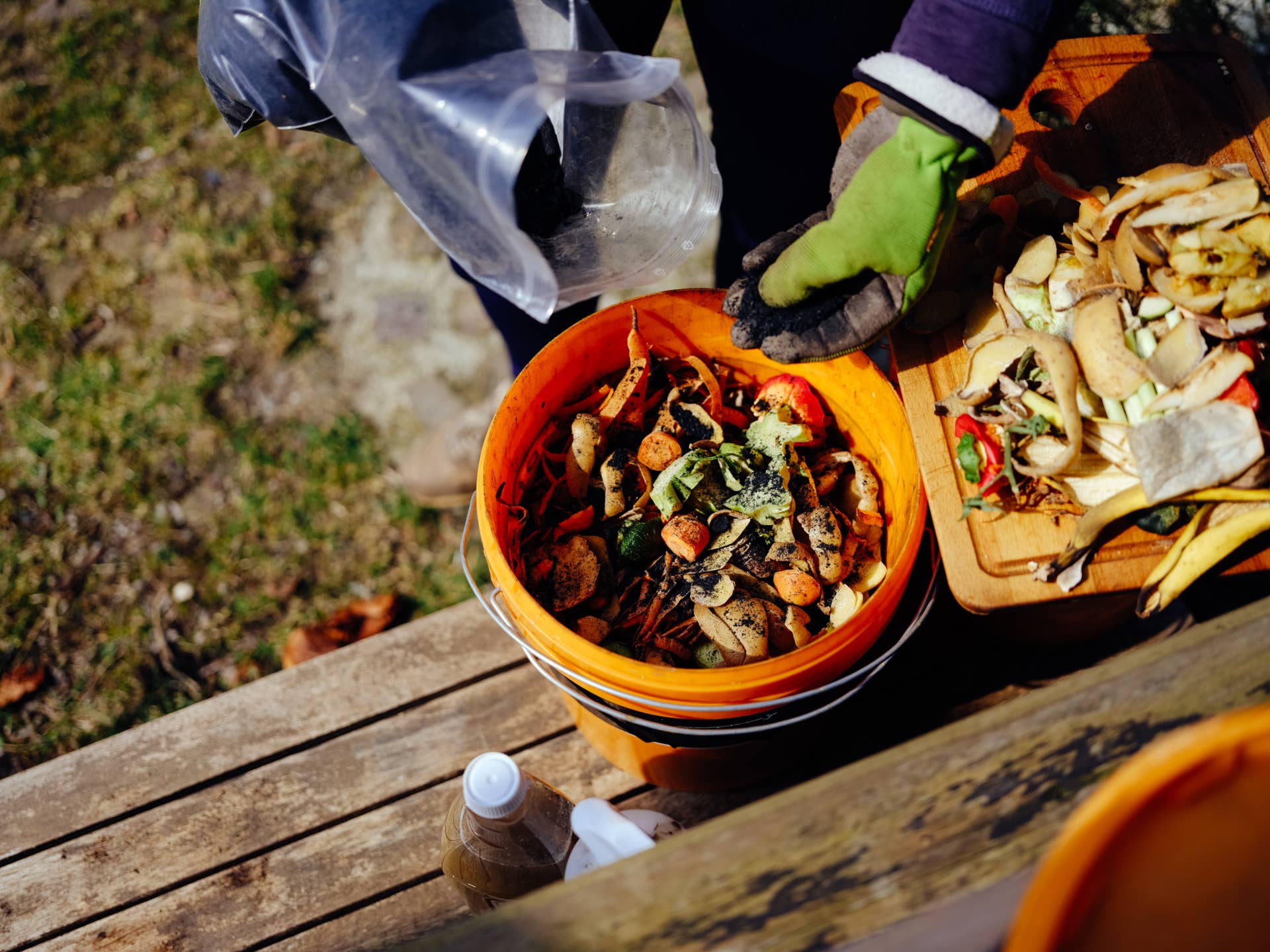
Credit: dengarden.com
Benefits Of Compost Tea
Compost tea is a liquid made by soaking kitchen waste in water. It contains nutrients and helpful microbes. Using compost tea improves your garden in many ways.
This natural fertilizer helps plants grow strong and healthy. It also supports the soil and reduces waste. Let’s explore its benefits.
Boosting Soil Health
Compost tea adds good bacteria and fungi to the soil. These microbes help break down organic matter. They make nutrients easier for plants to use.
- Improves soil structure and texture
- Increases nutrient availability
- Supports beneficial soil organisms
- Helps soil retain moisture
Enhancing Plant Growth
Plants fed with compost tea grow faster and stronger. The tea provides nutrients and protects plants from diseases. It boosts root development and leaf growth.
| Benefit | Effect on Plants |
| Increased nutrients | Better growth and yield |
| Microbial protection | Reduced pests and diseases |
| Root stimulation | Stronger and deeper roots |
| Leaf health | Greener and more vibrant leaves |
Eco-friendly Waste Use
Making compost tea uses kitchen scraps that would be thrown away. This reduces landfill waste and cuts down greenhouse gases. It turns waste into a useful resource.
Benefits of using kitchen waste for compost tea:
- Reduces trash and landfill load
- Lowers carbon footprint
- Promotes recycling in your home
- Supports a healthy garden naturally
Choosing Kitchen Waste
Making compost tea starts with picking the right kitchen waste. The materials you choose affect the tea's quality. Use fresh and healthy scraps for the best results.
Some kitchen waste helps good microbes grow. Others can harm the tea or plants. Learn which ones to use and which to avoid for safe compost tea.
Best Materials For Compost Tea
Use kitchen scraps that add nutrients and help good bacteria grow. These materials make strong and healthy compost tea.
- Vegetable peels like carrot, cucumber, and potato
- Fruit scraps such as apple cores and banana peels
- Used coffee grounds and tea leaves
- Eggshells crushed into small pieces
- Fresh grass clippings and small plant trimmings
- Herbs and spices leftovers
Avoiding Harmful Ingredients
Some kitchen waste can hurt your compost tea or plants. Avoid these to keep your tea safe and healthy.
| Harmful Ingredient | Reason to Avoid |
|---|---|
| Meat and dairy scraps | Attract pests and cause bad smells |
| Oily or greasy food waste | Slow down decomposition and harm microbes |
| Citrus peels | Too acidic, can kill helpful bacteria |
| Onion and garlic skins | Strong chemicals may harm plants |
| Plastic, metal, or non-biodegradable items | Do not break down and pollute the tea |
Preparing Compost Tea
Compost tea is a natural liquid fertilizer made from kitchen waste. It helps plants grow by adding nutrients and good microbes to the soil.
Making compost tea at home is easy and uses materials you already have. This guide shows how to prepare it step-by-step.
Gathering Supplies
Start by collecting the right items for brewing compost tea. Having everything ready makes the process smooth and effective.
- Container: Use a clean bucket or jar with a lid
- Water: Use non-chlorinated water like rainwater or filtered water
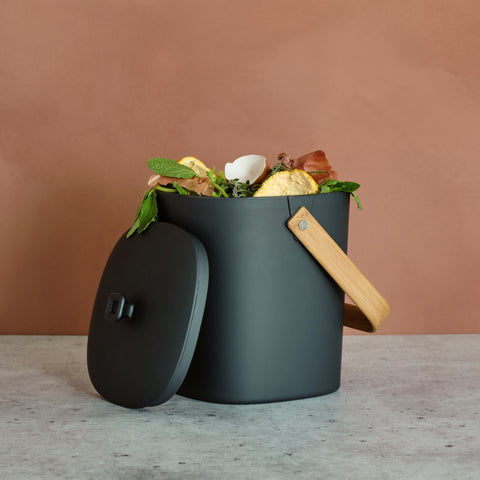
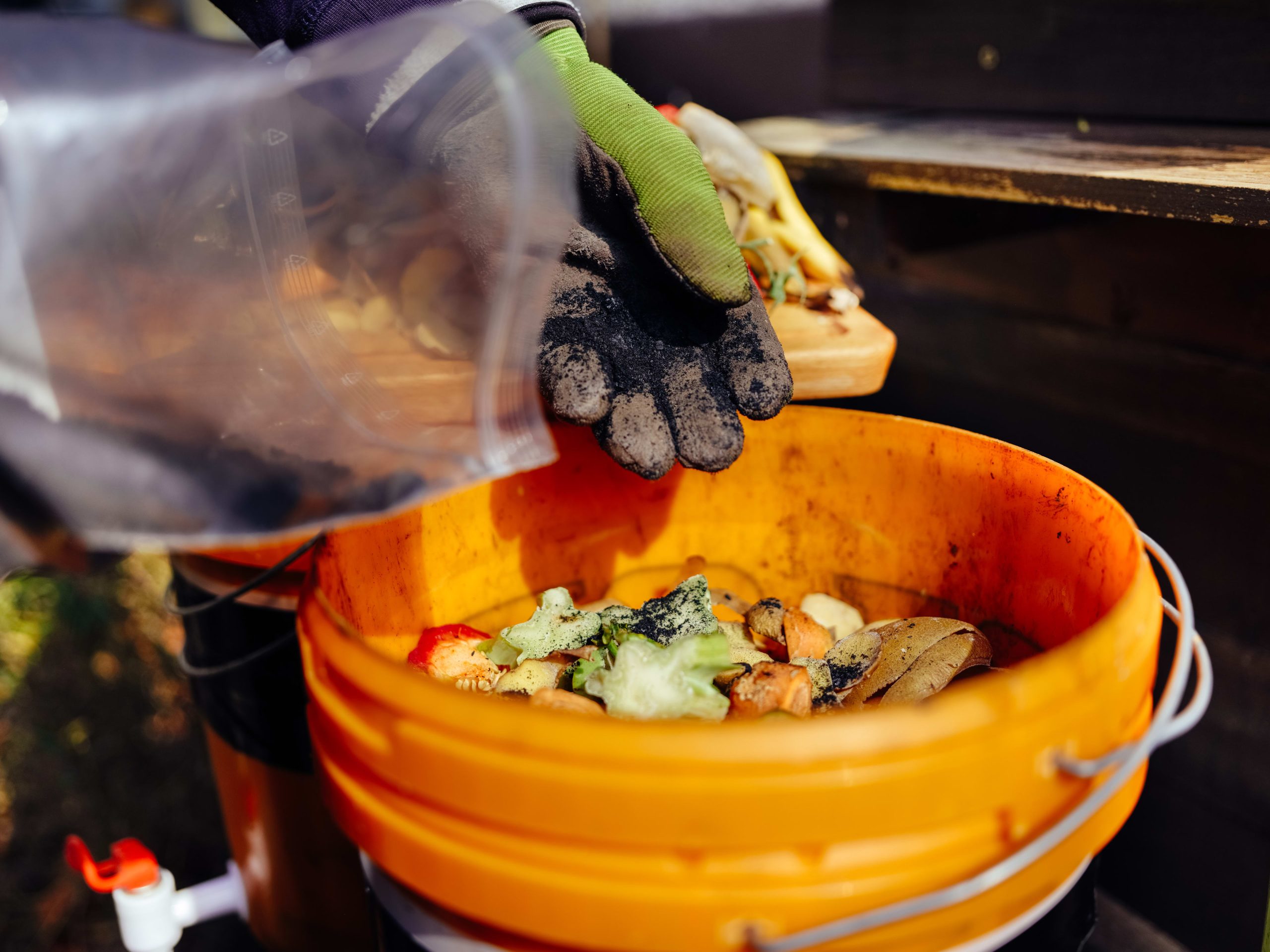
- Kitchen waste: Vegetable scraps, coffee grounds, and eggshells
- Compost or garden soil: Adds beneficial microbes
- Strainer or cheesecloth: To filter the finished tea
- Aeration device (optional): Aquarium pump for better oxygen flow
Basic Recipe Steps
Follow these simple steps to make compost tea from kitchen waste. Keep your mixture clean and let it brew properly.
- Fill your container with 1 gallon of non-chlorinated water
- Add 1 cup of kitchen waste pieces (chopped into small bits)
- Stir in 1 cup of finished compost or garden soil
- Cover the container but allow some air to enter
- Let the mixture sit for 3 to 5 days, stirring daily
- Strain the liquid through cheesecloth or a fine strainer
- Use the tea immediately or store in a cool place for up to 24 hours
Tips For Successful Brewing
Follow these tips to get the best compost tea. They help the microbes grow and keep your tea fresh.
- Use fresh, clean kitchen waste without oils or meat
- Keep the water temperature between 65-75°F (18-24°C)
- Stir the mixture daily to add oxygen
- Do not let the tea smell bad or sour; discard if it does
- Use the tea within 24 hours for best results
- Add an aquarium pump for better aeration if possible
Applying Compost Tea
Compost tea is a liquid fertilizer made from kitchen waste. It helps plants grow strong and healthy.
Knowing how to apply compost tea correctly will give you the best results in your garden.
Methods Of Application
You can apply compost tea by spraying or watering plants. Each method helps in different ways.
- Foliar spray:Spray compost tea directly on leaves to feed plants fast.
- Soil drench:Pour compost tea around the base to nourish roots deeply.
- Seed soak:Soak seeds in compost tea before planting to boost germination.
Frequency And Timing
Apply compost tea regularly but not too often. This keeps plants healthy without overfeeding.
Use compost tea early in the day or late afternoon. This helps prevent leaf damage from sun.
- Apply foliar spray once a week during growing season.
- Use soil drench every two weeks for steady root feeding.
- Avoid applying compost tea in strong sunlight or heavy rain.
Safety Considerations
Always handle compost tea with care to avoid spreading harmful bacteria. Use clean tools.
Do not use compost tea on edible plants right before harvest. This keeps food safe.
- Wear gloves when making and applying compost tea.
- Store compost tea in a cool place and use it within 24 hours.
- Wash hands and tools after use to prevent contamination.
Troubleshooting Common Issues
Making compost tea from kitchen waste can sometimes have problems. These problems can affect the quality of your tea.
Knowing how to spot and fix these problems helps you get better results every time.
Identifying Problems
Your compost tea may look, smell, or behave in a way that shows there is a problem. Recognizing these signs is important.
- Bad smell:A strong rotten or ammonia smell means poor aeration.
- Cloudy or slimy liquid:This shows too many bad bacteria or fungi.
- No bubbles or foam:Lack of oxygen during brewing.
- Slow or no composting:Kitchen waste not breaking down well.
- Tea not working well on plants:Low nutrient or microbial activity.
Solutions For Better Results
Fixing problems in compost tea making is simple if you follow some clear steps. These improve the tea’s quality and plant benefits.
- Improve aeration:Use an air pump or stir the tea regularly to add oxygen.
- Use clean water:Avoid chlorinated water which kills good microbes.
- Balance ingredients:Mix greens and browns properly to help breakdown.
- Keep temperature steady:Avoid very hot or cold spots during brewing.
- Strain well:Remove solid bits to prevent slimy tea and clogging.
- Use the tea quickly:Apply within 24 hours to keep microbes alive.
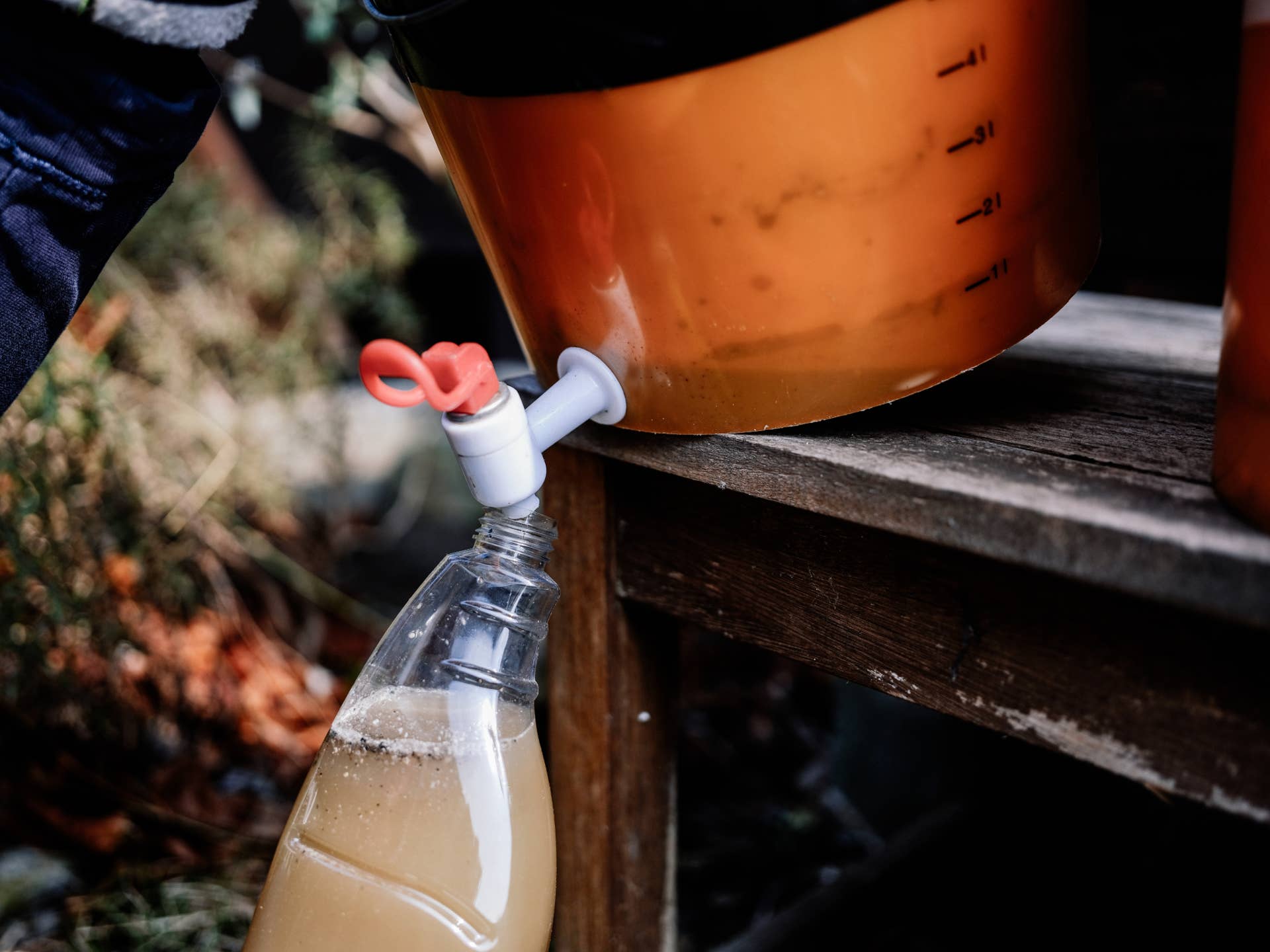
Credit: dengarden.com
Storing And Using Leftovers
Making compost tea from kitchen waste creates a useful liquid fertilizer. Storing and using leftovers properly keeps the tea fresh and effective. This guide explains how to store compost tea and reuse it well.
Good storage stops bad smells and mold. Using leftovers correctly helps plants get the nutrients they need. Follow these tips to get the best from your compost tea.
Proper Storage Techniques
Store compost tea in a cool, dark place. Avoid heat and sunlight to keep beneficial microbes alive. Use airtight containers to prevent air exposure and slow down spoilage.
- Use clean glass or plastic bottles with tight lids.
- Keep the tea refrigerated if you plan to store it for more than 24 hours.
- Label containers with the date made to track freshness.
- Shake the container gently before each use to mix contents well.
Reusing Compost Tea Effectively
Leftover compost tea can be reused for plants if stored well. Apply it to soil or leaves to feed plants naturally. Avoid using old tea that smells sour or looks cloudy.
| Use Method | Best For | Frequency |
| Soil Drench | Vegetables and Flowers | Once a week |
| Foliar Spray | Leafy Greens | Twice a week |
| Seed Soak | New Seedlings | Before planting |

Credit: www.youtube.com
Frequently Asked Questions
What Kitchen Waste Is Best For Compost Tea?
Vegetable scraps, fruit peels, coffee grounds, and eggshells work best. Avoid meat or dairy to prevent odors and pests. Use fresh, non-oily waste for a rich nutrient blend. This mix helps create a balanced and effective compost tea for plants.
How Long Does It Take To Brew Compost Tea?
Compost tea typically brews in 24 to 48 hours. This duration allows beneficial microbes to multiply. Stirring occasionally improves oxygen flow and microbial activity. Avoid brewing longer to prevent harmful bacteria growth and ensure a healthy, nutrient-rich tea.
Can Compost Tea Improve Plant Growth?
Yes, compost tea boosts plant growth by enriching soil microbes. It enhances nutrient absorption and strengthens plant immunity. Regular use improves soil structure and moisture retention. This natural fertilizer promotes healthier, greener plants without chemical additives.
How Often Should I Apply Compost Tea?
Apply compost tea every 1 to 2 weeks during the growing season. Use it as a foliar spray or soil drench for best results. Frequent application maintains beneficial microbes and nutrient supply. Adjust frequency based on plant needs and soil condition.
Conclusion
Making compost tea from kitchen waste helps plants grow strong and healthy. It uses scraps you already have at home. This method saves money and reduces waste. You get natural nutrients without chemicals. Just follow simple steps and watch your garden thrive.
Try it regularly for best results. Your plants will thank you with greener leaves and bigger blooms. Compost tea is easy, eco-friendly, and good for your soil. Give it a go and enjoy a lively garden all year.