Imagine turning your kitchen waste into rich, fertile soil right in your backyard. It’s not only possible, but it’s easier than you think.
Composting at home with kitchen waste is a simple, rewarding way to reduce your household garbage while creating a natural fertilizer for your plants. You’ll find that transforming banana peels, coffee grounds, and vegetable scraps into a nutrient-rich compost can save money and help the environment at the same time.
Curious about how you can start this eco-friendly practice? In this guide, you’ll discover all the secrets to making compost at home with everyday kitchen waste. Get ready to unlock the power of your food scraps and watch as they turn into the dark, crumbly gold that your garden will love.
Benefits Of Home Composting
Making compost at home turns kitchen waste into useful soil. It helps the environment and your garden. Composting is easy and saves resources.
This process reduces waste and improves soil health. It also lowers costs and helps you recycle naturally.
Reducing Household Waste
Composting cuts down the trash sent to landfills. It breaks down food scraps and organic waste at home. This lowers bad smells and pollution.
- Diverts kitchen scraps from garbage bins
- Reduces landfill waste volume
- Decreases methane gas production
- Lowers overall household waste
Enriching Garden Soil
Compost adds nutrients to your garden soil. It improves soil texture and water retention. This helps plants grow stronger and healthier.
| Soil Benefit | Effect on Plants |
| Improved nutrient content | Better growth and yield |
| Increased moisture retention | Less watering needed |
| Enhanced soil structure | Healthier roots |
Saving Money And Resources
Home composting reduces the need to buy fertilizers. It saves money on waste collection fees. You also lower your carbon footprint by recycling organic waste.
- Cuts costs on garden fertilizers
- Reduces garbage disposal bills
- Conserves natural resources
- Supports eco-friendly living
Choosing The Right Compost Bin
Making compost at home helps reduce kitchen waste. Picking the right compost bin is important. It affects how well your compost breaks down.
This guide covers types of compost bins, choosing a good spot, and bin size and materials. These tips help you start composting easily.
Types Of Compost Bins
There are many compost bin types. Each works in a different way. Choose one that fits your space and needs.
- Plastic Bins:Lightweight and easy to move. They keep heat well.
- Wooden Bins:Natural look and allow air flow. They may last less time outside.
- Wire Mesh Bins:Good for air circulation. Best for dry climates.
- Tumbler Bins:Easy to turn compost by spinning. Speeds up decomposition.
Selecting A Suitable Location
Place the compost bin where it gets some sun. Sun warms the bin and helps break down waste. Avoid very shady or wet spots.
Make sure the bin is easy to reach. You will add kitchen scraps and turn the compost often. A flat ground spot is best.
Size And Material Considerations
Choose a bin size that fits your kitchen waste amount. Too small means frequent emptying. Too big may slow composting.
| Bin Size | Ideal For |
| Small (10-20 gallons) | Small households or limited space |
| Medium (30-50 gallons) | Average family kitchen waste |
| Large (60+ gallons) | Big families or garden waste included |
Material matters for durability and air flow. Plastic bins keep moisture but may trap heat. Wood is breathable but can rot. Metal bins last long but can get hot.
Preparing Kitchen Waste For Composting
Composting kitchen waste helps reduce garbage and creates rich soil. Proper preparation of scraps speeds up the composting process.
Knowing what to include and how to prepare your waste keeps your compost healthy and odor-free.
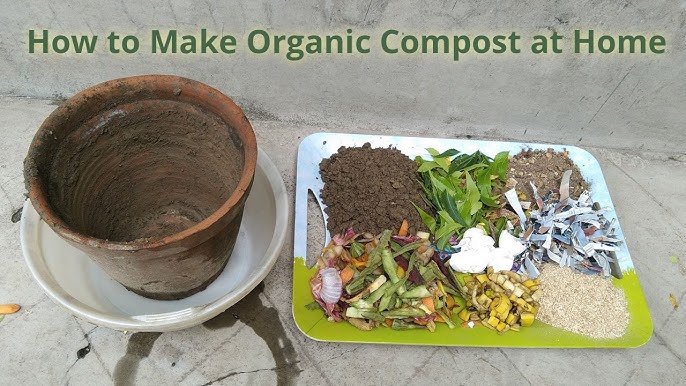
Acceptable Kitchen Scraps
Use scraps that break down easily and add nutrients to compost. These items are safe and helpful for your pile.
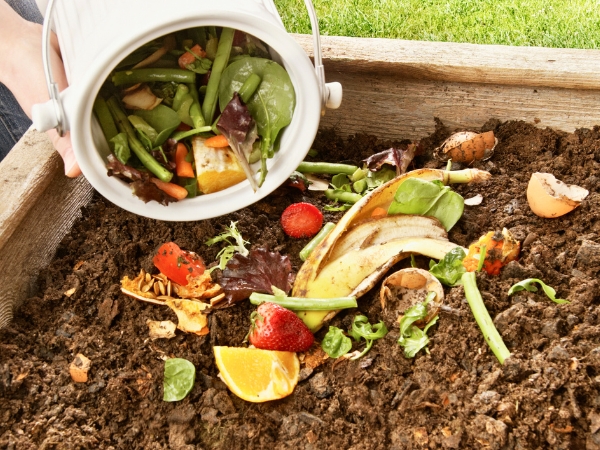
- Fruit peels and cores
- Vegetable scraps and trimmings
- Coffee grounds and filters
- Tea bags (without plastic)
- Eggshells, crushed
- Nut shells (not salted)
- Shredded paper and cardboard
Avoiding Harmful Items
Some kitchen waste can harm your compost or attract pests. Keep these items out of your compost pile.
- Meat and fish scraps
- Dairy products like cheese or milk
- Oils and greasy foods
- Pet waste
- Diseased or chemically treated plants
- Plastic, glass, or metal pieces
- Large branches or woody stems
Chopping And Layering Tips
Cutting scraps into small pieces helps them break down faster. Layering your compost balances moisture and air.
| Tip | Why It Helps |
|---|---|
| Chop scraps into 1-2 inch pieces | Increases surface area for microbes |
| Alternate layers of green and brown waste | Maintains nitrogen and carbon balance |
| Keep layers moist but not wet | Supports microbial activity |
| Turn the pile every 1-2 weeks | Improves air flow and speeds composting |
Composting Process Steps
Composting at home turns kitchen waste into rich soil. It helps reduce trash and grows healthy plants.
The composting process needs some care. Follow these steps to make good compost efficiently.
Balancing Greens And Browns
Compost needs a good mix of green and brown materials. Greens are wet and rich in nitrogen. Browns are dry and full of carbon.
Use kitchen scraps like vegetable peels as greens. Add dry leaves or shredded paper as browns. This balance helps microbes break down waste fast.
- Greens: fruit scraps, coffee grounds, grass clippings
- Browns: dry leaves, cardboard, straw, paper
- Mix about 2 parts browns to 1 part greens
Maintaining Moisture Levels
Compost should be damp, like a wrung-out sponge. Too dry slows decomposition. Too wet causes bad smells.
Check moisture regularly. Add water if dry. Add dry browns if too wet. Good moisture helps microbes work well.
- Feel the pile for dampness
- Add water in dry weather
- Mix in dry materials if soggy
Turning And Aerating The Pile
Turning compost adds air to the pile. Air helps microbes breathe and speed up decay. It also stops bad smells.
Turn the pile every 1 to 2 weeks. Use a garden fork or shovel. Mix the outer parts into the center for even breakdown.
- Turn compost every 7 to 14 days
- Mix outer and inner layers well
- Check moisture after turning
Troubleshooting Common Issues
Making compost at home with kitchen waste is simple. Sometimes problems happen during composting. These problems can slow down the process or cause bad smells.
This guide helps you fix common composting issues. You will learn how to handle odors, pests, and slow decomposition.
Dealing With Odors
Bad smells come from too much moisture or wrong materials. You must balance green and brown waste to stop odors. Turning the pile helps air flow and reduces smells.
- Add dry leaves or shredded paper to absorb wetness.
- Mix in kitchen scraps with dry materials evenly.
- Turn the compost pile every few days to add oxygen.
- Keep the compost moist, not wet.
Managing Pests
Pests like flies, rodents, and ants can visit your compost. They come when food scraps are exposed or the pile is too wet. Keep pests away by covering food scraps and using a bin with a lid.
| Common Pest | Cause | How to Control |
| Flies | Open food scraps | Cover scraps with dry leaves |
| Rodents | Meat or dairy scraps | Do not add meat or dairy |
| Ants | Dry compost | Moisten the pile and turn often |
Handling Slow Decomposition
Sometimes compost breaks down slowly. This happens if the pile is too dry, cold, or lacks air. You can fix this by following simple steps.
- Check moisture and water the pile if dry.
- Turn the compost to add oxygen.
- Add fresh green waste to feed microbes.
- Keep the compost in a warm spot.
Credit: canadale.ca
Harvesting And Using Compost
Making compost at home from kitchen waste is easy and helps your garden grow. After weeks of care, your compost will be ready to use.
Knowing when to harvest and how to use your compost will improve your plants’ health and soil quality.
Identifying Finished Compost
Finished compost looks dark brown and crumbly. It smells like fresh earth, not rotten or sour. You will not see food scraps or large pieces of waste.
- The color is dark and rich.
- The texture is soft and crumbly.
- It has a fresh, earthy smell.
- No recognizable food bits remain.
- It feels cool, not hot.
Applying Compost In The Garden
Use compost to feed your plants and improve soil. Spread a layer on garden beds or mix it into the soil before planting.
| Method | How to Apply | Best Use |
| Top Dressing | Spread 1-2 inches on soil surface | Flower beds, lawns |
| Soil Mix | Mix compost with soil before planting | Vegetable gardens, pots |
| Mulching | Use around plants to keep moisture | Fruit trees, shrubs |
Storing Compost Properly
Keep your compost dry and cool if you need to store it. Use a container with a lid or a covered bin to protect it from rain.
- Use a breathable container to avoid bad smells.
- Keep compost away from direct sunlight.
- Check moisture and add dry materials if too wet.
- Turn compost occasionally to keep air flowing.
Tips For Successful Composting
Making compost at home with kitchen waste is easy and helps the environment. It turns scraps into healthy soil for your garden.
To get good compost, you need some simple tips. These will help you keep your compost pile healthy all year.
Seasonal Adjustments
Compost needs different care in each season. Warm weather helps microbes break down waste fast. Cold weather slows this down.
- In summer, turn your compost often to add oxygen.
- In winter, add more green waste to keep it warm.
- Cover your compost pile during heavy rain to stop it from getting too wet.
- Use dry leaves in fall to balance wet kitchen scraps.
Using Compost Accelerators
Compost accelerators help speed up decomposition. They add helpful microbes or nutrients to your pile.
| Type | Example | Benefit |
| Microbial Inoculants | Compost starter powder | Speeds up breakdown |
| Organic Additives | Grass clippings, manure | Adds nitrogen |
| Commercial Products | Enzyme sprays | Boosts microbe activity |
Incorporating Compost Into Daily Routine
Make composting easy by adding it to your daily habits. This keeps your pile fresh and balanced.
Try these daily tips:
- Keep a small bin in your kitchen for scraps.
- Empty the bin into your compost pile every day.
- Chop or shred kitchen waste to help it break down faster.
- Mix your compost pile weekly to add air.

Credit: www.youtube.com

Credit: www.youtube.com
Frequently Asked Questions
What Kitchen Waste Is Best For Home Composting?
Vegetable scraps, fruit peels, coffee grounds, and eggshells are ideal for composting. Avoid meat, dairy, and oily foods as they attract pests.
How Long Does Kitchen Waste Take To Compost?
Kitchen waste typically takes 2 to 4 months to decompose fully. Turning the compost regularly speeds up the process by improving airflow.
Can I Compost Citrus Peels And Onion Skins?
Yes, you can compost citrus peels and onion skins in moderation. Too much acidity may slow decomposition, so balance with other green and brown materials.
How Do I Prevent Bad Odors In Kitchen Compost?
Avoid adding meat and dairy. Maintain a balanced mix of green and brown waste. Turn the compost often to increase airflow and reduce smells.
Conclusion
Making compost at home with kitchen waste is simple and helpful. It reduces trash and gives rich soil for plants. You just need a container, scraps, and some patience. Turning waste into compost saves money and helps the environment. Anyone can start this easy project today.
Try it and watch your garden grow healthier and greener. Small steps like these make a big difference. Start composting and enjoy the benefits of natural, homemade fertilizer.