How to Get Smell Out of Wooden Cutting Board: Have you ever noticed a lingering odor coming from your wooden cutting board? It’s not the most pleasant surprise, especially when you’re about to prepare a meal.
Wooden cutting boards are kitchen essentials, but they can absorb smells over time, leaving you wondering how to get rid of them. Don’t worry, you’re not alone, and there’s good news: you can effectively banish those unwanted smells with a few simple steps.
Imagine opening your kitchen cabinet and breathing in the fresh, clean scent of your cutting board, ready to be used without any unpleasant surprises. In this guide, you’ll discover easy, practical tips to help you refresh your cutting board and keep your kitchen smelling great. Read on to learn how you can make your wooden cutting board as fresh as the day you bought it.
Causes Of Odors On Wooden Boards
Wooden cutting boards can absorb smells from the foods you cut on them. These odors can stay even after washing.
Understanding the causes helps you clean your board better. Two main causes are smelly foods and bacteria or mold growth.
Common Smelly Foods
Certain foods have strong smells that can stick to wood. These odors soak into the wood’s pores and last long.
Examples include garlic, onions, fish, and spicy spices. These foods release oils and particles that cause bad smells.
- Garlic
- Onions
- Fish and seafood
- Spices like cumin or curry
- Strong cheeses
Bacteria And Mold Growth
Wood can hold moisture after washing, creating a place for bacteria and mold. These grow inside tiny cracks and pores.
Bacteria and mold cause bad smells and may make your board unsafe to use. Proper cleaning and drying stop this growth.

Credit: www.souschef.co.uk
Daily Cleaning Tips
Wooden cutting boards can hold smells from food. Cleaning them daily helps keep them fresh. Simple methods can remove odors and keep your board safe.
Use common household items to clean and deodorize your wooden cutting board. Regular care stops smells from building up.
Soap And Water Method
Cleaning with soap and water is the easiest way to remove smells. It also removes food residue and bacteria.
- Rinse your board with warm water to remove loose debris.
- Apply a small amount of dish soap to a sponge or brush.
- Scrub the surface gently, paying attention to grooves.
- Rinse thoroughly with warm water to remove all soap.
- Dry the board with a clean towel or air dry it standing up.
Using Vinegar Rinse
Vinegar is a natural cleaner that helps kill bacteria and reduce odors on wood.
| Vinegar Rinse Steps | Details |
|---|---|
| Step 1 | Mix equal parts white vinegar and water in a spray bottle. |
| Step 2 | Spray the solution on the cutting board surface. |
| Step 3 | Let it sit for 5 minutes to neutralize odors. |
| Step 4 | Rinse the board with warm water. |
| Step 5 | Dry completely with a towel or air dry. |
Deep Cleaning Techniques
Wooden cutting boards can hold strong smells even after washing. Deep cleaning helps remove these odors.
Using natural ingredients like baking soda, lemon, and salt can clean and freshen your board effectively.
Baking Soda Scrub
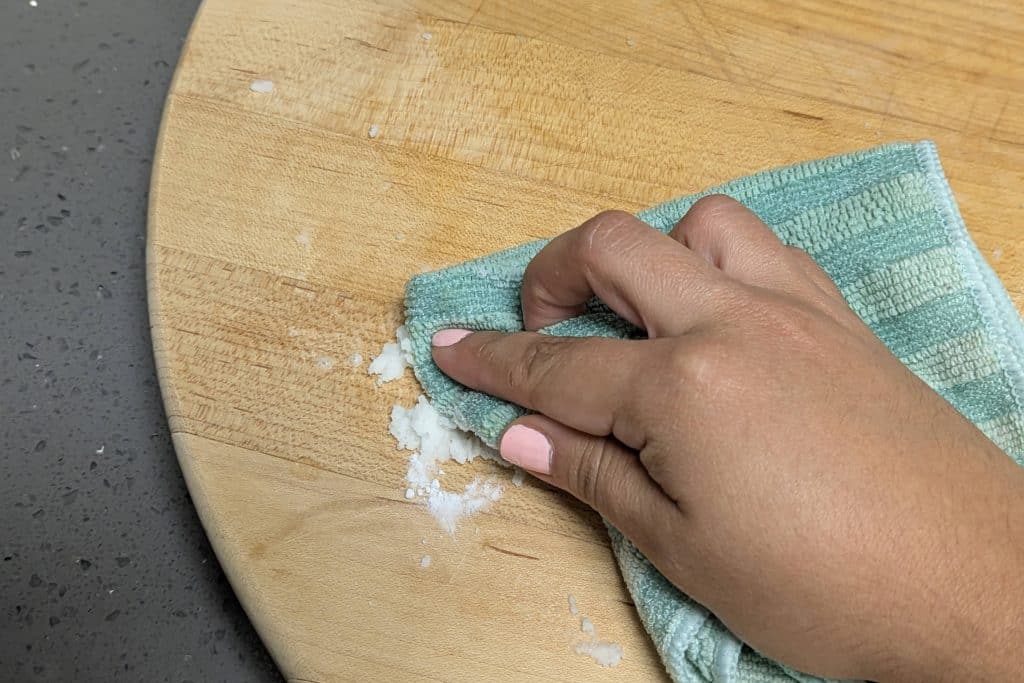
Baking soda is a gentle abrasive that removes odor and stains from wood. It neutralizes bad smells without harsh chemicals.
To clean, sprinkle baking soda on the board. Add a little water to make a paste. Scrub with a sponge or brush.
- Sprinkle 2 tablespoons of baking soda on the board
- Add a few drops of water to form a paste
- Scrub the board in circular motions
- Let it sit for 10 minutes
- Rinse with warm water and dry
Lemon And Salt Treatment
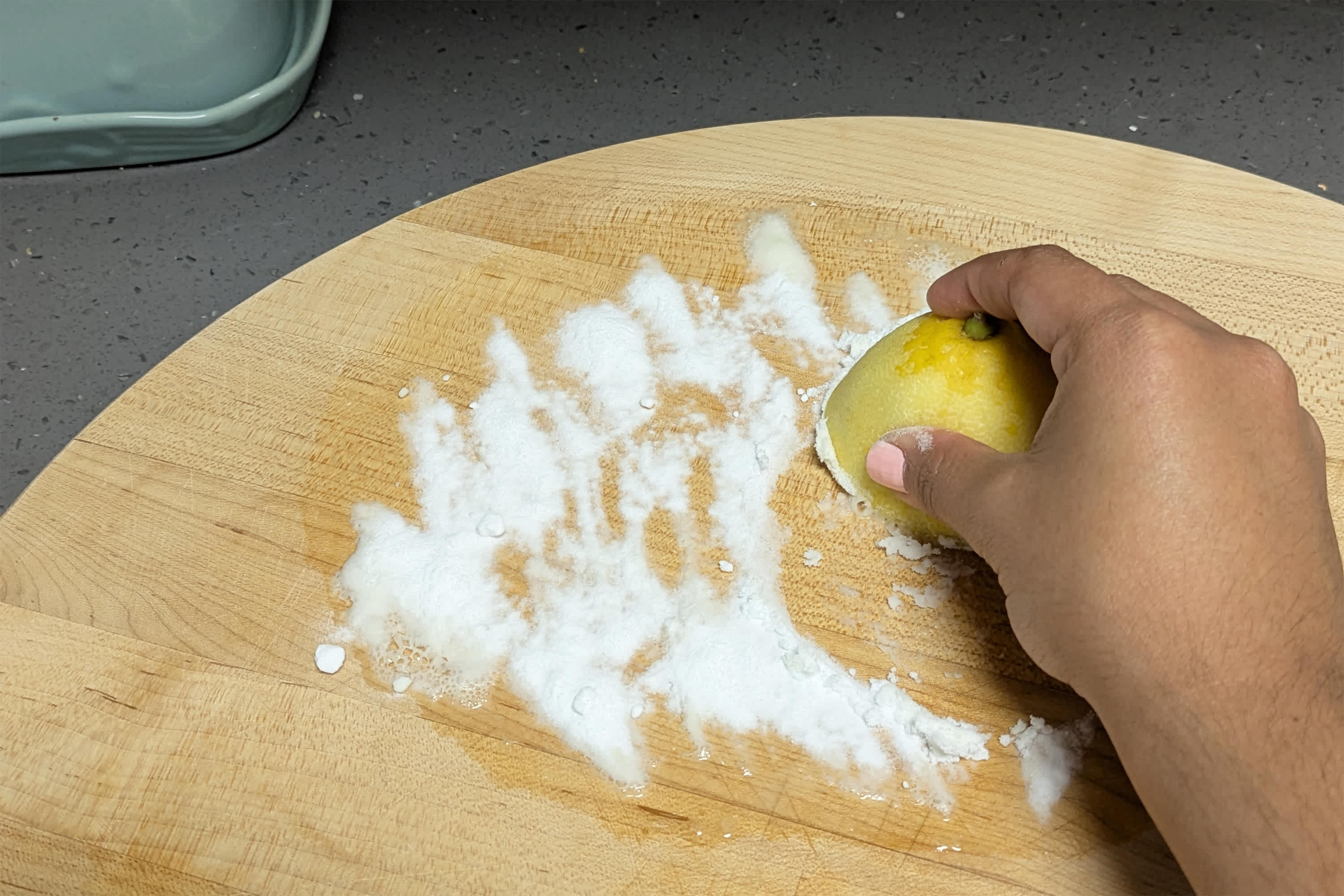
Lemon and salt work together to clean and deodorize wooden boards. The lemon juice breaks down odors, and salt scrubs away grime.
Cut a lemon in half and sprinkle coarse salt on the board. Use the lemon to scrub the surface well. Let it rest before rinsing.
- Sprinkle coarse salt over the cutting board
- Cut a lemon in half
- Use the lemon half to scrub the board
- Press firmly to release lemon juice
- Let the mixture sit for 5 minutes
- Rinse the board with warm water and dry

Credit: ca.style.yahoo.com
Natural Deodorizers
Wooden cutting boards can absorb strong smells from food. Natural deodorizers help remove these odors safely. They do not use harsh chemicals.
Using natural items is simple and effective. These items absorb bad smells and leave your board fresh.
Activated Charcoal
Activated charcoal is a powerful deodorizer. It traps odors inside its tiny pores. This makes it great for wooden cutting boards.
To use, place a piece of activated charcoal on the board. Leave it there for a few hours or overnight. Then, remove the charcoal and wipe the board clean.
Coffee Grounds
Dry coffee grounds can absorb bad smells from wood. They also add a fresh, mild scent to the board.
Spread dry coffee grounds evenly on the cutting board. Let them sit for a few hours. After, brush off the grounds and rinse the board with water.
Preventing Future Odors
Wooden cutting boards can absorb smells from food. To keep them fresh, you must take good care of them.
Using simple habits will help stop odors before they start. These tips keep your board clean and smelling nice.
Proper Drying Methods
Dry your wooden cutting board well after washing. Water left on the wood can cause bad smells and damage.
Stand the board upright or lean it on its side. Let air flow around it so it dries fast and fully.
- Do not leave the board flat on the counter
- Use a dish rack or a clean towel to prop it up
- Keep it away from damp places
- Avoid putting it in the dishwasher
Regular Oil Conditioning
Oil your wooden cutting board regularly. This keeps the wood from drying out and absorbing food smells.
Use food-safe mineral oil or cutting board oil. Apply a thin layer with a clean cloth and let it soak in.
- Oil the board once a month or more if used often
- Wipe off extra oil after 20 minutes
- Oiling protects wood and stops cracks
- It makes cleaning easier and reduces odors
When To Replace Your Cutting Board
Wooden cutting boards are useful kitchen tools. They can last a long time with care.
It is important to know when to replace them. Old boards can harm your food safety.
Signs Of Damage
Look closely at your wooden cutting board for damage. Cracks and deep cuts are warning signs.
- Large cracks that trap food bits
- Deep grooves that cannot be sanded out
- Warping or splitting of the wood
- Loose or broken pieces on the board
These damages can hold bacteria and make cleaning hard. Replace the board if you see these.
Persistent Odor Issues
Wood can absorb strong smells from food. If odors stay after cleaning, it is a problem.
| Cause | Effect |
| Absorbed juices from meat | Bad smell that won’t go away |
| Food particles stuck in cracks | Foul odor and possible mold |
| Improper drying after washing | Musty smell and wood damage |
If your board smells bad after cleaning, try deep cleaning first. Replace it if smell stays.
Credit: www.thekitchn.com
Frequently Asked Questions
How To Remove Odor From Wooden Cutting Boards Naturally?
Use lemon juice and coarse salt to scrub the board. Let it sit for 5 minutes. Rinse with warm water and air dry. This method neutralizes odors and cleans effectively without harsh chemicals.
Can Baking Soda Eliminate Smells From Wooden Cutting Boards?
Yes, sprinkle baking soda on the board and scrub gently. Leave it for 15 minutes before rinsing. Baking soda absorbs odors and helps remove stains safely from wood.
Why Does My Wooden Cutting Board Smell Bad?
Bad smells come from trapped food particles and bacteria. Moisture and improper drying worsen the odor. Regular cleaning and drying prevent unpleasant smells on wooden boards.
Is Vinegar Effective For Deodorizing Wooden Cutting Boards?
Yes, vinegar is a natural deodorizer and disinfectant. Wipe the board with white vinegar, let it sit for a few minutes, then rinse. It kills bacteria and neutralizes odors without damaging wood.
Conclusion
A wooden cutting board can hold strong smells after use. Cleaning it well stops odors from staying. Use lemon, salt, or baking soda for fresh results. Dry the board fully to keep it safe and clean. Regular care helps your board last longer.
Simple steps make a big difference in smell removal. Keep your kitchen fresh and your cutting board ready. Small efforts bring a clean, odor-free wooden board. Try these tips for a fresher cooking space.