Are your kitchen pots taking up too much space, cluttering your countertops, and causing unnecessary stress? You're not alone.
Many people find themselves overwhelmed by an accumulation of cookware that they rarely use.
Learning how to Rid of Kitchen Pot Stains can make your pots look like new, helping you maintain a cleaner, more organized kitchen. Imagine walking into your kitchen and feeling a sense of calm and order, with everything in its place. Wouldn't it be amazing to have more room for creativity and less chaos?
By learning how to Rid of Kitchen Pot Stains effectively, you can reclaim your kitchen space, making it more functional and enjoyable. Stick with us as we unveil simple yet powerful strategies to declutter your kitchen, enhance its appearance, and boost your overall well-being. Ready to transform your kitchen into a harmonious haven? Let's dive in!
Common Causes Of Pot Stains
Pot stains are a common problem in kitchens. They make pots look dirty and old.
Knowing what causes these stains helps to clean them better. It also stops new stains from forming.
Burnt Residue
Burnt residue happens when food or liquids burn on the pot’s surface. It sticks tightly and is hard to remove.
This residue often forms dark, hard patches. It can change the pot’s color and texture.
Mineral Deposits
Mineral deposits come from hard water. When water evaporates, minerals stay behind and form white or cloudy marks.
These deposits can build up over time. They may affect the pot’s shine and surface smoothness.
- Calcium leaves white crusts
- Magnesium causes cloudy stains
- Iron may leave rusty spots
Oil And Grease Build-up
Oil and grease can stick to pots after cooking. They form sticky or slick layers on the surface.
This build-up attracts dirt and dust. It can make pots look greasy and cause stains that are hard to wash off.
Basic Cleaning Supplies Needed
Cleaning kitchen pots can be simple with the right supplies. Using basic cleaning items helps Rid of Kitchen Pot Stains and remove dirt easily.
This guide shows which natural ingredients, commercial cleaners, and essential tools you need to clean kitchen pots well.
Natural Ingredients
Natural ingredients are safe and eco-friendly for cleaning pots. They remove grease and stains without harsh chemicals.
Common natural cleaners include items you may already have at home. They work well on different types of stains.
- Baking soda: scrubs off tough stains and odors
- White vinegar: cuts grease and disinfects surfaces
- Lemon juice: brightens and removes rust spots
- Salt: helps scrub and remove burnt food
Commercial Cleaners
Commercial cleaners are made to clean pots quickly and effectively. They often have stronger ingredients for tough dirt.
Choose a cleaner that suits your pot’s material to avoid damage. Follow the instructions on the label for safe use.
- Dish soap: removes grease and food residue
- Oven cleaner: works on burnt and baked-on stains
- Stainless steel cleaner: polishes and protects metal pots
- Degreaser spray: breaks down heavy grease
Essential Tools
Having the right tools makes cleaning kitchen pots easier and faster. Use tools that do not scratch the pot’s surface.
Use these tools to scrub, rinse, and dry your pots properly after applying cleaners.
- Non-scratch scrubbers or sponges
- Soft cloths for wiping and drying
- Brushes with stiff bristles for stuck food
- Rubber gloves to protect your hands
- Plastic scraper to remove burnt bits gently
Simple Home Remedies For Stains
Kitchen pots often get stained from regular cooking. These stains can be tough to remove with normal cleaning. Using simple home remedies can help Rid of Kitchen Pot Stains safely and effectively.
Using natural items like baking soda, vinegar, lemon, and salt can restore your pots without harsh chemicals. These methods are easy to try and cost little.
Baking Soda Paste
Baking soda is a gentle abrasive that lifts stains well. Make a thick paste by mixing baking soda with water. Apply the paste to the stained areas of your pot.
Let it sit for 15 to 20 minutes. Then scrub with a soft brush or sponge. Rinse with warm water for a clean shine.
Vinegar Soak
White vinegar helps break down tough stains and grease. Pour enough vinegar into the pot to cover the stains. Heat it on low for 5 minutes, then turn off the heat.
- Pour 1 cup of white vinegar into the pot.
- Heat the pot on low for 5 minutes.
- Turn off heat and let the vinegar cool.
- Use a sponge to scrub the stains.
- Rinse thoroughly with water.
Lemon And Salt Scrub
Lemon’s natural acid and salt’s rough texture clean stains well. Cut a lemon in half and dip the cut side into salt. Use it to scrub the stained areas of the pot.
| Ingredient | Purpose |
|---|---|
| Lemon | Acid dissolves stains |
| Salt | Scrubs off grime |
Rinse the pot with warm water after scrubbing. This method works well for rust and burnt marks.

Credit: blog.blueapron.com
Using Commercial Products Safely
Cleaning kitchen pots can be easy with the right commercial products. Using these products safely protects your health and your cookware.
Read labels carefully and follow instructions to avoid damage or injury. This guide covers how to pick cleaners, apply them, and stay safe.
Choosing The Right Cleaner
Pick a cleaner that fits the pot’s material. Some cleaners work well on stainless steel but harm non-stick surfaces. Check if the product is strong enough for tough stains.
- Use mild cleaners for non-stick pots
- Choose abrasive cleaners for stainless steel
- Avoid bleach on aluminum or copper
- Look for eco-friendly options when possible
Application Tips
Apply the product as the label says. Use the right amount and let it sit the correct time. Avoid scrubbing too hard to keep the pot safe.
| Pot Material | Recommended Cleaner | Application Tip |
| Stainless Steel | Abrasive Cleaner | Use soft brush, rinse well |
| Non-stick | Mild Detergent | Use sponge, avoid harsh scrubbing |
| Copper | Special Copper Cleaner | Apply gently, polish after cleaning |
| Aluminum | Mild Soap | Do not use bleach, rinse thoroughly |
Safety Precautions
Keep yourself safe by using gloves and working in a ventilated area. Avoid mixing chemicals that can cause harmful fumes.
- Wear rubber gloves to protect your skin
- Work in a well-ventilated room
- Do not mix different cleaning products
- Store cleaners out of reach of children and pets
- Rinse pots thoroughly after cleaning
Deep Cleaning Techniques
Kitchen pots often get tough stains and buildup from daily use. Deep cleaning helps remove these stubborn marks. Using the right methods restores your pots’ shine and hygiene.
Try these simple deep cleaning techniques to keep your kitchen pots clean and safe for cooking.
Boiling Method
Fill the pot with water and add a few tablespoons of baking soda or vinegar. Bring the water to a boil and let it simmer for 10 to 15 minutes. This method helps Rid of Kitchen Pot Stains as the heat and solution loosen burnt food and stains.
After boiling, carefully pour out the water and scrub the pot gently with a sponge. This method works well for pots with stuck-on food and light stains.
Soaking Overnight
Fill the pot with warm water and add dish soap or a mixture of water and lemon juice. Let the pot soak overnight. This softens hard stains and grease, making them easier to clean.
- Use warm water to speed up the soaking process.
- Add lemon juice for natural deodorizing.
- Rinse the pot well before scrubbing.
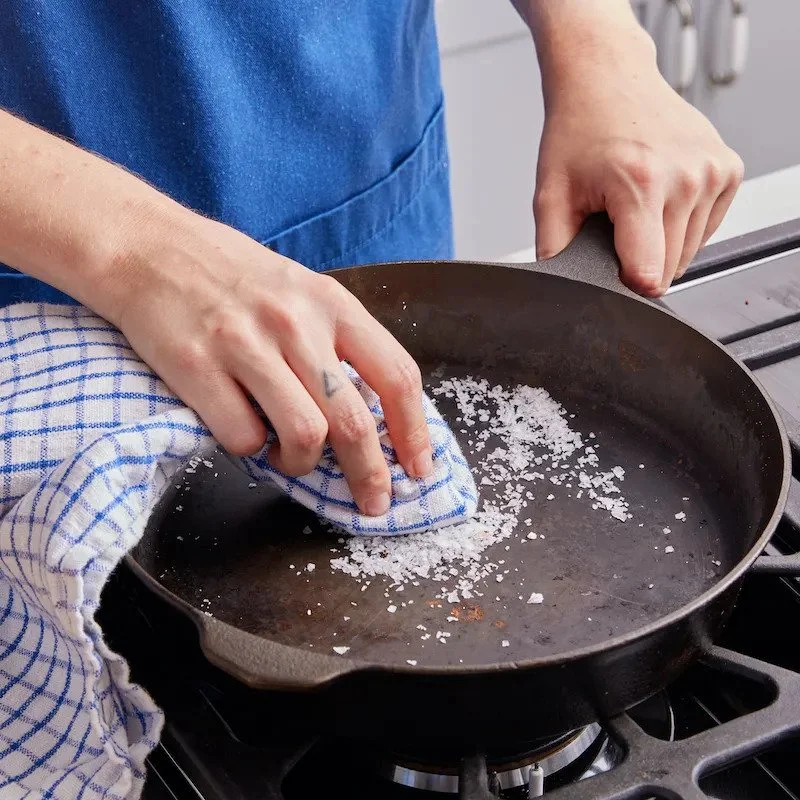
Scrubbing With Abrasives
For tough stains, use abrasive materials like baking soda, salt, or a scouring pad. These help remove burned food and stains without damaging the pot’s surface.
| Material | Use | Notes |
| Baking Soda | Sprinkle on wet pot | Gentle and safe for most pots |
| Salt | Mix with lemon juice | Good for removing rust spots |
| Scouring Pad | Scrub stubborn stains | Avoid on non-stick surfaces |
Credit: blog.blueapron.com
Preventing Future Pot Stains
Pot stains can ruin the look of your cookware. Preventing these stains is easier than removing them. Learning how to Rid of Kitchen Pot Stains helps keep your pots looking clean and new.
Follow simple habits in your cooking and cleaning routine. Use proper methods to keep your pots clean and shiny. Small changes can protect your pots for a long time.
Proper Cooking Practices
Cooking with care helps avoid stains and burns on your pots. Avoid high heat when it is not needed. Use enough liquid to prevent food from sticking and burning.
- Use medium or low heat to cook most meals.
- Stir food often to stop it from sticking.
- Add enough water or oil to protect the pot’s surface.
- Avoid cooking when the pot is empty on high heat.
Regular Maintenance
Clean your pots after every use to stop stains from forming. Use mild cleaners and soft sponges to keep the pot’s surface safe. Rinse well and dry completely.
| Maintenance Task | Recommended Method |
| Daily Cleaning | Use warm water and gentle dish soap |
| Removing Light Stains | Apply baking soda paste and scrub softly |
| Deep Cleaning | Soak pot in vinegar solution for 15 minutes |
| Drying | Wipe dry with a soft cloth immediately |
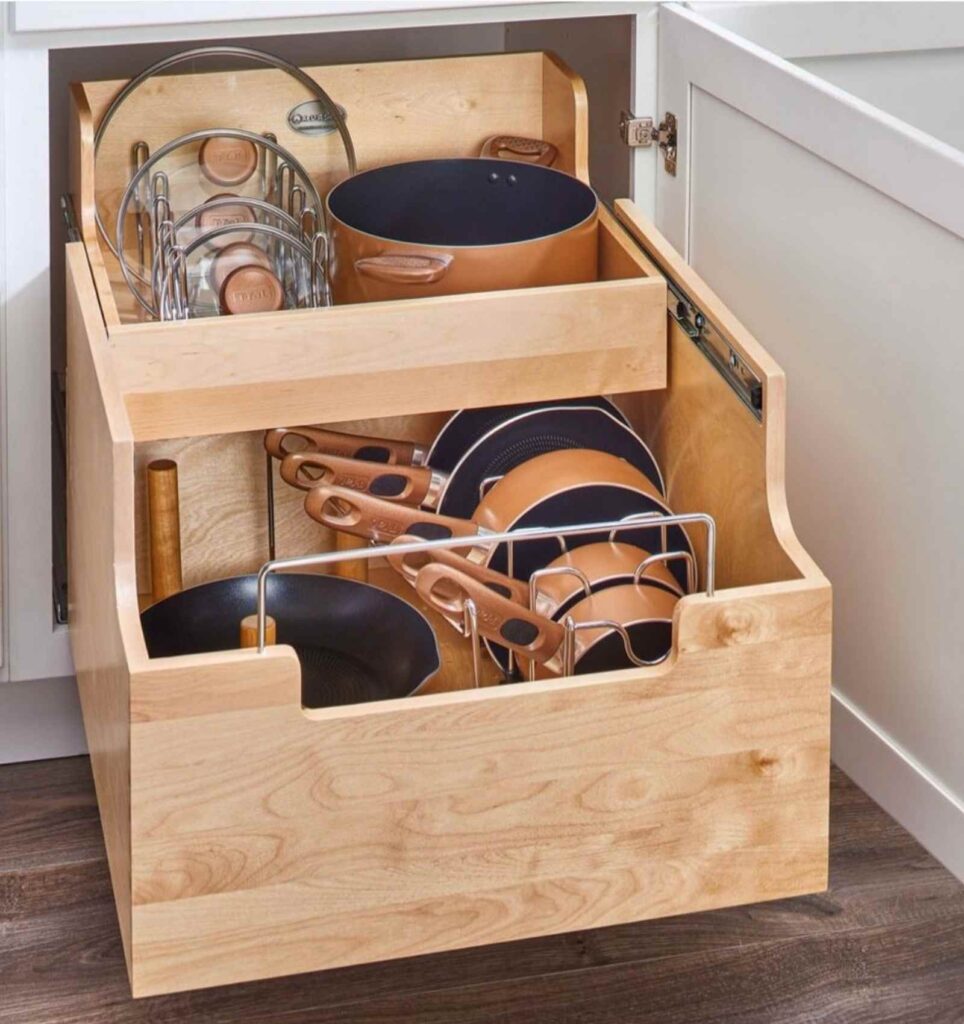
Storage Tips
Store pots in a dry place to avoid moisture stains. Keep lids off or slightly open to let air circulate. Stack pots carefully to prevent scratches and marks.
- Place pots in a cupboard with good air flow.
- Use pot protectors or cloths between stacked pots.
- Keep lids separate or tilted to avoid trapping moisture.
- Check pots regularly to catch any stains early.
Handling Different Pot Materials
Cleaning and maintaining kitchen pots depends on their material. Each type needs special care to last longer. Knowing how to handle different pots helps keep your kitchen safe and tidy.
This guide covers three common pot materials: stainless steel, non-stick, and cast iron. Learn the best ways to clean and care for each to Rid of Kitchen Pot Stains effectively and avoid damage.
Stainless Steel
Stainless steel pots are strong and resist rust. You can clean them with mild soap and warm water. For tough stains, use a paste made from baking soda and water. Avoid steel wool to prevent scratches.
- Wash with warm soapy water after use
- Use a soft sponge for cleaning
- Apply baking soda paste on stains
- Rinse and dry immediately to prevent water spots
Non-stick
Non-stick pots have a coating that can wear out if treated roughly. Always use wooden or silicone utensils. Clean them gently with a soft sponge and mild detergent. Avoid high heat that can damage the coating.
| Do | Don't |
|---|---|
| Use soft sponges | Use metal scrubbers |
| Wash with mild soap | Use harsh chemicals |
| Cook on low to medium heat | Cook on high heat |
| Store carefully to avoid scratches | Stack without protection |
Cast Iron
Cast iron pots need special care to keep their seasoning. Clean them with hot water and a brush. Avoid soap or dishwasher use. Dry them well and apply a thin oil layer after cleaning to stop rust.
- Rinse with hot water only
- Scrub with a stiff brush
- Dry immediately and completely
- Apply cooking oil to the surface
- Store in a dry place
Credit: ashandgardenia.com
Frequently Asked Questions
How Can I Safely Dispose Of A Kitchen Pot?
To safely dispose of a kitchen pot, check if it’s recyclable metal. If not, consider donating or repurposing it. Avoid throwing it in regular trash to reduce waste and environmental harm.
What Are Eco-friendly Ways To Get Rid Of Kitchen Pots?
Eco-friendly ways include donating, recycling, or upcycling kitchen pots. You can turn old pots into planters or storage containers. This reduces landfill waste and gives pots a new purpose.
Can I Sell My Old Kitchen Pot Online?
Yes, you can sell old kitchen pots on platforms like eBay or Craigslist. Make sure to clean them and provide clear photos. Selling helps others reuse and prevents unnecessary waste.
Is It Better To Recycle Or Donate Kitchen Pots?
Donating is better if the pot is still usable, helping others save money. Recycling is ideal for damaged pots made of recyclable metals. Both options support sustainability and reduce landfill impact.
Conclusion
Getting rid of kitchen pots is easier than you think. Before deciding what to do next, make sure to clean them well. Learning how to Rid of Kitchen Pot Stains will make your pots look fresh and usable.
Donate pots that still work to someone in need. Recycle old pots to help the environment. Throw away pots only if they are broken beyond use.
Keep your kitchen neat and organized by removing extra pots. Simple steps can save space and reduce clutter. A tidy kitchen feels good and makes cooking fun. Small actions make a big difference in your home.