Have you noticed rust spots ruining your favorite kitchen pots? It’s frustrating when your trusted cookware looks worn and unusable.
But before you toss them out, there’s good news—cleaning rust off your pots is easier than you think. You don’t need special tools or expensive products. With a few simple steps, you can bring back the shine and make your pots safe to use again.
Keep reading, and you’ll learn exactly how to tackle rust and restore your kitchen essentials quickly and effectively.

Credit: www.amazon.com
Identify Rust On Pots
Rust can damage kitchen pots and make them unsafe to use. It is important to spot rust early. This helps you clean and save your pots.
Knowing how to find rust on pots keeps your kitchen safe. It also keeps your pots in good shape for longer.
Common Signs Of Rust
Rust often looks like red or brown spots on the pot’s surface. These spots may feel rough or flaky when touched.
You might notice discoloration or small pits on the metal. Rust can also cause the pot to lose its shine and look dull.
- Red, orange, or brown patches on the pot
- Rough or flaky texture on the surface
- Dull or faded color on metal parts
- Small holes or pits in the metal
Types Of Pots Prone To Rust
Some pots are more likely to rust than others. Pots made from iron or steel often rust if not dried well.
Pots with damaged coatings or scratches also rust faster. Stainless steel pots resist rust but can still get spots if damaged.
- Cast iron pots
- Carbon steel pots
- Low-quality stainless steel pots
- Steel pots with scratched or worn coatings
Gather Cleaning Supplies
Cleaning rust from kitchen pots needs the right supplies. Gather everything before you start.
This helps you clean safely and efficiently without interruptions.
Natural Ingredients
You can use natural items to remove rust from pots. They are safe and easy to find.
- Lemon juice
- Baking soda
- White vinegar
- Salt
- Potato
Commercial Rust Removers
Some products are made to remove rust quickly. Use them carefully and follow instructions.
| Product Type | Use | Note |
| Rust remover gel | Apply on rust, wait, then scrub | Wear gloves |
| Rust dissolver liquid | Soak pot in solution | Use in ventilated area |
| Rust remover spray | Spray on rust spots | Avoid contact with skin |
Safety Gear
Protect yourself while cleaning rust. Use safety gear to avoid injuries.
- Rubber gloves to protect hands
- Safety glasses to shield eyes
- Old clothes or apron to avoid stains
- Mask if using strong chemicals
Prepare Pots For Cleaning
Cleaning rusted kitchen pots starts with preparing them properly. This makes the cleaning process easier and more effective.
First, remove any dirt or food leftovers. Then, focus on loosening the rust before deep cleaning.
Initial Rinse And Scrubbing
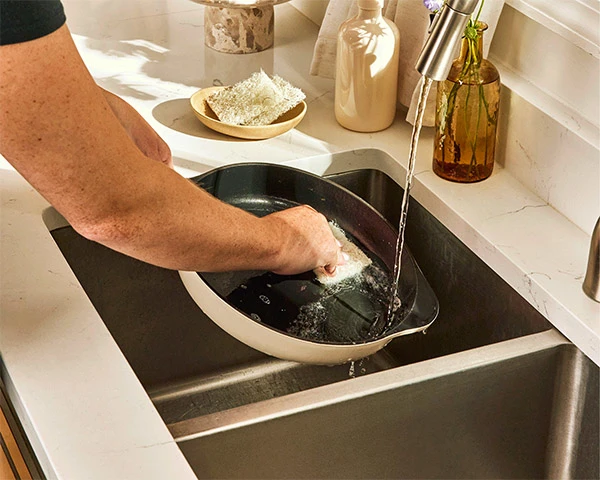
Begin by rinsing the pots under warm running water. This helps wash away loose debris and dirt on the surface.
Use a soft sponge or cloth to scrub the pot gently. Avoid harsh scrubbing tools that could damage the metal further.
- Rinse the pot with warm water
- Use mild dish soap to help loosen dirt
- Gently scrub with a soft sponge or cloth
- Rinse again to remove soap residue
Removing Loose Rust
After rinsing, focus on removing the loose rust particles. This step prepares the pot for deeper cleaning treatments.
| Tool | Purpose | Notes |
|---|---|---|
| Steel wool pad | Scrub off loose rust | Use gently to avoid scratches |
| Sandpaper (fine grit) | Remove stubborn rust spots | Use light pressure for best results |
| Old toothbrush | Clean hard-to-reach areas | Good for corners and edges |

Credit: www.reddit.com
Natural Cleaning Methods
Cleaning rust from kitchen pots can be simple and safe. Using natural ingredients helps protect your pots and the environment.
Here are three easy ways to remove rust using items you likely have at home. Each method uses natural materials to restore your pots.
Using Vinegar Soak
Vinegar is acidic and helps dissolve rust from metal surfaces. Soaking your pot in vinegar softens the rust for easy removal.
- Fill the pot with white vinegar until the rusted area is covered.
- Let it soak for 2 to 3 hours or overnight for tough rust.
- Scrub the rust gently with a soft brush or cloth.
- Rinse the pot well with water and dry it completely.
Baking Soda Paste Technique
Baking soda is mildly abrasive and helps scrub away rust without scratching your pots.
- Mix baking soda with a small amount of water to make a thick paste.
- Apply the paste to the rust spots on your pot.
- Let it sit for 30 minutes to an hour.
- Use a soft brush or sponge to scrub the paste and rust off.
- Rinse and dry the pot thoroughly.
Lemon And Salt Scrub
Lemon juice contains natural acid that breaks down rust. Salt works as a gentle scrub to remove it.
| Ingredient | Purpose |
| Lemon juice | Breaks down rust with natural acid |
| Salt | Acts as gentle abrasive for scrubbing |
To clean your pot, sprinkle salt on the rusted area. Then rub it with half a lemon. Let it sit for 2 hours before scrubbing and rinsing.
Using Commercial Rust Removers
Rust on kitchen pots can make cooking unsafe and damage the cookware. Commercial rust removers are made to clean rust quickly and effectively.
These products use chemicals to break down rust and bring your pots back to good condition. Always follow the instructions for best results.
Choosing The Right Product
Select a rust remover that is safe for kitchen use. Some products are too strong and can harm your pots or leave toxic residues.
Look for removers labeled safe for stainless steel, cast iron, or aluminum, depending on your pot’s material.
- Check if the product is food-safe after cleaning
- Pick a remover suitable for your pot’s metal type
- Choose easy-to-use products with clear instructions
Application Steps
Before applying, wash the pot with soap and water. Dry it well to help the remover work better.
Apply the rust remover as the label directs. Use a sponge or cloth to spread the product evenly on the rusty areas.
- Wear gloves to protect your hands
- Apply remover only on rust spots
- Let the remover sit for the time shown on the label
- Rinse the pot thoroughly with clean water
- Dry the pot completely before storing or using
Precautions
Use rust removers in a well-ventilated area to avoid breathing fumes. Keep the product away from children and pets.
Do not mix rust removers with other cleaning chemicals. Follow the safety instructions on the product label carefully.
- Wear gloves and protective eyewear
- Keep rust remover away from food and drink
- Store the product in a cool, dry place
- Dispose of used materials safely
Deep Cleaning And Polishing
Rust on kitchen pots can make them look old and unsafe to use. Cleaning and polishing these pots can bring back their shine.
Using the right tools and techniques helps remove rust and restore the pot’s surface.
Steel Wool And Scrubbing Pads
Steel wool and scrubbing pads are strong tools for removing rust. They help scrape off the rust without damaging the pot.
Use gentle pressure to avoid scratching the metal. Start with a coarse pad, then use a finer one for smoothness.
- Choose steel wool grade based on rust level
- Scrub in circular motions for better results
- Wear gloves to protect your hands
- Rinse tools often to remove rust bits
Final Rinse And Drying
After scrubbing, rinse the pot with warm water. This removes loose rust and cleaning residue.
Dry the pot immediately with a clean cloth. This stops new rust from forming on wet surfaces.
- Use warm water for better cleaning
- Wipe all wet areas carefully
- Air dry only if you can ensure no moisture stays
Restoring Shine
Polishing brings back the pot’s bright look. Use a metal polish or a paste of baking soda and water.
Apply polish with a soft cloth. Rub gently in circles until the pot shines.
- Use a clean, dry cloth for polishing
- Test polish on a small spot first
- Rinse and dry after polishing if needed
Preventing Rust On Kitchen Pots
Rust can damage your kitchen pots and make them unsafe to use. Keeping them dry and clean helps stop rust from forming. You can protect your pots with simple care steps.
Learn how to dry, store, and maintain your pots to prevent rust. These tips keep your cookware in good shape for longer.
Proper Drying Techniques
After washing, dry your pots right away. Leaving water on metal surfaces causes rust to form fast. Use a clean towel to wipe them completely dry.
Air drying can work if you place pots upside down in a dry, airy spot. Make sure no water pools inside the pots.
Storage Tips
- Store pots in a dry cupboard or shelf.
- Do not stack pots tightly to let air flow.
- Use pot protectors or cloth between stacked pots.
- Avoid damp basements or places with high humidity.
Good storage stops moisture from collecting on your pots. This helps keep rust away and your pots looking new.
Regular Maintenance
| Task | Frequency | Purpose |
|---|---|---|
| Inspect pots for rust spots | Weekly | Catch rust early and clean it |
| Apply a thin layer of cooking oil | Monthly | Create a protective coating |
| Deep clean pots with baking soda paste | Every 2 months | Remove stubborn stains and rust |
Following these maintenance steps keeps your pots rust-free and extends their life.
When To Replace Rusted Pots
Rusted kitchen pots can be cleaned, but some rust means it is time to replace them. Knowing when to stop using a pot helps keep your food safe.
Small rust spots can be scrubbed off. Deep rust or damage may cause health risks and poor cooking results.
Safety Concerns
Rust can flake off into food and cause stomach problems. Some rust may also hold bacteria that regular cleaning cannot remove.
Cooking with heavily rusted pots can change the taste of food and may be unsafe for health. It is important to check your pots often.
- Rust particles can contaminate food
- Bacteria may grow on rusted surfaces
- Rust changes the pot’s cooking quality
- Risk of cuts from rough rusted edges
Signs Of Irreparable Damage
Some rust damage cannot be fixed by cleaning. Look for deep pits, holes, or peeling layers on the pot’s surface.
If the pot is warped or the rust covers a large area, it is better to replace it. These signs mean the pot may fail during use.
- Large areas of thick rust
- Visible holes or deep pits
- Peeling or flaking metal layers
- Warped shape or uneven bottom
Credit: www.carawayhome.com
Frequently Asked Questions
How To Remove Rust From Kitchen Pots?
To remove rust, use white vinegar or baking soda. Soak the pot in vinegar or apply a baking soda paste. Let it sit for a few hours, then scrub with a brush. Rinse thoroughly and dry completely. This method is effective and safe for most pots.
Can Rust Damage My Kitchen Pots?
Yes, rust can damage kitchen pots by weakening the metal over time. It can also affect the taste of food cooked in them. Regular cleaning and maintenance can prevent rust, prolonging the life of your pots. Always dry pots thoroughly after washing to avoid rust formation.
What Home Remedies Remove Rust From Pots?
Home remedies like vinegar, baking soda, and lemon juice are effective for rust removal. Soak or scrub the pot with these ingredients to loosen rust. Rinse and dry thoroughly after treatment. These natural solutions are safe and environmentally friendly, perfect for maintaining your kitchenware.
Are Rusted Pots Safe To Use?
Rusted pots are not safe for cooking, as rust can contaminate food. It may also cause health issues if ingested regularly. Always clean and remove rust before using. For severely rusted pots, consider replacing them to ensure safe cooking and food quality.
Conclusion
Cleaning rust from kitchen pots is simple with the right steps. Use gentle scrubbing and natural ingredients like lemon or baking soda. Avoid harsh chemicals to protect your pots and health. Regular care keeps pots shiny and safe for cooking.
Rust doesn’t have to ruin your kitchen tools. Try these tips soon and see the difference. Clean pots mean better meals and longer use. Keep your kitchen fresh and rust-free every day.