

Are you ready to create the kitchen of your dreams? Drawing your kitchen design might sound tricky, but it’s easier than you think—and it puts you in full control.
When you design your kitchen on paper first, you avoid costly mistakes and make sure every inch works perfectly for you. In this guide, you’ll discover simple steps to sketch your layout, choose the best spots for appliances, and bring your ideas to life.
By the end, you’ll have a clear plan that makes your kitchen project smooth and exciting. Let’s get started!
Gathering Design Tools
Drawing your kitchen design starts with the right tools. Good tools help you plan and create clear layouts.
Choosing what to use depends on your skill and the detail you want. Both simple and digital tools work well.
Essential Drawing Supplies
Basic supplies make drawing easy and neat. These items help you sketch and measure your kitchen design.
- Pencils of different hardness for light and dark lines
- Eraser to fix mistakes cleanly
- Ruler or straightedge for precise lines
- Graph paper to keep proportions correct
- Colored pencils or markers to highlight areas
- Compass for drawing circles or curves
Choosing Design Software
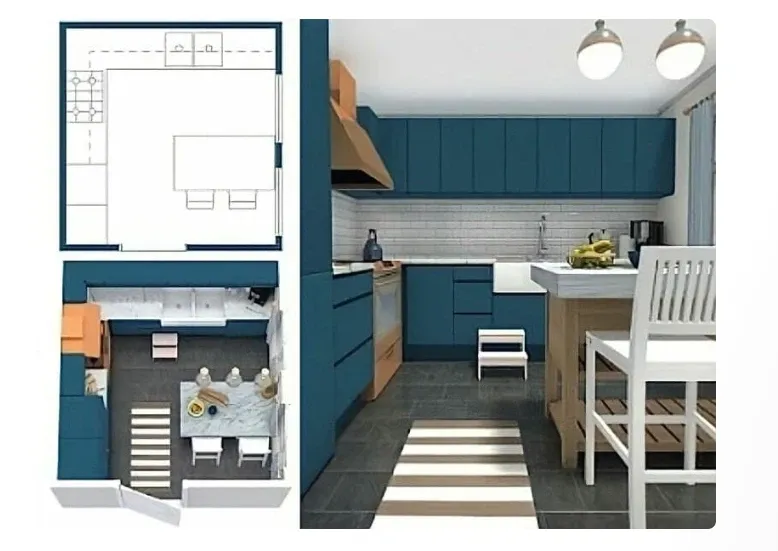
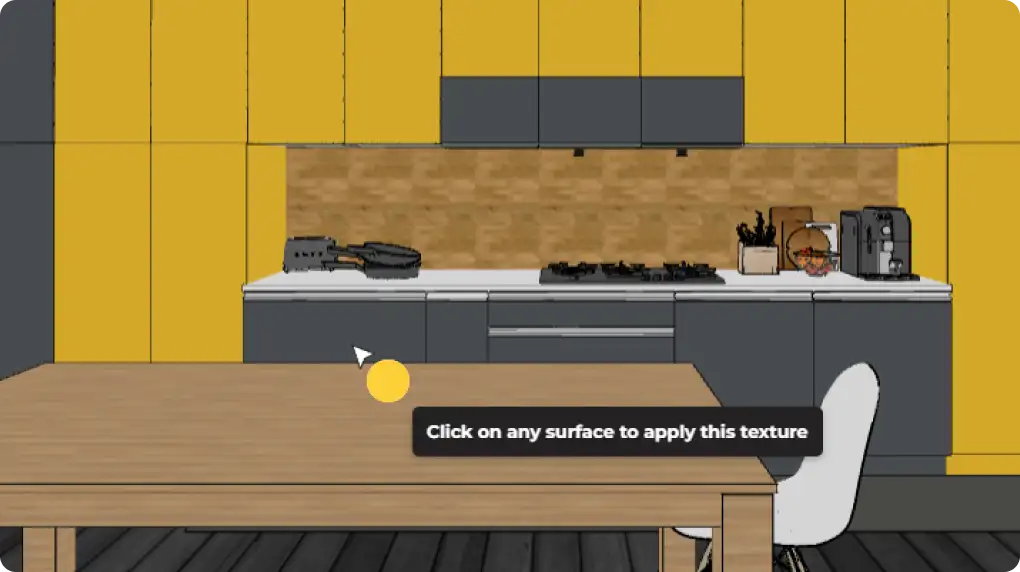
Design software helps you create detailed kitchen plans on your computer. Many programs offer easy tools for beginners.
| Software | Key Features | Best For |
| SketchUp | 3D modeling, easy to use | Visualizing kitchen layout |
| AutoCAD | Precise technical drawings | Detailed professional plans |
| RoomSketcher | Drag and drop design | Quick floor plans |
| Sweet Home 3D | Free, simple interface | Basic home design |
Credit: planner5d.com
Measuring Your Space
Before drawing your kitchen design, you need to measure your space carefully. Accurate measurements help you plan the layout well.
Take your time and use the right tools. This step saves you from costly mistakes later.
Taking Accurate Measurements
Use a tape measure to get exact lengths and widths of your kitchen walls. Measure from corner to corner for better accuracy.
Check the height from floor to ceiling. Also, measure windows, doors, and any built-in features.
- Measure all four walls
- Note ceiling height
- Include window and door sizes
- Measure spaces for appliances
Recording Dimensions Effectively
Write down each measurement clearly on paper or a digital note. Label each number with the part it belongs to.
Draw a simple sketch of your kitchen. Add the measurements to the sketch for easy reference.
- Wall A: 12 ft
- Wall B: 10 ft
- Ceiling Height: 8 ft
- Window: 3 ft x 4 ft
- Door: 2.5 ft x 7 ft
Planning The Layout
Designing your kitchen starts with careful planning of the layout. This helps create a space that is both functional and comfortable.
Focus on how you move and work in the kitchen. A good layout saves time and effort.
Arranging Key Zones
Divide your kitchen into main zones: cooking, cleaning, and storage. Each zone should have easy access to the others.
- Place the stove near the sink for easy cooking and cleaning.
- Keep the refrigerator close to the entrance for quick access.
- Arrange cabinets and pantry for storing food and utensils.
Optimizing Workflow
Good workflow means moving smoothly between tasks. The kitchen should support this flow.
| Task | Ideal Location | Reason |
| Food Preparation | Counter near fridge and sink | Easy access to ingredients and water |
| Cooking | Stove area | Close to prep zone and ventilation |
| Cleaning | Sink and dishwasher area | Near cooking zone for quick cleanup |
Sketching The Floor Plan
Drawing your kitchen floor plan helps you see the space clearly. It shows where everything fits before you start building.
Start with simple sketches. Use easy shapes to mark walls, doors, and key features.
Drawing Walls And Openings
Begin by drawing the outer walls of your kitchen. Use straight lines and keep measurements accurate.
Mark openings like doors and windows. Show their size and where they swing open.
- Use a ruler to keep lines straight
- Label each wall with its length
- Draw doors as gaps with arcs showing the swing
- Mark windows with rectangles on the walls
Marking Appliances And Fixtures
Place appliances like the stove, refrigerator, and sink on your plan. Show their exact spots to plan the layout well.
Add kitchen fixtures such as cabinets, countertops, and lighting. This helps you see the full design.
- Draw simple shapes for each appliance
- Label each item clearly
- Keep enough space for walking and working
- Consider electrical and plumbing needs
Designing Cabinets And Storage
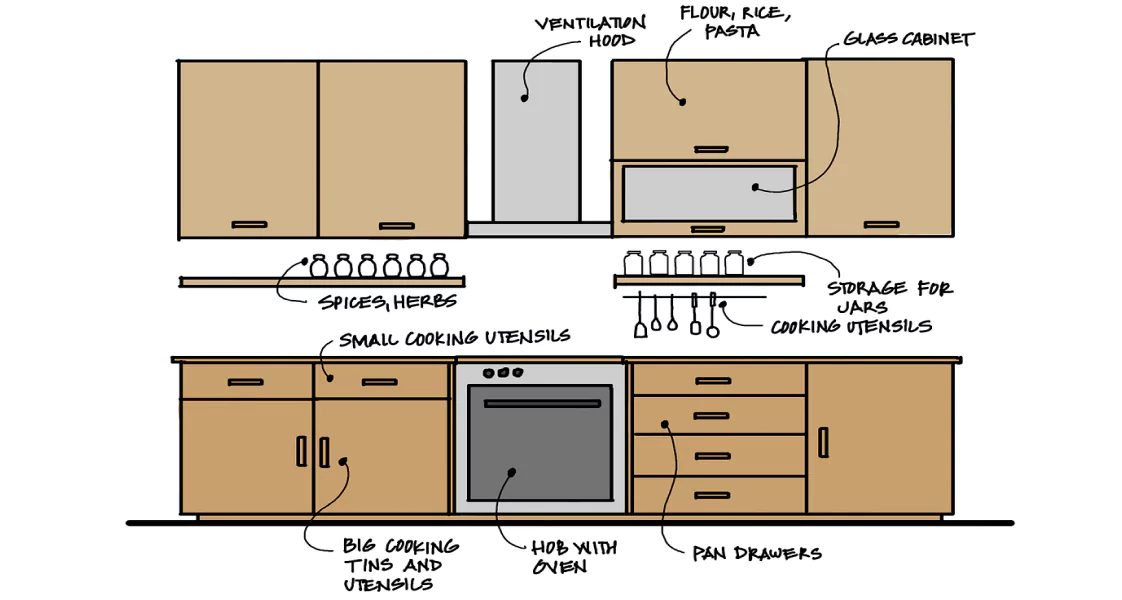
Designing your kitchen cabinets and storage well helps keep things neat and easy to find. Good design makes cooking and cleaning faster and more fun.
This guide focuses on choosing the right cabinet styles and making the most of your storage space. Both parts work together to create a useful kitchen layout.
Selecting Cabinet Styles
Cabinet styles set the look and feel of your kitchen. You can choose from many designs to match your taste and kitchen size.
- Shaker Cabinets:Simple and clean lines, fit most kitchens.
- Flat-Panel Cabinets:Smooth surface, great for modern kitchens.
- Inset Cabinets:Doors sit inside the frame for a classic look.
- Glass-Front Cabinets:Show off dishes or decorations.
- Open Shelving:Easy access and a light, open feel.
Pick styles that match your kitchen’s overall design. Think about colors, materials, and door shapes to create harmony.
Maximizing Storage Options
Good storage lets you fit more items without clutter. Use smart solutions to keep everything organized and easy to reach.
| Storage Type | Benefit | Best Use |
| Pull-out Drawers | Easy access to deep cabinets | Pots, pans, and small appliances |
| Lazy Susans | Use corner space efficiently | Spices, canned goods |
| Vertical Dividers | Store baking sheets upright | Cookie sheets, cutting boards |
| Overhead Cabinets | Extra space above counters | Rarely used items |
| Under-Sink Organizers | Keep cleaning supplies tidy | Cleaning liquids, brushes |
Use these storage types based on your kitchen size and daily needs. Mix and match for the best fit.
Adding Details And Finishes
Adding details and finishes brings your kitchen design to life. These small choices make the space unique and functional.
Focus on the materials and colors to create a balanced and stylish kitchen. The right details improve both look and use.
Choosing Countertops And Backsplashes
Countertops and backsplashes are key in kitchen design. They protect surfaces and add style.
Select materials that fit your budget and lifestyle. Durable surfaces last longer and need less care.
- Granite: strong and heat resistant
- Quartz: low maintenance and smooth
- Tile backsplashes: easy to clean and colorful
- Glass backsplashes: modern and reflective
Selecting Colors And Materials
Colors and materials set the mood of your kitchen. Choose shades that feel warm and welcoming.
Mix different textures to add interest. Use wood, metal, or stone for variety.
- Light colors make the kitchen feel bigger
- Dark colors add a cozy and elegant touch
- Wood cabinets bring warmth and natural look
- Metal fixtures give a modern and sleek feel
Reviewing And Refining Your Design
After drawing your kitchen design, reviewing it helps find problems early. Refining your plan improves how your kitchen works and looks.
Take time to check every part of your design. Small changes now save big changes later.
Checking For Functionality
Ensure your kitchen design works well for cooking and daily tasks. Think about space, flow, and storage.
- Check the work triangle between sink, stove, and fridge.
- Make sure there is enough counter space for prep work.
- Confirm storage areas are easy to reach and use.
- Plan walkways so they are wide and clear of obstacles.
- Include proper lighting for cooking and cleaning areas.
Incorporating Feedback
Ask family or friends to review your design. They may see things you missed.
| Feedback Type | Example | Action to Take |
| Space Use | Too little counter space | Add more counters near stove |
| Storage | Hard to reach cabinets | Lower shelves or use pull-out drawers |
| Flow | Walkways feel tight | Widen paths between appliances |
| Lighting | Dark corners | Install extra lights or windows |
Credit: foyr.com
Preparing Final Presentation
Presenting your kitchen design clearly is very important. It helps others understand your ideas well.
Good presentation makes your design look professional and easy to follow. It shows your hard work.
Creating Clear Drawings
Use simple lines and shapes to show each part of the kitchen. Avoid clutter and keep it neat.
Label important items like cabinets, appliances, and counters. Use clear text that is easy to read.
- Draw to scale for accurate size representation
- Use different colors to separate zones
- Include measurements for all key parts
- Show multiple views: top, front, and side
Sharing Your Design
Choose the right format to share your design with others. Digital files and printed copies work well.
Explain your design clearly when you present it. Use simple language and answer questions carefully.
- Send PDF files for easy viewing on any device
- Print large drawings for meetings or reviews
- Use slideshows to highlight key points
- Prepare to discuss design choices and changes
Credit: foyr.com
Frequently Asked Questions
What Tools Are Best For Drawing Kitchen Designs?
Use graph paper, pencils, rulers, and design software like SketchUp or AutoCAD. These tools help create precise layouts and visualize your kitchen effectively.
How Do I Measure My Kitchen For A Design?
Measure walls, windows, doors, and appliances. Note all dimensions accurately to ensure your design fits perfectly within the space.
What Kitchen Layout Suits Small Spaces Best?
L-shaped or galley layouts optimize space in small kitchens. They provide efficient workflow and maximize storage without crowding the area.
How Can I Choose The Right Kitchen Design Style?
Consider your home’s overall style and your personal preferences. Popular styles include modern, farmhouse, and traditional designs.
Conclusion
Designing your dream kitchen can be simple and fun. Start with your ideas. Sketch them out on paper. Use basic shapes to plan your space. Think about function and flow. Where will you cook, eat, and store items? Keep your plan flexible for changes.
Consider lighting and colors for mood. Remember, your kitchen reflects your style. Enjoy the process. Your perfect kitchen design is just a few steps away. Happy designing!


