Have you ever opened your kitchen cupboard, only to find a collection of rusted pots staring back at you? It’s a common issue that can leave you feeling frustrated and unsure of what to do next.
You might be wondering if it’s possible to revive these culinary companions or if it’s time to part ways. Knowing How to Dispose Rusted Kitchen Pots isn’t just about tossing them in the trash; it’s about doing it safely and sustainably. You’ll discover the best ways to handle rusted pots without harming the environment or cluttering your home.
Get ready to transform your kitchen space and learn the secrets to disposing of those pots in a way that makes you feel good about your choices. Keep reading to find out how you can tackle this task with confidence and ease!
Credit: www.amazon.com
Identify Rust Damage
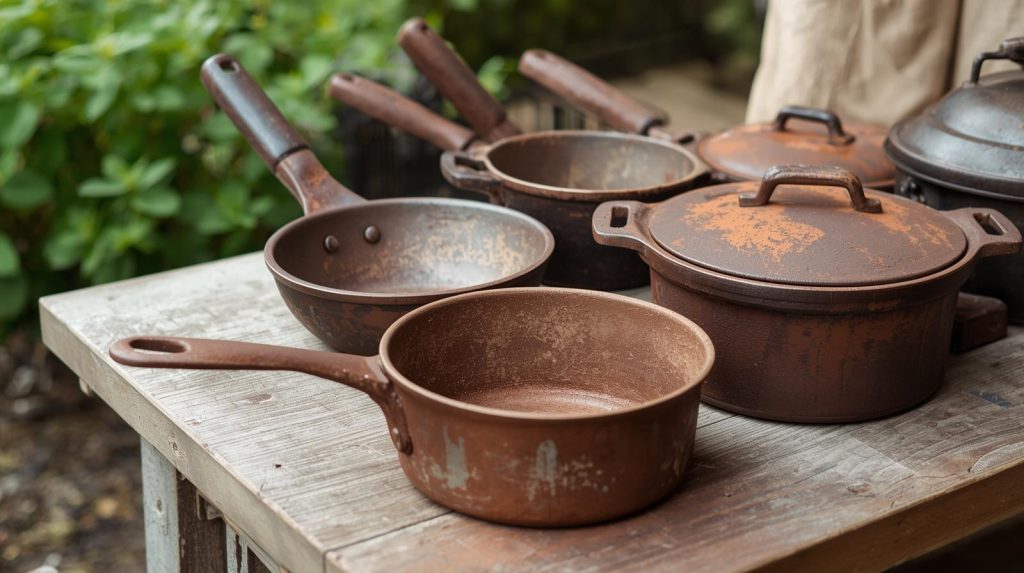
Rusted kitchen pots can affect your cooking and health. It is important to spot rust damage early. Knowing how bad the rust is helps decide if you should keep or throw away the pot.
Rust appears as reddish-brown spots or flaky areas on metal. It happens when metal reacts with water and air over time. Let’s learn how to check the rust damage on your pots.
Check Extent Of Rust
Look closely at your pot to see how much rust is on it. Small spots on the outside might be okay. Large areas or deep rust inside the pot can be a problem.
- Check both inside and outside of the pot
- Notice if rust is just surface level or deep
- Look for cracks or holes caused by rust
- Touch the rust to see if it flakes off easily
Assess Safety For Use
Rust in kitchen pots can be unsafe. Eating food cooked in rusty pots may cause health problems. Decide if the pot is still safe to use or if it should be disposed of.
- Small rust spots can be cleaned and removed
- Deep rust or holes make the pot unsafe
- If rust cannot be removed, do not use the pot
- Consider replacing pots with heavy rust damage
Clean Rusted Pots
Rusted kitchen pots can be tough to clean. Removing rust helps extend their life.
Using natural and household items is safe and affordable. These options work well on rust.
Use Natural Rust Removers
Natural rust removers are gentle and eco-friendly. They remove rust without harsh chemicals.
Common natural removers include lemon juice, vinegar, and baking soda. These break down rust effectively.
- Lemon juice contains acid that dissolves rust.
- White vinegar soaks into rust and loosens it.
- Baking soda acts as a mild abrasive to scrub rust away.
Try Household Ingredients
Household ingredients are easy to find and use. They help clean rust without special tools.
Mix baking soda with water to make a paste. Apply it to rust and scrub with a brush.
- Soak the pot in vinegar for a few hours.
- Rub lemon juice on rust spots and let it sit.
- Use a steel wool pad or brush to scrub after soaking.
- Rinse and dry the pot thoroughly to prevent new rust.
Repurpose Old Pots
Rusted kitchen pots do not need to be thrown away. You can give them a new life by repurposing them. This helps reduce waste and adds charm to your home.
Here are two practical ways to reuse your old pots.
Create Planters
Old pots make unique planters for flowers, herbs, or small plants. Their rustic look fits well in gardens or balconies. You can paint them or leave them as they are for a vintage touch.
- Clean the pot thoroughly before use.
- Drill holes at the bottom for drainage.
- Fill with soil and plant your favorite seeds.
- Place the planter in a sunny spot.
Use As Storage Containers
Rusted pots can also serve as storage containers. They are great for holding tools, kitchen utensils, or craft supplies. This keeps things organized and easy to find.
| Item Stored | Suggested Pot Size |
| Garden Tools | Large |
| Kitchen Utensils | Medium |
| Craft Supplies | Small |
Credit: www.vevor.ca
Recycle Metal Pots
Rusted kitchen pots should not be thrown in the trash. Recycling metal pots helps save resources. It reduces waste and pollution.
Many metal pots can be recycled safely. You just need to know where to take them and how to prepare them for recycling.
Find Local Recycling Centers
Start by locating recycling centers near you. Not all centers accept metal pots, so check first. You can search online or call your local waste management office.
- Visit your city’s official recycling website
- Use online tools to find metal recycling locations
- Ask neighbors or community groups for recommendations
- Call centers to confirm they accept rusted metal pots
Prepare Pots For Recycling
Clean and prepare your pots before recycling. Removing food residue and handles helps the process. Some centers require pots to be dry and free of non-metal parts.
| Preparation Task | Details |
| Remove handles | Detach plastic or wooden parts |
| Clean pots | Wash off food and grease |
| Dry thoroughly | Prevent rust and contamination |
| Check local rules | Follow center-specific instructions |
Dispose Responsibly
Rusted kitchen pots can be harmful to the environment if thrown away carelessly. It is important to dispose of them in a responsible way.
Proper disposal helps reduce waste and keeps harmful materials out of landfills. Let’s explore how to do this.
Avoid Landfill Disposal
Throwing rusted pots in the trash adds to landfill problems. Metals take a long time to break down and can pollute soil and water.
Instead, recycle or repurpose the metal parts to keep them out of landfills.
- Check local recycling centers for metal acceptance
- Separate metal parts from non-metal parts
- Clean pots before recycling to remove food residues
Consider Donation Options
Some rusted pots can still be useful to others. Donating them helps reduce waste and supports community members.
Look for local charities or art groups that accept old kitchen items for reuse or craft projects.
- Contact thrift stores to see if they accept rusted pots
- Offer pots to schools or art centers for craft use
- Give away pots through community sharing programs
Prevent Future Rust
Rusted kitchen pots can be unsafe and look bad. You can stop rust from coming back. Taking care of your pots helps them last longer.
Proper cleaning and regular maintenance keep your pots in good shape. These habits protect them from rust and damage.
Proper Cleaning Techniques
Clean pots right after use. Avoid leaving food or water on them for long. Use gentle scrubbing tools to protect the surface.
Do not use harsh chemicals or steel wool. These can scratch and expose metal, causing rust.
- Wash with warm water and mild soap
- Use soft sponges or cloths
- Dry pots completely after washing
- Remove stuck food carefully without scratching
Regular Maintenance Tips
Check your pots often for scratches or rust spots. Fix small rust areas quickly to stop them from spreading.
Store pots in dry places. Avoid stacking them while wet. Use protective coatings like oil to keep moisture away.
- Inspect pots weekly for rust or damage
- Apply a thin layer of cooking oil after cleaning
- Keep pots dry before storing
- Use pot holders or separators when stacking

Credit: m.youtube.com
Frequently Asked Questions
How Can I Safely Dispose Of Rusted Kitchen Pots?
To dispose of rusted pots safely, check local recycling rules. Many metal pots can be recycled at scrap metal centers. Avoid throwing them in regular trash to reduce environmental harm. Clean pots before recycling and remove non-metal parts if possible.
Can Rusted Pots Be Recycled Or Repurposed?
Yes, rusted pots made of metal are often recyclable. Some can be repurposed as planters or art projects. Ensure to clean and remove hazardous materials before repurposing. Recycling helps reduce waste and supports environmental sustainability.
What Should I Avoid When Disposing Rusted Pots?
Avoid throwing rusted pots in regular trash if local laws prohibit it. Do not burn pots, as toxic fumes may release. Avoid mixing pots with non-recyclable waste. Always separate metal parts and follow local disposal guidelines to ensure safety.
Is It Safe To Donate Rusted Kitchen Pots?
Donating rusted pots is not recommended as they may pose health risks. Most charities prefer clean, usable items. Instead, recycle or repurpose rusted pots to prevent harm and waste. Proper disposal supports community health and safety.
Conclusion
Rusted kitchen pots should not be thrown in regular trash. Recycling centers accept metal pots for proper disposal. Cleaning and separating parts helps the process. Some local programs offer special collection days. Donating pots with minor rust can extend their life.
Taking care of your kitchen items reduces waste. Small steps make a big difference for the environment. Always check local rules for safe disposal methods. Your effort keeps homes and nature cleaner. Keep your kitchen safe and eco-friendly by disposing responsibly.