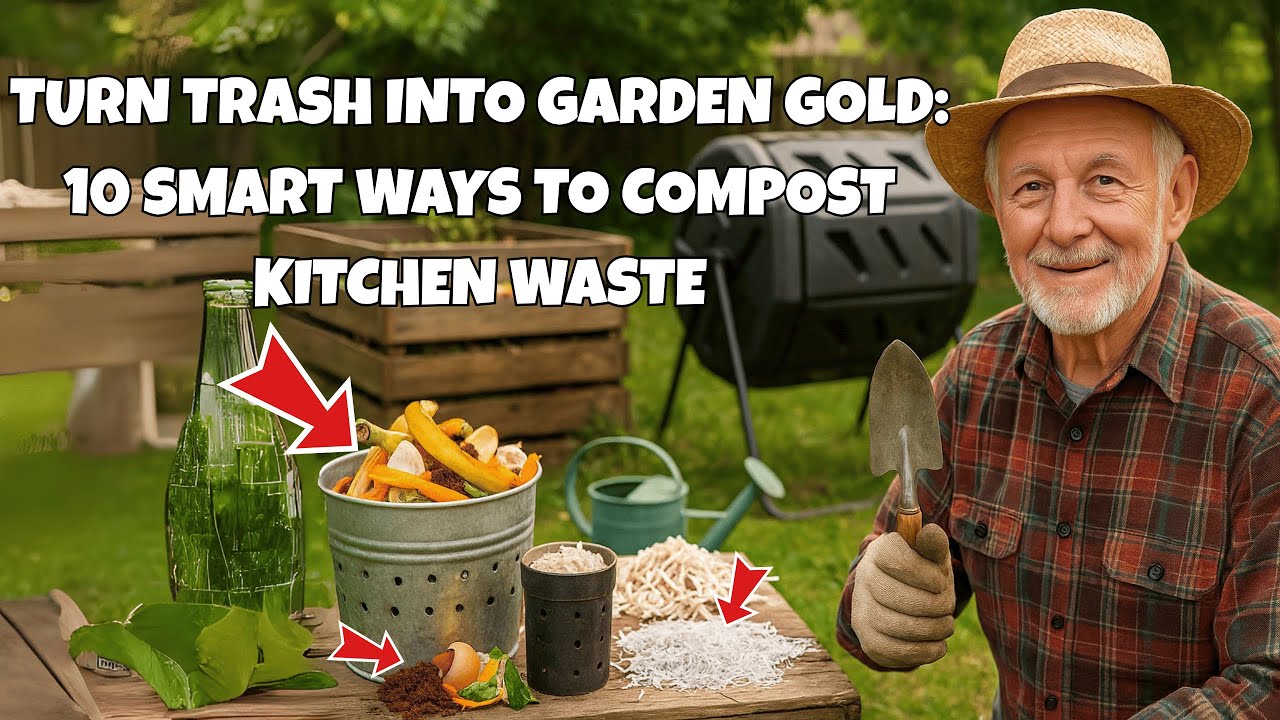
Are you tired of throwing away kitchen scraps, knowing they could be put to better use? Imagine turning your food waste into nutrient-rich compost that can transform your garden into a lush paradise.
Creating compost from kitchen waste is not only easy but also an incredibly rewarding way to recycle and contribute to a healthier planet. In this guide, you'll discover simple, effective steps to transform your kitchen scraps into valuable compost. Whether you're a seasoned gardener or just starting, this process will save you money, reduce waste, and give your plants a natural boost.
Dive in and unlock the secret to sustainable living right in your backyard.
Benefits Of Composting Kitchen Waste
Composting kitchen waste turns food scraps into useful soil. It is easy to do at home.
Many people compost to help the environment and their gardens. It saves money and reduces trash.
Reduces Landfill Waste
Kitchen waste makes up a large part of trash. Composting keeps it out of landfills.
Less waste in landfills means less pollution and fewer greenhouse gases. This helps fight climate change.
Improves Soil Health
Compost adds nutrients to the soil. It helps plants grow strong and healthy.
Healthy soil holds water better and stops erosion. It supports earthworms and beneficial microbes.
Saves Money On Fertilizers
Making your own compost reduces the need to buy fertilizers. It is a natural and free option.
Using compost lowers garden costs and reduces chemical use. This is good for your plants and the earth.
Reduces Greenhouse Gas Emissions
Food waste in landfills creates methane gas. Methane is a strong greenhouse gas.
Composting kitchen waste lowers methane release. This helps reduce global warming effects.
Supports Plant Growth Naturally
Compost provides plants with slow-release nutrients. It helps plants grow without chemicals.
It improves soil texture and increases beneficial organisms. This creates a healthy garden environment.
Reduces Household Odors And Pests
Composting kitchen waste properly cuts down bad smells. It keeps pests away from your trash.
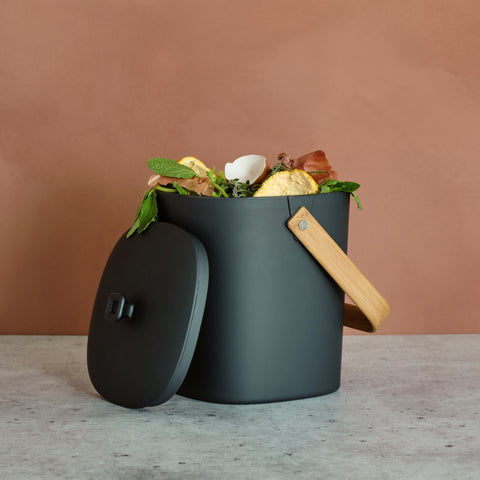
Using a compost bin with a lid helps keep your kitchen clean and fresh.
Choosing The Right Compost Bin
Choosing the right compost bin helps you recycle kitchen waste easily. The bin type affects how fast your compost breaks down.
Consider the size and where you will place the bin. This makes composting neat and convenient.
Types Of Compost Bins
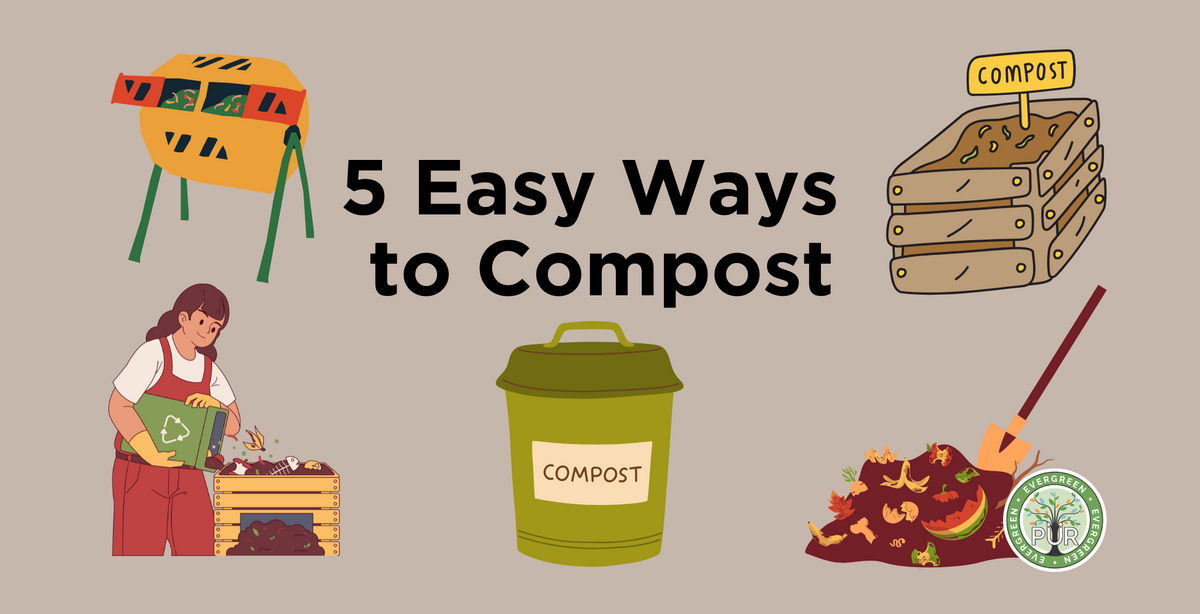
There are different compost bins. Each one works well for certain spaces and needs.
- Plastic Bins:Lightweight and easy to clean. They keep moisture in.
- Wooden Bins:Natural look and good airflow. They may need repairs over time.
- Metal Bins:Durable and pest-resistant. They can heat up quickly.
- Compost Tumblers:Bins that rotate to mix compost. They speed up the process.
Size And Placement Tips
| Tip | Details |
| Size | Choose a bin that fits your kitchen waste volume. |
| Location | Place the bin in a shaded, well-drained spot. |
| Airflow | Ensure good airflow to reduce smell and speed composting. |
| Accessibility | Keep the bin easy to reach for daily use. |
| Protection | Use a lid or cover to keep pests out. |
Kitchen Waste Suitable For Composting
Composting kitchen waste helps reduce trash and creates rich soil. Many kitchen scraps break down quickly and nourish plants.
Knowing what kitchen waste to compost makes the process easy and effective. Avoid adding items that slow compost or cause problems.
Vegetable And Fruit Scraps
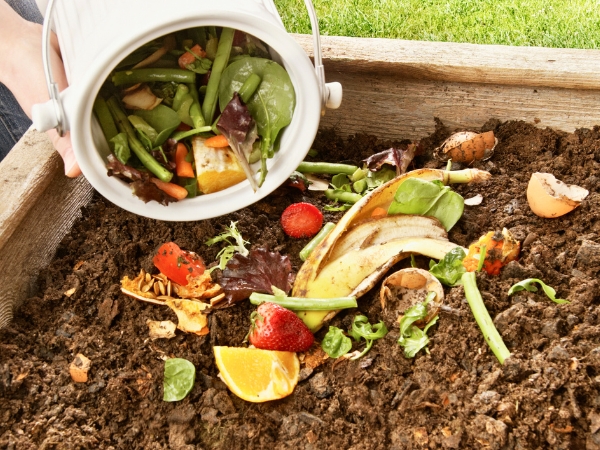
Vegetable and fruit scraps are great for compost. They provide moisture and nutrients that speed up decomposition.
Use peels, cores, and leaves from fruits and vegetables. Chop large pieces to help them break down faster.
- Apple cores and peels
- Carrot tops and peels
- Potato peels
- Banana peels
- Leafy greens
- Melon rinds
Coffee Grounds And Tea Bags
Coffee grounds add nitrogen to compost, which is important for healthy soil. They also improve soil texture.
Used tea bags can be composted if they are made of natural materials. Remove any staples or plastic before adding.
- Fresh or used coffee grounds
- Natural tea bags without plastic
- Loose tea leaves
Eggshells And Other Items To Avoid
Eggshells add calcium to compost but break down slowly. Crush them before adding to speed decomposition.
Avoid adding meat, dairy, oily foods, and pet waste. These attract pests and cause bad smells.
- Crushed eggshells
- Do not add meat or bones
- Avoid dairy products
- No oily or greasy food scraps
- Exclude pet waste
Credit: canadale.ca
Preparing Kitchen Waste For Compost
Composting kitchen waste helps reduce trash and creates rich soil. Proper preparation makes composting faster and easier.
Sorting and preparing your kitchen scraps is important. It improves the breakdown process and avoids bad smells.
Chopping And Shredding
Cutting kitchen waste into smaller pieces speeds up decomposition. Smaller bits allow microbes to work faster and better.
- Chop vegetable peels and scraps into 1-2 inch pieces
- Shred leafy greens to increase surface area
- Break up bread or cooked food into small chunks
- Avoid large whole fruits or big bones
Balancing Greens And Browns
Compost needs a good mix of green and brown materials. Greens are wet and rich in nitrogen. Browns are dry and provide carbon.
| Material Type | Examples | Role in Compost |
| Greens | Fruit scraps, vegetable peels, coffee grounds | Add nitrogen, moisture |
| Browns | Dry leaves, paper towels, cardboard pieces | Add carbon, improve aeration |
Composting Process Steps
Creating compost from kitchen waste is an easy way to reduce trash. It turns food scraps into rich soil for plants.
Follow simple steps to make compost that helps your garden grow healthy and strong.
Layering Materials
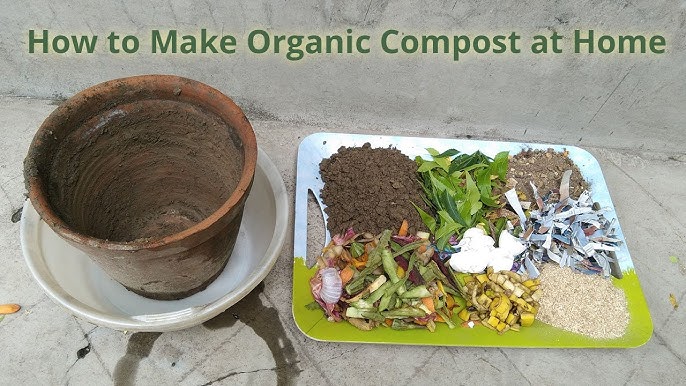
Start by adding layers of different materials. Use green items like fruit peels and vegetable scraps. Add brown items like dry leaves and paper.
Layering helps balance nutrients and speeds up decomposition. Alternate green and brown layers about 2-3 inches thick.
- Green materials: kitchen scraps, coffee grounds, grass clippings
- Brown materials: dry leaves, shredded paper, cardboard
- Start with a brown layer at the bottom for airflow
- Keep layers even for faster composting
Maintaining Moisture And Aeration
Compost needs the right amount of water. Keep it damp like a wrung-out sponge. Too wet or dry slows the process.
Air helps microbes break down the waste. Make sure air can flow through the pile by not packing it tightly.
- Water the pile if it feels dry
- Cover compost to keep moisture in
- Do not let the pile stay soggy
- Leave space between materials for air
Turning The Compost
Turning the compost mixes the materials and adds oxygen. This helps the pile break down evenly and faster.
Use a pitchfork or shovel to turn the pile every one to two weeks. Move the outside materials to the center.
- Turn the pile regularly for good air flow
- Mix dry and wet parts to balance moisture
- Break up clumps to speed up decomposition
- Check temperature after turning to track progress
Credit: purevergreen.com
Troubleshooting Common Issues
Composting kitchen waste can sometimes cause problems. These issues can slow down composting or make it less pleasant.
Knowing how to fix common problems helps keep your compost healthy and effective.
Odor Problems
Bad smells from compost mean it is too wet or lacks air. This causes harmful bacteria to grow.
Fix odor by turning the compost to add air and mix materials well.
- Add dry brown materials like leaves or paper to absorb moisture
- Do not add meat, dairy, or oily foods that cause strong smells
- Keep the compost pile covered but ventilated
Pests And Insects
Fruit flies, rodents, and other pests may come if food scraps are exposed. Pests spread germs and harm compost.
Stop pests by using a closed compost bin and burying kitchen waste under brown materials.
- Do not add meat, bones, or oily foods that attract pests
- Cover fresh scraps with a layer of dry leaves or shredded paper
- Use fine mesh or lids on bins to keep animals out
Slow Decomposition
If compost breaks down slowly, it may lack moisture, air, or the right mix of materials.
Speed up decomposition by balancing green and brown materials and keeping the pile moist but not wet.
- Turn the pile regularly to add air
- Add water if the compost is dry, but avoid soaking it
- Include enough green kitchen scraps like vegetable peels
- Add brown materials like dry leaves or cardboard for carbon
Harvesting And Using Finished Compost
Compost made from kitchen waste is a natural fertilizer for your garden. It improves soil health and helps plants grow strong.
Knowing when to harvest and how to use finished compost is important. This guide will help you do both correctly.
Signs Compost Is Ready
Finished compost looks dark, crumbly, and smells like fresh earth. It should not have any food scraps or large pieces left.
Check for these signs to know if your compost is ready:
- Rich brown or black color
- Soil-like texture without large chunks
- Earthy smell with no bad odor
- Steady temperature close to room temperature
- No visible food waste or eggshells
Applying Compost In Your Garden
Use finished compost to feed plants and improve soil structure. It helps retain moisture and adds nutrients.
Here are ways to apply compost:
- Spread a 1-2 inch layer on garden beds
- Mix compost into soil before planting
- Add compost around trees and shrubs
- Use as mulch to reduce weeds and keep soil moist
- Mix with potting soil for container plants

Credit: www.youtube.com
Frequently Asked Questions
What Kitchen Waste Is Best For Composting?
Vegetable peels, fruit scraps, coffee grounds, and eggshells are ideal for composting. Avoid meat, dairy, and oily foods as they attract pests and slow decomposition.
How Long Does Kitchen Waste Take To Compost?
Kitchen waste typically takes 2 to 6 months to fully decompose. Proper moisture, aeration, and temperature speed up the composting process.
Can I Compost Cooked Food Scraps Safely?
Cooked food scraps can be composted but in small amounts. Avoid oily, spicy, or heavily salted foods to prevent odor and pests.
How Do I Maintain The Right Moisture In Compost?
Keep compost moist like a wrung-out sponge. Add water if dry and add dry brown materials if too wet to balance moisture.
Conclusion
Creating compost from kitchen waste helps reduce trash and enrich soil. Start small and add your vegetable scraps regularly. Turn the compost often to speed up the process. Avoid adding meat or oily foods to keep pests away. Soon, you will have rich, dark compost for your garden.
This natural fertilizer helps plants grow strong and healthy. Composting saves money and supports the environment. Give it a try and watch your kitchen waste transform into garden gold. Simple steps lead to big benefits for your home and planet.