Are you ready to transform your backyard into a haven of smoky, savory aromas? Imagine the anticipation of biting into a piece of perfectly smoked pork shoulder, where each tender morsel melts in your mouth.
The secret to this mouthwatering experience lies in your ability to master the art of smoking pork shoulder. If you’ve ever felt intimidated by this process, don’t worry—you’re not alone. Many home cooks wonder exactly how to cook pork shoulder in a smoker to get that unbeatable flavor and tenderness.
But here’s the good news: with the right guidance, you can create a masterpiece that will have your friends and family asking for seconds. In this guide, we’ll walk you through each step to ensure your smoked pork shoulder is nothing short of spectacular. Ready to get started? Let’s dive into the delicious world of smoking pork shoulder.

Credit: www.reddit.com
Choosing The Right Pork Shoulder
Picking the right pork shoulder is key to tasty smoked meat. This choice affects cooking time and flavor.
Understanding the differences in cuts helps you get the best results from your smoker.
Bone-in Vs. Boneless
Bone-in pork shoulder keeps more moisture and flavor during smoking. The bone helps the meat cook evenly.
Boneless pork shoulder is easier to handle and slice. It cooks slightly faster but may lose some juiciness.
- Choose bone-in for richer taste and better moisture
- Pick boneless for easier carving and faster cooking
- Consider your smoker size and cooking time
Size And Quality Tips
Select a pork shoulder that weighs between 5 and 8 pounds. This size cooks well in most smokers.
| Factor | What to Look For |
|---|---|
| Marbling | Good amount of fat streaks for flavor and tenderness |
| Color | Fresh pink to reddish color, no discoloration |
| Smell | Clean, fresh smell with no sour odor |
| Packaging | Properly sealed without tears or leaks |
Credit: saltbuttersmoke.com
Preparing The Meat
Cooking pork shoulder in a smoker needs good preparation. This helps the meat cook well and taste great.
Preparing the meat right makes sure the flavors soak in and the pork stays juicy.
Trimming Excess Fat
Trim the pork shoulder to remove large fat pieces. Leave some fat for flavor and moisture.
Too much fat can cause flare-ups in the smoker and uneven cooking.
- Use a sharp knife for trimming
- Keep a thin fat layer to protect meat
- Remove thick fat caps and silver skin
Applying A Dry Rub
Dry rubs add flavor and help form a tasty crust on the pork. Use your favorite spices and herbs.
Rub the mixture all over the pork shoulder. Cover every part evenly for best results.
- Salt helps tenderize and bring out flavors
- Use paprika for color and mild heat
- Black pepper adds sharpness
- Brown sugar gives a sweet balance
- Garlic and onion powder boost aroma
Injecting Flavor Enhancers
Injecting liquids adds moisture and deeper flavor inside the pork. Use a meat injector for this.
Common injectors include broth, apple juice, or a mix of spices and liquids.
- Inject evenly in different spots
- Use about 1 to 2 ounces of liquid per pound
- Let the meat rest so flavors spread well
Setting Up Your Smoker
Getting your smoker ready is the first step to cooking pork shoulder. A good setup helps you cook the meat evenly and keep it juicy. This guide will help you prepare your smoker for the best results.
Focus on three main parts: choosing the right wood, controlling the temperature, and managing smoke levels. Each part plays a role in the flavor and texture of your pork shoulder.
Selecting Wood Types
Wood type affects the flavor of your pork shoulder. Choose wood that matches the taste you want. Avoid softwoods like pine because they can make the meat bitter.
- Hickory: Strong, smoky flavor, great for pork.
- Apple: Mild and sweet, adds light fruitiness.
- Cherry: Sweet and fruity, gives a rich color.
- Oak: Medium smoky taste, burns evenly.
- Pecan: Nutty flavor, not too strong.
Temperature Control Basics
Keeping the right temperature is key to tender pork shoulder. Most smokers work best at low and slow heat. Aim to keep your smoker between 225°F and 250°F for steady cooking.
| Temperature | Effect |
| Below 225°F | Cooking takes longer, meat may dry out |
| 225°F–250°F | Ideal range for tender, juicy pork |
| Above 250°F | Faster cooking, risk of toughness |
Managing Smoke Levels
Smoke adds flavor but too much can make the meat bitter. Use small amounts of wood and keep smoke thin and blue. Thick white smoke means you need more airflow or less wood.
Follow these tips to control smoke:
- Use dry wood chunks or chips.
- Keep smoker vents open for airflow.
- Add wood slowly to avoid thick smoke.
- Check smoke color frequently.

Credit: www.youtube.com
Smoking Process
Smoking pork shoulder takes time and patience. You need to prepare your smoker well. The goal is to cook the meat slowly at a steady temperature.
This guide covers the key parts of smoking pork shoulder. Learn how to preheat the smoker, place the meat, and keep the heat steady.
Preheating The Smoker
Start by lighting your smoker early. Aim for a temperature between 225°F and 250°F. This range cooks the pork slowly and keeps it juicy.
- Clean the smoker grates
- Add your wood chips or chunks
- Light the charcoal or turn on the electric smoker
- Wait 20-30 minutes for the smoker to reach the right heat
- Use a thermometer to check the temperature
Placing The Pork Shoulder
Put the pork shoulder on the smoker grate fat side up. This lets the fat drip and keeps the meat moist. Place it away from direct heat to avoid burning.
| Position | Reason |
| Fat side up | Keeps meat moist as fat melts |
| Away from direct heat | Prevents burning and cooks evenly |
| Use water pan | Keeps smoker humid and tenderizes meat |
Maintaining Consistent Heat
Keep the smoker temperature steady for best results. Fluctuating heat can dry out the pork or make it cook unevenly.
- Check the smoker temperature every hour
- Add fuel or wood chips as needed
- Adjust vents to control airflow and temperature
- Use a meat thermometer to check pork temperature
- Keep the smoker closed as much as possible
Monitoring And Timing
Cooking pork shoulder in a smoker needs close attention. You must track its temperature and time carefully.
Knowing how to check the meat and estimate cooking time helps you get the best results.
Using A Meat Thermometer
A meat thermometer shows the internal temperature of the pork shoulder. It tells you when the meat is safe and tender.
- Insert the thermometer into the thickest part, avoiding bone.
- Watch for a temperature of about 195°F to 205°F for tender pork.
- Check the temperature every hour after the first few hours.
- Remove the meat once it reaches the right temperature.
Understanding Smoke Rings
A smoke ring is a pink layer just below the surface of smoked meat. It shows the meat absorbed smoke properly.
While it looks nice, the smoke ring does not affect taste much. Focus on the internal temperature and cooking time.
Estimating Cooking Duration
Cooking time depends on the size of the pork shoulder and the smoker temperature.
| Weight of Pork Shoulder | Smoker Temperature | Estimated Cooking Time |
| 4 to 6 lbs | 225°F | 6 to 8 hours |
| 7 to 9 lbs | 225°F | 8 to 10 hours |
| 4 to 6 lbs | 250°F | 5 to 7 hours |
| 7 to 9 lbs | 250°F | 7 to 9 hours |
Wrapping And Resting
Cooking pork shoulder in a smoker requires patience and care. Two key steps are wrapping the meat and letting it rest. These help keep the pork juicy and tender.
Wrapping seals in moisture during cooking. Resting allows juices to redistribute after smoking. Both steps improve the final flavor and texture.
When And How To Wrap
Wrap the pork shoulder after it reaches the stall, around 160°F (71°C). Use foil or butcher paper to cover it tightly. This traps heat and moisture to speed up cooking.
- Check the internal temperature with a meat thermometer.
- Place the pork on a large sheet of foil or butcher paper.
- Wrap it snugly, sealing all edges to keep steam inside.
- Return the wrapped pork to the smoker to finish cooking.
Resting For Maximum Juiciness
After smoking, rest the pork shoulder before slicing. Resting lets the juices settle and spread evenly. This prevents dry meat and makes it easier to pull.
| Resting Time | Effect |
| 30 minutes | Juices start to redistribute |
| 1 hour | Meat becomes tender and moist |
| 2 hours (wrapped in a cooler) | Keeps warm and juicy longer |
Serving Suggestions
Serving smoked pork shoulder right can make your meal special. The way you pull the pork and what you serve with it matters a lot.
Here are some tips on how to serve your smoked pork shoulder with great sides and sauces.
Pulling The Pork
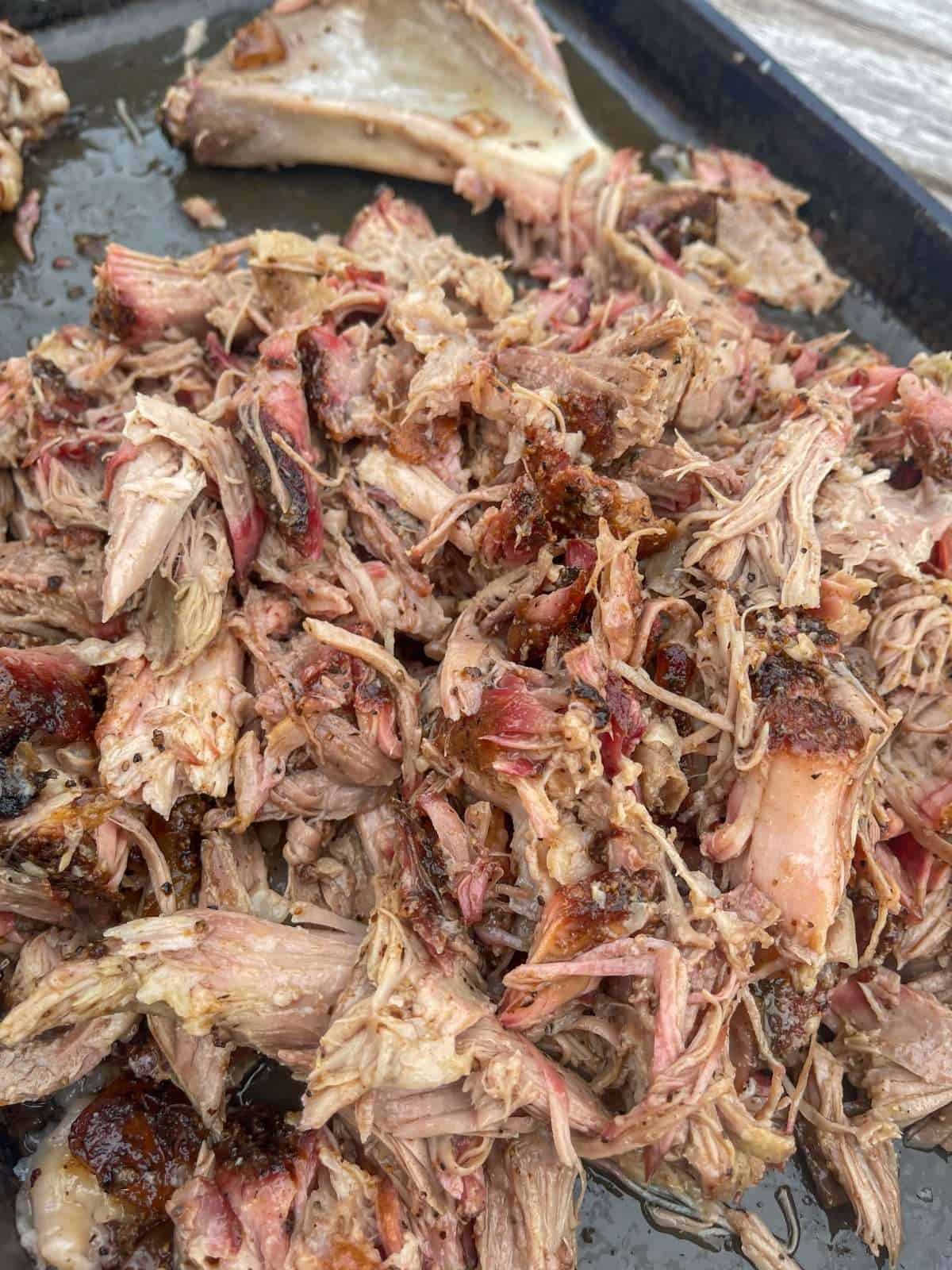
After smoking, let the pork shoulder rest for 20 minutes. Use two forks to pull the meat apart. Pull the pork into bite-sized pieces or shreds. Mixing in the crispy bark adds great texture and flavor.
- Use warm gloves to handle hot meat safely.
- Pull against the grain for tender bites.
- Save any juices to mix back into the pork.
- Keep pulled pork warm before serving.
Pairing With Sides And Sauces
Smoked pork shoulder pairs well with classic sides and a variety of sauces. Offering several options lets guests choose their favorites.
| Side Dish | Description |
|---|---|
| Coleslaw | Crisp and tangy, it adds crunch and freshness. |
| Baked Beans | Rich and sweet, they complement smoky pork well. |
| Cornbread | Soft and slightly sweet, perfect for soaking juices. |
| Pickles | Sharp and acidic, they balance the pork’s richness. |
- Offer barbecue sauce options like sweet, spicy, or vinegar-based.
- Serve with fresh bread or sandwich buns.
- Add sliced onions and jalapeños for extra flavor.
Troubleshooting Common Issues
Cooking pork shoulder in a smoker can be tricky. Many people face problems that affect taste and texture.
Knowing how to fix common issues helps you get better results every time you smoke pork shoulder.
Dry Meat Fixes
Dry pork shoulder happens when it cooks too long or at too high a temperature. This dries out the meat and makes it tough.
Use these tips to bring moisture back and avoid dryness next time.
- Wrap the pork shoulder in foil or butcher paper during cooking.
- Spritz the meat with apple juice or water every hour.
- Let the meat rest covered with foil for 30 minutes before slicing.
- Serve with barbecue sauce or a moist gravy to add flavor and moisture.
Avoiding Over-smoking
Too much smoke can make pork shoulder taste bitter or harsh. Use wood chips carefully and control smoke levels.
Follow these ideas to keep smoke flavor balanced and pleasant.
- Use small amounts of wood chips at a time.
- Choose mild woods like apple or cherry for a gentle smoke.
- Keep the smoker vents open to avoid heavy smoke buildup.
- Smoke the meat only during the first few hours, then cook without smoke.
Dealing With Temperature Fluctuations
Temperature changes in your smoker cause uneven cooking. This can make some parts dry and others undercooked.
Try these tips to keep temperature steady for perfect pork shoulder.
- Check the smoker temperature often with a reliable thermometer.
- Avoid opening the smoker too much during cooking.
- Add charcoal or wood gradually to keep heat stable.
- Use a water pan inside the smoker to help keep the heat even.
Frequently Asked Questions
How Long Does It Take To Smoke Pork Shoulder?
Smoking pork shoulder usually takes 1. 5 to 2 hours per pound. Cooking time varies by smoker temperature and meat size. Aim for an internal temperature of 195°F to 205°F for tender, pull-apart meat. Always use a meat thermometer to ensure doneness.
What Is The Best Temperature For Smoking Pork Shoulder?
The ideal smoker temperature is between 225°F and 250°F. This low and slow method allows the pork shoulder to become tender and flavorful. Maintaining a consistent temperature ensures even cooking and optimal smoke absorption.
Should I Wrap Pork Shoulder During Smoking?
Wrapping pork shoulder in foil or butcher paper helps retain moisture. It also speeds up the cooking process after the meat reaches the stall. Wrapping prevents drying out and creates tender, juicy pork with a nice bark.
How Do I Prepare Pork Shoulder Before Smoking?
Trim excess fat, leaving some for moisture and flavor. Apply a dry rub evenly over the surface. Let the pork shoulder rest at room temperature for 30 minutes before smoking. This enhances flavor and helps the rub penetrate the meat.
Conclusion
Smoking pork shoulder takes time and patience. The result is tender, juicy meat full of flavor. Keep your smoker temperature steady and use wood chips for the best taste. Remember to check the internal temperature for safety. Rest the meat before slicing to keep it moist.
Enjoy your delicious smoked pork shoulder with family or friends. Smoking meat is a fun way to cook outside. Try different rubs and woods to find your favorite. Cooking slowly brings out the best in pork shoulder. You will love the smoky aroma and rich taste.