Are you ready to transform your pork butt into a mouthwatering masterpiece? Smoking pork butt is an art, and getting the timing just right is crucial for that tender, juicy goodness.
You might wonder, “How long should I cook pork butt in a smoker to achieve perfection? ” This is a common question among BBQ enthusiasts, both new and experienced. Imagine impressing your friends and family with pork that practically melts in their mouths.
In this guide, we’ll reveal the secrets to nailing the smoking time, ensuring your next BBQ is unforgettable. Keep reading to discover the key to succulent, perfectly smoked pork butt that will have everyone coming back for seconds.
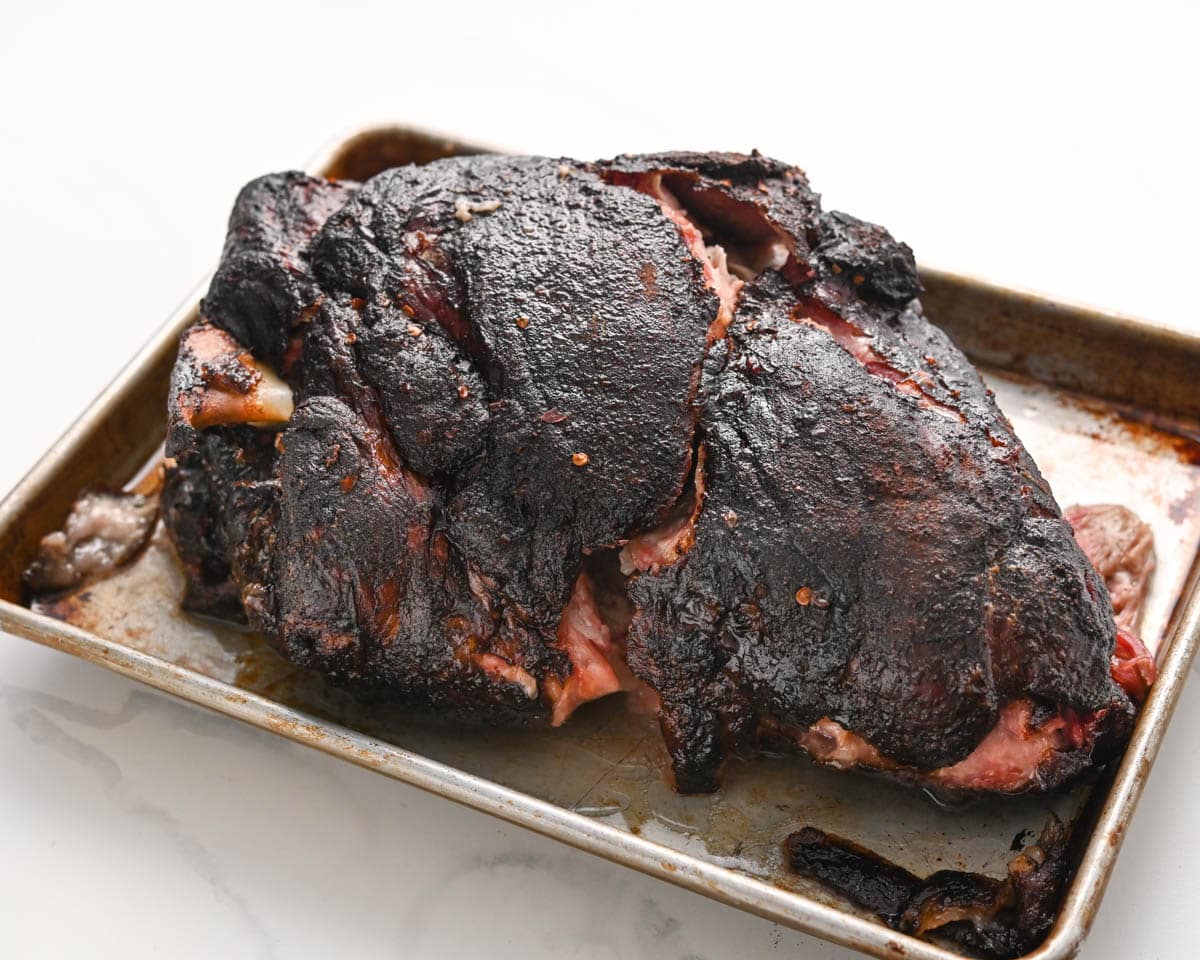
Credit: www.garlicandzest.com
Factors Affecting Cooking Time
Cooking pork butt in a smoker takes time and care. Several factors change how long it will take. Knowing these helps you plan better.
This guide explains the main things that affect cooking time. It helps you understand why times vary.
Size And Weight
Bigger pork butts take longer to cook. Weight is the main factor for cooking time.
Small pork butts can cook faster and finish in less time. Large ones need more hours to reach the right temperature inside.
- A 4-pound pork butt may take about 6 hours.
- A 10-pound pork butt can take 12 hours or more.
- Always check the internal temperature, not just time.
Smoker Temperature
The heat level of your smoker changes cooking time a lot. Higher temperatures cook pork faster.
Low and slow smoking around 225°F gives tender meat. Higher heat near 275°F cooks faster but needs careful watching.
- 225°F is common for long, slow cooking.
- 250°F to 275°F speeds up cooking but risks drying meat.
- Keep temperature steady for best results.
Meat Thickness
Thicker pork butts take longer to cook through. Thickness affects how heat moves inside the meat.
Thin cuts heat faster and finish sooner. Thick cuts need slow cooking to avoid raw centers.
- Thicker pieces need more time for even cooking.
- Use a meat thermometer to check internal temperature.
- Adjust your cooking time based on thickness, not just weight.
Bone-in Vs Boneless
Bone-in pork butts take longer to cook than boneless ones. Bones slow down heat penetration.
Boneless pork cooks faster because heat moves more easily. Bone-in cuts have a slight delay but offer more flavor.
- Bone-in adds 30 minutes to 1 hour of cooking time.
- Boneless cooks more evenly and quickly.
- Check temperature near the bone for bone-in cuts.
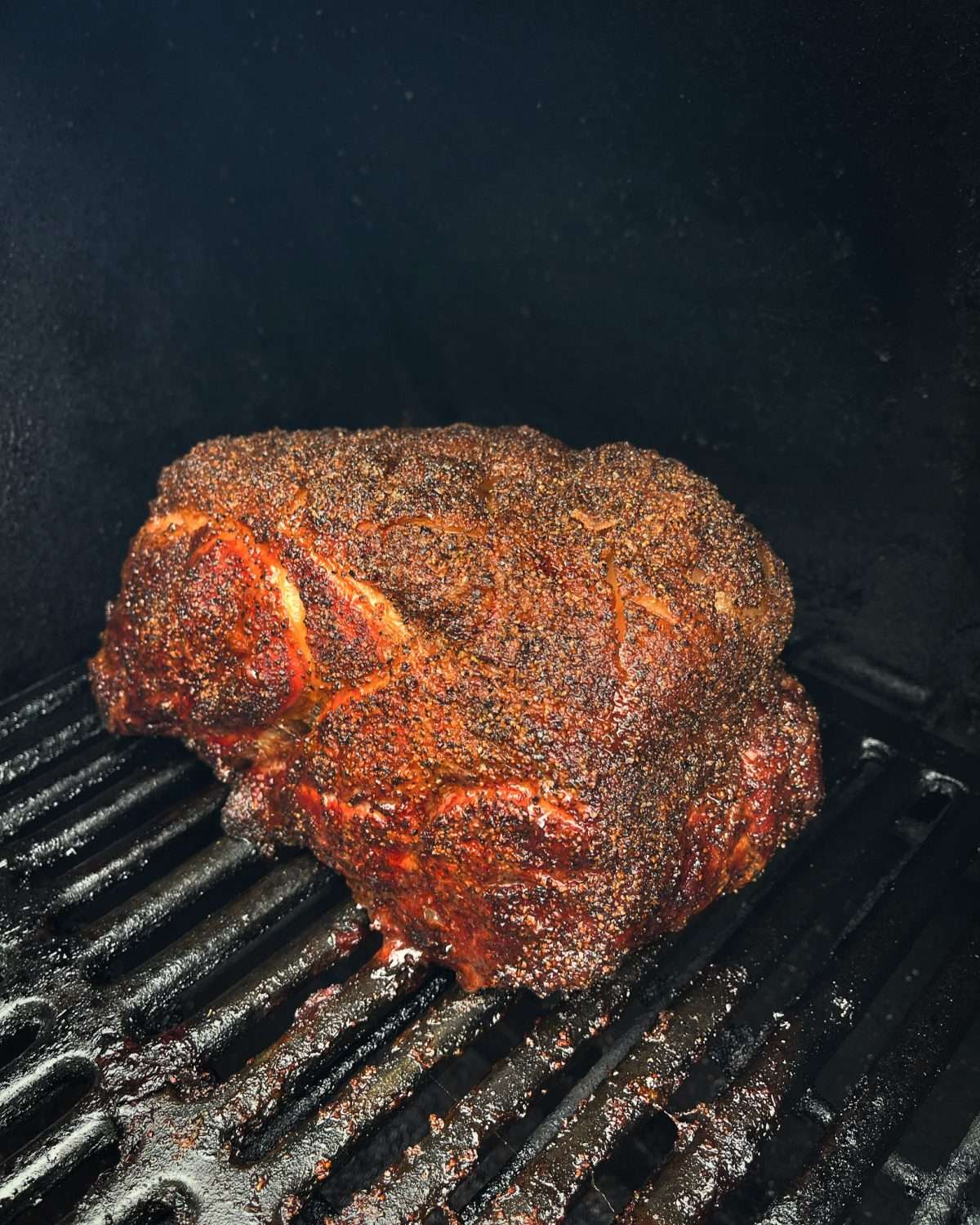
Credit: saltbuttersmoke.com
Ideal Smoker Temperatures
Cooking pork butt in a smoker requires the right temperature for the best results. The temperature affects the texture and flavor of the meat. Choosing between low and slow or higher temperature cooking depends on your time and taste preferences.
Both methods have their benefits. Understanding ideal smoker temperatures helps you plan your cooking process well. This guide explains the two common temperature ranges for smoking pork butt.
Low And Slow Method
The low and slow method cooks pork butt at a steady, low temperature. This allows the fat and connective tissues to break down slowly. The meat becomes tender and juicy after many hours.
- Maintain smoker temperature between 225°F and 250°F
- Cook time usually ranges from 1.5 to 2 hours per pound
- Use wood chips like hickory or apple for mild smoke flavor
- Monitor internal meat temperature until it reaches 195°F to 205°F
This method is ideal if you want very tender pork with a deep smoky taste. It takes longer but gives you more control over the cooking process.
Higher Temperature Cooking
Higher temperature cooking speeds up the smoking time. It uses hotter smoker settings to cook pork butt faster. This method is good when you have less time but still want smoky flavor.
| Temperature Range | Approximate Cooking Time | Notes |
|---|---|---|
| 275°F to 300°F | 1 to 1.25 hours per pound | Faster cooking with good bark formation |
| 300°F to 325°F | Less than 1 hour per pound | Watch closely to avoid drying out |
Higher heat may cause the meat to cook unevenly. Use a reliable thermometer to check the internal temperature. Aim for 195°F to 205°F for the best tenderness.
Estimated Cooking Times
Cooking pork butt in a smoker takes time and patience. The cooking time depends on the size and temperature.
Knowing the right cooking time helps you get tender and juicy pork every time.
Time Per Pound Guidelines
Usually, pork butt needs about 1.5 to 2 hours per pound at 225°F (107°C). This time lets the meat become tender and flavorful.
- For a 4-pound pork butt, cook for 6 to 8 hours
- A 6-pound pork butt takes about 9 to 12 hours
- For 8 pounds, expect 12 to 16 hours of cooking
These times are estimates. Use a meat thermometer to check for 195°F to 205°F (90°C to 96°C) inside.
Adjustments For Weather And Equipment
Weather changes can affect smoker temperature and cooking time. Cold or windy days may slow cooking.
Different smokers have varying heat control. Electric, charcoal, and wood smokers cook differently.
- Windy weather may add 30 minutes or more to cooking
- Cold temperatures can lower smoker heat and increase time
- Charcoal smokers need more frequent monitoring
- Electric smokers keep steady heat and may cook faster
- Wood smokers offer flavor but need careful temperature control

Credit: www.youtube.com
Checking Doneness
Cooking pork butt in a smoker takes time and patience. Knowing when it is done ensures juicy and safe meat.
This guide helps you check doneness by temperature, tools, and visual cues.
Internal Temperature Targets
Pork butt needs to reach the right internal temperature for both safety and tenderness.
| Temperature | Purpose | Notes |
| 145°F (63°C) | Safe minimum | Meets USDA safety, but tough |
| 195°F – 205°F (90°C – 96°C) | Pull-apart tenderness | Best for shredding and flavor |
Using A Meat Thermometer
A meat thermometer is the best way to check pork butt doneness. Insert it into the thickest part, avoiding bones.
- Use a digital probe thermometer for fast, accurate readings.
- Check temperature multiple times during cooking.
- Let the thermometer sit for a few seconds before reading.
- Clean the probe after each use to avoid contamination.
Visual And Texture Signs
Besides temperature, look at the pork’s color and feel to judge doneness.
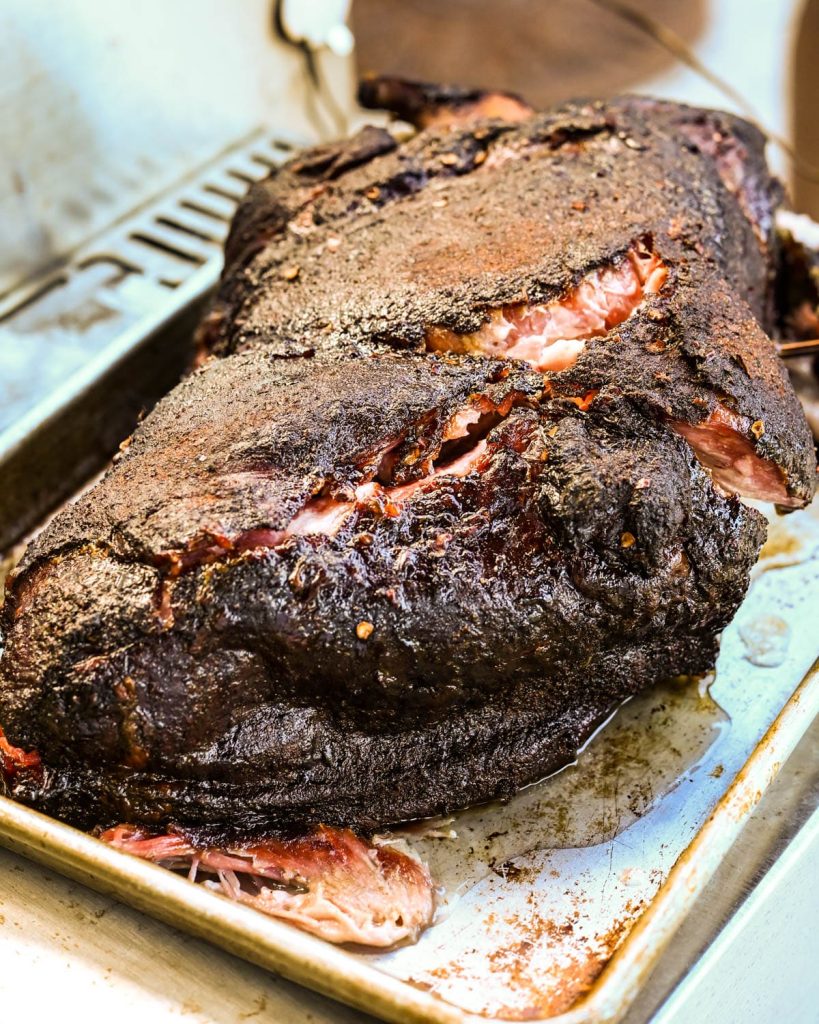
- The outside should have a dark, crispy bark.
- The meat pulls apart easily with a fork when done.
- Juices run clear, not pink or red.
- The pork feels soft and tender, not firm.
Resting The Pork Butt
Resting pork butt after smoking is very important. It lets the meat finish cooking evenly.
During resting, juices move back into the meat. This keeps it moist and tasty.
Why Resting Matters
When you take pork butt off the smoker, the juices are pushed toward the center. Resting lets these juices spread out again.
- Improves meat tenderness
- Keeps the pork juicy
- Allows the temperature to even out
- Makes slicing easier without losing juices
Recommended Resting Times
Resting time depends on the size of the pork butt. Here is a guide to help you rest it properly.
| Weight of Pork Butt | Resting Time |
| 4 to 6 pounds | 30 to 45 minutes |
| 6 to 9 pounds | 45 to 60 minutes |
| Over 9 pounds | 60 to 90 minutes |
Tips For Consistent Results
Cooking pork butt in a smoker takes patience and attention. Consistent results depend on managing heat, smoke, and wrapping well.
Follow these tips to keep your smoker steady and your pork juicy and flavorful every time.
Maintaining Smoker Temperature
Keep your smoker temperature steady between 225°F and 250°F. Avoid opening the smoker too often, as it lets heat escape.
- Use a reliable smoker thermometer to check the temperature.
- Add small amounts of fuel or charcoal to keep heat steady.
- Adjust air vents slowly to control airflow and temperature.
- Place the pork butt away from direct flames to prevent burning.
Wrapping Techniques
Wrapping pork butt helps keep moisture and speeds cooking after the bark forms. Use foil or butcher paper for wrapping.
| Wrapping Material | Pros | Cons |
| Aluminum Foil | Locks moisture well, cooks faster | Bark can soften |
| Butcher Paper | Allows some smoke in, keeps bark firmer | Slower cooking than foil |
Adding Wood Smoke
Choose wood that pairs well with pork, like hickory, apple, or cherry. Add wood chunks or chips in small amounts to avoid bitter taste.
- Soak wood chips for 30 minutes before use to slow burning.
- Add wood early in the cook to get good smoke flavor.
- Keep smoke thin and blue, not thick and white.
- Replace wood as needed during long cooks to maintain smoke.
Frequently Asked Questions
How Long Does It Take To Smoke A Pork Butt?
Smoking a pork butt typically takes 1. 5 to 2 hours per pound. At 225°F, a 6-pound pork butt cooks in about 9 to 12 hours. Time varies by smoker type and temperature consistency.
What Temperature Should I Smoke Pork Butt At?
The ideal smoking temperature for pork butt is 225°F to 250°F. This low and slow method breaks down fat and collagen. It ensures tender, flavorful meat and perfect bark formation.
How Do I Know When Pork Butt Is Done Smoking?
Pork butt is done when it reaches an internal temperature of 195°F to 205°F. Use a meat thermometer for accuracy. The meat should be tender and easily pull apart.
Should I Wrap Pork Butt During Smoking?
Wrapping pork butt in foil or butcher paper is optional. It helps retain moisture and speeds up cooking after the bark forms. Many pitmasters wrap at 160°F internal temperature.
Conclusion
Cooking pork butt in a smoker takes time and patience. Expect it to take several hours, usually around 1. 5 to 2 hours per pound. Keep the smoker temperature steady between 225°F and 250°F for best results. Use a meat thermometer to check when it reaches 195°F to 205°F for tender, juicy pork.
Rest the meat after cooking to keep it moist. This slow process brings out deep smoky flavors and makes the pork easy to pull apart. Enjoy your flavorful, perfectly smoked pork butt!