

Are you craving a simple, delicious meal that comes together quickly? Learning how to cook penne pasta perfectly is easier than you think.
Whether you want a quick dinner or a base for your favorite sauce, mastering this skill will boost your kitchen confidence. In this guide, you’ll discover easy steps to cook penne pasta just right—never mushy, never sticky. Keep reading, and soon you’ll be serving up pasta that looks and tastes like it’s from a restaurant.
Your taste buds will thank you!
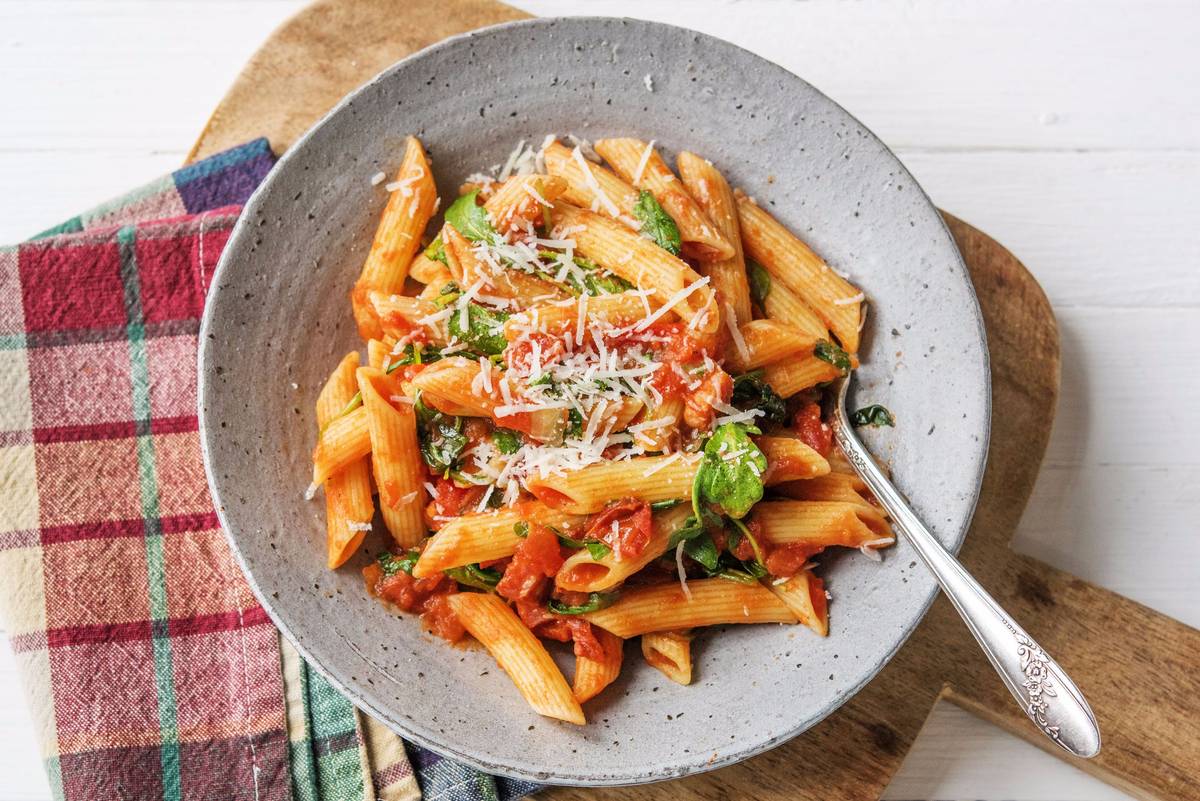
Credit: www.hellofresh.com
Choosing The Right Penne
Penne pasta is a popular choice for many dishes. Picking the right type makes your meal better.
There are different kinds of penne. Each type works well with certain sauces and recipes.
Types Of Penne Pasta
Penne comes in two main shapes: smooth and ridged. Smooth penne has a plain surface. Ridged penne has small grooves on the outside.
Ridged penne holds sauce better. Smooth penne works well with thin sauces. The shape also changes how the pasta feels when you eat it.
- Penna Lisce:Smooth surface, best for light sauces.
- Penna Rigate:Ridged surface, great for thick sauces.
Fresh Vs. Dried Penne
Fresh penne is soft and cooks quickly. It has a tender texture and mild flavor. Dried penne is harder and takes longer to cook.
Dried penne lasts longer and is easy to store. It has a firmer bite after cooking. Choose fresh penne for delicate dishes. Pick dried penne for hearty meals.
- Fresh Penne:Soft, cooks fast, tender texture.
- Dried Penne:Hard, stores well, firm bite.

Credit: www.seasonalcravings.com
Essential Ingredients
Cooking penne pasta needs just a few key ingredients. Using the right water and salt helps the pasta taste great. Choosing good quality pasta also makes a big difference.
Let’s look at the main things you need before you start cooking penne pasta.
Water And Salt Ratio
Using the right amount of water and salt is important for perfect pasta. Too little water can make the pasta stick. Salt adds flavor to the pasta as it cooks.
- Use at least 4 to 6 quarts of water for every 1 pound of penne pasta.
- Add about 1 to 2 tablespoons of salt per 4 quarts of water.
- Wait until the water boils before adding the pasta.
- Stir the pasta occasionally to stop it from sticking.
Selecting Quality Pasta
Good quality pasta cooks better and tastes better. Look for pasta made from 100% durum wheat semolina. This type holds its shape and texture well.
| Type of Pasta | Quality Check | Cooking Result |
| Durum Wheat Semolina | Firm texture, pale yellow color | Holds shape, chewy but tender |
| Regular Wheat Pasta | Soft texture, whitish color | Can become mushy quickly |
| Gluten-Free Pasta | Made from rice, corn, or quinoa | Varies; follow package cooking time |
Boiling Penne Pasta
Boiling penne pasta is a simple process that needs attention to get the perfect texture. The right water preparation, cooking time, and checking for doneness help you cook pasta that is neither too soft nor too hard.
This guide explains the key steps for boiling penne pasta correctly and easily.
Preparing The Water
Start with a large pot filled with plenty of water. Use about 4 to 6 quarts of water for every pound of penne pasta. Adding salt to the water improves the pasta’s flavor during cooking.
- Fill a large pot with water.
- Add about 1 to 2 tablespoons of salt.
- Bring the water to a rolling boil before adding pasta.
Cooking Time Tips
Penne pasta usually cooks in 10 to 12 minutes. The exact time depends on your stove and the pasta brand. Stir the pasta occasionally to stop it from sticking together or to the pot.
| Cooking Time | Texture |
| 8-9 minutes | Firm (al dente) |
| 10-12 minutes | Soft but firm |
| More than 12 minutes | Very soft (overcooked) |
Checking For Doneness
Check the penne pasta by tasting it. The pasta should be tender but still slightly firm in the center. Avoid overcooking to keep the best texture and flavor.
- Take one piece from the pot.
- Bite into it to test the texture.
- Stop cooking when it is tender with a slight bite.
- Drain the pasta immediately to stop cooking.
Draining And Rinsing
Draining and rinsing penne pasta are important steps after cooking. They affect texture and how the sauce sticks.
Knowing when to drain and whether to rinse can help you make perfect pasta every time.
When To Drain
Drain penne pasta as soon as it reaches the desired tenderness. Overcooked pasta will become mushy.
- Cook pasta until al dente, firm to the bite.
- Turn off the heat once cooking is done.
- Pour pasta and water into a colander to drain.
- Shake gently to remove excess water.
To Rinse Or Not To Rinse
Rinsing penne pasta depends on how you plan to use it. It can stop cooking but also remove starch.
| Use Case | Rinse? | Reason |
| Serving with sauce | No | Starch helps sauce stick |
| Cold pasta salad | Yes | Stops cooking and cools pasta |
| Storing for later | Yes | Prevents sticking and clumping |
Enhancing Flavor
Cooking penne pasta is simple, but adding flavor makes it taste better. Small changes can make a big difference.
Use oils, butter, herbs, and spices to bring out the best taste in your pasta. These additions add richness and aroma.
Adding Oil Or Butter
Add a splash of olive oil or a pat of butter to cooked penne pasta. This adds smoothness and stops the pasta from sticking.
Butter gives a creamy texture, while olive oil adds a fruity, fresh flavor. Both enhance the pasta’s natural taste.
- Stir in olive oil after draining pasta
- Melt butter and mix it into hot pasta
- Use flavored oils like garlic or chili for extra taste
Incorporating Herbs And Spices
Herbs and spices add color and flavor to penne pasta. Fresh or dried herbs work well with simple pasta dishes.
Try adding basil, oregano, or parsley for a fresh touch. Spices like black pepper or red chili flakes add a gentle heat.
- Chop fresh herbs and sprinkle on top
- Mix dried herbs into the sauce or pasta
- Add a pinch of salt and pepper to taste
- Use garlic powder or crushed chili for bold flavor
Pairing With Sauces
Penne pasta works well with many sauces. Its tube shape holds sauce nicely.
Choosing the right sauce makes your dish tasty and balanced.
Choosing The Right Sauce
Thick sauces stick well to penne pasta. Thin sauces may slide off.
Tomato-based sauces, cream sauces, and pesto are great choices.
- Tomato sauce: Classic and tangy taste
- Alfredo sauce: Creamy and rich
- Pesto sauce: Fresh and herby
- Meat sauce: Hearty and filling
- Vegetable sauce: Light and healthy
Mixing Techniques
Mix pasta and sauce well to spread flavors evenly. Use a large pan or bowl.
Reserve some pasta water to adjust sauce consistency if needed.
- Drain penne but keep some pasta water
- Add sauce to warm pasta
- Toss gently to coat pasta with sauce
- Add pasta water if sauce is too thick
- Serve immediately for best taste
Serving Suggestions
Penne pasta is a versatile dish that pairs well with many flavors. It can be served simply or dressed up for a special meal.
Choosing the right sides and presentation makes the meal more enjoyable. Here are ideas for plating and side dishes.
Plating Ideas
Serve penne pasta in a shallow bowl or on a large plate. This shows off the sauce and pasta shape.
Add fresh herbs on top for color and aroma. A sprinkle of grated cheese adds texture and taste.
- Use basil or parsley leaves as garnish
- Drizzle olive oil for a shiny finish
- Place a lemon wedge on the side for a fresh touch
- Serve with a small bowl of extra sauce for dipping
Complementary Side Dishes
Choose side dishes that balance the pasta’s flavors. Light salads and bread work well with penne pasta.
Vegetables and simple proteins add variety and nutrition to the meal.
- Green salad with lemon vinaigrette
- Garlic bread or crusty baguette
- Steamed or roasted vegetables like broccoli or zucchini
- Grilled chicken or shrimp for extra protein
- Caprese salad with fresh tomatoes and mozzarella

Credit: ahintofrosemary.com
Common Mistakes To Avoid
Cooking penne pasta seems simple, but many people make errors that affect the final taste and texture. Avoiding these mistakes helps you cook perfect pasta every time.
Two common mistakes are overcooking the pasta and using too little water. Both can cause your pasta to become sticky or mushy.
Overcooking Pasta
Overcooked pasta becomes soft and loses its shape. It also feels sticky and less enjoyable to eat.
- Check the pasta package for recommended cooking time.
- Taste the pasta a minute or two before the time ends.
- Remove the pasta from boiling water when it is "al dente" (firm to the bite).
- Drain the pasta immediately to stop cooking.
Using Too Little Water
Using too little water makes pasta stick together. It also causes uneven cooking and clumps.
| Water Amount | Effect on Pasta |
| Too Little | Sticky and clumpy pasta |
| Enough (about 4-6 quarts per pound) | Pasta cooks evenly and stays separate |
Frequently Asked Questions
How Long Should I Cook Penne Pasta?
Cook penne pasta for 11 to 13 minutes in boiling water. Check the package for exact timing. Stir occasionally to avoid sticking. Drain once al dente, tender but firm to bite.
Should I Salt The Water For Penne Pasta?
Yes, salt the boiling water before adding penne. Use about 1-2 tablespoons per gallon. It enhances flavor and seasons pasta evenly during cooking.
Can I Cook Penne Pasta Without Oil?
Yes, you can cook penne without oil. Stir the pasta occasionally to prevent sticking. Oil is optional and mainly used to reduce foam.
How Do I Know When Penne Pasta Is Done?
Taste penne pasta around 11 minutes for doneness. It should be tender but firm, called al dente. Overcooked pasta becomes mushy and loses texture.
Conclusion
Cooking penne pasta is simple and satisfying. Follow these steps for perfect pasta. Boil water, add salt, and then the penne. Stir occasionally to prevent sticking. Taste a piece to check if it's cooked. Drain when ready, but save some pasta water.
It helps with sauce texture. Mix your favorite sauce with the pasta. Serve hot and enjoy a delightful meal. Cooking pasta well can enhance your dish. Remember, practice makes perfect. Soon, you'll make delicious penne with ease. Enjoy your cooking journey!
Watch this next: Make Classic Penne Pasta at Home | Quick & Easy One-Pot Pasta Recipe - It shows how to cook penne pasta and build a simple sauce step-by-step.
https://www.youtube.com/watch


