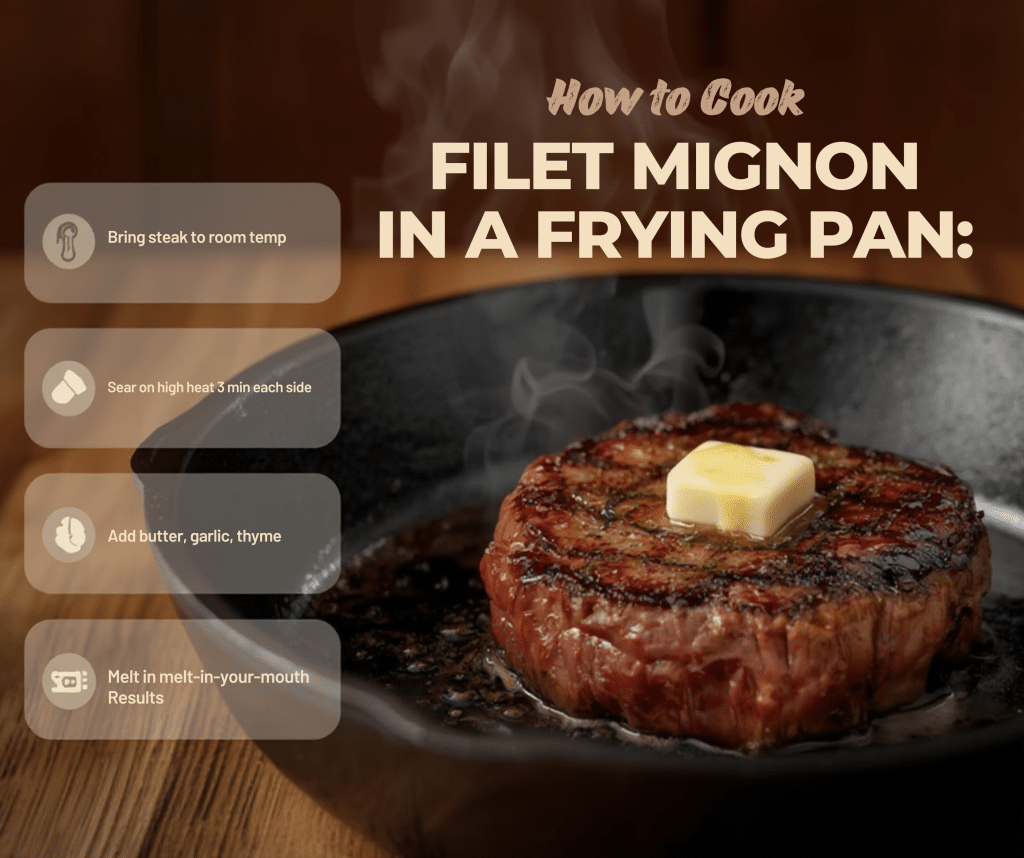
How to Cook Filet Mignon in a Frying Pan Like a Chef
Ready for a meal that tastes amazing? You can make a tender, juicy filet mignon right in your kitchen. Forget fancy restaurants. You do not need a grill or a special oven.
All you need is a frying pan. Grab a few simple things and some easy tips. This guide shows you how to cook filet mignon in a frying pan on your stovetop. Get ready for flavors everyone will love. Turning a simple pan into a master steak tool is easy.
Picking the Best Steak
A great meal starts with the right cut of filet mignon. The quality and thickness matter a lot. Good selection helps you cook it perfectly every time.
Choose a Quality Filet Mignon
Look for a bright red color in the meat. The texture should look very fine. Skip cuts that look brown or feel dry.
Check for marbling. These are small lines of fat inside the meat. Marbling melts during cooking. This keeps the steak juicy and adds flavor.
-
Pick fresh, bright red meat.
-
Look for a fine, smooth texture.
-
Good marbling gives better taste.
-
Avoid dry or dark spots.
Thickness Makes a Difference
Choose steaks that are 1.5 to 2 inches thick. This size cooks best in a regular frying pan.
Thicker steaks need more cook time. Thin steaks cook too fast. They can easily dry out. Match the steak size to your cooking time.
-
1.5 to 2 inches is best.
-
Smaller steaks finish quicker.
-
Thicker steaks hold their juice.
-
Match size to your cooking plan.
Getting the Steak Ready
Cook filet mignon well starts with good prep. This step makes the steak cook evenly. It also helps it taste great.
Before cooking, do two things. Let the steak warm up. Then, season it simply but well. These steps really help the cooking process.
Bring it to Room Temperature
Take the filet mignon out about 30 minutes before your cook. Letting it sit on the counter helps it cook evenly.
Cold meat cooks badly. The outside may burn while the inside stays raw. A room-temp steak gets a beautiful, even sear.
Simple Seasoning Works Best
Seasoning adds flavor. It also creates a crispy crust. Use only simple ingredients for great taste.
Pat the steak dry with paper towels first. This is very important. Sprinkle salt evenly on all sides. Add fresh black pepper for a little heat. You can add a pinch of garlic powder too. Let the steak sit for five minutes after seasoning.
| Seasoning | Reason |
| Salt | Makes the natural meat flavor pop. |
| Black Pepper | Adds a nice smell and mild heat. |
| Garlic Powder | Gives a subtle savory taste. |
| Dried Herbs | Adds a fresh, deep aroma. |
Pan and Oil Choices
To cook filet mignon well, you need the right tools. The best pan and oil give you a better sear and great flavor. You want a pan that gets hot and stays hot.
Best Pans for a Strong Sear
Not every pan sears a steak well. You want one that holds heat and heats evenly.
-
Cast Iron Skillet: This pan holds heat very well. It gives you a great, strong crust.
-
Stainless Steel Pan: Great for even cooking and browning the meat.
-
Nonstick Pan: Do not use this. They do not get hot enough for a proper sear.
Use High Smoke Point Oils
Oils that smoke quickly will burn the steak. Use oils with a high smoke point instead. This keeps the taste good and cooks the steak evenly.
| Oil Type | Smoke Point (°F) |
| Avocado Oil | 520 |
| Refined Peanut Oil | 450 |
| Grapeseed Oil | 420 |
| Canola Oil | 400 |

Credit: ottawavalleymeats.com
Searing the Steak
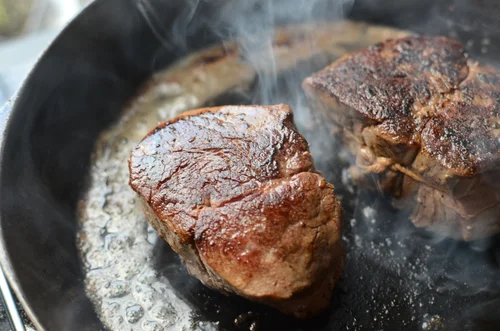
Searing is the first key step. It locks in the juices and creates amazing flavor. Use the right heat and time for a perfect crust.
Proper Heat is Crucial
Heat your pan until it is very hot. Add the oil only when the pan is hot. High heat creates a good crust quickly.
Use a heavy pan like cast iron. Do not use medium or low heat. The steak will not sear well at all.
-
Preheat your pan on high for 3–5 minutes.
-
Use a high smoke point oil like canola.
-
Hold off on the butter; you will add that later.
Timing Each Side
Cook the steak about 3–4 minutes per side for medium-rare. Adjust the time for how well you done like it.
Do not move the steak while it sears. Let it sit still to form a rich, dark crust. Then, flip it over.
-
3–4 minutes per side for medium-rare.
-
5 minutes per side for a medium cook.
-
Use a timer to track the cook time.
Finish Cooking and Flavor
Finishing the steak in the pan makes it juicy and tender. This step also adds a ton of flavor. Getting it right needs focus and simple touches. You will get great results.
Basting with Butter and Herbs
Basting is spooning hot butter over the steak. This adds moisture and a rich taste.
Add herbs like thyme or rosemary to the butter. They give the meat a fresh, tasty smell. Start basting when the steak is almost done. Use a spoon to pour the butter over the top. Baste for just 1–2 minutes for the best flavor.
Use a Meat Thermometer
A thermometer checks the inside of the steak. It stops you from overcooking it. Insert the thermometer into the thickest part of the steak. Avoid touching any fat or bone.
-
Medium Rare: 130°F to 135°F (54°C to 57°C)
-
Medium: 140°F to 145°F (60°C to 63°C)
The Important Rest Step
Resting is key after you finish cooking. It lets the juices settle back inside the steak. Skipping this step means a dry, less tasty steak.
Why Resting Matters
Cooking heat pushes the juices to the outside. Resting allows the juices to flow back through the meat.
-
It makes the steak more tender and juicier.
-
It keeps the flavor inside the meat.
-
It stops the steak from being dry and tough.
How Long to Rest
Resting time changes with the steak’s thickness. Use this simple rule:
| Steak Thickness | Resting Time |
| 1 inch | 5 minutes |
| 1.5 inches | 7 minutes |
| 2 inches or more | 10 minutes |
Serving Your Filet
Cook Filet mignon is flavorful. It needs simple, delicious sides. Choosing the right sauces and side dishes makes your meal special.
Sauces That Taste Great
Sauces add flavor and moisture. Choose sauces that are rich but do not hide the meat’s taste.
-
Red wine sauce boosts the beef flavor.
-
Garlic butter adds a creamy, savory touch.
-
Mushroom cream sauce pairs well with the texture.
-
Horseradish cream gives a spicy little kick.
Great Side Dishes
Pick sides that balance the richness of the steak. Fresh vegetables and simple starches are perfect.
-
Steamed asparagus or green beans add a fresh crunch.
-
Roasted or mashed potatoes offer a comforting side.
-
Sautéed mushrooms complement the meat’s taste.
-
A fresh garden salad keeps the meal light.
Credit: www.butteryum.org
Mistakes to Avoid
Cooking filet mignon needs some care. Simple mistakes can ruin the taste. Avoid these errors for a perfect steak every time.
Do Not Crowd the Pan
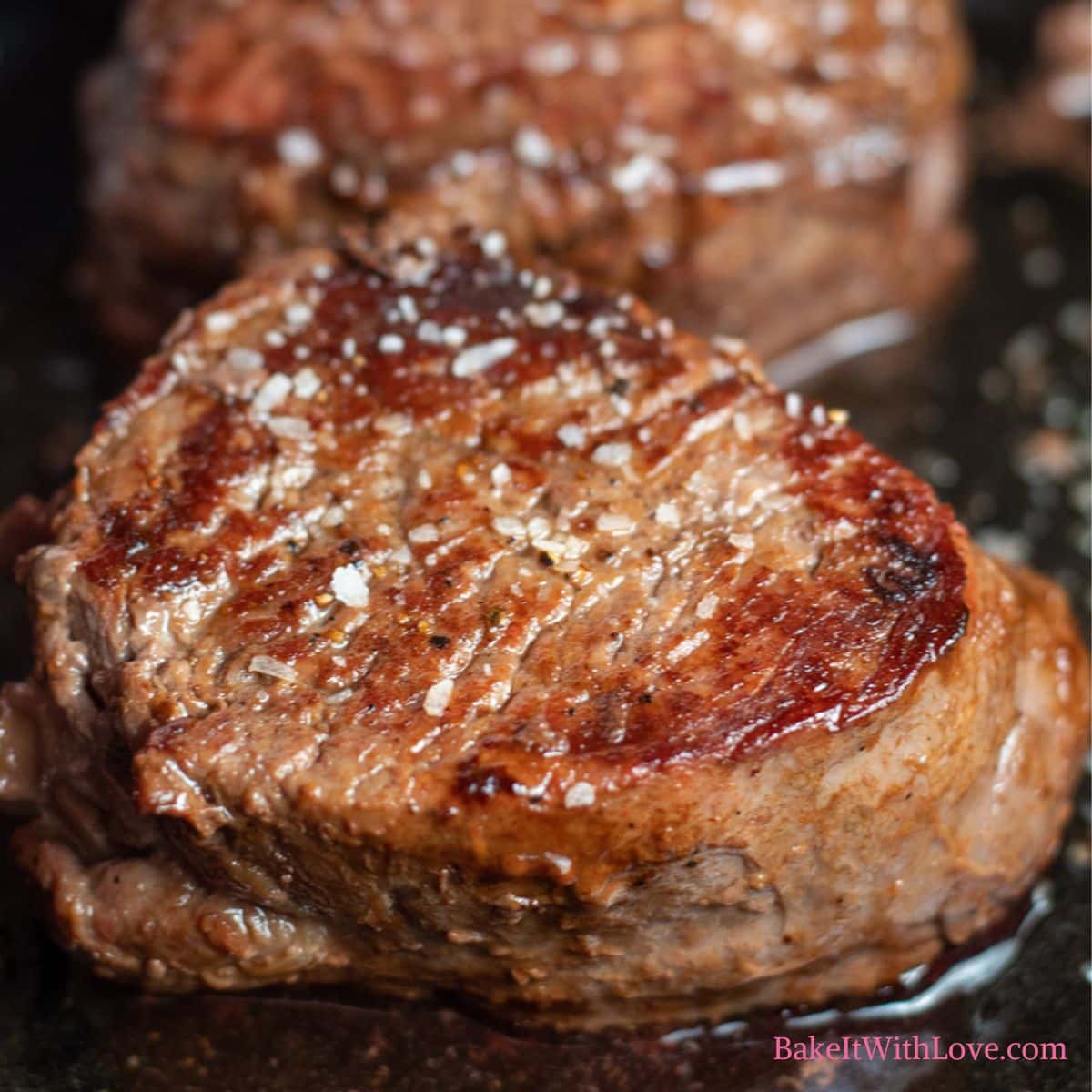
Putting too many steaks in the pan lowers the heat fast. The meat will not sear well. Instead of a brown crust, the steak will steam and turn gray.
-
Cook only one or two steaks at a time.
-
Leave space around each steak for air.
-
Use a large pan or cook in batches.
Do Not Cut Too Soon
Cutting the steak right after cooking makes the juices leak out. The steak will become dry. Wait until the steak has rested.
| Action | Why |
| Cutting right away | Juices run out, steak dries. |
| Cutting after resting | Juices stay inside, steak is juicy. |
Credit: bakeitwithlove.com
Frequently Asked Questions
How long to cook filet mignon in a pan?
Cook it for 3–4 minutes per side for medium-rare. Use a meat thermometer for the best result.
What oil is best for Cook frying filet mignon?
Use high smoke point oils. Canola, grapeseed, or avocado oil are the best choices.
Do I need to rest the steak?
Yes. Rest it for at least 5 minutes after cooking. This keeps the steak tender and juicy.
How do I get a perfect sear?
Heat the pan until it is very hot. Add the steak and do not move it. Let a rich, dark crust form on its own.
Conclusion
Cooking a perfect filet mignon in a pan is easy and quick. Use high heat for that great crust. Let the steak rest before you slice it. Seasoning it well brings out the best flavor. Enjoy a delicious, restaurant-quality meal at home!
Practice this simple method. You will taste the difference right away.
You might also find this video useful for seeing the searing and basting process in action: How to Cook filet mignon In a Skillet with Garlic and Butter. This video shows how to pan-sear a buttery, tender filet mignon, which directly supports the techniques described in the article.