How to Cook Beef Brisket in Slow Cooker – Easy Tender Recipe
Imagine walking into your kitchen after a long day, greeted by the mouthwatering aroma of a perfectly cooked beef brisket. It’s tender, flavorful, and ready to be enjoyed with minimal effort on your part.
Sounds like a dream, right? This could be your reality with the magic of a slow cooker. If you’ve ever wondered how to cook beef brisket in a slow cooker, you’re in the right place. This method not only saves you time but also enhances the rich flavors of the beef, creating a dish that’s as satisfying to make as it is to eat.
Ready to discover the secrets to a succulent brisket that will wow your taste buds and impress your family? Let’s dive into the simple steps and tips that will transform your cooking game.
Choosing The Right Brisket
Choosing the right brisket is important for a tasty slow cooker meal. The right cut and quality help the meat cook evenly and stay juicy.
Learn about brisket cuts and tips to pick the best size and quality for slow cooking.
Types Of Brisket Cuts
Brisket has two main cuts: the flat and the point. Each cut cooks differently and has unique flavors.
- Flat Cut: Leaner and more uniform in shape. It slices nicely and is good for even cooking.
- Point Cut: More marbled with fat. It is tender and flavorful but less uniform in shape.
- Whole Pack: Includes both flat and point cuts. This is best if you want a mix of textures and flavors.
Size And Quality Tips
| Factor | What to Look For |
| Weight | Choose 3 to 5 pounds for slow cooking. This size fits most slow cookers and cooks evenly. |
| Marbling | Look for streaks of fat inside the meat. More marbling means juicier and more flavorful brisket. |
| Color | Pick brisket with a bright red color. Avoid any brown or gray spots. |
| Fat Cap | Choose a brisket with a thin layer of fat on top. It helps keep the meat moist during cooking. |
Preparing The Brisket
Cooking beef brisket in a slow cooker starts with good preparation. Proper steps help the meat cook evenly and taste great.
Preparing the brisket well makes the slow cooking process easier and more effective.
Trimming Excess Fat
Brisket usually has a thick fat layer on one side. Trimming some fat helps the meat cook better.
Leave about a quarter inch of fat to keep the meat moist while cooking. Too much fat can cause greasy flavor.
- Use a sharp knife to carefully trim the fat.
- Remove any hard or thick fat pieces that won’t melt.
- Keep a thin fat layer for moisture and flavor.
Seasoning And Marinades
Seasoning adds flavor to the brisket before cooking. Use dry rubs or wet marinades to enhance taste.
Marinating the brisket for a few hours or overnight helps the meat absorb spices and become tender.
- Use salt, pepper, garlic powder, and onion powder for a simple dry rub.
- Add paprika or chili powder for a smoky, spicy taste.
- For marinades, mix soy sauce, Worcestershire sauce, and a little brown sugar.
- Make sure to coat the entire brisket evenly with seasoning or marinade.
Setting Up The Slow Cooker
Cooking beef brisket in a slow cooker is easy and tasty. Setting up the slow cooker correctly makes a big difference in the final dish.
This guide helps you pick the right slow cooker size and arrange the ingredients well.
Choosing The Slow Cooker Size
Pick a slow cooker that fits the size of your brisket. Too small or too large can affect cooking.
| Brisket Weight | Slow Cooker Size |
| 3 to 4 pounds | 4 to 5 quarts |
| 5 to 6 pounds | 6 to 7 quarts |
| 7 pounds or more | 8 quarts or larger |
Use a slow cooker that holds the brisket with some space around it. This helps even cooking and keeps the meat juicy.
Layering Ingredients
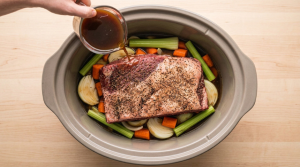
Put ingredients in the slow cooker in the right order. This helps flavors mix well and cooks the brisket evenly.
- Start with a layer of vegetables like onions, carrots, and celery at the bottom.
- Place the brisket on top of the vegetables, fat side up.
- Add seasonings, herbs, and liquids like broth or sauce over the brisket.
- Do not overcrowd the slow cooker to allow heat circulation.
Layering ingredients this way helps the meat absorb flavors while the vegetables cook in the juices.
Cooking Times And Temperatures
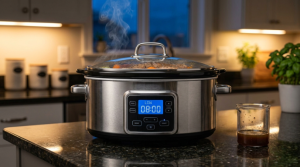
Cooking beef brisket in a slow cooker takes time and the right temperature. The temperature setting affects how long the brisket needs to cook.
Choosing between low and high heat settings changes the texture and tenderness of the meat. Understanding these settings helps you get the best results.
Low Vs High Heat Settings
The low heat setting cooks brisket slowly at a temperature around 190°F (88°C). This allows the meat to become very tender without drying out.
The high heat setting cooks brisket faster at about 300°F (149°C). This is good if you have less time, but the meat might not be as soft.
- Low heat keeps the meat juicy and tender.
- High heat cooks faster but risks toughness.
- Low heat is best for large, tough cuts.
- High heat suits smaller cuts or shorter cooking needs.
Estimated Cooking Durations
Cooking times depend on the brisket size and the chosen heat setting. Larger cuts need more time to become tender.
Here are common cooking durations for beef brisket in a slow cooker.
| Heat Setting | Cooking Time | Temperature |
|---|---|---|
| Low | 8 to 10 hours | 190°F (88°C) |
| High | 4 to 6 hours | 300°F (149°C) |
Adding Flavor Enhancers
Adding flavor enhancers to your beef brisket in a slow cooker makes the meat tender and tasty. Simple ingredients like broth, sauces, vegetables, and herbs can create rich, deep flavors.
These enhancers blend with the brisket during slow cooking, giving every bite a delicious taste. Let’s explore some easy ways to add flavor.
Using Broth And Sauces
Broth and sauces add moisture and flavor to the brisket. They help keep the meat juicy and give it a tasty coating.
- Use beef, chicken, or vegetable broth as a cooking base.
- Add barbecue sauce or tomato sauce for a smoky or tangy flavor.
- Mix Worcestershire sauce or soy sauce for umami richness.
- Include a splash of red wine or vinegar for acidity and depth.
- Combine different sauces for a unique taste.
Incorporating Vegetables And Herbs
Vegetables and herbs bring fresh flavors and aromas to the slow cooker. They also add natural sweetness and earthiness to the brisket.
| Vegetables | Herbs |
| Onions | Thyme |
| Carrots | Rosemary |
| Celery | Bay leaves |
| Garlic cloves | Parsley |
| Bell peppers | Oregano |
Place these vegetables and herbs under and around the brisket. They slowly release their flavors as the meat cooks.
Checking For Doneness
Cooking beef brisket in a slow cooker takes time and patience. Checking if it is done is important to get the best taste and texture.
Knowing how to check for doneness helps you avoid undercooking or overcooking the brisket. Use simple tools and tests for best results.
Internal Temperature Guide
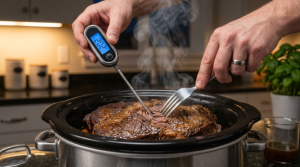
Use a meat thermometer to check the brisket’s internal temperature. This is the most accurate way to tell if it is done.
Beef brisket is safe to eat at 195°F to 205°F. This range gives you tender and juicy meat.
- 145°F: Meat is safe but very tough
- 160°F: Meat starts to soften but still firm
- 195°F to 205°F: Meat is tender and easy to pull apart
Texture And Tenderness Tips
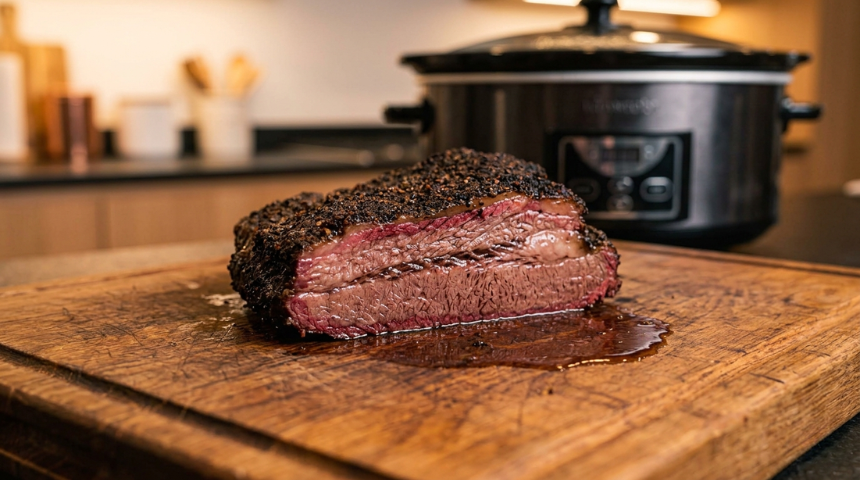
Brisket becomes tender when cooked slowly at low heat. Check texture by gently poking the meat with a fork.
If the fork slides in easily, the brisket is tender. If it feels tough or rubbery, cook it longer.
- Let brisket rest for 20 minutes before slicing
- Slice against the grain for softer bites
- Use a fork to test tenderness during cooking
Resting And Serving
After cooking beef brisket in a slow cooker, resting and serving are key steps. Resting lets juices settle for tender meat.
Serving the brisket properly makes your meal tasty and enjoyable for everyone.
Importance Of Resting Meat
Resting the brisket keeps it juicy and soft. The meat fibers relax and absorb the juices.
Rest the brisket for at least 20 minutes after slow cooking. Cover it loosely with foil to keep heat.
Slicing Techniques
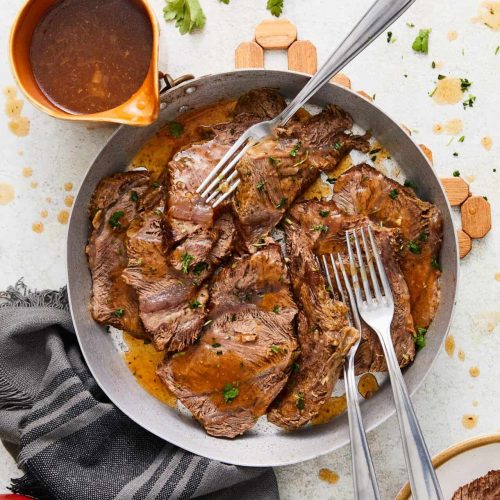
Slice the brisket against the grain for tender pieces. Cutting with the grain makes the meat tough.
- Find the grain direction in the meat
- Use a sharp knife for clean cuts
- Cut thin slices about ¼ inch thick
- Serve slices evenly for better texture
Serving Suggestions
Serve beef brisket with sides like mashed potatoes or roasted vegetables. Add barbecue sauce for extra flavor.
- Place sliced brisket on a warm plate
- Add your favorite sauce on top or on the side
- Pair with fresh salads or baked beans
- Use brisket for sandwiches or tacos
Troubleshooting Common Issues
Cooking beef brisket in a slow cooker can sometimes bring challenges. Problems like dry, tough meat or unbalanced flavors can happen. Knowing how to fix these issues helps improve your meal.
This guide covers simple fixes for dry or tough brisket. It also explains how to adjust the flavor and texture for a better dish.
Dry Or Tough Brisket Fixes
If your brisket turns out dry or tough, use these tips to help soften it. Slow cooking needs the right time and liquid to keep meat moist.
- Cook on low heat for a longer time to break down the meat fibers.
- Add enough broth or water to cover at least half of the brisket.
- Wrap brisket in foil before slow cooking to trap moisture.
- Let brisket rest covered for 20 minutes after cooking to absorb juices.
- Slice brisket thinly against the grain to make it easier to chew.
Adjusting Flavor And Texture
Sometimes brisket needs better flavor or texture. Use simple methods to adjust these after cooking or during the process.
| Problem | Fix | Details |
| Blah flavor | Add seasoning | Sprinkle salt, pepper, or your favorite spices before or after cooking. |
| Too salty | Balance taste | Add a splash of water or unsalted broth to dilute saltiness. |
| Dry texture | Use sauce | Serve with barbecue sauce or gravy to add moisture. |
| Too fatty | Trim fat | Remove excess fat before cooking to avoid greasy texture. |
Tips For Meal Prep And Storage
Cooking beef brisket in a slow cooker makes meal prep easy and saves time. Proper storage keeps the brisket fresh and tasty for later meals.
Follow simple tips to store and reheat your brisket without losing flavor or moisture. This helps you enjoy your meal safely and deliciously.
Storing Leftovers Safely
Cool your brisket quickly after cooking. Place it in shallow containers for faster cooling. Store leftovers in the fridge within two hours.
Use airtight containers or wrap the brisket tightly in foil or plastic wrap. This prevents air exposure and keeps the meat moist.
- Keep leftovers in the fridge for up to 4 days
- Freeze brisket if you want to store it longer
- Label containers with the date for easy tracking
- Thaw frozen brisket in the fridge overnight
Reheating Without Drying
Reheat brisket slowly to keep it tender. Use a low heat setting in the oven or microwave. Add a little broth or sauce to keep meat moist.
Cover the brisket with foil when reheating in the oven. Stir or turn the meat gently if using a microwave to warm evenly.
- Heat brisket to at least 165°F (74°C) for safety
- Use a microwave-safe cover to hold moisture
- Reheat in small portions to avoid drying out
- Rest the brisket for a few minutes before serving
Credit: bakedbree.com
Frequently Asked Questions
How Long Should I Cook Beef Brisket In A Slow Cooker?
Cook beef brisket on low for 8 to 10 hours or on high for 4 to 6 hours. This ensures tender, flavorful meat that easily shreds or slices.
What Liquid Is Best For Slow Cooker Brisket?
Use beef broth, water, or a mixture of broth and barbecue sauce. This keeps the brisket moist and enhances its rich flavor.
Should I Sear Brisket Before Slow Cooking?
Searing brisket before slow cooking adds flavor and locks in juices. It’s optional but recommended for a tastier, more appealing crust.
How Do I Know When Brisket Is Fully Cooked?
Brisket is done when it reaches an internal temperature of 195°F to 205°F and is tender enough to pull apart easily with a fork.
Conclusion
Cooking beef brisket in a slow cooker is simple and rewarding. The meat becomes tender and full of flavor with little effort. Just prepare the brisket, add your favorite spices, and let the slow cooker do the work. This method saves time and gives you a delicious meal.
Perfect for busy days or family dinners. Try it once, and you’ll want to cook brisket this way again. Enjoy the rich taste and easy cooking process every time.