If you’ve ever wondered how to elevate your vegetable dishes to a whole new level, you’re in the right place. Smoking vegetables infuses them with rich, deep flavors that can transform even the simplest produce into a gourmet delight.
Imagine the smoky aroma wafting through your kitchen, teasing your senses and promising a taste experience like no other. You don’t need to be a seasoned pitmaster to achieve this culinary magic. With just a smoker and a bit of guidance, you can turn ordinary vegetables into something extraordinary.
Stick around, because by the end of this article, you’ll have the know-how to impress your friends and family with your newfound smoking skills. Ready to unlock the secrets of perfectly smoked vegetables? Let’s dive in!

Credit: homemadeheather.com
Choosing Vegetables For Smoking
Smoking vegetables adds a unique flavor and texture. It is important to select the right vegetables for the best results. Some vegetables hold smoke flavor better than others.
Choosing fresh and firm vegetables ensures even cooking. Avoid vegetables that are too soft or watery. This guide helps you pick and prepare vegetables for smoking.
Best Vegetables To Smoke
Some vegetables work very well with smoking. They absorb smoke flavors and keep a good texture. Here are some popular choices:
- Bell peppers
- Asparagus
- Mushrooms
- Onions
- Tomatoes
- Carrots
- Zucchini
- Eggplant
Preparing Vegetables For Smoking
Preparing vegetables properly helps them cook evenly and taste better. Washing, cutting, and seasoning are key steps.
| Preparation Step | Details |
| Wash | Rinse vegetables under cold water to remove dirt. |
| Cut | Slice into uniform pieces for even smoking. |
| Dry | Pat dry with a towel to avoid steaming. |
| Season | Lightly coat with oil and add salt or herbs. |
Setting Up Your Smoker
Cooking vegetables in a smoker gives them a unique flavor. Before you start, you need to set up your smoker correctly.
Proper setup helps keep the right temperature and smoke flow. This guide covers picking wood chips and setting the right heat.
Selecting Wood Chips
Wood chips add smoke flavor to your vegetables. Different woods give different tastes, so choose carefully.
- Hickory: Strong and smoky, good for hearty vegetables like potatoes.
- Apple: Mild and sweet, perfect for carrots and squash.
- Cherry: Slightly fruity, works well with peppers and onions.
- Alder: Light and delicate, great for green beans and asparagus.
- Mesquite: Bold and intense, use sparingly for strong flavor.
Ideal Temperature Settings
Keeping the right temperature helps vegetables cook evenly and absorb smoke well.
| Vegetable Type | Temperature Range (°F) | Cooking Time |
| Root Vegetables (carrots, potatoes) | 225 – 250 | 1.5 – 2 hours |
| Soft Vegetables (zucchini, peppers) | 200 – 225 | 45 – 60 minutes |
| Leafy Greens (spinach, kale) | 180 – 200 | 30 – 45 minutes |
Smoking Techniques For Vegetables
Smoking vegetables adds a rich, smoky flavor that enhances their natural taste. It is a slow cooking process that uses smoke to cook and flavor the veggies.
You can use different smoking techniques to get the best texture and flavor. Choosing the right method depends on the type of vegetable and your smoker setup.
Direct Vs Indirect Smoking
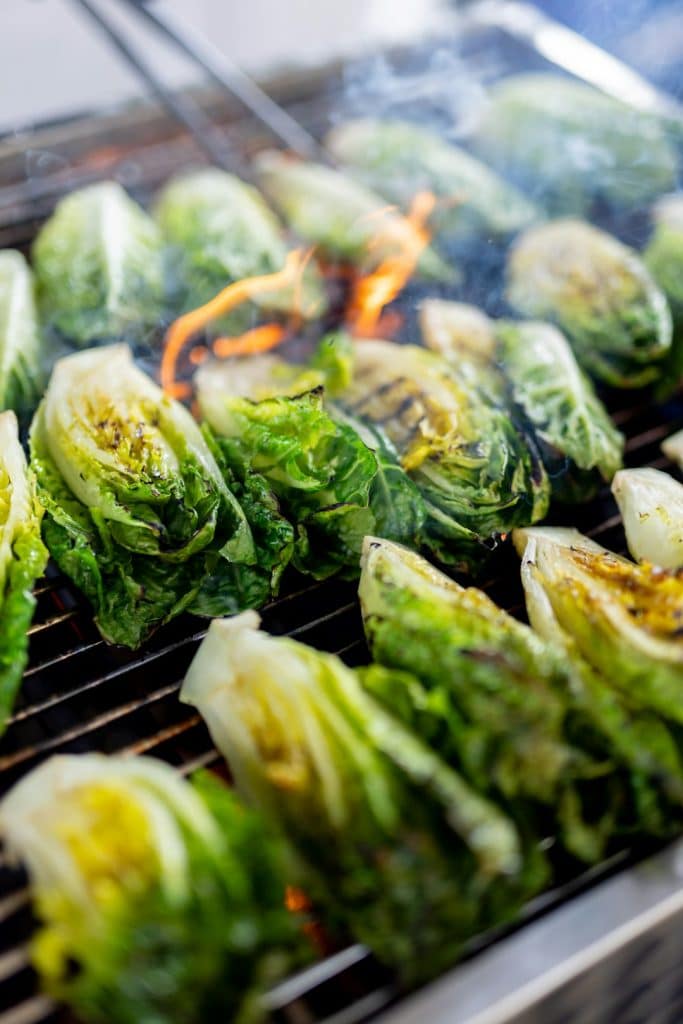
Direct smoking cooks vegetables right over the heat source. This method works well for small, sturdy vegetables like peppers or mushrooms. It gives a quick smoky flavor but needs careful attention to avoid burning.
Indirect smoking places vegetables away from the heat source. The smoke and heat cook them slowly and evenly. This method suits larger or delicate vegetables like corn or tomatoes, keeping them moist and tender.
- Direct Smoking:Faster cooking, smoky char, watch closely
- Indirect Smoking:Slower cooking, even heat, keeps moisture
Using Foil And Grill Baskets
Foil and grill baskets help keep vegetables from falling through the smoker grates. They also make it easier to move and turn the vegetables during smoking.
Wrap vegetables in foil to trap moisture and steam them slightly while smoking. Use grill baskets for better airflow and even smoke exposure. Both tools protect delicate vegetables and improve cooking control.
- Foil:Holds moisture, good for soft or chopped vegetables
- Grill Baskets:Allow smoke flow, best for whole or sliced vegetables
Seasoning And Flavoring Tips
Cooking vegetables in a smoker adds a unique smoky taste. Seasoning helps bring out the best flavors.
Using the right herbs, spices, and sauces will make your smoked vegetables delicious and tasty.
Marinades And Rubs
Marinades soak into vegetables and add moisture. They also help the smoke stick to the food better.
Rubs are dry mixes of spices. They create a nice crust and deepen the flavor of smoked vegetables.
- Use olive oil, lemon juice, or vinegar in marinades for tangy taste.
- Add garlic, soy sauce, or honey for extra flavor.
- Mix paprika, cumin, salt, and pepper for a simple rub.
- Let vegetables sit in marinade for 30 minutes to 2 hours.
- Apply rub evenly before smoking for best results.
Adding Herbs And Spices
Fresh herbs add bright, fresh flavors to smoked vegetables. Dried herbs give a deeper taste.
Spices like black pepper, chili flakes, and coriander add warmth and a little heat.
- Try rosemary, thyme, or oregano for earthy notes.
- Add basil or parsley after cooking for fresh flavor.
- Use smoked paprika or chipotle for extra smoky taste.
- Sprinkle salt last to keep vegetables crisp.
Smoking Times And Temperature Guide
Smoking vegetables adds a rich, smoky flavor that enhances their natural taste. Cooking them at the right temperature and time is key for the best results.
Use a smoker set between 225°F and 250°F for most vegetables. This low heat lets smoke soak in without overcooking.
Timing For Different Vegetables
Different vegetables need different smoking times. Softer vegetables cook faster, while denser ones take longer.
| Vegetable | Smoking Time | Temperature |
|---|---|---|
| Bell Peppers | 30-45 minutes | 225°F – 250°F |
| Asparagus | 20-30 minutes | 225°F – 250°F |
| Carrots | 1-1.5 hours | 225°F – 250°F |
| Potatoes | 1.5-2 hours | 225°F – 250°F |
| Zucchini | 30-45 minutes | 225°F – 250°F |
| Mushrooms | 1 hour | 225°F – 250°F |
Checking For Doneness
Check your vegetables often near the end of the smoking time. They should be tender but not mushy.
Use a fork or knife to test softness. If it slides in easily, the vegetables are done.
- Vegetables should have a slight bite, not be too soft.
- Look for a light smoky color on the surface.
- Remove vegetables as soon as they are tender to avoid overcooking.

Credit: www.masterbuilt.com
Serving And Storing Smoked Vegetables
Smoked vegetables have a rich, smoky flavor that pairs well with many dishes. Knowing how to serve and store them keeps their taste fresh and enjoyable.
Proper storage helps keep smoked vegetables safe to eat and maintains their texture and flavor for later use.
Serving Suggestions
Serve smoked vegetables warm or at room temperature. They work great as side dishes or main ingredients in meals.
- Add smoked vegetables to salads for extra flavor
- Mix them into pasta or grain bowls
- Use smoked vegetables as toppings on sandwiches or pizzas
- Serve alongside grilled meats or fish
- Blend smoked vegetables into dips or spreads
Garnish with fresh herbs or a drizzle of olive oil to enhance their taste.
Storage Tips
Let smoked vegetables cool completely before storing. Keep them in airtight containers to preserve flavor and moisture.
- Store in the refrigerator for up to 4 days
- Freeze for longer storage, up to 2 months
- Label containers with the date before storing
- Reheat gently to avoid drying out
- Do not leave smoked vegetables at room temperature for more than 2 hours
Use leftovers in new recipes to reduce waste and enjoy the smoky flavor again.
Troubleshooting Common Issues
Cooking vegetables in a smoker adds a rich flavor. Sometimes, problems like overcooking or too much smoke happen.
Knowing how to fix these issues will improve your results and keep your vegetables tasty and healthy.
Avoiding Overcooking
Overcooked vegetables become mushy and lose their taste. Keep an eye on cooking times and temperatures.
- Set smoker temperature between 225°F and 250°F.
- Check vegetables every 20 minutes for doneness.
- Use a timer to avoid leaving vegetables in too long.
- Cut vegetables into even sizes for uniform cooking.
- Remove vegetables promptly once tender but firm.
Managing Smoke Levels
Too much smoke makes vegetables bitter. Too little smoke means less flavor.
| Smoke Level | Cause | Fix |
|---|---|---|
| Excessive Smoke | Using wet wood or too much wood | Use dry wood and add small amounts at a time |
| Light Smoke | Not enough wood or low airflow | Add more wood and increase airflow |
| Harsh Smoke | Burning leaves or resinous wood | Choose mild hardwood like apple or cherry |

Credit: www.biscuitsandburlap.com
Frequently Asked Questions
What Vegetables Are Best For Smoking?
Root vegetables, peppers, mushrooms, and zucchini smoke well. They absorb smoky flavors and maintain texture. Choose firm, fresh veggies for optimal results.
How Long Should Vegetables Be Smoked?
Smoking time varies by vegetable size and type. Typically, 30 to 60 minutes at 225°F works well. Check tenderness with a fork to avoid overcooking.
Do I Need To Marinate Vegetables Before Smoking?
Marinating is optional but enhances flavor. Use oil, herbs, and spices for a tasty coating. It also helps retain moisture during smoking.
What Type Of Wood Is Best For Smoking Vegetables?
Mild woods like apple, cherry, or pecan complement vegetables. They add subtle smoky notes without overpowering natural flavors. Avoid strong woods like mesquite.
Conclusion
Smoking vegetables adds rich flavor and a unique twist. It’s easy to do with basic steps and simple tools. Experiment with different veggies and wood chips for variety. Keep the heat low and cook slow for best results. Smoking preserves nutrients and makes veggies tender.
Try this method to enjoy healthy, tasty meals at home. Give it a go and taste the difference yourself!