Imagine turning your kitchen scraps into nutrient-rich gold for your garden. How satisfying would it be to know that your everyday waste is contributing to a greener planet and a healthier yard?
Composting in the kitchen is a simple and rewarding way to reduce waste and nourish your plants. If you've ever felt guilty about tossing out food scraps or wondered how you could make a difference from the comfort of your home, you're in the right place.
This guide will show you how easy and impactful kitchen composting can be. Ready to transform your kitchen waste into something wonderful? Let's dig in and discover the secrets to successful kitchen composting.

Credit: www.bamboozlehome.com
Benefits Of Kitchen Composting
Kitchen composting helps turn food scraps into useful soil material. It is an easy way to reduce waste and help the environment.
By composting in your kitchen, you can make a positive impact on your garden and the planet.
Reducing Food Waste
Many food scraps can be composted instead of thrown away. This lowers the amount of trash sent to landfills.
- Vegetable peels
- Fruit cores and skins
- Coffee grounds and tea bags
- Eggshells
- Leftover grains and bread
Enriching Soil Naturally
Compost adds nutrients to your soil without chemicals. It helps plants grow strong and healthy.
| Soil Benefit | Effect |
| Improves texture | Makes soil loose and easy to work |
| Increases nutrients | Feeds plants naturally |
| Retains moisture | Keeps plants hydrated longer |
| Supports microbes | Boosts soil life and health |
Lowering Carbon Footprint
Composting reduces methane gas from landfills. Methane harms the atmosphere much more than carbon dioxide.
Benefits of composting for the climate include:
- Less greenhouse gas emissions
- Reduced need for chemical fertilizers
- Lower energy use in waste processing
- Supports carbon storage in soil
Choosing A Compost Bin
Composting in the kitchen helps reduce waste and create rich soil. Picking the right compost bin makes the process easy and clean.
There are many types of bins to choose from. Think about size, placement, and how to control odor and pests.
Types Of Compost Bins
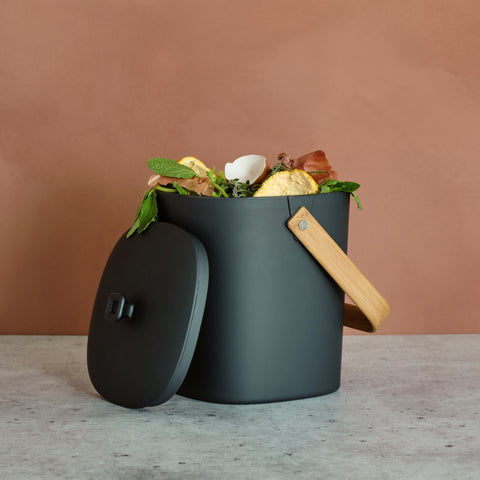
Compost bins come in many styles. Some are simple buckets, while others have lids and filters.
- Countertop bins are small and fit on your kitchen counter.
- Plastic bins often have lids to keep smells inside.
- Stainless steel bins look nice and are easy to clean.
- Bins with charcoal filters reduce odors well.
Size And Placement Tips
Choose a bin size that fits your kitchen space and waste amount. Too small means emptying it often; too large takes up space.
Place your compost bin near your food prep area. This makes it easy to add scraps quickly and keeps your kitchen tidy.
- Small bins (1-2 gallons) suit small households.
- Medium bins (3-5 gallons) work for most families.
- Keep the bin on a countertop or under the sink.
- Make sure the bin is easy to reach and clean.
Odor And Pest Control
Odor and pests can be problems in kitchen composting. Choose bins with tight lids to keep smells in and bugs out.
Use bins with charcoal filters to absorb odors. Clean the bin often to avoid buildup. Keep the compost dry to reduce smells and pests.
- Empty the bin regularly to prevent odors.
- Add dry materials like paper or leaves to absorb moisture.
- Store the bin away from direct sunlight.
- Use bins with secure lids and filters.
Materials To Compost
Composting in the kitchen helps reduce waste and create rich soil. Knowing what materials to compost is important for success.
Using the right scraps and avoiding harmful items keeps your compost healthy and odor-free.
Kitchen Scraps To Use
You can compost many common kitchen scraps. These include fruit and vegetable peels, coffee grounds, and eggshells.
- Vegetable scraps like carrot tops and potato peels
- Fruit peels such as banana skins and apple cores
- Used coffee grounds and tea bags (without staples)
- Crushed eggshells for added calcium
- Leftover bread and grains in small amounts
- Nut shells, excluding walnut shells
Avoiding Problematic Items
Some kitchen waste can cause bad smells or attract pests. Avoid these to keep compost healthy.
| Do Not Compost | Reason |
|---|---|
| Meat and fish scraps | Cause odor and attract animals |
| Dairy products | Can spoil quickly and smell bad |
| Oils and greasy foods | Slow down composting and repel water |
| Diseased plants | May spread disease in compost |
| Pet waste | Can contain harmful bacteria |
Balancing Greens And Browns
Compost needs a mix of green and brown materials. Greens provide nitrogen; browns add carbon.
- Greens:fruit scraps, vegetable peels, coffee grounds
- Browns:dry leaves, shredded paper, cardboard pieces
- Use about two parts brown to one part green for best results
- Turn the compost often to add air and speed up decay
Step-by-step Composting Process
Composting in the kitchen helps reduce waste and creates rich soil. It is easy to do with some simple steps.
You can turn your food scraps into compost by following a few basic actions. Start by collecting scraps, then layer and mix them, and finally keep the pile moist and aerated.
Collecting And Storing Scraps
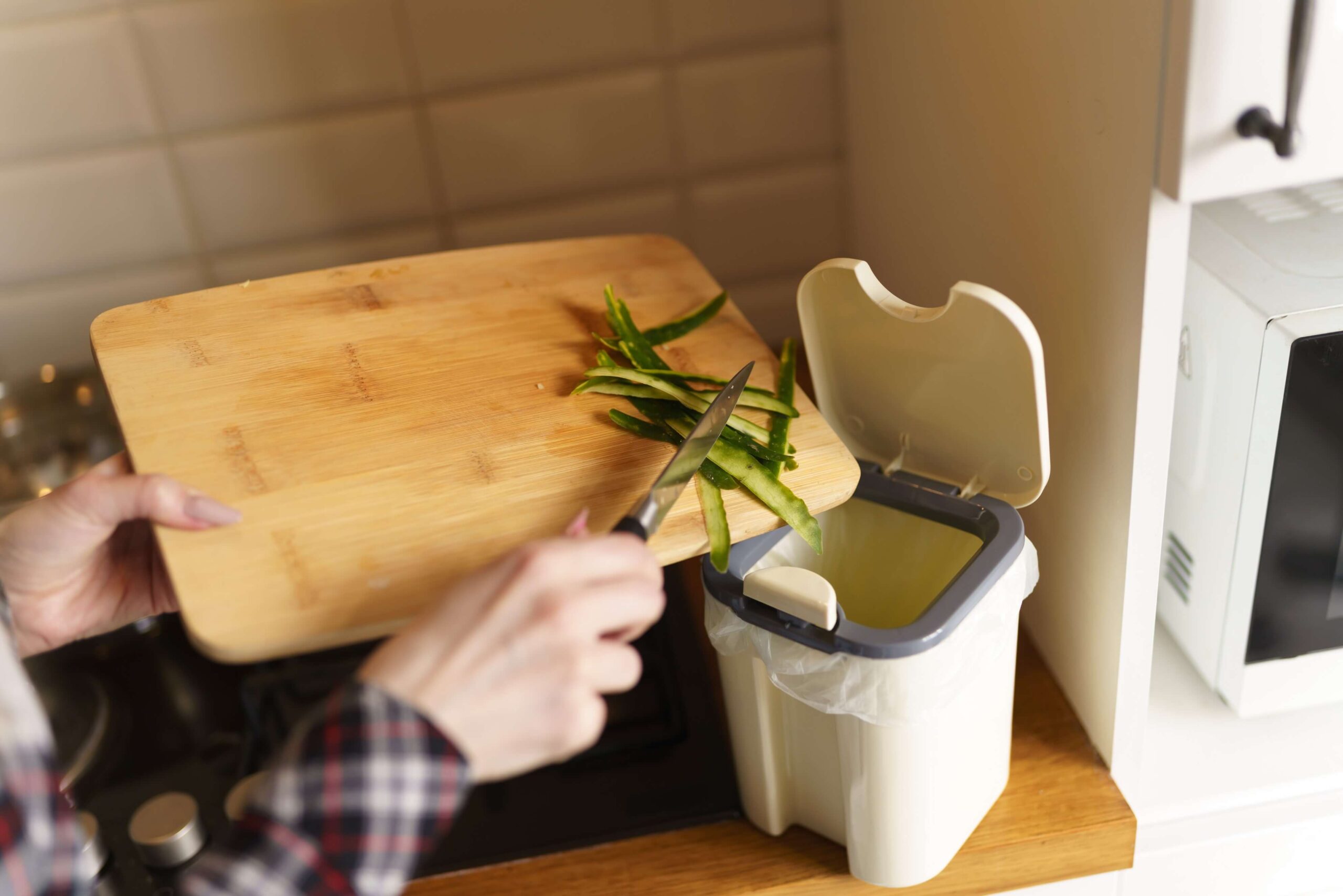
Gather kitchen scraps like vegetable peels, fruit skins, coffee grounds, and eggshells. Avoid meat, dairy, and oily foods because they can attract pests.
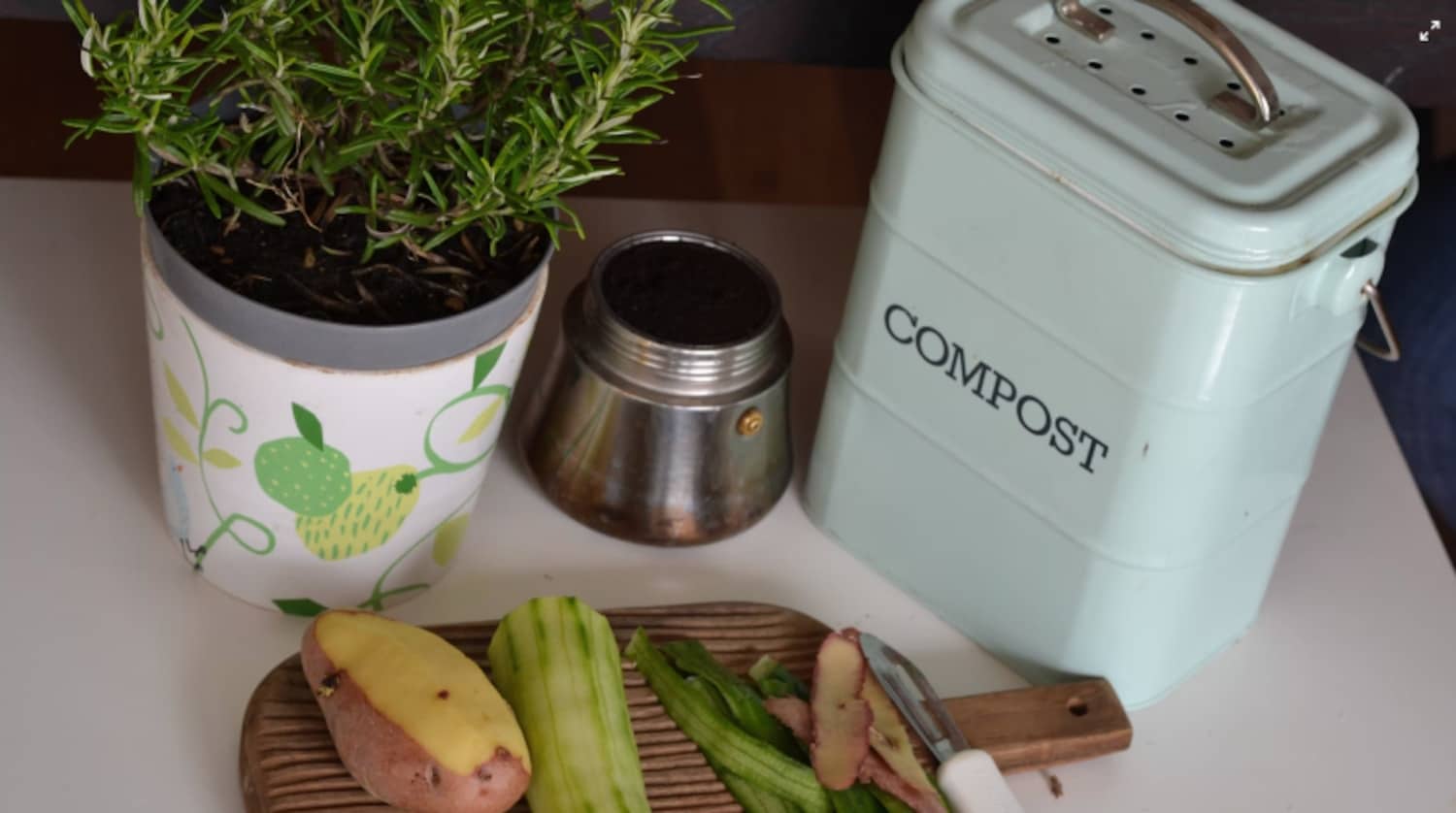
- Use a small container with a lid to store scraps on the countertop.
- Empty the container into your outdoor compost bin or pile regularly.
- Keep the container clean to prevent odors and bugs.
Layering And Mixing Compost
Build your compost by layering green and brown materials. Greens add nitrogen, and browns add carbon. This balance helps compost break down faster.
| Material Type | Examples | Purpose |
| Green | Vegetable scraps, coffee grounds, grass clippings | Add nitrogen |
| Brown | Dry leaves, cardboard, paper | Add carbon |
Mix the layers every few weeks to speed up the composting process and prevent bad smells.
Maintaining Moisture And Aeration
Keep your compost moist like a wrung-out sponge. Too much or too little water slows decomposition.
Follow these tips for moisture and air:
- Water the pile if it feels dry.
- Turn the compost regularly to add air.
- Cover the compost during heavy rain to avoid overwatering.
Speeding Up Decomposition
Composting in the kitchen can be quick and easy. You only need to follow some simple tips to help waste break down faster.
Faster decomposition means you get rich compost sooner. This helps your plants grow strong and healthy.
Chopping And Shredding Tips
Cut food scraps into small pieces before adding them to your compost. Smaller pieces break down faster.
Shred tougher items like vegetable peels or paper. This gives microbes more surface to work on.
- Use a knife or scissors to chop scraps
- Shred paper or cardboard into thin strips
- Mix chopped items well with other compost materials
Using Compost Starters
Compost starters contain helpful microbes that speed up decay. Adding them can jumpstart your pile.
You can buy compost starters or use natural materials like finished compost or garden soil.
- Sprinkle starter evenly over new compost layers
- Mix starter into the pile for better contact
- Keep the pile moist to help microbes grow
Turning The Pile Regularly
Turning your compost pile helps air reach all parts. This keeps microbes active and speeds decomposition.
Turn the pile every few days or once a week. Use a pitchfork or shovel to mix the materials.
- Loosen the pile to add oxygen
- Mix dry and wet materials evenly
- Check moisture and add water if dry

Credit: www.bamboozlehome.com
Using Finished Compost
Finished compost adds nutrients back into your garden soil. It helps plants grow stronger and healthier.
Knowing how to use compost correctly will improve your kitchen garden’s success.
How To Identify Ready Compost
Ready compost is dark, crumbly, and smells like fresh earth. It should not have any large, recognizable food scraps or leaves.
- Look for a uniform texture with small particles.
- Check for a pleasant, earthy smell without sour or rotten odors.
- Make sure the compost is cool to the touch, not warm.
- Test that it breaks apart easily between your fingers.
Applying Compost To Plants
Use compost to feed your plants and improve soil health. You can spread it on the surface or mix it into the soil.
- Sprinkle a thin layer of compost around the base of plants.
- Gently work compost into the top 2-3 inches of soil.
- Water the area after applying compost to help nutrients soak in.
- Use compost as a mulch to keep moisture in and weeds down.
Storing Leftover Compost
If you have leftover compost, store it properly to keep it fresh and useful for later.
| Storage Method | Details |
| Keep in a covered container | Protects compost from rain and pests |
| Store in a cool, dry place | Prevents mold and bad smells |
| Use breathable bags or bins | Allows air flow to keep compost healthy |
| Check moisture regularly | Keep compost damp but not wet |
Troubleshooting Common Issues
Composting in the kitchen is easy but can face some problems. These issues slow down the process or create bad smells.
Here are ways to fix common problems like odors, pests, and slow composting.
Dealing With Odors
Bad smells usually mean the compost is too wet or has too much food waste. Air helps stop odors.
- Add dry materials like shredded paper or dry leaves to absorb moisture.
- Turn the compost often to let air in.
- Keep the compost covered but with some airflow.
- Avoid putting meat, dairy, or oily foods in the compost.
Pest Prevention Strategies
Pests come to the compost because of exposed food or smell. Keep them away by managing what goes in.
| Cause | Prevention |
|---|---|
| Open food scraps | Cover scraps with dry leaves or soil |
| Fruits and vegetables left uncovered | Chop scraps into small pieces and mix well |
| Too much moisture | Add dry materials to balance moisture |
| Compost bin not sealed | Use a bin with a tight lid and small holes for air |
Fixing Slow Composting
Slow composting happens when materials do not break down well. The mix, moisture, and temperature affect speed.
- Check the balance of green and brown materials. Green is food scraps, brown is dry leaves or paper.
- Make sure the compost is moist but not wet. It should feel like a wrung-out sponge.
- Turn the compost regularly to add air and help microbes work faster.
- Keep the compost in a warm place, as cold slows down the process.
Credit: www.texasdisposal.com
Composting Alternatives For Small Spaces
Composting helps reduce kitchen waste and creates rich soil for plants. Small spaces can still support composting with the right methods.
There are easy ways to compost indoors or in limited areas. These alternatives fit apartments or places without yards.
Vermicomposting With Worms
Vermicomposting uses special worms to break down food scraps. It works well inside small bins or containers.
Worms eat vegetable peels, coffee grounds, and paper. They turn waste into nutrient-rich compost called worm castings.
- Use a ventilated bin with bedding like shredded paper
- Add kitchen scraps regularly but avoid meat and dairy
- Keep the bin moist and in a cool place
- Harvest compost every few months for plants
Bokashi Fermentation Method
Bokashi uses fermentation to break down food waste quickly. It works in a sealed container without bad smells.
This method accepts all kitchen scraps, including meat and dairy. A special Bokashi mix helps good bacteria ferment the waste.
- Fill the container with food scraps in layers
- Sprinkle Bokashi bran over each layer
- Press down to remove air and seal the lid
- After 2 weeks, bury the fermented waste in soil or compost
Community Composting Options
Community composting programs let you drop off food scraps for shared compost piles. This is great if you have no space at home.
Many cities have local compost centers or gardens that accept kitchen waste. You can join groups or find nearby locations.
- Check local government or community websites for programs
- Follow guidelines on what materials to bring
- Use special bins or bags if provided
- Meet others interested in composting and gardening
Frequently Asked Questions
What Kitchen Scraps Can I Compost Safely?
You can compost fruit and vegetable peels, coffee grounds, eggshells, and tea bags. Avoid meat, dairy, and oily foods to prevent odors and pests.
How Do I Start Composting In My Kitchen?
Use a small, ventilated container with a lid. Add kitchen scraps daily, layer with dry materials like paper, and stir regularly to speed decomposition.
How Often Should I Empty My Kitchen Compost Bin?
Empty your kitchen compost bin every 3 to 5 days. This prevents bad smells and keeps the composting process efficient and hygienic.
Can I Compost Cooked Food Leftovers In The Kitchen?
Cooked food can be composted but in small amounts. Avoid oily or heavily seasoned leftovers as they attract pests and slow decomposition.
Conclusion
Composting in the kitchen helps reduce waste every day. It turns food scraps into healthy soil for plants. You save money and help the environment too. Start small with simple steps and grow your habit. Soon, kitchen composting will feel easy and natural.
Give it a try and watch your waste shrink. Your garden and planet will thank you. Keep composting and enjoy the benefits all year long.