How to Clean Butcher Block Cutting Board: Are you wondering how to clean your butcher block cutting board effectively? You’re not alone.
These sturdy kitchen essentials are not just workhorses; they’re also a beautiful addition to any culinary space. But without proper care, they can harbor bacteria and lose their charm. Imagine slicing your favorite veggies or preparing a hearty meal on a surface that’s pristine and safe.
Sounds appealing, right? In this guide, you’ll discover simple yet powerful cleaning techniques that ensure your butcher block stays in top condition. Dive in to learn how to keep your board looking new and your kitchen safe!
Why Clean Butcher Block Boards
Butcher block boards need regular cleaning to stay safe and last long. Dirt and food bits can hide in the wood. Cleaning stops germs from growing.
Keeping your board clean protects your health and saves money. It also keeps the board looking good over time.
Preventing Bacteria Build-up
Bacteria grow fast on wet and dirty wood. Cleaning stops them from spreading to your food. Use soap and warm water after each use. Dry the board well to keep moisture out.
- Wash with mild soap and warm water
- Scrub with a brush to reach grooves
- Rinse thoroughly to remove soap
- Dry the board with a clean towel
- Use vinegar or lemon for extra cleaning
Maintaining Board Longevity
Cleaning protects the wood from damage. Dirt and moisture can make the wood crack or warp. Oiling the board helps keep it smooth and strong.
| Care Tip | Reason |
| Clean after each use | Stops bacteria and stains |
| Dry completely | Prevents wood swelling |
| Apply mineral oil monthly | Keeps wood from drying out |
| Avoid soaking in water | Prevents warping and cracks |

Credit: ca.maisonrodin.com
Daily Cleaning Tips
Keeping your butcher block cutting board clean every day helps it last longer. Dirt and bacteria can hide in the wood if you do not clean it well.
Simple daily care keeps your board safe for food and looking good. Follow these easy tips to clean your board after each use.
Wiping And Washing
After using the cutting board, wipe off all food scraps with a damp cloth. Use mild soap and warm water to wash the board. Avoid soaking the wood in water to stop warping.
- Use a soft sponge or cloth to clean the surface
- Rinse with warm water immediately after washing
- Do not use harsh chemicals or bleach
- Clean both sides of the board to prevent warping
- Dry the board quickly after washing
Drying Properly
Dry your butcher block cutting board well to avoid damage. Place it in a vertical position to air dry. Avoid leaving it flat on the counter where moisture can stay trapped.
| Drying Method | Why It Works |
| Stand board upright | Allows air to flow on both sides |
| Use a clean towel | Removes surface moisture fast |
| Keep away from direct heat | Prevents cracking and warping |
Deep Cleaning Methods
Butcher block cutting boards need deep cleaning to remove stains and smells. Simple kitchen ingredients can help clean and refresh your board.
These deep cleaning methods keep your board safe and ready for food prep. Use them regularly to maintain cleanliness.
Using Salt And Lemon
Coarse salt and lemon work well to clean and deodorize your butcher block. The salt scrubs away dirt, while lemon kills bacteria and adds a fresh scent.
Sprinkle salt over the board. Cut a lemon in half and rub it across the salt. Let it sit for a few minutes, then rinse with warm water and dry.
- Sprinkle coarse salt evenly on the board
- Rub the salt with a lemon half in circular motions
- Let the mixture sit for 5 minutes
- Rinse the board with warm water
- Dry it completely with a clean towel
Applying Baking Soda Paste
Baking soda paste cleans stains and removes odors from your cutting board. It is gentle and safe for wood surfaces.
Mix baking soda with water to make a thick paste. Spread it on the board and scrub gently. Let it sit for 10 minutes, then wipe and rinse.
- Mix 3 parts baking soda with 1 part water to form a paste
- Apply the paste evenly on the cutting board
- Scrub the board using a soft brush or cloth
- Leave the paste on for 10 minutes
- Wipe off the paste and rinse with warm water
- Dry the board thoroughly before storage
Credit: choppingboards.in
Removing Stains And Odors
Butcher block cutting boards can absorb stains and odors from food. Cleaning them properly keeps them fresh and safe to use. Simple home remedies can help you remove these problems effectively.
This guide explains two easy methods: using vinegar and activated charcoal. Both are natural and gentle on wood surfaces.
Vinegar Solutions
Vinegar is a natural cleaner that fights stains and neutralizes odors. It is safe for butcher block boards and works well on food smells.
- Mix equal parts of white vinegar and water in a spray bottle.
- Spray the mixture on the stained or smelly areas.
- Let it sit for about 5 minutes to break down stains and odors.
- Wipe the board with a clean cloth or sponge.
- Rinse with warm water and dry thoroughly.
Activated Charcoal Techniques
Activated charcoal absorbs odors deeply and can help clean your cutting board naturally. It is easy to use and does not harm wood.
| Activated Charcoal Use | Purpose |
|---|---|
| Place charcoal in a breathable cloth bag | Absorbs odors from the surface |
| Rub charcoal powder gently on stains | Helps lift stains without scratching |
| Let charcoal sit on the board for hours | Deep odor removal |
| Wipe off charcoal and clean board with water | Removes residues and freshens board |
Sanitizing The Board
Cleaning your butcher block cutting board is important to keep it safe. Sanitizing kills germs and bacteria that might be on the surface.
Using simple household items can help you sanitize the board effectively. Two common options are hydrogen peroxide and diluted bleach.
Using Hydrogen Peroxide
Hydrogen peroxide is a safe and natural sanitizer. It helps remove bacteria without harming the wood.
Pour 3% hydrogen peroxide over the board. Spread it evenly with a clean cloth. Let it sit for a few minutes, then rinse with water and dry well.
- Use 3% hydrogen peroxide solution
- Apply it evenly on the board
- Let it sit for 5 minutes
- Rinse with warm water
- Dry completely before use
Diluted Bleach Options
Diluted bleach is a strong sanitizer that kills most bacteria and viruses. Use it carefully to protect the wood.
Mix one tablespoon of bleach with one gallon of water. Wipe the board with this solution. Let it stay for two minutes, then rinse and dry fully.
- Mix 1 tablespoon bleach with 1 gallon water
- Wipe board with the solution
- Keep it on the board for 2 minutes
- Rinse thoroughly with water
- Dry the board well before use
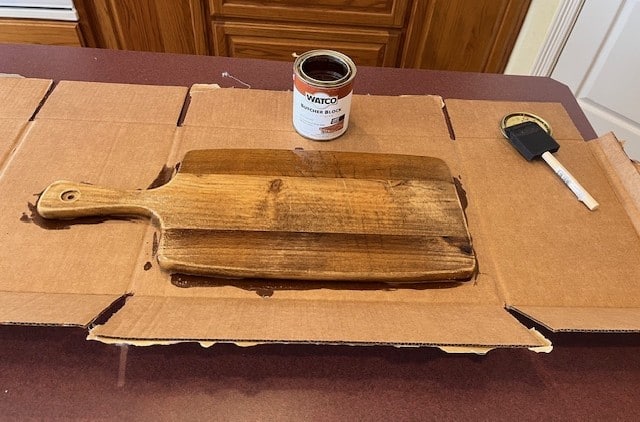
Oiling And Conditioning
Keeping your butcher block cutting board oiled and conditioned helps it last longer. It prevents drying and cracking from daily use.
Regular oiling also protects the wood from stains and odors. This guide explains how to choose the right oil and how to apply it properly.
Choosing The Right Oil
Not all oils are safe for kitchen use. Some can turn rancid or harm the wood. Use oils that are food-safe and absorb well.
- Mineral oil: Clear, odorless, and safe for food contact
- Walnut oil: Natural and safe but may cause allergies
- Coconut oil: Absorbs well but can leave a scent
- Beeswax blends: Good for extra protection and shine
- Avoid vegetable or olive oils: They can go rancid quickly
How To Apply Oil
Applying oil correctly keeps the board smooth and protected. Clean and dry the board before you start.
- Pour a small amount of oil on the board’s surface.
- Use a clean cloth or paper towel to spread the oil evenly.
- Rub the oil in using circular motions, covering all areas.
- Let the oil soak in for at least a few hours or overnight.
- Wipe off any excess oil with a dry cloth.
- Repeat the process monthly or when the wood looks dry.
| Tip | Detail |
| Amount of oil | Use enough to wet the surface but not pool |
| Frequency | Oil your board every 3-4 weeks or as needed |
| Drying time | Allow oil to soak in for 6-8 hours if possible |
| Cleaning before oiling | Wash with warm water and mild soap, dry fully |
Avoiding Damage
Butcher block cutting boards need special care to last longer. Using the wrong cleaning methods can cause cracks and stains. Taking simple steps helps keep your board safe and clean.
Learn what to avoid and how to store your board properly. This will keep it looking good and working well for years.
What Not To Use
Some cleaning tools and products can harm your butcher block. Avoid these to prevent damage:
- Harsh chemicals like bleach or ammonia
- Soaking the board in water for a long time
- Dishwasher cleaning
- Metal scrubbers or abrasive pads
- Oils that are not food-safe, like vegetable or olive oil
Storage Tips
Proper storage stops the board from warping or growing mold. Follow these tips to store your butcher block safely:
| Storage Method | Reason |
|---|---|
| Keep board dry | Prevents mold and wood swelling |
| Store upright | Allows air to circulate on all sides |
| Avoid direct sunlight | Prevents cracking and fading |
| Use mineral oil regularly | Keeps wood moisturized and sealed |

Credit: woodforchef.com
Frequently Asked Questions
How Do I Properly Clean A Butcher Block Cutting Board?
To clean, use warm soapy water and a soft sponge. Avoid soaking it. Rinse and dry thoroughly to prevent warping.
Can I Use Bleach To Sanitize My Butcher Block Board?
Avoid bleach as it can damage the wood. Instead, use diluted vinegar or hydrogen peroxide for safe sanitizing.
How Often Should I Oil My Butcher Block Cutting Board?
Oil your board once a month or when it looks dry. Use food-grade mineral oil for best results.
What Is The Best Way To Remove Stains From Butcher Block?
Sprinkle coarse salt, rub with lemon halves, then rinse. This natural method lifts stains and deodorizes effectively.
Conclusion
Cleaning your butcher block cutting board is simple and important. Regular washing stops germs and keeps the board fresh. Use mild soap and warm water for best results. Avoid soaking the wood to prevent damage. Dry the board well after washing.
Oiling the board often helps it last longer. A clean board looks good and works better. Taking care of your board protects your food and health. Keep these easy steps in mind to enjoy your cutting board every day. Good care means a safer kitchen and tasty meals.