How to Care for Butcher Block Cutting Board: Imagine slicing fresh vegetables on a surface that not only enhances your kitchen’s aesthetics but also stands the test of time. That’s the magic of a butcher block cutting board.
These boards are more than just a kitchen tool; they’re a testament to craftsmanship and durability. But to keep them in top shape, they need a little TLC. If you’ve ever wondered how to maintain that perfect blend of beauty and functionality, you’re in the right place.
In this guide, you’ll discover simple yet effective tips to care for your butcher block cutting board, ensuring it remains a cherished part of your culinary adventures for years to come. Ready to unlock the secrets of preserving your kitchen’s unsung hero? Let’s dive in.
Choosing The Right Butcher Block
Picking the right butcher block cutting board helps it last longer. It also keeps your kitchen safe and clean.
Knowing about wood types, size, and grain helps you make a good choice. This guide covers these key points.
Types Of Wood
Different woods affect how your board works and looks. Some woods are harder and resist cuts better.
- Maple: Strong and light-colored, it is popular for cutting boards.
- Walnut: Darker wood that is gentle on knives.
- Cherry: Has a warm tone and good durability.
- Beech: Hard and affordable, but can stain easily.
Size And Thickness Considerations
Choose a size that fits your kitchen space and cooking needs. Thickness adds weight and strength.
| Size | Best For | Notes |
| Small (10″x14″) | Light tasks, small kitchens | Easy to move and clean |
| Medium (15″x20″) | Everyday chopping and slicing | Balanced size and weight |
| Large (18″x24″ or more) | Big meals, heavy use | Heavy and takes more space |
| Thickness (1″ to 2″) | Durability | Thicker boards last longer |
End Grain Vs. Edge Grain
End grain boards show wood rings on the surface. Edge grain boards show the wood’s length.
- End Grain:More durable and gentle on knives. Cuts go between the wood fibers.
- Edge Grain:Easier to make and clean. Shows wood grain lines but can wear faster.

Credit: www.howardproducts.com
Daily Cleaning Tips
Keeping your butcher block cutting board clean every day helps it last longer. Proper care stops stains and odors from building up.
Follow simple cleaning steps to keep your board safe and ready for use in your kitchen.
Washing Techniques
Wash your butcher block with warm water and mild soap after each use. Use a soft sponge or cloth to avoid scratches.
Do not soak the board in water or use harsh chemicals. These can damage the wood and remove its natural oils.
Avoiding Excess Moisture
- Do not leave your board submerged in water.
- Wipe off any spills immediately with a dry cloth.
- Avoid placing the board near sinks or dishwashers where steam is common.
- Use mineral oil regularly to keep the wood from drying out.
Drying Methods
| Drying Method | Instructions |
|---|---|
| Air Dry | Stand the board upright on its side to let air flow on all surfaces. |
| Towel Dry | Use a clean towel to wipe off water after washing to speed up drying. |
| Avoid Direct Heat | Do not place the board near heaters or in direct sunlight, which can cause cracks. |
Regular Oiling And Conditioning
Butcher block cutting boards need regular care to stay strong and smooth. Oiling and conditioning keep the wood from drying out and cracking.
Proper maintenance helps your board last longer and stay safe for food preparation.
Best Oils To Use
Choose oils that soak into the wood and do not go rancid. Food-safe oils are best for your cutting board.
- Mineral oil is popular because it is odorless and tasteless.
- Coconut oil is also good and helps prevent bacteria.
- Beeswax often mixes with oils to add extra protection.
- Walnut oil is natural but can cause allergies for some people.
How Often To Oil
Oiling frequency depends on use and environment. Dry air or frequent washing means more oiling.
| Use Level | Oiling Frequency |
| Light Use (weekly cleaning) | Once a month |
| Medium Use (several times a week) | Every 2 weeks |
| Heavy Use (daily cutting) | Once a week |
| Dry Climate | Every 1 to 2 weeks |
Application Steps
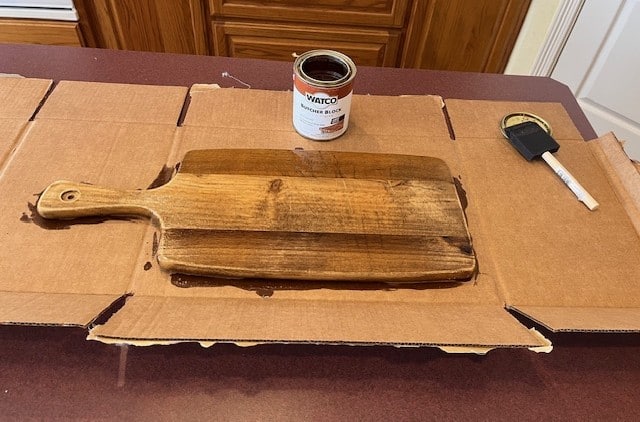
Follow these steps to oil your butcher block correctly. Clean the board first and dry it well.
- Pour a small amount of oil onto the board.
- Use a clean cloth to spread the oil evenly.
- Cover all sides, including edges.
- Let the oil soak in for at least 4 hours or overnight.
- Wipe off any extra oil with a dry cloth.
- If desired, apply a wax coat after oiling for extra protection.

Credit: www.oldyankeecuttingboards.com
Removing Stains And Odors
Butcher block cutting boards can get stains and smells from food. Cleaning them well keeps them fresh and safe.
Using simple household items helps remove stains and odors naturally without damage.
Natural Cleaning Solutions
Use natural ingredients like vinegar and baking soda. They clean and kill germs safely on wood boards.
Mix baking soda with water to make a paste. Rub it gently on the stained area. Let it sit for 10 minutes, then rinse well.
- Vinegar helps kill bacteria and remove smells.
- Baking soda lifts stains and neutralizes odors.
- Both are safe and easy to find at home.
Using Lemon And Salt
Lemon and salt work well together to clean and brighten butcher blocks. They remove tough stains and freshen the wood.
Cut a lemon in half and dip it in coarse salt. Rub the lemon and salt on the board’s surface. Let it sit for 5 minutes, then wipe clean with a damp cloth.
- Lemon’s acid breaks down stains.
- Salt scrubs away dirt and grime.
- This method also helps remove strong food odors.
Deodorizing Tips
To keep your cutting board smelling fresh, sprinkle baking soda over the surface. Let it sit for 15 minutes, then wipe or rinse it off.
You can also place the board in fresh air after cleaning. Sunlight helps kill odor-causing bacteria naturally.
- Baking soda absorbs smells quickly.
- Fresh air and sunlight dry and freshen the wood.
- Regular deodorizing keeps your board clean and safe.
Preventing And Repairing Damage
Butcher block cutting boards need care to stay strong and beautiful. You can prevent damage by using simple daily habits. Fixing small problems quickly keeps your board lasting longer.
This guide covers how to avoid cracks and warping, sanding and refinishing, and fixing deep cuts on your butcher block board.
Avoiding Cracks And Warping
Wood can crack and warp if it gets too dry or wet. Keep your board balanced in moisture to avoid damage. Always dry it well after washing and never soak it in water.
- Clean with a damp cloth, not soaking wet
- Dry completely before storing
- Apply food-safe oil regularly to keep wood moist
- Store in a cool, dry place away from heat sources
- Avoid sudden temperature changes
Sanding And Refinishing
Sanding removes surface stains and rough spots. After sanding, apply a finish to protect the wood. This refreshes your board and keeps it safe for food.
| Material | Purpose | Notes |
|---|---|---|
| Fine grit sandpaper (220 grit) | Smooth surface without deep scratches | Use gentle, even strokes |
| Food-safe mineral oil | Moisturizes and protects wood | Apply after sanding and let absorb |
| Beeswax or board conditioner | Seals surface and adds shine | Optional for extra protection |
Fixing Deep Cuts
Deep cuts can trap bacteria and weaken your board. Repair these cuts by cleaning, sanding, and filling if needed.
- Clean the board with mild soap and dry well.
- Sand the cut area to smooth edges and remove splinters.
- Fill very deep cuts with a food-safe wood filler or glue.
- Let filler dry fully before sanding it flush with the surface.
- Apply mineral oil or conditioner to seal the repair.
Storage And Usage Tips
Butcher block cutting boards need special care to last long. Proper storage and use keep them safe from damage.
Follow simple tips to protect your board and keep it clean and strong for years.
Proper Storage Conditions
Store your butcher block in a dry place with good air flow. Avoid damp or very hot areas.
Keep the board standing on its side or flat on a clean surface. This prevents warping and cracking.
- Place board where air can circulate
- Do not store in direct sunlight
- Keep away from water and humidity
- Store flat or on its side, not leaning
Safe Cutting Practices
Use the right knives and cut carefully on your butcher block. Avoid chopping very hard items.
Clean the board after each use to stop bacteria growth and keep the surface smooth.
- Use sharp knives to prevent slipping
- Cut in the same direction to protect wood grain
- Wash with warm, soapy water after use
- Dry board completely before storing
Avoiding Heat And Chemicals
Do not place hot pots or pans on the butcher block. Heat can cause burns and cracks.
Keep strong cleaners and chemicals away. They can damage the wood and remove natural oils.
- Never put board in dishwasher
- Do not use bleach or harsh chemicals
- Use food-safe oils to keep wood hydrated
- Avoid hot appliances on the board
Credit: choppingboards.in
Frequently Asked Questions
How Often Should I Oil A Butcher Block Board?
You should oil your butcher block once a month. This prevents drying and cracking. Use food-safe mineral oil for best results. Regular oiling keeps the wood hydrated and extends its lifespan.
Can I Wash A Butcher Block With Soap And Water?
Yes, wash your board with mild soap and warm water. Avoid soaking or using a dishwasher. Dry immediately with a clean towel to prevent warping and cracking.
How Do I Remove Stains From A Butcher Block?
Use a paste of baking soda and water to scrub stains gently. Rinse with warm water and dry thoroughly. For tougher stains, lemon and salt can act as a natural cleaner.
Is It Safe To Cut Raw Meat On A Butcher Block?
Yes, but clean the board immediately after use. Use hot soapy water and sanitize with vinegar or diluted bleach. This prevents bacterial growth and cross-contamination.
Conclusion
Caring for your butcher block cutting board keeps it strong and clean. Oil it often to stop cracks and warping. Clean with mild soap and warm water after use. Avoid soaking or putting it in the dishwasher. Dry it well to prevent damage.
Regular care makes your board last for years. A well-kept board stays safe for food and looks great. Simple steps make a big difference every day. Take time to care for your board; it will thank you.