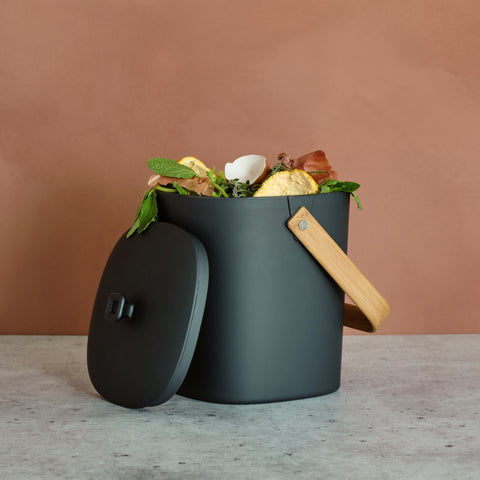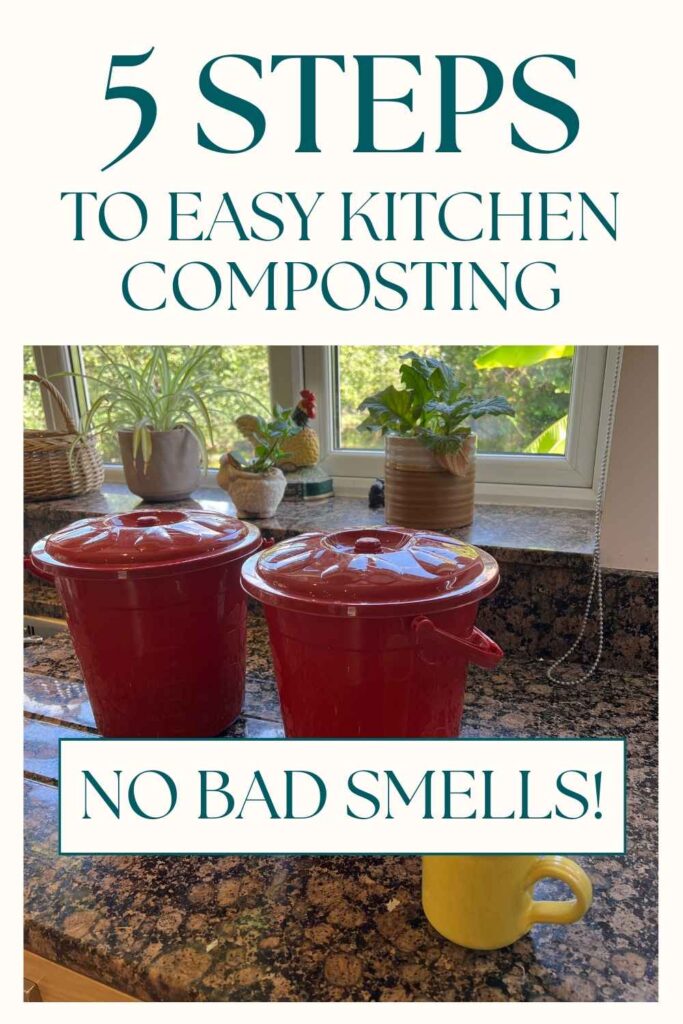
Is your kitchen compost bin starting to smell or attract unwanted pests? If you've been avoiding the task of cleaning it, you're not alone.
Many of us love the idea of composting for its eco-friendly benefits, but the maintenance can sometimes feel like a daunting chore. Imagine a fresh, odor-free bin that not only helps the planet but also makes your kitchen a more pleasant place to be.
In this guide, we’ll share simple, effective steps to clean your kitchen compost bin, ensuring it stays hygienic and efficient. Stick with us, and you’ll discover tips that make this task quick and easy, leaving you with more time to enjoy the benefits of composting without the hassle.
Choosing The Right Compost Bin
Choosing a compost bin helps you manage kitchen waste better. A good bin makes cleaning easier and reduces odors.
Think about the material and size of the bin. Also, check for useful features that suit your kitchen.
Materials And Sizes
Compost bins come in different materials. Each type has pros and cons for kitchen use.
| Material | Benefits | Drawbacks |
| Plastic | Lightweight, easy to clean, affordable | Can retain odors, may crack |
| Metal | Durable, resists pests | Can rust, heavier to move |
| Ceramic | Attractive, odor-resistant | Fragile, heavy |
| Wood | Natural look, breathable | Hard to clean, may rot |
Choose a size that fits your kitchen space and waste amount. Smaller bins suit small kitchens. Larger bins hold more scraps.
Features To Look For
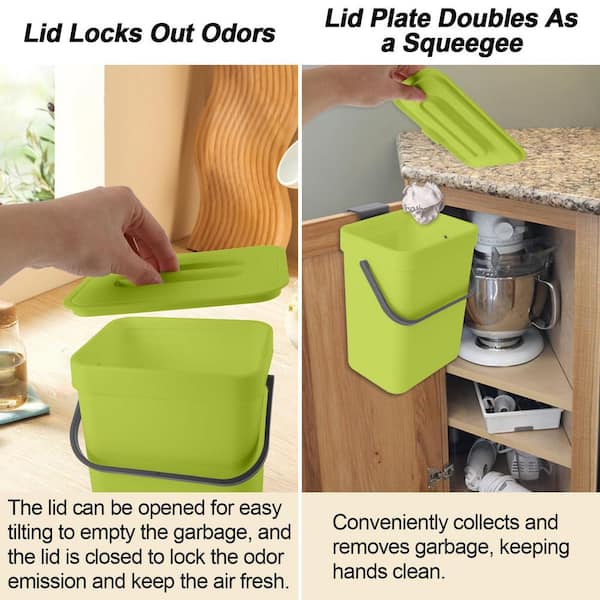
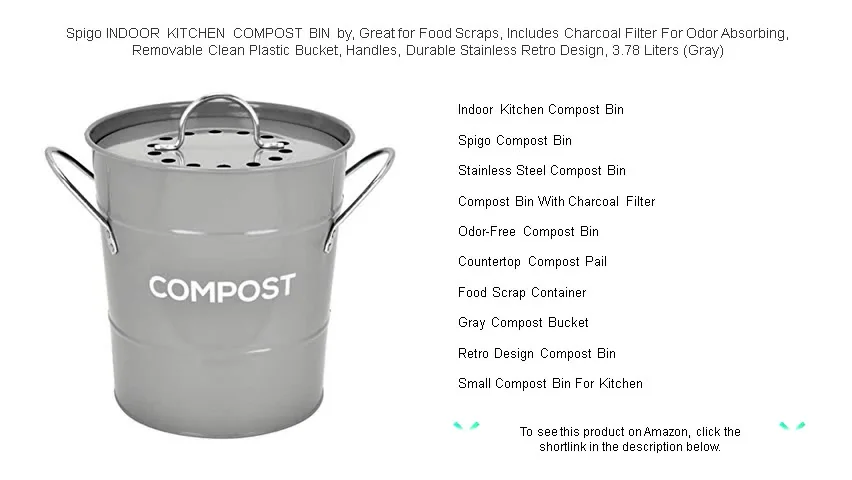
- Lid with a tight seal to stop smells
- Removable inner bucket for easy cleaning
- Handles for carrying
- Ventilation holes to reduce moisture
- Non-slip base to prevent spills
Pick features that make your compost bin simple to use and clean daily.

Credit: www.amazon.ca
Preparing To Clean
Cleaning your kitchen compost bin keeps it fresh and odor-free. It also helps reduce pests and bacteria growth.
Before you start cleaning, you need to prepare properly. This makes the process easier and more effective.
Emptying The Bin
First, remove all compost materials from the bin. Use gloves if the compost is wet or messy.
Empty the contents into your outdoor compost pile or another compost container. Make sure the bin is completely clear.
Gathering Cleaning Supplies
Collect all the cleaning tools and products you will need. This saves time and keeps you organized.
- Rubber gloves to protect your hands
- A scrub brush or sponge for scrubbing
- Mild dish soap to clean the bin
- Warm water to rinse and wash
- White vinegar or baking soda for odor removal
- A clean cloth or paper towels for drying
Cleaning Process
Keeping your kitchen compost bin clean helps reduce smells and pests. Regular cleaning also keeps your kitchen fresh and hygienic.
This guide covers simple steps to clean your compost bin effectively. Follow these easy tips to maintain your bin.
Rinsing And Scrubbing
Start by emptying the compost bin completely. Rinse it with warm water to remove loose debris.
Use a scrub brush and mild soap to clean the inside and outside. Scrub all surfaces well to remove stuck-on bits.
- Use warm water for rinsing
- Apply gentle dish soap
- Scrub corners and crevices thoroughly
- Rinse soap off completely
Deodorizing Techniques
After cleaning, use natural deodorizing methods to keep smells away. Baking soda works well to absorb odors.
Sprinkle baking soda inside the bin and let it sit for 15 minutes. You can also use lemon juice or white vinegar for extra freshness.
- Sprinkle baking soda inside the bin
- Let it sit for 15 minutes
- Use lemon juice or vinegar on a cloth
- Wipe the bin with the cloth
Drying The Bin
Dry the compost bin completely before use. This prevents mold and helps keep the bin fresh longer.
Air drying is best. Place the bin upside down on a clean towel or drying rack for a few hours.
- Turn the bin upside down
- Use a clean towel or rack
- Allow air drying for several hours
- Ensure the bin is fully dry before adding compost
Preventing Odors
Keeping your kitchen compost bin clean helps stop bad smells. Regular care keeps your kitchen fresh and pleasant.
There are simple ways to reduce odor using everyday items. These ideas help your compost bin stay odor-free.
Using Baking Soda
Baking soda is great at absorbing bad smells. Sprinkle some inside your compost bin to keep odors away.
Use about two tablespoons of baking soda on the bottom of the bin. Add more if the smell returns.
- Sprinkle baking soda before adding food scraps
- Mix it gently with the compost materials
- Replace baking soda weekly for best results
Adding Dry Materials
Dry materials help balance wet scraps and reduce odor. They soak up moisture and stop bad smells from forming.
Use items like shredded paper, dry leaves, or sawdust. Add a layer of dry material after each new batch of scraps.
- Use shredded newspaper or cardboard
- Add dry leaves collected from outside
- Try sawdust or wood chips if available
- Mix dry materials well with food scraps
Regular Maintenance Tips
Keeping your kitchen compost bin clean helps control odors and pests. Regular care also speeds up composting.
Follow simple daily and weekly habits to maintain your compost bin in good condition.
Daily Habits
Empty food scraps into the compost bin every day. Avoid adding meats or oily foods that attract bugs.
- Use a lid to keep smells contained
- Chop scraps into small pieces for faster breakdown
- Sprinkle a little baking soda to reduce odors
- Keep the bin in a cool, dry spot in your kitchen
Weekly Cleaning Routine
Clean your compost bin once a week to prevent buildup. This stops mold and bacteria from growing inside.
| Cleaning Task | How to Do It |
| Empty the bin | Remove all compost and residue |
| Wash thoroughly | Use warm water and mild soap |
| Scrub corners | Use a brush to reach tight spots |
| Dry completely | Air dry or wipe with a cloth |
| Deodorize | Sprinkle baking soda before refilling |
Credit: www.homedepot.com
Troubleshooting Common Issues
Keeping a kitchen compost bin clean can be tricky. Some issues may occur often. Knowing how to fix them helps keep the compost healthy.
This guide covers two common problems: mold and pests. You will find easy tips to handle each one safely.
Handling Mold
Mold growth in a compost bin is normal but can get out of control. Mold appears as white, green, or black fuzzy patches on food scraps.
- Remove moldy scraps quickly to stop it from spreading.
- Mix dry materials like shredded paper or dry leaves to reduce moisture.
- Keep the compost bin lid open sometimes to improve air flow.
- Clean the bin with warm soapy water if mold builds up on the sides.
- Use a vinegar spray to kill mold if it persists.
Dealing With Pests
Pests such as fruit flies, ants, or rodents may visit your compost bin. They come for food scraps but can cause problems.
| Type of Pest | Cause | How to Stop |
| Fruit Flies | Overripe fruit scraps | Cover scraps with dry materials |
| Ants | Dry food and sugary items | Keep bin moist and sealed |
| Rodents | Meat or oily food scraps | Use a bin with a tight lid |
Credit: soilssolutions.com
Frequently Asked Questions
How Often Should I Clean My Kitchen Compost Bin?
You should clean your kitchen compost bin every 1 to 2 weeks. Regular cleaning prevents odor and pest buildup. It keeps the bin fresh and hygienic for continuous use.
What Is The Best Way To Clean A Compost Bin?
Use warm water and mild soap to clean your compost bin. Avoid harsh chemicals as they can harm beneficial microbes. Rinse thoroughly and dry completely before reuse.
Can I Use Vinegar To Clean My Compost Bin?
Yes, vinegar is a natural disinfectant and deodorizer. Dilute white vinegar with water and spray inside the bin. It helps remove odors and kills bacteria safely.
How Do I Prevent Odors In A Kitchen Compost Bin?
Empty your compost bin regularly and use a bin liner or newspaper at the bottom. Clean the bin often and avoid adding excessive wet food scraps to reduce smells.
Conclusion
Cleaning your kitchen compost bin keeps your space fresh and odor-free. Regular washing stops germs and pests from growing. Use simple soap and water for easy cleaning. Dry the bin well before adding new scraps. A clean bin helps your compost break down better.
Try to clean it once a week or after emptying. This small habit makes composting more pleasant and healthy. Keep your kitchen tidy and enjoy recycling food waste easily. Simple steps, big benefits!