
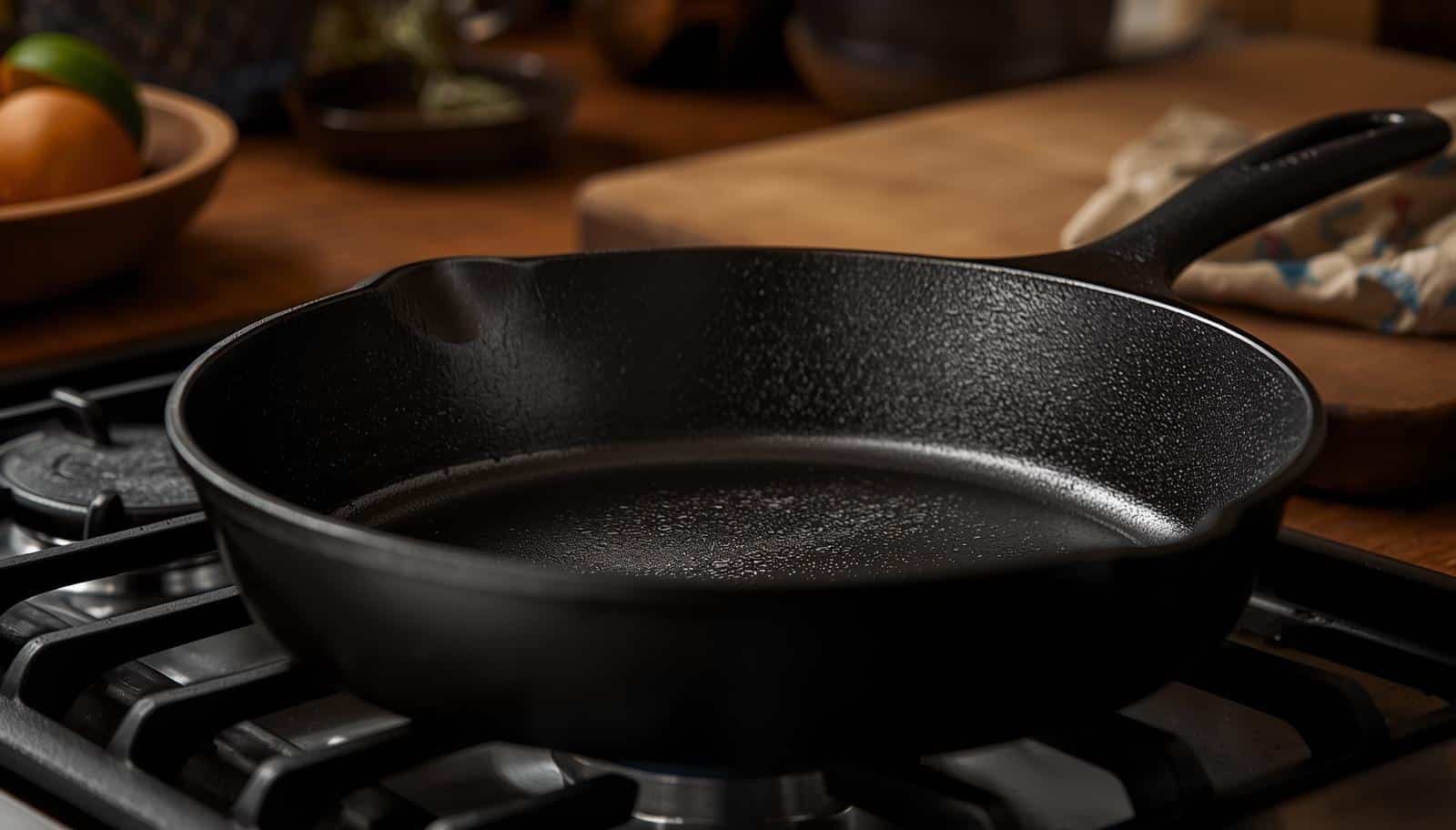
Have you ever wondered if you're treating your beloved cast iron skillet the right way? If you're like most of us, you cherish your skillet for the delicious meals it helps you create.
But keeping it in pristine condition can sometimes feel like a mystery. You might even worry about damaging it during the cleaning process. Fear not! You’re about to discover the secrets of How to Clean a Cast Iron Skillet America'S Test Kitchen, inspired by the trusted methods from America’s Test Kitchen. These tips will help you protect your skillet while keeping it perfectly seasoned and ready for your next meal.
Imagine having a skillet that not only lasts a lifetime but also improves with every use. Dive in and learn the simple steps that will transform your cleaning routine, ensuring your skillet remains your trusty kitchen companion for years to come. Your skillet deserves the best care, and you’re about to give it just that!

Credit: www.youtube.com
Choosing The Right Cleaning Tools
Cleaning a cast iron skillet correctly keeps it in good shape. Using the right tools helps protect the skillet’s seasoning. Avoid tools that can damage the surface.
Let’s look at some tips on which cleaning tools to use and which to avoid. This will help your skillet last longer and cook better.
Avoiding Harsh Detergents
Harsh detergents remove the skillet’s seasoning layer. This layer protects the pan from rust and keeps food from sticking. Use mild soap only if needed, or just warm water.
Best Brushes And Scrubbers
Choose brushes and scrubbers that clean well but do not scratch the pan. Soft-bristle brushes and non-metal scrubbers work best. Avoid steel wool or metal scouring pads.
- Soft-bristle nylon brushes
- Plastic or silicone scrubbers
- Natural fiber brushes
- Non-abrasive sponges
Using Salt For Scrubbing
Coarse salt is a natural scrubber that cleans without damage. It helps remove stuck food and oils. Use it with a little water and a soft cloth or brush.
| Cleaning Method | Use | Benefits |
|---|---|---|
| Coarse Salt Scrubbing | Mix salt with water and scrub | Removes residue, protects seasoning |
| Soft Brushes | Brush gently after cooking | Protects surface, easy cleaning |
| Avoid Harsh Detergents | Skip strong soaps | Maintains seasoning, prevents rust |
Step-by-step Cleaning Process
Cleaning your cast iron skillet right keeps it in good shape. This guide shares easy steps to clean your pan after cooking.
Follow simple methods to remove stuck-on food and dry the skillet well. This helps prevent rust and keeps the pan ready for the next use.
Cleaning After Cooking
After cooking, let the skillet cool down a bit but clean it while warm. Use hot water and a brush or sponge to remove food bits.
- Rinse the skillet with hot water.
- Use a stiff brush or non-metal scrubber.
- Avoid soap or use very little mild soap if needed.
- Scrape off loose food with a plastic spatula if stuck.
Removing Stubborn Residue
For tough spots, use coarse salt as a scrub. It acts like a gentle abrasive without hurting the seasoning.
| Method | How To Do It |
|---|---|
| Salt Scrub | Sprinkle coarse salt, scrub with a cloth, rinse with hot water |
| Boiling Water | Fill skillet with water, boil for a few minutes to loosen food |
| Plastic Scraper | Gently scrape stuck bits after soaking or boiling |
Do not use steel wool or harsh detergents. They strip away the skillet’s protective layer.
Drying Techniques To Prevent Rust
Dry the skillet fully to stop rust from forming. Water left on the surface causes damage over time.
- Wipe the skillet with a clean towel right after washing.
- Heat the skillet on the stove for a few minutes to evaporate all moisture.
- Apply a thin layer of cooking oil while the pan is warm.
- Store in a dry place with good air flow.
Maintaining The Skillet’s Seasoning
Keeping your cast iron skillet well-seasoned helps it last longer. The seasoning creates a natural non-stick surface. It also protects the skillet from rust and damage.
Regular care keeps the seasoning strong. This guide covers when to reapply oil, the best seasoning methods, and common mistakes to avoid.
When To Reapply Oil
Reapply oil after cleaning the skillet. If food starts to stick or the surface looks dull, it is time to add oil again. Use a small amount of vegetable oil or flaxseed oil. Rub it evenly on the entire surface.
- After washing and drying the skillet
- If the skillet looks dry or rusty
- When food begins to stick more than usual
- After cooking acidic foods like tomatoes
Oven Vs. Stovetop Seasoning
The oven method gives a more even seasoning layer. Heat the skillet at 400°F for an hour after applying oil. This burns the oil slightly, bonding it to the skillet’s surface. The stovetop method is faster but less even. Heat the oiled skillet over medium heat until it smokes, then cool it down.
| Method | Steps | Pros | Cons |
| Oven Seasoning | 1. Apply oil 2. Bake at 400°F for 1 hour 3. Cool in oven |
Even coating Long-lasting |
Takes longer Needs oven space |
| Stovetop Seasoning | 1. Apply oil 2. Heat on stove until smoking 3. Cool down |
Quick No oven needed |
Uneven Less durable |
Common Seasoning Mistakes
Some mistakes can ruin your skillet’s seasoning. Avoid these to keep your skillet in good shape.
- Using too much oil causes sticky residue
- Not drying the skillet fully before oiling
- Cleaning with soap or harsh scrubbers often
- Cooking acidic foods too often without reseasoning
- Skipping regular oiling after each wash
Dealing With Rust And Damage
Cast iron skillets last for many years with proper care. Rust and damage can happen if they are not cleaned or stored right. Fixing these problems keeps the skillet safe for cooking.
This guide explains how to remove rust, restore damage, and stop rust from coming back.
Rust Removal Methods
Rust forms when cast iron gets wet and air touches it. You can clean rust with a few easy ways.
- Use steel wool or a scrub brush to scrub off rust spots.
- Soak the skillet in a mix of equal parts vinegar and water for up to an hour.
- Rinse well and dry completely after scrubbing or soaking.
- For heavy rust, repeat scrubbing and soaking as needed.
Restoring A Damaged Skillet
Damage like scratches or rough spots can ruin your skillet’s surface. Fix these to keep food from sticking.
| Damage Type | Fix |
| Deep scratches | Sand lightly with fine sandpaper, then re-season. |
| Rust spots | Remove rust, then apply a thin layer of oil and heat. |
| Sticky residue | Scrub with hot water and mild soap, dry, and re-season. |
Preventing Future Rust
Prevent rust by keeping your skillet dry and well-oiled. Follow these habits:
- Dry the skillet immediately after washing.
- Apply a thin coat of vegetable oil after each use.
- Store in a dry place, not in a damp cabinet.
- Avoid soaking the skillet for long times.
- Heat the skillet on the stove to evaporate any moisture.
Storage Tips For Longevity
Proper storage helps your cast iron skillet last longer. It keeps the skillet dry and ready for use.
Storing your skillet right prevents rust and maintains its seasoning. This saves you time and effort in cleaning later.
Ideal Storage Conditions
Store your cast iron skillet in a dry place with good air flow. Avoid areas that trap moisture or get damp.
Keep it away from places like under the sink or near the dishwasher. A kitchen shelf or cabinet works well.
- Choose a cool, dry spot
- Ensure good air circulation
- Keep away from wet or humid areas
Using Paper Towels Or Cloth
Place a paper towel or cloth inside the skillet before storing. This absorbs any leftover moisture.
The towel also protects the skillet’s surface from dust and scratches. Change the towel if it gets damp.
- Use a clean paper towel or cloth
- Lay it flat inside the skillet
- Replace regularly to keep dry
Avoiding Moisture Build-up
Make sure your skillet is fully dry before storing it. Water can cause rust and damage the seasoning.
If needed, dry the skillet on low heat on the stove. Let it cool before storing to avoid trapping steam.
- Dry skillet completely after washing
- Use low heat to remove moisture
- Store with a dry towel inside
:max_bytes(150000):strip_icc()/faw-field-company-no-8-cast-iron-skillet-medium-10-25-inch-jennifer-zyman-10-bd8a731366984600b5a3c1495b307284.jpeg)
Credit: www.foodandwine.com

Credit: www.washingtonpost.com
Frequently Asked Questions
How Do I Clean A Cast Iron Skillet Properly?
To clean a cast iron skillet, avoid soap and soaking. Use hot water and a stiff brush. Dry immediately to prevent rust. Apply a thin layer of oil after cleaning to maintain seasoning.
Can I Use Soap On A Cast Iron Skillet?
Avoid regular soap as it strips seasoning. Mild soap can be used occasionally. Rinse thoroughly and dry quickly. Reapply oil after washing to preserve the skillet’s non-stick surface.
How Do I Remove Stuck-on Food From Cast Iron?
Use coarse salt and a scrub pad to loosen food. Rinse with hot water and dry thoroughly. Avoid metal scouring pads which can damage seasoning. Re-season if necessary to restore the skillet’s surface.
Should I Dry My Cast Iron Skillet By Air Or Towel?
Always dry your cast iron skillet immediately with a towel. Air drying can cause rust. After drying, apply a thin oil layer to protect the surface and maintain seasoning.
Conclusion
Cleaning a cast iron skillet does not have to be hard. Use warm water and a soft brush to scrub gently. Avoid soap and soaking to keep the seasoning strong. Dry it well right after washing to stop rust. Rub a little oil on the surface to protect it.
With regular care, your skillet will last many years. Enjoy cooking with a tool that gets better over time. Simple steps lead to great results every time. Keep your cast iron skillet ready for your next meal.


