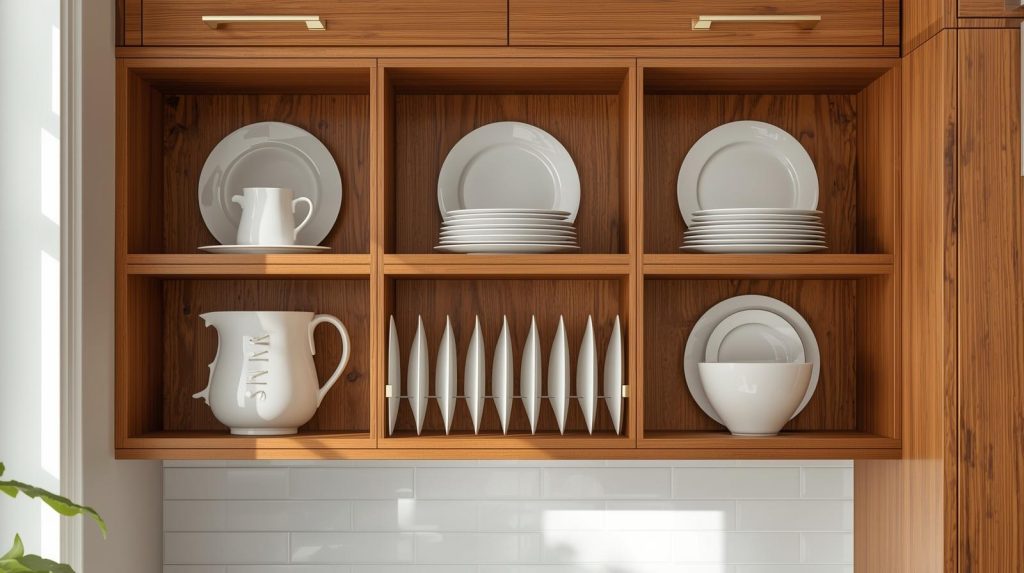
Build a Kitchen Cabinet Plate Rack to eliminate clutter and make finding the right plate effortless. Are you tired of cluttered cabinets and struggling to find the right plate when you need it? Imagine opening your kitchen cabinet to find a beautifully organized plate rack, where every dish has its place.
Not only does it make your kitchen look stunning, but it also makes your daily routine smoother. You’ll discover exactly how to build your own kitchen cabinet plate rack. With just a few simple steps, you can transform your kitchen into a more functional and visually appealing space.
Stick around to learn how to create a custom solution that fits your needs and style, and say goodbye to chaotic cupboards forever.
Materials And Tools Needed
Building a kitchen cabinet plate rack needs the right materials and tools. Using quality items makes your project strong and neat.
This guide lists the essential materials and tools for making a simple plate rack. Prepare everything before you start.
Essential Materials
You will need wood pieces and hardware to build the plate rack. Choose wood that fits your kitchen style and is easy to work with.
- Wood boards (pine, oak, or plywood)
- Wood glue for strong joints
- Wood screws to hold parts together
- Sandpaper for smooth edges
- Wood stain or paint for finishing
- Clear sealant to protect the wood
- Small nails or brads for extra support
Required Tools
Having the right tools helps you build the rack safely and with good results. You can use basic tools found in most toolboxes.
- Measuring tape to get exact sizes
- Pencil for marking cuts and holes
- Hand saw or circular saw to cut wood
- Drill with drill bits for screws
- Screwdriver to tighten screws
- Clamps to hold pieces while gluing
- Sandpaper or a sanding block for smooth surfaces
- Paintbrush for applying finish
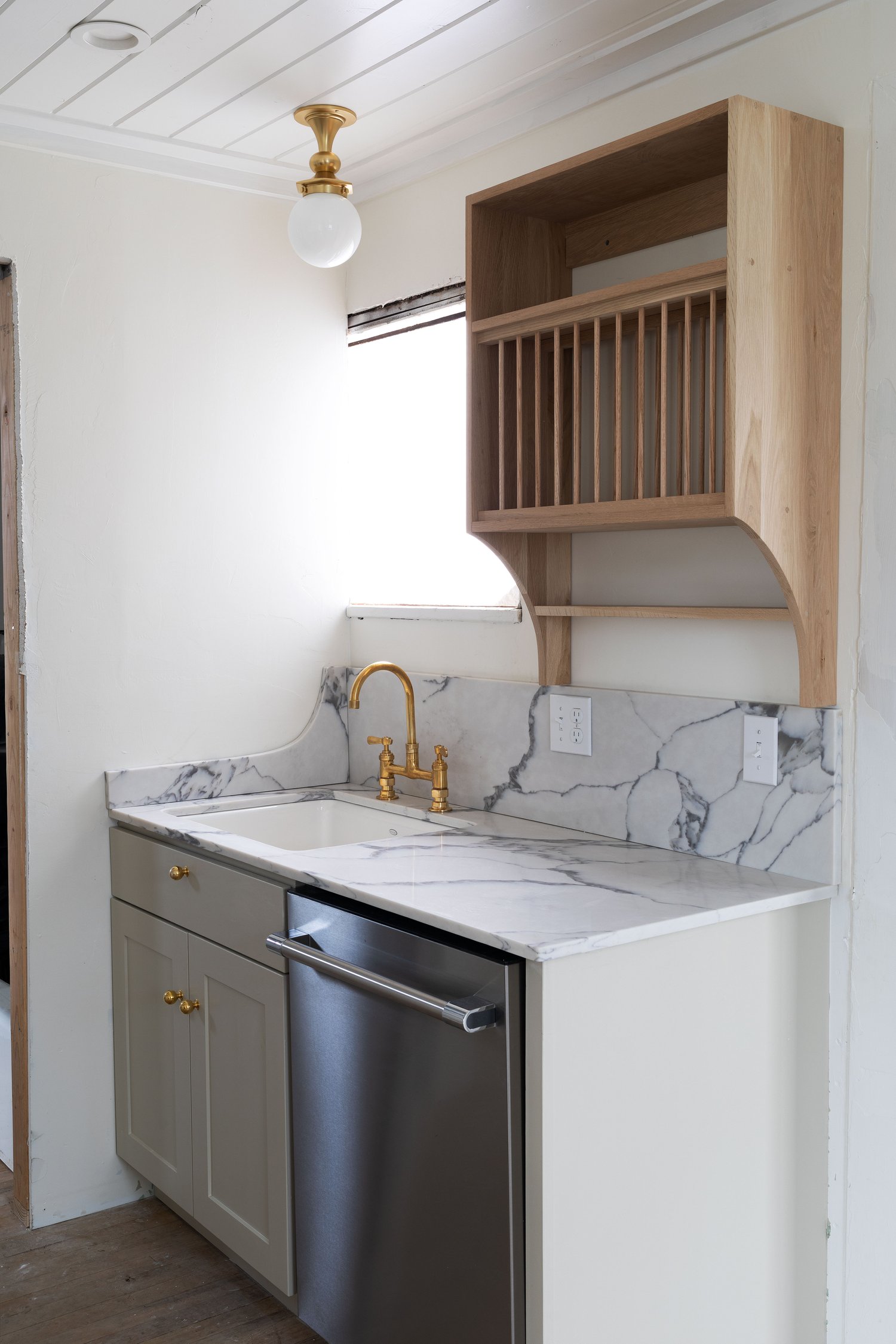
Credit: www.thegritandpolish.com
Planning Your Plate Rack
Building a kitchen cabinet plate rack is a great way to organize your dishes. Careful planning helps you create a rack that fits well and looks good.
Start by thinking about the space you have and the style you want. This will guide your choices for size, design, and materials.
Measuring Your Space
Measure the area where you want to install the plate rack. Take note of width, height, and depth to ensure a good fit.
Check for any obstacles like light switches or outlets. Also, measure the size of your plates to make sure they fit comfortably.
Design Options
Choose a design that matches your kitchen style and needs. You can pick open shelves, slotted racks, or a mix of both.
- Open shelves show off your plates
- Slotted racks hold plates upright
- Combination designs offer flexibility
Choosing The Right Wood
Select wood that fits your kitchen’s look and holds up well over time. Hardwoods like oak and maple are strong and durable.
Softwoods like pine are easier to work with but may dent more easily. Consider the finish and color you want too.
Cutting And Preparing Wood
Cutting and preparing wood is an important part of building a kitchen cabinet plate rack. You need precise cuts and smooth surfaces for a good fit and finish.
This guide covers measuring, cutting safely, and sanding your wood pieces for the best results.
Marking Measurements
Measure your wood pieces carefully before cutting. Use a pencil and a ruler or tape measure to mark all dimensions clearly.
- Double-check each measurement to avoid mistakes.
- Mark all cut lines clearly on the wood surface.
- Use a square tool to ensure straight lines.
- Label each piece to keep track of parts.
Safe Cutting Techniques
Cut wood safely using the right tools and protective gear. Always follow safety rules to avoid injury.
- Wear safety glasses and hearing protection.
- Use clamps to hold wood steady while cutting.
- Keep fingers away from the blade path.
- Cut slowly and steadily to maintain control.
- Use a push stick for small pieces near the blade.
Sanding And Smoothing
Sanding removes rough edges and splinters. It prepares wood for painting or staining.
| Sandpaper Grit | Use |
| 80 | Remove large rough spots and shape edges |
| 120 | Smooth surfaces and remove scratches from coarse grit |
| 220 | Final smoothing before finishing |

Credit: www.ana-white.com
Assembling The Frame
Building the frame is the first step in making a kitchen cabinet plate rack. It gives shape and support to the whole rack. Careful assembly helps the rack last long and hold plates safely.
Use the right tools and materials to make the frame strong. Follow each part closely for best results.
Joining The Side Panels
Start by joining the two side panels. These panels form the sides of the cabinet frame. Make sure edges are smooth and square before joining.
Use wood glue on the edges for a strong bond. Clamp the panels together tightly. Let the glue dry fully before moving to the next step.
Attaching The Base And Top
Next, attach the base and top pieces to the side panels. These parts hold the frame together and support the shelves.
- Apply glue to the edges of the base and top pieces.
- Fit the base between the side panels at the bottom.
- Place the top piece evenly on the side panels.
- Use clamps to hold all parts firmly.
- Check for square corners using a carpenter’s square.
Securing With Screws And Glue
After fitting all parts, secure the frame with screws and glue. Screws add extra strength and keep parts tight.
| Material | Use | Tip |
| Wood glue | Join edges | Apply evenly, avoid excess |
| Wood screws | Hold parts together | Pre-drill holes to prevent splitting |
| Clamps | Hold frame while glue dries | Use enough pressure without damaging wood |
Creating Plate Slots
Building a kitchen cabinet plate rack requires careful work. Creating plate slots helps keep plates organized and safe.
This guide explains how to mark, cut, and finish the slots for your plates.
Marking Slot Positions
Start by measuring the size of your plates. Mark each slot evenly on the wood panel where plates will sit.
Use a pencil and ruler to draw straight lines for slot edges. Keep the slots spaced to fit your plates comfortably.
- Measure plate diameter
- Mark slot width slightly larger than plates
- Space slots evenly across the rack
- Double-check measurements before cutting
Cutting Slots Safely
Use a jigsaw or handsaw to cut along your marked lines. Cut slowly to keep the slots straight and clean.
Wear safety glasses and gloves to protect yourself while cutting. Keep your hands clear of the blade at all times.
- Secure wood piece firmly
- Use proper saw blade for wood
- Cut just inside the pencil lines
- Follow safety rules strictly
Sanding Slot Edges
After cutting, use sandpaper to smooth all slot edges. This prevents splinters and protects your plates from scratches.
Sand the inside and outside edges of each slot until they feel smooth to the touch. Wipe off dust with a cloth.
- Use medium-grit sandpaper first
- Finish with fine-grit sandpaper
- Sand evenly around each slot
- Clean dust before assembly

Credit: m.youtube.com
Finishing Touches
Finishing your kitchen cabinet plate rack adds beauty and strength. Good finishing protects the wood and makes it last longer. This guide covers paint or stain, sealing, and mounting.
Each step helps the rack look great and work well in your kitchen space. Follow these tips carefully for best results.
Applying Paint Or Stain
Choose paint or stain to match your kitchen style. Paint gives solid color, while stain shows wood grain. Always test on a scrap piece first.
- Sand the rack smoothly before applying paint or stain.
- Use a brush or cloth to apply evenly.
- Apply thin coats to avoid drips.
- Let each coat dry fully before the next one.
- Add extra coats for deeper color or coverage.
Sealing For Protection
Sealing protects the wood from moisture and stains. It also makes cleaning easier. Use a clear polyurethane or varnish for best results.
| Sealant Type | Drying Time | Durability |
| Oil-Based Polyurethane | 24 hours | High |
| Water-Based Polyurethane | 4 hours | Medium |
| Varnish | 6 hours | High |
| Wax Finish | 30 minutes | Low |
Apply sealant with a clean brush. Use light strokes along the wood grain. Let it dry fully before using the rack.
Mounting The Rack
Mount the rack securely to keep plates safe. Choose a wall that supports the weight well. Use proper hardware for your wall type.
- Find studs using a stud finder or knock test.
- Mark the mounting points on the wall.
- Drill pilot holes to prevent wood splitting.
- Attach mounting brackets or screws firmly.
- Hang the rack and check stability.
Double-check that the rack is level and tightly fixed. This prevents accidents and keeps your plates organized.
Maintenance Tips
Keeping your kitchen cabinet plate rack in good shape makes it last longer. Regular care helps avoid damage and keeps it looking nice.
Follow simple steps to clean and check your plate rack. This keeps your kitchen organized and safe.
Cleaning Your Rack
Dust and dirt can build up on your plate rack. Clean it often to keep it fresh and tidy.
Use a soft cloth and mild soap with water. Avoid harsh cleaners that can damage the wood or finish.
- Wipe dust with a dry cloth weekly
- Use a damp cloth for sticky spots
- Dry the rack after cleaning to prevent water damage
- Polish wooden racks with furniture polish once a month
Inspecting For Damage
Check your plate rack regularly for signs of damage. Early spotting helps fix problems fast.
Look for loose screws, cracks, or wood warping. Fix small issues before they get worse.
- Test the rack’s stability by gently shaking it
- Check joints and screws for tightness
- Look for cracks or splits in the wood
- Replace broken parts quickly to avoid accidents
Frequently Asked Questions
How Do I Start Building A Kitchen Cabinet Plate Rack?
Begin by measuring your cabinet space accurately. Choose quality wood and tools. Cut wood pieces to size and assemble the frame first for stability.
What Materials Are Best For A Plate Rack?
Use solid hardwood like oak or maple for durability. Plywood can be used for backing. Choose non-toxic finishes for safety in kitchens.
How Can I Make The Plate Rack Sturdy?
Secure joints with wood glue and screws. Add a back panel for extra support. Ensure shelves are level and properly spaced for plates.
What Tools Do I Need To Build A Plate Rack?
Basic tools include a saw, drill, screwdriver, measuring tape, and clamps. Sandpaper and wood glue are also essential for finishing and assembly.
Conclusion
Building a kitchen cabinet plate rack can be simple and fun. You only need basic tools and materials. Follow each step carefully to get a strong rack. It saves space and keeps plates neat. You can customize the size and style as you want.
This project adds charm to your kitchen. Enjoy your new rack every day. Try it yourself and see the difference!