Have you ever wanted to bake fresh, delicious bread at home but felt overwhelmed by complicated recipes and endless kneading? What if you could make perfect, crusty bread with almost no effort at all?
You’re about to discover the simple secret of no-knead bread – a foolproof way to enjoy homemade bread without the hard work. Keep reading, and you’ll learn how to turn just a few basic ingredients into warm, golden loaves that will impress your family and friends every time.
Your kitchen is about to become your favourite bakery!

Credit: bakerbettie.com
Essential Tools And Ingredients
Baking no-knead bread requires a few basic ingredients and some simple tools. Preparing these before you start will make the process easier.
This guide covers what you need for a successful bake, focusing on essential items.
Basic Ingredients List
The ingredients for no-knead bread are simple, but must be measured well for good results.
- All-purpose or bread flour
- Water (lukewarm)
- Salt
- Active dry yeast
Recommended Kitchen Tools
Having the right tools helps you bake easily and safely. Here are the main tools you need.
Tool Purpose
Mixing bowl to combine ingredients
Dutch oven or heavy pot for baking the bread
Kitchen scale to measure ingredients accurately
Wooden spoon or spatula for mixing the dough
Plastic wrap or a clean towel to cover the dough while it rises
Oven mitts to handle hot pots safely
Choosing The Right Flour
Flour choice affects bread texture and flavour. Pick the right type for the best results.
Here are three common flour types for no-knead bread:
- All-purpose flour: Good for soft crumb and mild taste.
- Bread flour: Has more protein for a chewier texture.
- Whole wheat flour: Adds a nutty flavour and a denser crumb.
Step-by-step Baking Process
Baking no-knead bread is simple and requires little effort. This process uses time to develop the dough instead of kneading.
Follow these steps to make a soft and crusty loaf at home with easy ingredients.
Mixing The Dough
Start by combining flour, water, salt, and yeast in a large bowl. Use a spoon to mix until all ingredients form a sticky dough.
The dough will be wet and shaggy. Avoid adding too much flour to keep the bread light and airy.
First Rise And Rest
Cover the bowl with plastic wrap or a towel. Let the dough rest at room temperature for 12 to 18 hours.
This long rise lets the dough develop flavour and gluten without kneading.
- Leave in a warm spot
- The dough will double in size
- Look for bubbles on the surface
Shaping The Loaf
Lightly flour a work surface and your hands. Gently turn the dough out of the bowl onto the surface.
Fold the dough over itself a few times to shape it into a round loaf. Avoid pressing too hard.
- Use flour to prevent sticking
- Shape the dough without deflating it
- Place the dough seam side down on the parchment paper
Second Rise
Cover the shaped dough with a towel or plastic wrap. Let it rise for 1 to 2 hours until it looks puffy.
This short rest helps the dough relax and expand before baking.
Baking Tips
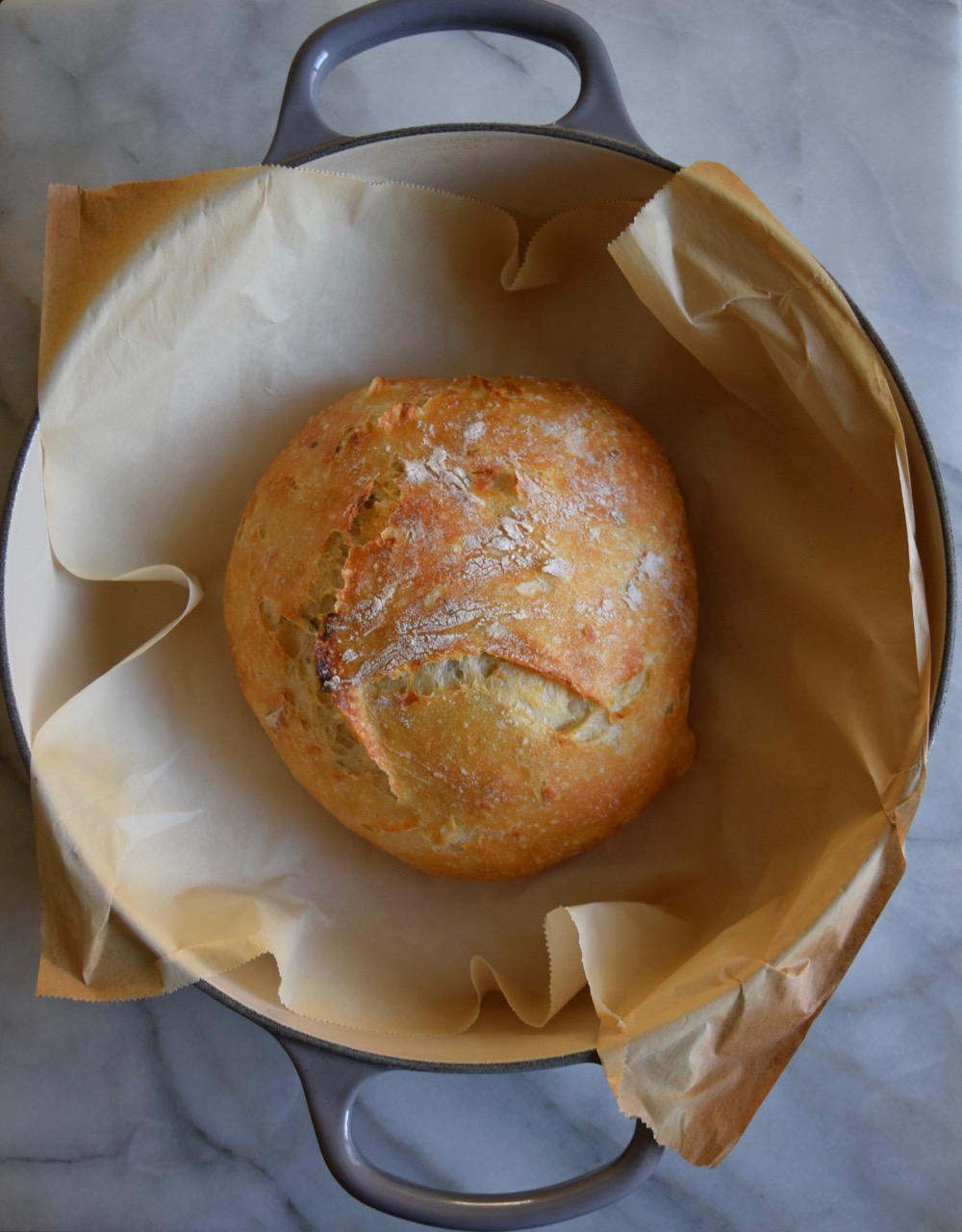
Preheat your oven with a Dutch oven inside to get it very hot. This creates steam for a crispy crust.
Carefully place the dough into the hot pot and cover it. Bake covered for 30 minutes, then uncovered for 15 minutes.
- Use a Dutch oven or heavy pot with a lid
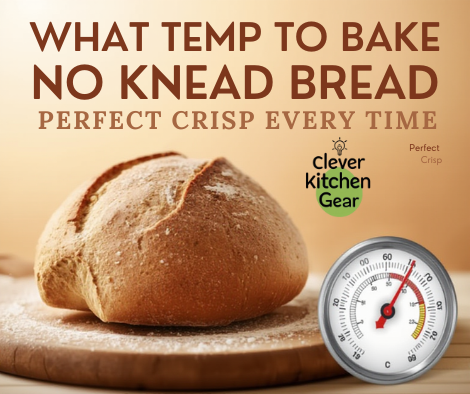
- Preheat oven to 450°F (230°C)
- Do not remove the dough lid during the first bake phase
- Let the bread cool before slicing
Credit: glorifiedhobby.com
Troubleshooting Common Issues
Baking no-knead bread is simple, but it can have some common problems. Knowing how to fix these helps you get better bread every time.
Here are some common issues and easy ways to solve them. Follow these tips to improve your baking results.
Dense Or Heavy Bread
Dense bread means the dough did not rise enough. This makes the bread heavy and hard inside.
Check the yeast and make sure it is fresh. Also, give the dough enough time to rise at room temperature.
- Use warm water to help the yeast activate
- Let the dough rise for 12 to 18 hours
- Make sure flour is measured correctly
- Avoid adding too much flour; the dough should be sticky
Crust Problems
A crust that is too soft or too hard can spoil the bread experience. The crust may not bake well if oven temperature is wrong.
Use a preheated heavy pot or Dutch oven for even heat. Bake bread in a hot oven, around 450°F (230°C), for a good crust.
- Preheat the oven and pot for at least 30 minutes
- Use steam by covering the pot while baking
- Remove the lid in the last 10-15 minutes to brown the crust
- Let bread cool before slicing to keep crust crisp
Flavor Adjustments
No-knead bread has a mild flavour. You can change this by adding small ingredients to the dough.
Try adding herbs, garlic, or seeds to make the bread tastier. Use less salt or sugar if you want a lighter taste.
- Add fresh or dried herbs like rosemary or thyme
- Mix in seeds such as sunflower or sesame
- Use garlic powder or chopped fresh garlic
- Adjust salt to control saltiness
Variations And Flavour Additions
No knead bread is a simple base that you can change with different flavors. Adding herbs, seeds, nuts, or sweet ingredients can make each loaf unique.
Try these ideas to create breads that fit your taste. You can mix and match flavours for a new experience each time.
Herbs And Spices
Fresh or dried herbs add a fresh taste to no-knead bread. Spices give warmth and depth.
Mix herbs like rosemary, thyme, or basil right into the dough. Add spices such as garlic powder or paprika for extra flavour.
- Rosemary and sea salt
- Thyme and cracked black pepper
- Basil and garlic powder
- Cumin and smoked paprika
Seeds And Nuts
Seeds and nuts add crunch and nutrition to no knead bread. They make the bread more filling and tasty.
Try sunflower seeds, pumpkin seeds, or chopped walnuts. Add them to the dough before baking for a nice texture.
- Sunflower seeds for a mild crunch
- Pumpkin seeds for a nutty flavour
- Chopped walnuts for richness
- Flaxseeds for extra fibre
Sweet And Savoury Twists
Add sweet or savoury ingredients to change the bread’s character. This makes your no-knead bread suitable for different meals.
Mix in olives, sun-dried tomatoes, or cheese for a savoury touch. Use honey, cinnamon, or raisins for sweet flavors.
- Olives and sun-dried tomatoes for a Mediterranean feel
- Cheese, like cheddar or feta, for richness
- Honey and cinnamon for a sweet bread
- Raisins or dried cranberries for natural sweetness
Storing And Serving Suggestions
Baking no-knead bread is easy, but keeping it fresh takes care. Proper storage keeps your bread tasty longer.
Serving bread in the right way brings out its best flavour and texture. Here are tips for storage and serving.
Best Storage Methods
Store your no knead bread to keep it fresh and soft. Avoid moisture and air that make bread stale fast.
- Wrap the bread tightly in a clean kitchen towel or paper bag.
- Place the wrapped bread in a bread box or a cool, dry place.
- For longer storage, slice the bread and freeze it in an airtight bag.
- Thaw frozen slices at room temperature before use.
Reheating Tips
Reheat bread to regain its fresh-baked warmth and soft crumb. Avoid drying it out during reheating.
Method Instructions
Oven Preheat to 350°F. Wrap bread in foil and heat for 10-15 minutes.
Toaster Toast slices on medium heat until warm and crisp.
Microwave Wrap bread in a damp paper towel and heat for 10-20 seconds.
Serving Pairings
No-knead bread pairs well with many foods. Choose toppings and sides that match its crusty texture and soft inside.
- Butter, honey, or fruit jam for a simple spread.
- Cheese and cold cuts for a savoury snack.
- Olive oil and balsamic vinegar for dipping.
- Soups and stews to soak up rich flavours.
- Fresh vegetables or salad for a light meal.
Frequently Asked Questions
What Ingredients Are Needed For No-Knead Bread?
No-knead bread requires flour, water, salt, and yeast. These basic ingredients combine to create a simple dough. No additional tools or additives are necessary, making it easy for beginners to bake homemade bread.
How Long Does No Knead Bread Dough Rise?
The dough typically rises for 12 to 18 hours at room temperature. This slow fermentation develops flavor and texture. Longer rising times improve the bread’s crust and crumb quality.
Can I Bake No-Knead Bread Without A Dutch Oven?
Yes, you can bake no-knead bread on a baking sheet or in a cast-iron skillet. However, a Dutch oven traps steam, creating a crisp crust. Covering the dough with a bowl can mimic this effect.
How Do I Store No-Knead Bread Properly?
Store no knead bread in a paper bag or bread box at room temperature. Avoid plastic bags, as they make the crust soggy. For longer storage, freeze the bread wrapped tightly in foil.
Conclusion
Baking no knead bread is simple and rewarding. Just mix, let it rise, and bake. No special skills needed. The crust turns golden and crispy. The inside stays soft and chewy. Perfect for sandwiches or soups. Freshly baked bread smells amazing.
It's a treat for everyone. Try different flavours like herbs or cheese. Share your creation with family and friends. Enjoy each slice with butter or jam. Baking at home saves money and time. Plus, it's healthier than store-bought bread. So, grab your ingredients and start baking today.
Your kitchen will thank you!
Benefits Of No-Knead Bread
No knead bread is an easy way to bake fresh bread at home. It needs little effort and delivers great taste. This method uses slow fermentation and simple steps.
Many people enjoy no-knead bread because it saves time and uses basic ingredients. It also works well for beginners who want to bake bread without stress.
Time-saving Advantage
No-knead bread needs almost no active work. You just mix the dough and let it rest for hours. This means you can do other things while the dough rises slowly.
- Mix ingredients in one bowl
- Let the dough rise for 12 to 18 hours
- Bake without shaping or kneading
- Spend only 15 minutes preparing the dough
Simple Ingredients
No-knead bread uses very few ingredients. You only need flour, water, salt, and yeast. These are easy to find and affordable for most people.
Ingredient Role Common Amount
Flour : Main structure 3 cups
Water Hydrates flour 1.5 cups
Salt Flavour enhancer 1 teaspoon
Yeast Leavens dough 1/4 teaspoon
Perfect For Beginners
No knead bread is great for new bakers. It does not need special skills or tools. The slow rise time helps develop flavor without much work.
Tips for beginners:
- Use a large bowl for mixing
- Cover the dough with a clean towel
- Use a heavy pot for baking
- Be patient during rising time

Credit: www.youtube.com
Essential Tools And Ingredients
Baking no-knead bread requires a few basic ingredients and some simple tools. Preparing these before you start will make the process easier.
This guide covers what you need for a successful bake, focusing on essential items.
Basic Ingredients List
The ingredients for no-knead bread are simple, but must be measured well for good results.
- All-purpose or bread flour
- Water (lukewarm)
- Salt
- Active dry yeast
Recommended Kitchen Tools
Having the right tools helps you bake easily and safely. Here are the main tools you need.
Tool Purpose
Mixing bowl to combine ingredients
Dutch oven or heavy pot for baking the bread
Kitchen scale to measure ingredients accurately
Wooden spoon or spatula for mixing the dough
Plastic wrap or a clean towel to cover the dough while it rises
Oven mitts to handle hot pots safely
Choosing The Right Flour
Flour choice affects bread texture and flavour. Pick the right type for the best results.
Here are three common flour types for no-knead bread:
- All-purpose flour: Good for soft crumb and mild taste.
- Bread flour: Has more protein for a chewier texture.
- Whole wheat flour: Adds a nutty flavour and a denser crumb.
Step-by-step Baking Process
Baking no-knead bread is simple and requires little effort. This process uses time to develop the dough instead of kneading.
Follow these steps to make a soft and crusty loaf at home with easy ingredients.
Mixing The Dough
Start by combining flour, water, salt, and yeast in a large bowl. Use a spoon to mix until all ingredients form a sticky dough.
The dough will be wet and shaggy. Avoid adding too much flour to keep the bread light and airy.
First Rise And Rest
Cover the bowl with plastic wrap or a towel. Let the dough rest at room temperature for 12 to 18 hours.
This long rise lets the dough develop flavour and gluten without kneading.
- Leave in a warm spot
- The dough will double in size
- Look for bubbles on the surface
Shaping The Loaf
Lightly flour a work surface and your hands. Gently turn the dough out of the bowl onto the surface.
Fold the dough over itself a few times to shape it into a round loaf. Avoid pressing too hard.
- Use flour to prevent sticking
- Shape the dough without deflating it
- Place the dough seam side down on the parchment paper
Second Rise
Cover the shaped dough with a towel or plastic wrap. Let it rise for 1 to 2 hours until it looks puffy.
This short rest helps the dough relax and expand before baking.
Baking Tips
Preheat your oven with a Dutch oven inside to get it very hot. This creates steam for a crispy crust.
Carefully place the dough into the hot pot and cover it. Bake covered for 30 minutes, then uncovered for 15 minutes.
- Use a Dutch oven or heavy pot with a lid
- Preheat oven to 450°F (230°C)
- Do not remove the dough lid during the first bake phase
- Let the bread cool before slicing
Credit: glorifiedhobby.com
Troubleshooting Common Issues
Baking no-knead bread is simple, but it can have some common problems. Knowing how to fix these helps you get better bread every time.
Here are some common issues and easy ways to solve them. Follow these tips to improve your baking results.
Dense Or Heavy Bread
Dense bread means the dough did not rise enough. This makes the bread heavy and hard inside.
Check the yeast and make sure it is fresh. Also, give the dough enough time to rise at room temperature.
- Use warm water to help the yeast activate
- Let the dough rise for 12 to 18 hours
- Make sure flour is measured correctly
- Avoid adding too much flour; the dough should be sticky
Crust Problems
A crust that is too soft or too hard can spoil the bread experience. The crust may not bake well if oven temperature is wrong.
Use a preheated heavy pot or Dutch oven for even heat. Bake bread in a hot oven, around 450°F (230°C), for a good crust.
- Preheat the oven and pot for at least 30 minutes
- Use steam by covering the pot while baking
- Remove the lid in the last 10-15 minutes to brown the crust
- Let bread cool before slicing to keep crust crisp
Flavor Adjustments
No-knead bread has a mild flavour. You can change this by adding small ingredients to the dough.
Try adding herbs, garlic, or seeds to make the bread tastier. Use less salt or sugar if you want a lighter taste.
- Add fresh or dried herbs like rosemary or thyme
- Mix in seeds such as sunflower or sesame
- Use garlic powder or chopped fresh garlic
- Adjust salt to control saltiness
Variations And Flavour Additions
No knead bread is a simple base that you can change with different flavors. Adding herbs, seeds, nuts, or sweet ingredients can make each loaf unique.
Try these ideas to create breads that fit your taste. You can mix and match flavours for a new experience each time.
Herbs And Spices
Fresh or dried herbs add a fresh taste to no-knead bread. Spices give warmth and depth.
Mix herbs like rosemary, thyme, or basil right into the dough. Add spices such as garlic powder or paprika for extra flavour.
- Rosemary and sea salt
- Thyme and cracked black pepper
- Basil and garlic powder
- Cumin and smoked paprika
Seeds And Nuts
Seeds and nuts add crunch and nutrition to no knead bread. They make the bread more filling and tasty.
Try sunflower seeds, pumpkin seeds, or chopped walnuts. Add them to the dough before baking for a nice texture.
- Sunflower seeds for a mild crunch
- Pumpkin seeds for a nutty flavour
- Chopped walnuts for richness
- Flaxseeds for extra fibre
Sweet And Savoury Twists
Add sweet or savoury ingredients to change the bread’s character. This makes your no-knead bread suitable for different meals.
Mix in olives, sun-dried tomatoes, or cheese for a savoury touch. Use honey, cinnamon, or raisins for sweet flavors.
- Olives and sun-dried tomatoes for a Mediterranean feel
- Cheese, like cheddar or feta, for richness
- Honey and cinnamon for a sweet bread
- Raisins or dried cranberries for natural sweetness
Storing And Serving Suggestions
Baking no-knead bread is easy, but keeping it fresh takes care. Proper storage keeps your bread tasty longer.
Serving bread in the right way brings out its best flavour and texture. Here are tips for storage and serving.
Best Storage Methods
Store your no knead bread to keep it fresh and soft. Avoid moisture and air that make bread stale fast.
- Wrap the bread tightly in a clean kitchen towel or paper bag.
- Place the wrapped bread in a bread box or a cool, dry place.
- For longer storage, slice the bread and freeze it in an airtight bag.
- Thaw frozen slices at room temperature before use.
Reheating Tips
Reheat bread to regain its fresh-baked warmth and soft crumb. Avoid drying it out during reheating.
Method Instructions
Oven Preheat to 350°F. Wrap bread in foil and heat for 10-15 minutes.
Toaster Toast slices on medium heat until warm and crisp.
Microwave Wrap bread in a damp paper towel and heat for 10-20 seconds.
Serving Pairings
No-knead bread pairs well with many foods. Choose toppings and sides that match its crusty texture and soft inside.
- Butter, honey, or fruit jam for a simple spread.
- Cheese and cold cuts for a savoury snack.
- Olive oil and balsamic vinegar for dipping.
- Soups and stews to soak up rich flavours.
- Fresh vegetables or salad for a light meal.
Frequently Asked Questions
What Ingredients Are Needed For No-Knead Bread?
No-knead bread requires flour, water, salt, and yeast. These basic ingredients combine to create a simple dough. No additional tools or additives are necessary, making it easy for beginners to bake homemade bread.
How Long Does No Knead Bread Dough Rise?
The dough typically rises for 12 to 18 hours at room temperature. This slow fermentation develops flavor and texture. Longer rising times improve the bread’s crust and crumb quality.
Can I Bake No-Knead Bread Without A Dutch Oven?
Yes, you can bake no-knead bread on a baking sheet or in a cast-iron skillet. However, a Dutch oven traps steam, creating a crisp crust. Covering the dough with a bowl can mimic this effect.
How Do I Store No-Knead Bread Properly?
Store no knead bread in a paper bag or bread box at room temperature. Avoid plastic bags, as they make the crust soggy. For longer storage, freeze the bread wrapped tightly in foil.
Conclusion
Baking no knead bread is simple and rewarding. Just mix, let it rise, and bake. No special skills needed. The crust turns golden and crispy. The inside stays soft and chewy. Perfect for sandwiches or soups. Freshly baked bread smells amazing.
It's a treat for everyone. Try different flavours like herbs or cheese. Share your creation with family and friends. Enjoy each slice with butter or jam. Baking at home saves money and time. Plus, it's healthier than store-bought bread. So, grab your ingredients and start baking today.
Your kitchen will thank you!