Preparing Your Baking Tools
Getting your tools ready is important before baking a two-layer cake. Good preparation helps the baking go smoothly.
Make sure you have the right pans, mixing tools, and oven settings. This will help your cake turn out great.
Selecting Cake Pans
Choose two cake pans of the same size for even layers. Usually, 8 or 9-inch round pans work well.
Use pans made of metal for good heat conduction. Non-stick pans make removing the cake easier.
- Two round pans, the same size
- Metal pans for even baking
- Non-stick or greased pans
Essential Mixing Equipment
Use a large mixing bowl to hold all ingredients. A hand mixer or stand mixer helps blend ingredients smoothly.
Have measuring cups and spoons ready. A spatula will help scrape down the sides of the bowl.
- Large mixing bowl
- Hand mixer or stand mixer
- Measuring cups and spoons
- Spatula for scraping
Prepping Your Oven
Set your oven to the right temperature before baking. Most cakes bake well at 350°F (175°C).
Place the oven rack in the middle for even heat. Avoid opening the oven door too much while baking.
- Preheat oven to 350°F (175°C)
- Place the rack in the center
- Keep the oven door closed during baking
Mixing The Batter
Mixing the batter is an important part of baking a two-layer cake. It helps the ingredients blend well for a smooth and tasty cake.
Taking time to mix the batter carefully leads to a better texture and even baking of the cake layers.
Combining Dry Ingredients
Start by measuring all dry ingredients like flour, sugar, baking powder, and salt. Sift them together to remove lumps.
Sifting also mixes the dry ingredients evenly. This helps the cake rise well and have a light texture.
- Use a fine mesh sieve for sifting
- Mix flour, baking powder, and salt first
- Add sugar after to prevent clumps
Incorporating Wet Ingredients
Crack eggs into a bowl and add milk, oil, or butter. Beat them lightly to combine well.
Pour the wet ingredients slowly into the dry mix. Stir gently to avoid lumps and overmixing.
- Use room-temperature eggs for better mixing
- Add vanilla extract for flavor if desired
- Mix until ingredients just combine
Achieving The Perfect Consistency
The batter should be smooth and thick but pourable. It should fall off a spoon easily without being too runny.
If the batter is too thick, add a little milk. If it is too thin, add a small amount of flour carefully.
- Check the batter by lifting a spoonful and letting it drop
- Look for no lumps and a creamy texture
- Do not overmix to keep the cake tender

Credit: sallysbakingaddiction.com
Baking The Cake Layers
Baking the cake layers correctly is important for a good two-layer cake. Even layers bake evenly and look nice. Paying attention to details helps you get great results.
This section explains how to fill pans evenly, watch baking time, and test if the cake is done.
Filling The Pans Evenly
Fill each pan with the same amount of batter. This helps the layers bake at the same speed. Use a measuring cup or kitchen scale for accuracy.
- Pour batter into pans carefully.
- Level the batter with a spatula.
- Tap pans gently on the counter to remove air bubbles.
- Check that the batter height is even in both pans.
Monitoring Baking Time
Keep an eye on the clock to avoid over or under baking. Oven temperatures can vary, so start checking a few minutes before the timer.
| Action | Time to Check | Tips |
|---|---|---|
| Insert pans in preheated oven | 0 minutes | Place in center rack for even heat |
| First check | 25 minutes | Look for rising edges and golden color |
| Second check | 30 minutes | Start testing with a toothpick |
Testing For Doneness
Use a toothpick or cake tester to check if the cake is done. Insert it into the center of the layer. It should come out clean or with a few crumbs.
- Open the oven door slowly to avoid sinking.
- Insert a toothpick into the center of the cake.
- Remove the toothpick and check for wet batter.
- If wet batter sticks, bake for 3–5 more minutes.
- Repeat the test until the toothpick is clean.
Cooling And Layer Preparation
After baking your cake layers, cooling them properly is very important. Cooling helps the cake keep its shape and taste better.
Preparing the layers well makes it easier to stack and decorate the cake. This guide covers how to remove, cool, and level your cake layers.
Removing Cakes From Pans
Let the cakes cool in their pans for about 10 minutes. This helps them firm up and makes removal easier.
Run a knife gently around the edges of the cake to loosen it from the pan. Then, carefully turn the pan upside down to release the cake.
- Cool in the pan for 10 minutes
- Use a knife to loosen edges
- Invert the pan to release the cake
Cooling Techniques
Place the cake layers on a wire rack to cool completely. This allows air to flow and stops the cake from becoming soggy.
Do not stack the layers while warm. Warm cakes can stick together or lose shape when stacked.
- Use a wire rack for cooling
- Cool layers completely before stacking
- Avoid stacking warm cakes
Leveling The Layers
Leveling makes cake layers flat and even. This helps the cake stack well and look neat.
Use a serrated knife or cake leveler. Cut off the dome on the top of each layer carefully.
- Place the cake on a flat surface
- Cut off the rounded top
- Check that the layer is flat and even
Assembling The Two Layers
Putting together a two-layer cake needs care and attention. The right technique helps the cake look neat and taste great.
This guide covers choosing the filling, spreading it evenly, and stacking the layers smoothly.
Choosing The Right Filling
Pick a filling that matches the cake flavor. It should be thick enough to hold the layers together but soft enough to spread.
- Buttercream: Smooth and sweet, pairs well with most cakes.
- Jam or fruit preserves: Adds a fruity taste and moisture.
- Ganache: Rich and glossy, perfect for chocolate cakes.
- Cream cheese frosting: Slightly tangy and creamy.
Spreading The Filling Evenly
Even spreading prevents the cake from leaning or falling apart. Use a flat spatula or knife for best results.
| Tool | Use |
|---|---|
| Offset Spatula | Spreads filling smoothly without damaging cake |
| Butter Knife | Good for thin, light fillings |
| Spoon | Helps place filling before spreading |
Start from the center and spread filling to the edges in a gentle motion.
Stacking Layers Smoothly
Place the second cake layer carefully on top of the filling. Align edges to keep the cake balanced.
Tips for stacking:
- Hold the top layer with both hands to avoid cracks.
- Use a flat surface for support.
- Press down gently to spread the filling evenly.
- Check that layers are level before adding frosting.
Frosting And Decorating
Frosting and decorating your two-layer cake adds flavor and beauty. It makes your cake look special for any event.
Learn how to pick the right frosting, apply a crumb coat, and add final decorations to your cake.
Selecting Frosting Types
Choose a frosting that matches your cake flavor and texture. Some frostings are sweet and creamy, while others are light and fluffy.
- Buttercream: Smooth and sweet, easy to spread.
- Cream Cheese: Tangy and rich, pairs well with carrot cake.
- Whipped Cream: Light and airy, good for fresh fruit cakes.
- Ganache: Glossy and chocolatey, perfect for a shiny finish.
- Fondant: Thick and smooth, ideal for detailed decorations.
Applying A Crumb Coat
A crumb coat is a thin layer of frosting that seals in crumbs. It helps to create a smooth surface for the final frosting layer.
- Use a spatula to spread a thin layer of frosting on the cake.
- Cover the whole cake, including the top and sides.
- Chill the cake in the fridge for 15-30 minutes to set the crumb coat.
- Check for any crumbs showing through and add more frosting if needed.
Adding Final Decorations
After the crumb coat, add your final frosting layer and decorations. This step makes your cake look beautiful and ready to serve.
| Decoration Type | Tools Needed | Effect |
| Piping | Piping bags and tips | Creates shapes and patterns |
| Sprinkles | Hands or spoon | Adds color and texture |
| Fruit | Knife | Gives freshness and color |
| Chocolate Shavings | Grater | Offers a rich look and taste |
| Edible Flowers | Tweezers | Enhances elegance and style |

Credit: sallysbakingaddiction.com
Tips For Perfect Results
Baking a two-layer cake can be simple and fun. Follow some tips to get even layers and great taste.
Good preparation and careful baking help you avoid problems. This guide shares easy advice for success.
Avoiding Common Mistakes
Many baking problems happen from small mistakes. Avoid these to get a perfect cake.
- Measure ingredients carefully for the correct texture.
- Mix the batter gently to keep it light and fluffy.
- Use pans of the same size for even layers.
- Preheat the oven to the right temperature before baking.
- Check the cake with a toothpick to avoid underbaking.
- Let cakes cool before frosting to stop melting.
Storing The Finished Cake
Store your cake properly to keep it fresh and tasty. Proper storage stops it from drying out.
Wrap the cake well or use an airtight container. Keep it in a cool place or fridge if needed.
- Cover the cake with plastic wrap or foil tightly.
- Use an airtight cake carrier if available.
- Refrigerate if frosting has dairy or perishable ingredients.
- Let the refrigerated cake come to room temperature before serving.
Serving Suggestions
Serve your two-layer cake in simple ways to highlight its flavor. Add fresh touches for variety.
- Slice the cake evenly for neat servings.
- Serve with fresh berries or fruit on the side.
- Add a dollop of whipped cream for extra taste.
- Pair with a cup of tea or coffee.
Frequently Asked Questions
How Long Does It Take To Bake A Layer Cake?
Baking a two-layer cake usually takes 25 to 35 minutes. Oven temperature and cake size affect baking time. Always check doneness with a toothpick before removing the cake.
What Ingredients Are Essential For A Layer Cake?
Basic ingredients include flour, sugar, eggs, butter, baking powder, and milk. Vanilla extract enhances flavor. Quality ingredients ensure a moist, delicious cake.
How To Prevent Two-Layer Cakes From Sticking To Pans?
Grease pans with butter or oil and dust with flour. You can also use parchment paper to line the pans. This helps cakes release easily after baking.
Can I Use Different Flavors For Each Cake Layer?
Yes, you can bake different flavored layers. This adds variety and visual appeal. Ensure baking times and temperatures are similar for even cooking.
Conclusion
Baking a two-layer cake is simple and rewarding. Follow the steps carefully. Gather your ingredients. Mix them in the right order. Ensure even layers in the pans. Bake until done, then let them cool. Add frosting between the layers. Cover the entire cake with frosting.
Decorate with your favorite toppings. Your cake is ready to impress. Share with family and friends. Enjoy every bite of your homemade delight. Remember, practice makes perfect. Soon, you’ll bake like a pro. Keep experimenting with flavors and designs. Enjoy your baking journey!
How to Bake a Two Layer Cake:
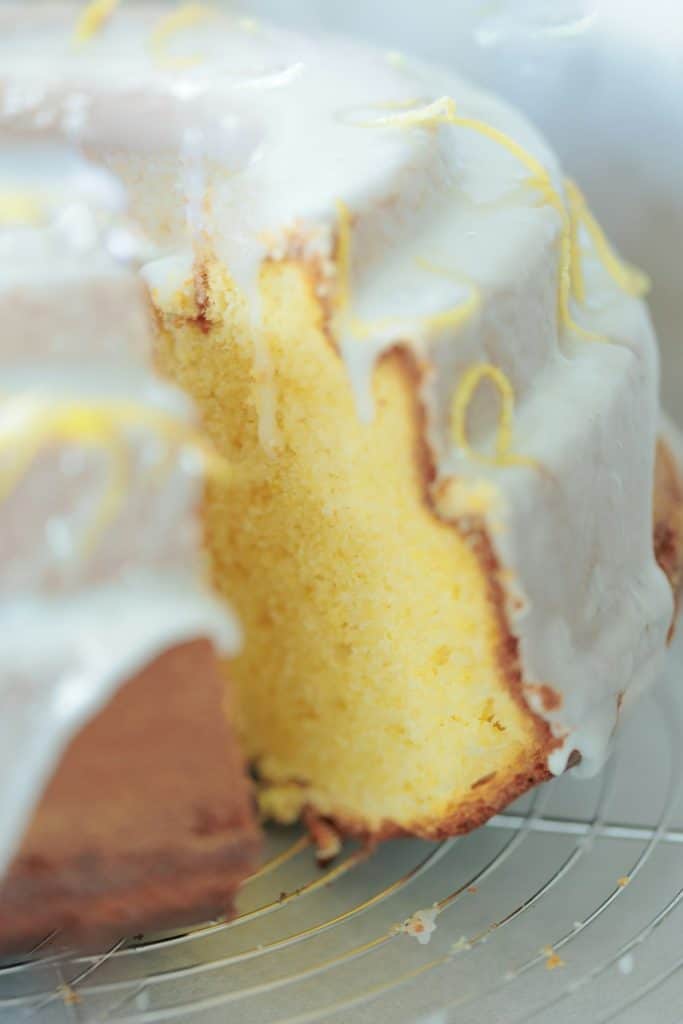
Baking a two-layer cake might seem tricky, but with the right steps, you can create a delicious dessert that looks as amazing as it tastes. Imagine cutting into a perfectly soft, moist cake with layers that hold together just right.
Whether you’re baking for a special occasion or just to treat yourself, this guide will show you exactly how to get it right every time. Ready to impress your friends and family with your baking skills? Let’s get started and make your cake-baking experience simple and fun!
Choosing The Right Ingredients
The key to a delicious two-layer cake starts with good ingredients. Each item you pick affects the taste and texture.
Careful choices make baking easier and the final cake better. Let’s look at the most important ingredients.
Selecting Flour And Sugar
Flour and sugar form the base of your cake. Choose the right types to get the best results.
- Use all-purpose flour for a soft, light crumb.
- Avoid cake flour unless your recipe asks for it.
- Pick granulated sugar for sweetness and moisture.
- Try superfine sugar for a smoother batter texture.
- Check that your sugar is fresh and free of lumps.
Picking Fresh Eggs And Butter
Eggs and butter add richness and structure to your cake. Freshness matters a lot for these ingredients.
| Ingredient | What to Look For | Why It Matters |
| Eggs | Fresh, large size | Better rise and texture |
| Butter | Unsalted, room temperature | Control salt and blend smoothly |
Using Quality Flavorings
Flavorings give your cake its unique taste. Choose pure and fresh options for the best flavor.
Here are common flavorings and tips to pick them:
- Vanilla extract: Use pure, not imitation.
- Cocoa powder: Choose unsweetened and fresh.
- Almond extract: Add just a small amount for a subtle flavor.

Credit: rusticjoyfulfood.com
Preparing Your Baking Tools
Getting your tools ready is important before baking a two-layer cake. Good preparation helps the baking go smoothly.
Make sure you have the right pans, mixing tools, and oven settings. This will help your cake turn out great.
Selecting Cake Pans
Choose two cake pans of the same size for even layers. Usually, 8 or 9-inch round pans work well.
Use pans made of metal for good heat conduction. Non-stick pans make removing the cake easier.
- Two round pans, the same size
- Metal pans for even baking
- Non-stick or greased pans
Essential Mixing Equipment
Use a large mixing bowl to hold all ingredients. A hand mixer or stand mixer helps blend ingredients smoothly.
Have measuring cups and spoons ready. A spatula will help scrape down the sides of the bowl.
- Large mixing bowl
- Hand mixer or stand mixer
- Measuring cups and spoons
- Spatula for scraping
Prepping Your Oven
Set your oven to the right temperature before baking. Most cakes bake well at 350°F (175°C).
Place the oven rack in the middle for even heat. Avoid opening the oven door too much while baking.
- Preheat oven to 350°F (175°C)
- Place the rack in the center
- Keep the oven door closed during baking
Mixing The Batter
Mixing the batter is an important part of baking a two-layer cake. It helps the ingredients blend well for a smooth and tasty cake.
Taking time to mix the batter carefully leads to a better texture and even baking of the cake layers.
Combining Dry Ingredients
Start by measuring all dry ingredients like flour, sugar, baking powder, and salt. Sift them together to remove lumps.
Sifting also mixes the dry ingredients evenly. This helps the cake rise well and have a light texture.
- Use a fine mesh sieve for sifting
- Mix flour, baking powder, and salt first
- Add sugar after to prevent clumps
Incorporating Wet Ingredients
Crack eggs into a bowl and add milk, oil, or butter. Beat them lightly to combine well.
Pour the wet ingredients slowly into the dry mix. Stir gently to avoid lumps and overmixing.
- Use room-temperature eggs for better mixing
- Add vanilla extract for flavor if desired
- Mix until ingredients just combine
Achieving The Perfect Consistency
The batter should be smooth and thick but pourable. It should fall off a spoon easily without being too runny.
If the batter is too thick, add a little milk. If it is too thin, add a small amount of flour carefully.
- Check the batter by lifting a spoonful and letting it drop
- Look for no lumps and a creamy texture
- Do not overmix to keep the cake tender
Credit: sallysbakingaddiction.com
Baking The Cake Layers
Baking the cake layers correctly is important for a good two-layer cake. Even layers bake evenly and look nice. Paying attention to details helps you get great results.
This section explains how to fill pans evenly, watch baking time, and test if the cake is done.
Filling The Pans Evenly
Fill each pan with the same amount of batter. This helps the layers bake at the same speed. Use a measuring cup or kitchen scale for accuracy.
- Pour batter into pans carefully.
- Level the batter with a spatula.
- Tap pans gently on the counter to remove air bubbles.
- Check that the batter height is even in both pans.
Monitoring Baking Time
Keep an eye on the clock to avoid over or under baking. Oven temperatures can vary, so start checking a few minutes before the timer.
| Action | Time to Check | Tips |
|---|---|---|
| Insert pans in preheated oven | 0 minutes | Place in center rack for even heat |
| First check | 25 minutes | Look for rising edges and golden color |
| Second check | 30 minutes | Start testing with a toothpick |
Testing For Doneness
Use a toothpick or cake tester to check if the cake is done. Insert it into the center of the layer. It should come out clean or with a few crumbs.
- Open the oven door slowly to avoid sinking.
- Insert a toothpick into the center of the cake.
- Remove the toothpick and check for wet batter.
- If wet batter sticks, bake for 3–5 more minutes.
- Repeat the test until the toothpick is clean.
Cooling And Layer Preparation
After baking your cake layers, cooling them properly is very important. Cooling helps the cake keep its shape and taste better.
Preparing the layers well makes it easier to stack and decorate the cake. This guide covers how to remove, cool, and level your cake layers.
Removing Cakes From Pans
Let the cakes cool in their pans for about 10 minutes. This helps them firm up and makes removal easier.
Run a knife gently around the edges of the cake to loosen it from the pan. Then, carefully turn the pan upside down to release the cake.
- Cool in the pan for 10 minutes
- Use a knife to loosen edges
- Invert the pan to release the cake
Cooling Techniques
Place the cake layers on a wire rack to cool completely. This allows air to flow and stops the cake from becoming soggy.
Do not stack the layers while warm. Warm cakes can stick together or lose shape when stacked.
- Use a wire rack for cooling
- Cool layers completely before stacking
- Avoid stacking warm cakes
Leveling The Layers
Leveling makes cake layers flat and even. This helps the cake stack well and look neat.
Use a serrated knife or cake leveler. Cut off the dome on the top of each layer carefully.
- Place the cake on a flat surface
- Cut off the rounded top
- Check that the layer is flat and even
Assembling The Two Layers
Putting together a two-layer cake needs care and attention. The right technique helps the cake look neat and taste great.
This guide covers choosing the filling, spreading it evenly, and stacking the layers smoothly.
Choosing The Right Filling
Pick a filling that matches the cake flavor. It should be thick enough to hold the layers together but soft enough to spread.
- Buttercream: Smooth and sweet, pairs well with most cakes.
- Jam or fruit preserves: Adds a fruity taste and moisture.
- Ganache: Rich and glossy, perfect for chocolate cakes.
- Cream cheese frosting: Slightly tangy and creamy.
Spreading The Filling Evenly
Even spreading prevents the cake from leaning or falling apart. Use a flat spatula or knife for best results.
| Tool | Use |
|---|---|
| Offset Spatula | Spreads filling smoothly without damaging cake |
| Butter Knife | Good for thin, light fillings |
| Spoon | Helps place filling before spreading |
Start from the center and spread filling to the edges in a gentle motion.
Stacking Layers Smoothly
Place the second cake layer carefully on top of the filling. Align edges to keep the cake balanced.
Tips for stacking:
- Hold the top layer with both hands to avoid cracks.
- Use a flat surface for support.
- Press down gently to spread the filling evenly.
- Check that layers are level before adding frosting.
Frosting And Decorating
Frosting and decorating your two-layer cake adds flavor and beauty. It makes your cake look special for any event.
Learn how to pick the right frosting, apply a crumb coat, and add final decorations to your cake.
Selecting Frosting Types
Choose a frosting that matches your cake flavor and texture. Some frostings are sweet and creamy, while others are light and fluffy.
- Buttercream: Smooth and sweet, easy to spread.
- Cream Cheese: Tangy and rich, pairs well with carrot cake.
- Whipped Cream: Light and airy, good for fresh fruit cakes.
- Ganache: Glossy and chocolatey, perfect for a shiny finish.
- Fondant: Thick and smooth, ideal for detailed decorations.
Applying A Crumb Coat
A crumb coat is a thin layer of frosting that seals in crumbs. It helps to create a smooth surface for the final frosting layer.
- Use a spatula to spread a thin layer of frosting on the cake.
- Cover the whole cake, including the top and sides.
- Chill the cake in the fridge for 15-30 minutes to set the crumb coat.
- Check for any crumbs showing through and add more frosting if needed.
Adding Final Decorations
After the crumb coat, add your final frosting layer and decorations. This step makes your cake look beautiful and ready to serve.
| Decoration Type | Tools Needed | Effect |
| Piping | Piping bags and tips | Creates shapes and patterns |
| Sprinkles | Hands or spoon | Adds color and texture |
| Fruit | Knife | Gives freshness and color |
| Chocolate Shavings | Grater | Offers a rich look and taste |
| Edible Flowers | Tweezers | Enhances elegance and style |
Credit: sallysbakingaddiction.com
Tips For Perfect Results
Baking a two-layer cake can be simple and fun. Follow some tips to get even layers and great taste.
Good preparation and careful baking help you avoid problems. This guide shares easy advice for success.
Avoiding Common Mistakes
Many baking problems happen from small mistakes. Avoid these to get a perfect cake.
- Measure ingredients carefully for the correct texture.
- Mix the batter gently to keep it light and fluffy.
- Use pans of the same size for even layers.
- Preheat the oven to the right temperature before baking.
- Check the cake with a toothpick to avoid underbaking.
- Let cakes cool before frosting to stop melting.
Storing The Finished Cake
Store your cake properly to keep it fresh and tasty. Proper storage stops it from drying out.
Wrap the cake well or use an airtight container. Keep it in a cool place or fridge if needed.
- Cover the cake with plastic wrap or foil tightly.
- Use an airtight cake carrier if available.
- Refrigerate if frosting has dairy or perishable ingredients.
- Let the refrigerated cake come to room temperature before serving.
Serving Suggestions
Serve your two-layer cake in simple ways to highlight its flavor. Add fresh touches for variety.
- Slice the cake evenly for neat servings.
- Serve with fresh berries or fruit on the side.
- Add a dollop of whipped cream for extra taste.
- Pair with a cup of tea or coffee.
Frequently Asked Questions
How Long Does It Take To Bake A Layer Cake?
Baking a two-layer cake usually takes 25 to 35 minutes. Oven temperature and cake size affect baking time. Always check doneness with a toothpick before removing the cake.
What Ingredients Are Essential For A Layer Cake?
Basic ingredients include flour, sugar, eggs, butter, baking powder, and milk. Vanilla extract enhances flavor. Quality ingredients ensure a moist, delicious cake.
How To Prevent Two-Layer Cakes From Sticking To Pans?
Grease pans with butter or oil and dust with flour. You can also use parchment paper to line the pans. This helps cakes release easily after baking.
Can I Use Different Flavors For Each Cake Layer?
Yes, you can bake different flavored layers. This adds variety and visual appeal. Ensure baking times and temperatures are similar for even cooking.
Conclusion
Baking a two-layer cake is simple and rewarding. Follow the steps carefully. Gather your ingredients. Mix them in the right order. Ensure even layers in the pans. Bake until done, then let them cool. Add frosting between the layers. Cover the entire cake with frosting.
Decorate with your favorite toppings. Your cake is ready to impress. Share with family and friends. Enjoy every bite of your homemade delight. Remember, practice makes perfect. Soon, you’ll bake like a pro. Keep experimenting with flavors and designs. Enjoy your baking journey!
How to Bake a Two Layer Cake:
Baking a two-layer cake might seem tricky, but with the right steps, you can create a delicious dessert that looks as amazing as it tastes. Imagine cutting into a perfectly soft, moist cake with layers that hold together just right.
Whether you’re baking for a special occasion or just to treat yourself, this guide will show you exactly how to get it right every time. Ready to impress your friends and family with your baking skills? Let’s get started and make your cake-baking experience simple and fun!
Choosing The Right Ingredients
The key to a delicious two-layer cake starts with good ingredients. Each item you pick affects the taste and texture.
Careful choices make baking easier and the final cake better. Let’s look at the most important ingredients.
Selecting Flour And Sugar
Flour and sugar form the base of your cake. Choose the right types to get the best results.
- Use all-purpose flour for a soft, light crumb.
- Avoid cake flour unless your recipe asks for it.
- Pick granulated sugar for sweetness and moisture.
- Try superfine sugar for a smoother batter texture.
- Check that your sugar is fresh and free of lumps.
Picking Fresh Eggs And Butter
Eggs and butter add richness and structure to your cake. Freshness matters a lot for these ingredients.
| Ingredient | What to Look For | Why It Matters |
| Eggs | Fresh, large size | Better rise and texture |
| Butter | Unsalted, room temperature | Control salt and blend smoothly |
Using Quality Flavorings
Flavorings give your cake its unique taste. Choose pure and fresh options for the best flavor.
Here are common flavorings and tips to pick them:
- Vanilla extract: Use pure, not imitation.
- Cocoa powder: Choose unsweetened and fresh.
- Almond extract: Add just a small amount for a subtle flavor.
Credit: rusticjoyfulfood.com
Preparing Your Baking Tools
Getting your tools ready is important before baking a two-layer cake. Good preparation helps the baking go smoothly.
Make sure you have the right pans, mixing tools, and oven settings. This will help your cake turn out great.
Selecting Cake Pans
Choose two cake pans of the same size for even layers. Usually, 8 or 9-inch round pans work well.
Use pans made of metal for good heat conduction. Non-stick pans make removing the cake easier.
- Two round pans, the same size
- Metal pans for even baking
- Non-stick or greased pans
Essential Mixing Equipment
Use a large mixing bowl to hold all ingredients. A hand mixer or stand mixer helps blend ingredients smoothly.
Have measuring cups and spoons ready. A spatula will help scrape down the sides of the bowl.
- Large mixing bowl
- Hand mixer or stand mixer
- Measuring cups and spoons
- Spatula for scraping
Prepping Your Oven
Set your oven to the right temperature before baking. Most cakes bake well at 350°F (175°C).
Place the oven rack in the middle for even heat. Avoid opening the oven door too much while baking.
- Preheat oven to 350°F (175°C)
- Place the rack in the center
- Keep the oven door closed during baking
Mixing The Batter
Mixing the batter is an important part of baking a two-layer cake. It helps the ingredients blend well for a smooth and tasty cake.
Taking time to mix the batter carefully leads to a better texture and even baking of the cake layers.
Combining Dry Ingredients
Start by measuring all dry ingredients like flour, sugar, baking powder, and salt. Sift them together to remove lumps.
Sifting also mixes the dry ingredients evenly. This helps the cake rise well and have a light texture.
- Use a fine mesh sieve for sifting
- Mix flour, baking powder, and salt first
- Add sugar after to prevent clumps
Incorporating Wet Ingredients
Crack eggs into a bowl and add milk, oil, or butter. Beat them lightly to combine well.
Pour the wet ingredients slowly into the dry mix. Stir gently to avoid lumps and overmixing.
- Use room-temperature eggs for better mixing
- Add vanilla extract for flavor if desired
- Mix until ingredients just combine
Achieving The Perfect Consistency
The batter should be smooth and thick but pourable. It should fall off a spoon easily without being too runny.
If the batter is too thick, add a little milk. If it is too thin, add a small amount of flour carefully.
- Check the batter by lifting a spoonful and letting it drop
- Look for no lumps and a creamy texture
- Do not overmix to keep the cake tender
Credit: sallysbakingaddiction.com
Baking The Cake Layers
Baking the cake layers correctly is important for a good two-layer cake. Even layers bake evenly and look nice. Paying attention to details helps you get great results.
This section explains how to fill pans evenly, watch baking time, and test if the cake is done.
Filling The Pans Evenly
Fill each pan with the same amount of batter. This helps the layers bake at the same speed. Use a measuring cup or kitchen scale for accuracy.
- Pour batter into pans carefully.
- Level the batter with a spatula.
- Tap pans gently on the counter to remove air bubbles.
- Check that the batter height is even in both pans.
Monitoring Baking Time
Keep an eye on the clock to avoid over or under baking. Oven temperatures can vary, so start checking a few minutes before the timer.
| Action | Time to Check | Tips |
|---|---|---|
| Insert pans in preheated oven | 0 minutes | Place in center rack for even heat |
| First check | 25 minutes | Look for rising edges and golden color |
| Second check | 30 minutes | Start testing with a toothpick |
Testing For Doneness
Use a toothpick or cake tester to check if the cake is done. Insert it into the center of the layer. It should come out clean or with a few crumbs.
- Open the oven door slowly to avoid sinking.
- Insert a toothpick into the center of the cake.
- Remove the toothpick and check for wet batter.
- If wet batter sticks, bake for 3–5 more minutes.
- Repeat the test until the toothpick is clean.
Cooling And Layer Preparation
After baking your cake layers, cooling them properly is very important. Cooling helps the cake keep its shape and taste better.
Preparing the layers well makes it easier to stack and decorate the cake. This guide covers how to remove, cool, and level your cake layers.
Removing Cakes From Pans
Let the cakes cool in their pans for about 10 minutes. This helps them firm up and makes removal easier.
Run a knife gently around the edges of the cake to loosen it from the pan. Then, carefully turn the pan upside down to release the cake.
- Cool in the pan for 10 minutes
- Use a knife to loosen edges
- Invert the pan to release the cake
Cooling Techniques
Place the cake layers on a wire rack to cool completely. This allows air to flow and stops the cake from becoming soggy.
Do not stack the layers while warm. Warm cakes can stick together or lose shape when stacked.
- Use a wire rack for cooling
- Cool layers completely before stacking
- Avoid stacking warm cakes
Leveling The Layers
Leveling makes cake layers flat and even. This helps the cake stack well and look neat.
Use a serrated knife or cake leveler. Cut off the dome on the top of each layer carefully.
- Place the cake on a flat surface
- Cut off the rounded top
- Check that the layer is flat and even
Assembling The Two Layers
Putting together a two-layer cake needs care and attention. The right technique helps the cake look neat and taste great.
This guide covers choosing the filling, spreading it evenly, and stacking the layers smoothly.
Choosing The Right Filling
Pick a filling that matches the cake flavor. It should be thick enough to hold the layers together but soft enough to spread.
- Buttercream: Smooth and sweet, pairs well with most cakes.
- Jam or fruit preserves: Adds a fruity taste and moisture.
- Ganache: Rich and glossy, perfect for chocolate cakes.
- Cream cheese frosting: Slightly tangy and creamy.
Spreading The Filling Evenly
Even spreading prevents the cake from leaning or falling apart. Use a flat spatula or knife for best results.
| Tool | Use |
|---|---|
| Offset Spatula | Spreads filling smoothly without damaging cake |
| Butter Knife | Good for thin, light fillings |
| Spoon | Helps place filling before spreading |
Start from the center and spread filling to the edges in a gentle motion.
Stacking Layers Smoothly
Place the second cake layer carefully on top of the filling. Align edges to keep the cake balanced.
Tips for stacking:
- Hold the top layer with both hands to avoid cracks.
- Use a flat surface for support.
- Press down gently to spread the filling evenly.
- Check that layers are level before adding frosting.
Frosting And Decorating
Frosting and decorating your two-layer cake adds flavor and beauty. It makes your cake look special for any event.
Learn how to pick the right frosting, apply a crumb coat, and add final decorations to your cake.
Selecting Frosting Types
Choose a frosting that matches your cake flavor and texture. Some frostings are sweet and creamy, while others are light and fluffy.
- Buttercream: Smooth and sweet, easy to spread.
- Cream Cheese: Tangy and rich, pairs well with carrot cake.
- Whipped Cream: Light and airy, good for fresh fruit cakes.
- Ganache: Glossy and chocolatey, perfect for a shiny finish.
- Fondant: Thick and smooth, ideal for detailed decorations.
Applying A Crumb Coat
A crumb coat is a thin layer of frosting that seals in crumbs. It helps to create a smooth surface for the final frosting layer.
- Use a spatula to spread a thin layer of frosting on the cake.
- Cover the whole cake, including the top and sides.
- Chill the cake in the fridge for 15-30 minutes to set the crumb coat.
- Check for any crumbs showing through and add more frosting if needed.
Adding Final Decorations
After the crumb coat, add your final frosting layer and decorations. This step makes your cake look beautiful and ready to serve.
| Decoration Type | Tools Needed | Effect |
| Piping | Piping bags and tips | Creates shapes and patterns |
| Sprinkles | Hands or spoon | Adds color and texture |
| Fruit | Knife | Gives freshness and color |
| Chocolate Shavings | Grater | Offers a rich look and taste |
| Edible Flowers | Tweezers | Enhances elegance and style |
Credit: sallysbakingaddiction.com
Tips For Perfect Results
Baking a two-layer cake can be simple and fun. Follow some tips to get even layers and great taste.
Good preparation and careful baking help you avoid problems. This guide shares easy advice for success.
Avoiding Common Mistakes
Many baking problems happen from small mistakes. Avoid these to get a perfect cake.
- Measure ingredients carefully for the correct texture.
- Mix the batter gently to keep it light and fluffy.
- Use pans of the same size for even layers.
- Preheat the oven to the right temperature before baking.
- Check the cake with a toothpick to avoid underbaking.
- Let cakes cool before frosting to stop melting.
Storing The Finished Cake
Store your cake properly to keep it fresh and tasty. Proper storage stops it from drying out.
Wrap the cake well or use an airtight container. Keep it in a cool place or fridge if needed.
- Cover the cake with plastic wrap or foil tightly.
- Use an airtight cake carrier if available.
- Refrigerate if frosting has dairy or perishable ingredients.
- Let the refrigerated cake come to room temperature before serving.
Serving Suggestions
Serve your two-layer cake in simple ways to highlight its flavor. Add fresh touches for variety.
- Slice the cake evenly for neat servings.
- Serve with fresh berries or fruit on the side.
- Add a dollop of whipped cream for extra taste.
- Pair with a cup of tea or coffee.
Frequently Asked Questions
How Long Does It Take To Bake A Layer Cake?
Baking a two-layer cake usually takes 25 to 35 minutes. Oven temperature and cake size affect baking time. Always check doneness with a toothpick before removing the cake.
What Ingredients Are Essential For A Layer Cake?
Basic ingredients include flour, sugar, eggs, butter, baking powder, and milk. Vanilla extract enhances flavor. Quality ingredients ensure a moist, delicious cake.
How To Prevent Two-Layer Cakes From Sticking To Pans?
Grease pans with butter or oil and dust with flour. You can also use parchment paper to line the pans. This helps cakes release easily after baking.
Can I Use Different Flavors For Each Cake Layer?
Yes, you can bake different flavored layers. This adds variety and visual appeal. Ensure baking times and temperatures are similar for even cooking.
Conclusion
Baking a two-layer cake is simple and rewarding. Follow the steps carefully. Gather your ingredients. Mix them in the right order. Ensure even layers in the pans. Bake until done, then let them cool. Add frosting between the layers. Cover the entire cake with frosting.
Decorate with your favorite toppings. Your cake is ready to impress. Share with family and friends. Enjoy every bite of your homemade delight. Remember, practice makes perfect. Soon, you’ll bake like a pro. Keep experimenting with flavors and designs. Enjoy your baking journey!