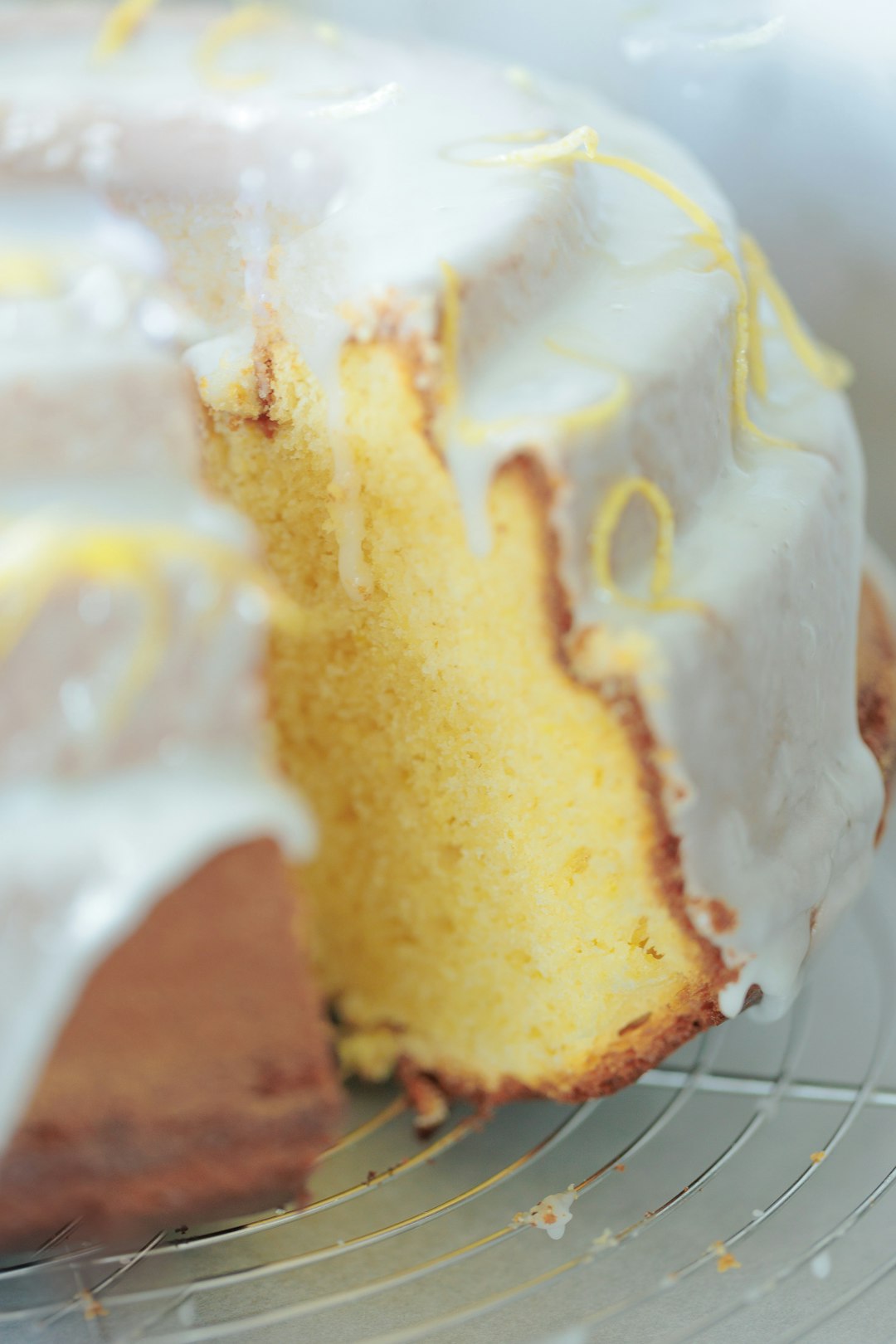
Imagine the joy of serving a homemade layer cake that looks and tastes like it came from a bakery. You can create this masterpiece in your own kitchen, and it's easier than you might think.
Whether you're a seasoned baker or just starting out, learning how to bake a layer cake opens up a world of delicious possibilities. In this guide, you'll discover simple steps and tricks to make your cake not just a dessert, but a showstopper.
Ready to impress your family and friends with your baking skills? Keep reading to uncover the secrets of baking the perfect layer cake, and get ready to enjoy every delightful bite.
Choosing The Right Ingredients
Choosing the right ingredients is important for a tasty layer cake. Good ingredients make a big difference in flavor and texture.
Use fresh and high-quality items to get the best results. Let’s look at some key ingredients for baking a layer cake.
Selecting Quality Flour And Sugar
Use all-purpose flour for most layer cakes. It gives the right structure and softness. Avoid using flour that is old or clumpy.
Choose granulated sugar for sweetness and texture. It helps make the cake light and moist.
- Check the flour package date for freshness
- Use white granulated sugar, not powdered sugar
- Store flour and sugar in airtight containers
Picking The Best Eggs And Butter
Eggs add moisture and richness. Pick eggs that are fresh and have clean shells. Room temperature eggs mix better with other ingredients.
| Ingredient | Tip |
| Eggs | Use large eggs at room temperature |
| Butter | Choose unsalted, fresh butter for better control of salt |
| Butter Temperature | Softened butter mixes well with sugar |
Using Fresh Baking Powder And Flavorings
Baking powder helps the cake rise and become fluffy. Use fresh baking powder for best results. Old baking powder may lose its power.
Flavorings like vanilla extract add aroma and taste. Use pure vanilla extract if possible. Avoid artificial flavors for a natural taste.
Preparing The Cake Batter
Making the cake batter is the first key step in baking a layer cake. It needs care to get a soft and even texture.
This guide will help you measure ingredients right, mix the batter well, and avoid common mistakes.
Measuring Ingredients Accurately
Using the right amount of each ingredient makes the cake rise and taste perfect. Too much or too little can spoil the texture.
- Use dry measuring cups for flour and sugar.
- Use liquid measuring cups for milk, oil, and water.
- Level off dry ingredients with a flat edge for accuracy.
- Measure sticky ingredients like honey with a light coating of oil on the cup.
- Check your measuring tools for dents or cracks that affect volume.
Mixing Techniques For Fluffy Batter
Mixing the ingredients correctly adds air to the batter. This air helps the cake become light and soft.
| Mixing Step | Purpose |
| Cream butter and sugar | Traps air for fluffiness |
| Add eggs one at a time | Ensures even texture |
| Alternate adding dry and wet ingredients | Keeps batter smooth |
| Mix until just combined | Prevents tough cake |
Avoiding Common Batter Mistakes
Some errors can ruin your batter. Avoid overmixing, wrong temperatures, and skipping sifting.
- Do not overmix; it makes the cake dense.
- Use room temperature eggs and butter to blend easily.
- Sift flour to remove lumps and add air.
- Scrape the bowl sides to mix all ingredients well.
- Use fresh baking powder and soda for proper rise.
Baking The Layers
Baking the layers is a key step in making a delicious layer cake. It needs care to get the texture and rise just right. This guide covers important points to help you bake perfect cake layers every time.
Pay close attention to oven temperature, preparing your pans, and knowing when the layers are done. These tips will keep your layers even and moist.
Preheating The Oven Correctly
Preheat your oven to the exact temperature the recipe states. This helps the cake bake evenly and rise properly. Avoid opening the oven door during preheating to keep the temperature steady.
- Set the oven temperature 10 minutes before baking.
- Use an oven thermometer to check accuracy.
- Do not place the cake in before the oven reaches the right heat.
Greasing And Lining Cake Pans
Properly greasing and lining pans prevents the cake from sticking. This step also helps the layers keep their shape and come out cleanly after baking.
| Pan Type | Greasing Method | Lining Method |
|---|---|---|
| Metal Pans | Butter or oil, then dust with flour | Line bottom with parchment paper |
| Glass Pans | Butter or non-stick spray | Optional parchment on bottom |
| Silicone Pans | No greasing needed | No lining needed |
Timing And Checking For Doneness
Each oven is different, so check your cake layers as the baking time ends. Use a toothpick or cake tester to see if they are done.
- Insert a toothpick in the center of the layer.
- Remove it and look for clean edges.
- If the toothpick has wet batter, bake for 2-3 more minutes.
- Repeat testing until the toothpick comes out clean or with dry crumbs.
- Cool layers in the pans for 10 minutes before removing.

Credit: sallysbakingaddiction.com
Cooling And Leveling Layers
After baking your cake layers, cooling them properly is important. Cooling helps the cake set and makes it easier to handle.
Leveling the layers ensures your cake looks neat and stacks evenly. This guide explains how to cool and level your cake layers well.
Proper Cooling Methods
Let the cake layers cool in their pans for about 10 minutes. This helps them firm up without breaking.
After 10 minutes, remove the layers from the pans. Place them on a wire rack to cool completely. This stops the cake from getting soggy.
- Keep layers on the rack for at least 1 hour
- Do not wrap layers before they are fully cool
- Use a fan if you want to cool layers faster
Trimming Domed Tops
Most cakes rise with a domed top. Trimming these tops makes layers flat and easier to stack.
Use a sharp knife or cake leveler to cut the dome off. Cut slowly and evenly for the best results.
- Place the cake layer on a flat surface
- Hold the knife steady and level
- Cut small slices until the top is flat
- Save trimmed cake pieces for crumbs or snacks
Ensuring Even Layer Thickness
Even layers make your cake look professional and stable. Check the thickness before stacking.
Use a ruler or cake scraper to measure layer height. Trim any thick spots to match the thinnest part.
- Measure thickness at several points around the layer
- Mark high spots with a toothpick if needed
- Trim those spots carefully with a knife
- Recheck thickness after trimming
Making The Frosting
Frosting adds flavor and beauty to your layer cake. It can be soft, creamy, or firm. Choosing the right frosting makes your cake special.
This guide helps you make frosting with good texture and taste. Learn about buttercream and other options, how to get the right thickness, and ways to add flavors and colors.
Choosing Buttercream Or Other Frostings
Buttercream is the most popular frosting. It is smooth and sweet. Other frostings include cream cheese, whipped cream, and ganache. Each has a unique taste and texture.
- Buttercream:Made with butter and sugar, easy to spread and pipe.
- Cream Cheese Frosting:Tangy flavor, pairs well with carrot or red velvet cakes.
- Whipped Cream:Light and airy, best for light cakes but melts fast.
- Ganache:Made from chocolate and cream, glossy and rich.
Achieving The Right Consistency
Frosting must be thick enough to hold its shape but soft enough to spread. Too thin frosting can slide off. Too thick frosting is hard to spread.
| Consistency | How to Fix It |
| Too Thin | Add more powdered sugar or chill the frosting. |
| Too Thick | Add a small amount of milk or cream and mix well. |
| Too Grainy | Beat longer to smooth it out or add a little liquid. |
| Too Soft | Chill in the fridge for 10-15 minutes before using. |
Adding Flavors And Colors
You can add flavors and colors to make your frosting stand out. Use extracts, zest, or natural colors. Mix them well for even taste and shade.
Try these flavor and color ideas:
- Vanilla extract for classic taste
- Lemon zest for a fresh twist
- Almond extract for nutty notes
- Food coloring gels for bright colors
- Natural powders like matcha or beetroot for healthful colors
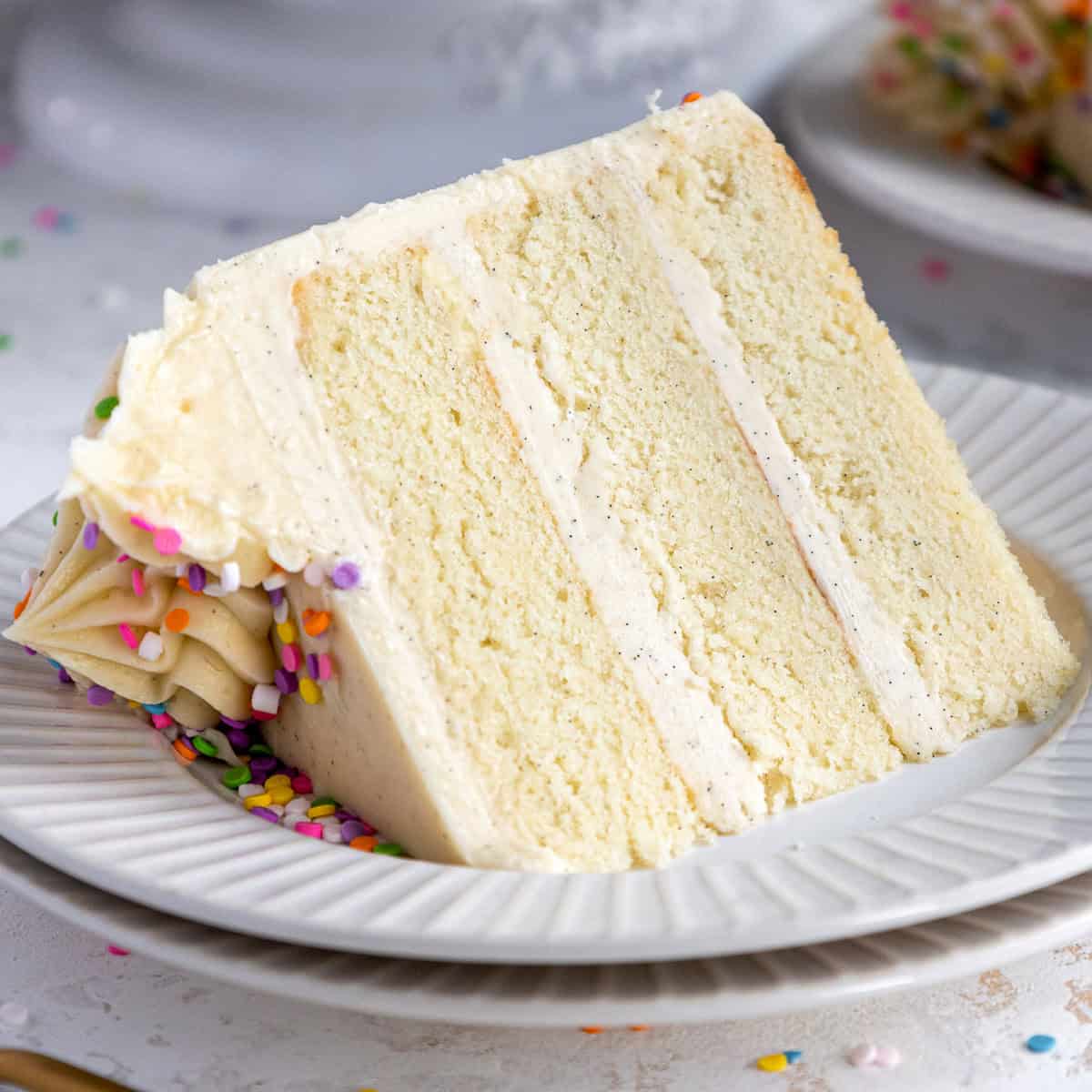
Credit: chelsweets.com
Assembling The Cake
Putting together a layer cake takes care and patience. Each step helps build a stable and tasty cake.
This guide covers how to layer with frosting or filling, stack layers evenly, and apply a crumb coat for a smooth finish.
Layering With Frosting Or Filling
Spread frosting or filling evenly on each cake layer. Use a spatula to cover the entire surface. Keep the layer about ¼ inch thick for best taste and stability.
- Place the first cake layer on a flat plate or board.
- Spread your choice of frosting or filling evenly over the top.
- Add the next cake layer carefully on top.
- Repeat until all layers are stacked.
Stacking Layers Evenly
Even stacking helps the cake stand straight and look neat. Align edges carefully before pressing layers together gently.
| Tip | Why It Helps |
| Use a flat surface | Keeps layers stable and level |
| Align cake edges | Prevents leaning or uneven sides |
| Press gently | Secures layers without squashing |
Crumb Coating For Smooth Finish
A crumb coat seals crumbs in place. Apply a thin layer of frosting all around the cake before the final layer.
Follow these tips for crumb coating:
- Use a small spatula to spread frosting thinly.
- Cover the top and sides completely.
- Chill the cake for 15-30 minutes to set the crumb coat.
Decorating Tips
Decorating a layer cake makes it look special and inviting. Simple tips help you create beautiful cakes. Use easy techniques to add charm and style.
Focus on details like piping, toppings, and finishes. These small touches bring your cake to life. Enjoy the decorating process with fun and creativity.
Piping Borders And Designs
Piping adds texture and pattern to your cake edges and surfaces. Use a piping bag with different tips for varied effects. Practice simple shapes like stars, shells, and rosettes.
- Fill a piping bag with buttercream or frosting.
- Choose a decorating tip based on the design you want.
- Hold the bag at a 45-degree angle near the cake edge.
- Apply steady pressure and move your hand smoothly.
- Release pressure and lift the tip to finish each shape.
Using Sprinkles And Toppings
Sprinkles and toppings add fun colors and textures. Use them to highlight cake layers or cover the whole surface. Mix different shapes and sizes for a playful look.
- Choose sprinkles that match your cake theme.
- Apply toppings while frosting is soft for better sticking.
- Use a spoon or your fingers to place toppings carefully.
- Try edible flowers, nuts, or chocolate chips for variety.
- Don’t overload; keep balance for a neat finish.
Creating Simple Elegant Finishes
Elegant cake finishes look clean and charming with little effort. Smooth frosting and gentle accents create a refined style. Use tools like spatulas and smoothers for best results.
| Technique | Description | Tip |
|---|---|---|
| Smooth Frosting | Use a spatula to create flat, even surfaces. | Chill cake between layers for easier smoothing. |
| Palette Knife Swirls | Make soft, random swirls for texture. | Use a small offset spatula for control. |
| Fresh Flowers | Add natural beauty with edible flowers. | Place flowers just before serving. |

Credit: sallysbakingaddiction.com
Storing And Serving
Knowing how to store and serve a layer cake keeps it fresh and tasty. Proper care extends the cake's life and makes serving easier.
Use simple methods to maintain the cake's texture and flavor. This guide covers storage, serving tips, and safe transport.
Best Storage Practices
Store your layer cake carefully to keep it moist and delicious. The right environment prevents drying out or sogginess.
- Wrap the cake with plastic wrap or place it in an airtight container.
- Keep the cake in the refrigerator if it has cream or fresh fruit fillings.
- For cakes without perishable fillings, store at room temperature in a cool, dry place.
- Use wax paper between layers if storing multiple layers separately.
- Consume refrigerated cakes within 3 to 4 days for best taste.
Serving Tips For Freshness
Serve the cake to keep its best texture and flavor. Small steps help the cake stay fresh on the table.
| Tip | Reason |
| Bring cake to room temperature before serving | Enhances flavor and softens frosting |
| Use a sharp, clean knife | Prevents crumbs and keeps slices neat |
| Cut cake gently | Maintains layer structure |
| Serve on chilled plates | Keeps cake cool longer |
Transporting The Cake Safely
Transport the cake carefully to avoid damage. A few tools and tips can help the cake arrive perfect.
- Place the cake on a flat, sturdy surface in your vehicle.
- Use a cake box or container that fits snugly.
- Chill the cake before travel to firm up frosting.
- Drive slowly and avoid sharp turns or sudden stops.
- Bring extra frosting or decorations for touch-ups if needed.
Frequently Asked Questions
What Ingredients Are Needed To Bake A Layer Cake?
You need flour, sugar, eggs, butter, baking powder, milk, and vanilla extract. Quality ingredients ensure better taste and texture. Adjust flavors based on your cake preference.
How Do I Prevent Cake Layers From Drying Out?
Avoid overbaking and use the correct oven temperature. Adding sour cream or oil keeps the cake moist. Wrap layers in plastic wrap if not assembling immediately.
What Is The Best Way To Level Cake Layers?
Use a serrated knife or cake leveler to trim the top. Ensure layers are flat for even stacking. This prevents the cake from leaning or collapsing.
How Long Should A Layer Cake Cool Before Frosting?
Allow the cake to cool completely, about 1-2 hours. Frosting warm cake causes melting and uneven texture. Patience ensures a smooth and professional finish.
Conclusion
Baking a layer cake can be fun and rewarding. Follow the steps carefully for best results. Take your time to mix and bake each layer. Let the cake cool before adding frosting. Decorating is your chance to be creative. Share your cake with friends or family.
Enjoy the sweet taste of your hard work. Keep practicing to improve your baking skills. Soon, you will feel confident in making layer cakes. Baking brings joy and delicious moments to everyone.