Perfect Smoked Brisket: How Long to Cook Brisket in a Smoker
If you plan a backyard BBQ, you need to know the time. Learning How Long to Cook Brisket in a Smoker is key. Imagine the smell of smoked brisket in the air. The tender meat melts in your mouth. You feel satisfied that you cooked it well.
This perfect brisket needs more than luck. It needs good timing and patience. You might ask, "How long should it cook?" Or "How can I avoid raw or dry meat?" This guide answers these questions. You will impress everyone with your brisket.
Stick around to learn the secrets. You will smoke brisket like a pro!

Credit: farmhouseharvest.net
Picking The Right Brisket Cut
Smoking brisket takes time and care. Choosing the right cut gives good results. Brisket has two main parts. They are the flat cut and the point cut.
Each cut has different fat and texture. Knowing the difference helps you cook well. You can then enjoy the flavor.
Flat Cut Vs. Point Cut
The flat cut is leaner. It has a uniform shape. It cooks evenly and is easy to slice. The point cut has more fat. It has more marbling too. It is richer in flavor. Its shape is less even.
-
Flat Cut: Lean, consistent, good for slicing.
-
Point Cut: More fat, tender, great for shredding.
-
Flat Cut: Cooks faster due to less fat.
-
Point Cut: Needs longer cooking to break down fat.
Size And Weight Considerations
Brisket size changes cooking time. It also affects smoker space. Larger briskets take a long time. Smaller ones cook fast. They might dry out if not watched.
| Brisket Weight | Approx. Cooking Time | Notes |
| 5 to 7 pounds | 6 to 8 hours | Good for small groups. |
| 8 to 12 pounds | 8 to 12 hours | Standard smoker size. |
| 13 to 16 pounds | 12 to 16 hours | Needs big smoker and patience. |
Preparing Your Brisket
Smoking brisket takes care and time. Good prep helps the meat cook evenly. It also makes it taste great.
Trim the fat first. Add the right seasoning next. This makes the brisket tender and flavorful.
Trimming The Fat
Brisket has a thick fat layer. It is called the fat cap. Trim this fat to a quarter inch thick. This helps fat melt during cooking. It keeps the meat moist.
Remove all hard or thick fat. This fat will not melt well. Trim silver skin or tough parts. This improves texture. Be careful not to cut too much fat.
Seasoning And Rubs
Seasoning adds flavor. It forms a crust on the brisket. Use salt and pepper for a classic taste.
You can add garlic powder for flavor. Onion powder or paprika also work. Put the rub on all sides evenly.
-
Salt brings out the meat's natural taste.
-
Pepper adds a mild heat and crunch.
-
Garlic and onion powders give a savory touch.
-
Paprika adds color and mild sweetness.
Setting Up the Smoker
Preparing your smoker is important. A good setup keeps the temperature steady. It also adds a good smoky flavor.
Clean your smoker first. Remove old grease and ashes. This stops bad tastes and flare-ups.
Ideal Temperature Range
Keep the smoker at 225°F and 250°F. This range cooks the brisket slowly. It breaks down tough fibers well. It also keeps the meat juicy.
-
Preheat the smoker to 225°F. Cook low and slow.
-
Use a thermometer to check the heat.
-
Adjust fuel or vents for steady heat.
-
Avoid opening the smoker often. This keeps the heat steady.
Choosing Wood for Smoke Flavor
Wood choice changes the brisket's flavor. Some woods give a strong smoke. Others give a mild taste.
| Wood Type | Flavor Profile | Best For |
| Oak | Medium, smoky. | All-purpose smoking. |
| Hickory | Strong, bacon-like. | Bold smoke flavor lovers. |
| Apple | Mild, sweet. | Light, fruity smoke. |
| Cherry | Sweet, mild. | Rich color and subtle taste. |
| Mesquite | Intense, earthy. | Fast cooks, strong flavor. |
Cooking Time Guidelines
Smoking brisket takes patience and care. The time needed depends on many things.
Knowing the time helps you plan. You get the best flavor and texture.
Time Per Pound Rule
You estimate time using the pound rule. Cook brisket at 225°F (107°C).
It takes about 1 to 1.5 hours per pound. This gives you a rough total time.
| Brisket Weight (pounds) | Estimated Cooking Time (hours) |
| 5 | 5 to 7.5 |
| 8 | 8 to 12 |
| 10 | 10 to 15 |
| 12 | 12 to 18 |
Factors Affecting Cooking Time
Several things change the cooking time. They affect how the meat cooks inside.
-
Smoker temperature: Lower heat needs more time.
-
Brisket thickness: Thicker cuts take longer.
-
Fat content: More fat can slow cooking time.
-
Weather conditions: Wind or cold affects smoker heat.
-
Wrapping: Wrapping brisket speeds up cooking.
Always use a meat thermometer. Brisket is done when the temp is 195°F to 205°F.
Monitoring Brisket Doneness
Smoking brisket takes care and time. Checking doneness is key to great flavor.
The right internal temperature helps you cook perfectly.
- Pitmasters rely on the "probe test," not the temperature alone: "A brisket is done when it is 'probe tender,' regardless of the thermometer reading between 195°F and 205°F. You should be able to insert your thermometer or probe into the flat cut with almost no resistance, feeling like you are pushing it into a jar of soft peanut butter. If you feel any significant resistance, wrap it up and keep cooking until the temperature stops climbing and the tenderness is uniform across the entire flat."
Internal Temperature Targets
Doneness depends on internal temperature. Different temperatures give different textures.
| Temperature | Brisket Doneness | Description |
| 190°F - 195°F | Fully Tender | Meat is tender and juicy, easy to slice. |
| 200°F - 205°F | Very Tender | Meat is very soft, pulls apart easily. |
| 180°F - 185°F | Medium Doneness | Meat is cooked but a bit firmer. |
Using A Meat Thermometer
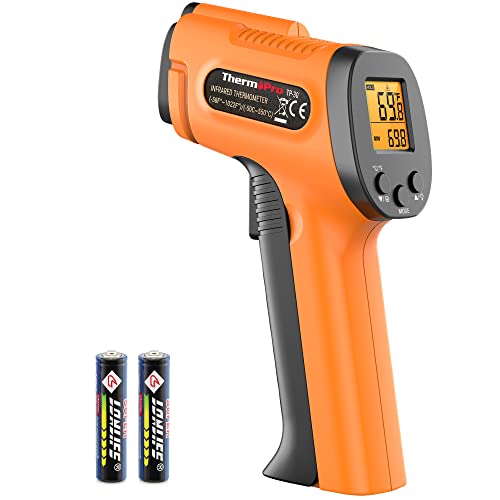
A thermometer is the best tool to check temperature. It stops undercooking or overcooking.
-
Put the thermometer in the thickest part.
-
Do not touch fat or bone for an accurate read.
-
Check the temperature often after 4 hours.
-
Remove brisket once the target temperature is met.

Credit: lanesbbq.com
Resting And Slicing
Resting and slicing are important after smoking. Resting lets juices settle for flavor. Correct slicing keeps the meat tender.
This guide shows why resting matters. It also covers proper slicing.
- Commercial smokehouse operators use this simple technique: "If your brisket finishes hours before your guests arrive, the easiest and best way to hold it at a perfect serving temperature
- 140°F to 150°F for up to 4–6 hours is to use a faux Cambro. After wrapping the brisket tightly in butcher paper and then a layer of foil, wrap it again in a thick towel or old blanket and place it in an empty, insulated cooler. This allows the internal temperature to slowly equalize while the juices redistribute, resulting in the most tender and juicy meat possible at dinnertime."
Importance Of Resting
Resting the brisket keeps it juicy. The heat spreads inside evenly. Juices do not run out when you cut it.
-
Let the brisket rest for at least 30 minutes.
-
Wrap it in foil or butcher paper. This keeps heat.
-
Resting time can be 1 hour for large cuts.
-
Cutting too soon makes the meat dry.
Best Slicing Techniques
Slicing correctly keeps the brisket tender. The meat grain guides the slicing direction.
| Technique | Description |
| Cut Against the Grain | Slicing across fibers makes meat more tender. |
| Use a Sharp Knife | A sharp knife prevents shredding. |
| Slice Thinly | Thin slices are easier to eat. |
| Separate the Point and Flat | Cut the two parts based on grain direction. |
Troubleshooting Common Issues
Smoking brisket can be a little hard. Many people get dry meat or wrong times.
This guide helps fix common issues. You will learn to save bad brisket.
- Smoker manufacturers advise on moisture retention: "Instead of opening the smoker every hour to spray (which drops the temperature), the easiest way to guarantee a moist environment is to use a large, shallow water pan and fill it with hot water or simmering beef broth when you start the cook. Placing the pan directly below the brisket creates a consistent steam bath. Using broth instead of water also adds a subtle, savory aroma that enhances the bark."
Dry Brisket Solutions
Dry meat happens from too much cooking. It is also from high heat. Meat loses moisture this way.
Wrap the brisket in foil later in the cook. This keeps moisture inside.
-
Use a water pan in the smoker for humidity.
-
Spray the brisket with broth or apple juice every hour.
-
Wrap brisket tightly in paper or foil (Texas Crutch).
-
Rest the brisket for at least 30 minutes.
Undercooked Or Overcooked Meat Fixes
Undercooked brisket is hard to chew. Overcooked brisket is crumbly and dry.
Check the internal temperature well. Aim for 195°F to 205°F for tender meat.
-
If undercooked, cook longer at a lower temp (225°F to 250°F)
-
If overcooked, slice thin. Serve with sauce for moisture.
-
Rest the brisket before cutting.
-
Use a slow cooker to soften tough slices.

Credit: simpleandfraiche.com
Frequently Asked Questions
How Long Does It Take to Smoke a Brisket?
Smoking a brisket takes 1 to 1.5 hours per pound. The temperature is 225°F. Total time changes based on size.
What Temperature Should I Smoke Brisket At?
Keep the smoker steady at 225°F to 250°F. This range ensures good flavor. It stops the brisket from drying out.
How Do I Know When Brisket Is Done?
Brisket is done at 195°F to 205°F inside. It should feel very tender. It must slice easily.
Should I Wrap Brisket During Smoking?
Yes, wrapping helps hold moisture. Wrap it at 160°F. This speeds up the cook. This method is called the Texas Crutch.
Conclusion
Smoking brisket takes time and patience. Plan for several hours to get it juicy. Keep the temperature steady always. Check the meat often while cooking. Use a thermometer to know when it is done. Rest the brisket before slicing for moisture.
Enjoy the smoky flavor you worked for. Smoking brisket is slow, but worth it. Perfect brisket comes from care and attention.