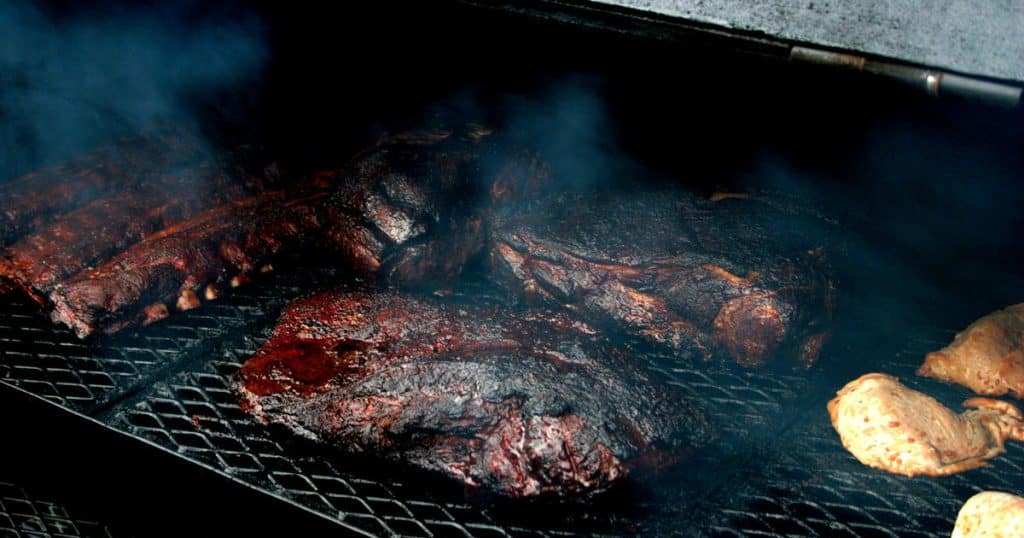
Do you dream of serving up mouth-watering smoked brisket that leaves your guests in awe? If so, you’re in the right place.
Cooking a smoked brisket in a smoker is not just about following a recipe—it’s about mastering an art form that transforms a simple cut of meat into a flavorful masterpiece. Imagine the satisfaction of slicing into a perfectly smoked brisket, with its tantalizing aroma and juicy, tender texture.
The secret lies in the technique, and we’re here to guide you every step of the way. Ready to impress your taste buds and those of your friends and family? Let’s dive into the essentials of crafting the perfect smoked brisket in your smoker.
Choosing The Right Brisket
Picking the right brisket is key to cooking a tasty smoked brisket. The meat’s quality affects the flavor and tenderness.
Knowing what to look for helps you find the best brisket for your smoker. Let’s start with selecting quality meat.
Selecting Quality Meat
Choose brisket with good marbling. Fat inside the meat keeps it juicy during smoking.
Look for a fresh brisket with a bright, red color. Avoid meat that looks dull or dry.
- Marbling adds flavor and moisture
- Fresh color shows good quality
- Firm texture means freshness
- Avoid cuts with dark spots or bad smell
Understanding Brisket Cuts
Brisket has two main parts: the flat and the point. Each part cooks differently and has its own texture.
The flat is leaner and slices nicely. The point has more fat and is very tender when cooked well.
- Flat:Lean, good for even slices
- Point:Fatty, rich and tender

Credit: snakeriverfarms.com
Preparing Your Brisket
Cooking a smoked brisket starts with good preparation. Taking time to get the meat ready makes a big difference in taste.
Properly preparing your brisket helps it cook evenly and stay juicy. Let’s look at two key steps before smoking.
Trimming Excess Fat
Brisket has a thick fat layer called the fat cap. Trim some of it off but leave about a quarter inch for flavor.
Remove any hard or thick fat that will not melt during cooking. This helps smoke and rub reach the meat better.
- Use a sharp knife to trim fat carefully.
- Leave a thin fat layer to keep meat moist.
- Remove silver skin and hard fat pieces.
Applying The Perfect Rub
A good rub adds flavor and forms a tasty crust on your brisket. Use simple spices like salt, pepper, and garlic powder.
Coat the entire brisket evenly with the rub. Press it gently into the meat to help it stick before smoking.
- Mix salt, black pepper, and garlic powder.
- Apply rub evenly on all sides of the brisket.
- Let the rub sit on the meat for at least 30 minutes before cooking.
Setting Up The Smoker
Cooking a smoked brisket needs the right smoker setup. Proper setup helps cook the meat evenly and adds great flavor.
Before you start, clean the smoker and check all parts work well. This helps keep the temperature steady.
Choosing Wood For Smoking
The wood you pick changes the brisket’s taste. Use hardwood for a strong, smoky flavor that lasts.
Avoid softwoods because they can make the meat taste bitter. Pick wood types that burn slow and steady.
- Hickory gives a strong, smoky taste.
- Oak is mild and good for long cooks.
- Mesquite adds a bold, earthy flavor.
- Fruit woods like apple or cherry add sweet notes.
Maintaining Ideal Temperature
Keep the smoker temperature steady between 225°F and 250°F. This range cooks the brisket slow and tender.
Check the temperature often. Adjust air vents to control heat and smoke flow inside the smoker.
- Use a reliable thermometer for accuracy.
- Open the smoker less to keep heat steady.
- Add wood or charcoal in small amounts to avoid big temperature jumps.

Credit: www.youtube.com
Smoking Process
Smoking brisket needs patience and careful attention. The process takes several hours to create tender, flavorful meat.
Each step in the smoking process affects the final taste. Let’s explore key parts of smoking brisket in a smoker.
Placing The Brisket
Place the brisket fat side up on the smoker grate. This lets the fat melt and keep the meat moist. Position it away from direct heat to avoid burning.
- Use a drip pan under the brisket to catch juices.
- Keep space around the meat for smoke to circulate.
- Place the thicker end toward the heat source for even cooking.
Monitoring Smoke And Heat
Keep the smoker temperature steady between 225°F and 250°F. Use a good thermometer to check the heat and the internal meat temperature.
| Temperature | Purpose |
|---|---|
| 225°F – 250°F | Ideal smoker temperature for brisket |
| 195°F – 205°F | Target internal temperature for tender brisket |
| Above 275°F | Too hot, may dry out the meat |
Use hardwoods like oak or hickory for smoke flavor. Avoid softwoods that create bad taste or too much soot.
Wrapping Techniques
Wrapping the brisket during smoking helps keep moisture and speed cooking. Use either foil or butcher paper.
- Foil wraps tightly and locks in moisture but softens the bark.
- Butcher paper allows smoke to pass, keeping a firmer bark.
- Wrap brisket when internal temperature reaches 160°F to 170°F.
- Unwrap near the end to let the bark firm up again.
Cooking Time And Temperature
Cooking smoked brisket in a smoker takes time and control. The right temperature helps the meat stay juicy and tender.
Low and slow cooking is key for a perfect brisket. You must watch both time and heat closely.
Cooking Duration Guidelines
Brisket needs a long cooking time to break down tough fibers. Usually, it takes about 1 to 1.5 hours per pound.
Keep your smoker steady between 225°F and 250°F. This range cooks the brisket evenly without drying it out.
- For a 5-pound brisket, cook for 5 to 7.5 hours
- For a 10-pound brisket, cook for 10 to 15 hours
- Maintain smoker temperature between 225°F and 250°F
Checking Internal Temperature
Use a meat thermometer to check the brisket’s internal temperature. This helps you know when it is done.
The target temperature for a tender brisket is between 195°F and 205°F. At this point, the meat is soft and juicy.
- Insert thermometer into the thickest part of the brisket
- Wait for the temperature to reach 195°F to 205°F
- If below 195°F, keep smoking and check every 30 minutes
Resting And Slicing
After cooking smoked brisket in a smoker, resting and slicing are key steps. These actions help keep the meat juicy and tender. Proper resting lets the juices spread inside the meat.
Slicing the brisket correctly improves the eating experience. It makes the meat easier to chew and enjoy.
Importance Of Resting
Resting lets the brisket cool slightly. This helps the juices move back inside the meat. If you cut the brisket too soon, the juices will run out and the meat will be dry.
- Rest the brisket for at least 30 minutes.
- Cover it loosely with foil to keep heat.
- Place the brisket on a warm surface during resting.
- A longer rest can improve flavor and texture.
Best Slicing Practices
Slicing the brisket across the grain makes it tender. Cutting with the grain makes the meat tough. Use a sharp knife for clean slices.
| Tip | Why It Helps |
| Slice against the grain | Shortens muscle fibers for tenderness |
| Use a long, sharp knife | Prevents tearing and keeps slices neat |
| Cut slices ¼ inch thick | Perfect balance of texture and juiciness |
| Slice on a stable cutting board | Ensures safety and control |
Serving Suggestions
Smoked brisket is a rich and flavorful dish. Serving it with the right sides and sauces makes the meal balanced and tasty.
Presentation also matters. A well-presented brisket meal can make your guests enjoy it more.
Popular Sides And Sauces
Serve smoked brisket with classic sides like coleslaw, baked beans, or cornbread. These sides add texture and contrast.
- Coleslaw: Adds a fresh, crunchy bite
- Baked beans: Sweet and smoky flavors
- Cornbread: Soft and slightly sweet
- Pickles: Cuts the richness with acidity
- Potato salad: Creamy and mild
Sauces help highlight the brisket’s smoky taste. Use barbecue sauce, mustard sauce, or a spicy vinegar-based sauce.
Presentation Tips
| Tip | Description |
| Slice Thinly | Cut brisket against the grain for tenderness. |
| Arrange Neatly | Fan the slices on a platter for a nice look. |
| Add Garnish | Use fresh herbs like parsley or thyme. |
| Use Warm Plates | Keep brisket warm to keep its juices. |
| Serve Sauces on Side | Let guests choose how much sauce to add. |

Credit: simpleandfraiche.com
Common Mistakes To Avoid
Cooking smoked brisket takes time and care. Avoiding common mistakes helps you get tender and tasty meat.
Knowing what not to do can save your brisket from being tough or dry. Let’s look at some errors to watch for.
Overcooking Or Undercooking
Overcooked brisket becomes dry and hard. Undercooked brisket is tough and chewy. Both ruin the eating experience.
Use a meat thermometer to check the internal temperature. Aim for about 195°F to 205°F for tender brisket.
- Overcooked brisket loses moisture and becomes dry
- Undercooked brisket feels rubbery and is hard to chew
- Check temperature often to avoid these issues
Ignoring Temperature Fluctuations
Temperature changes in the smoker cause uneven cooking. This can make parts of the brisket overdone or raw.
Keep the smoker’s heat steady. Use a reliable thermometer to watch the smoker’s temperature closely.
- Fluctuations cause inconsistent cooking
- Keep smoker temperature between 225°F and 250°F
- Open the smoker lid less to keep heat stable
Tips For Perfect Smoked Brisket
Smoking brisket takes time and care. You need to watch the heat and meat closely. Good brisket has a tender inside and a smoky outer crust.
This guide shares simple tips to help you cook delicious smoked brisket in your smoker.
Patience And Timing
Brisket needs low heat and long cooking. Rushing can make it tough and dry. Keep your smoker steady at 225°F to 250°F for best results.
- Trim excess fat but leave a thin layer to keep meat moist.
- Use a meat thermometer to check for an internal temperature of about 195°F.
- Wrap brisket in butcher paper or foil after 4-5 hours to keep it juicy.
- Let the brisket rest for at least 30 minutes before slicing.
Experimenting With Flavors
Try different rubs and wood chips to find your favorite taste. Each adds a unique flavor to the brisket.
| Wood Type | Flavor Profile |
| Hickory | Strong, smoky, and slightly sweet |
| Apple | Mild, fruity, and sweet |
| Mesquite | Bold, earthy, and intense |
| Pecan | Sweet, nutty, and rich |
Frequently Asked Questions
How Long Does It Take To Smoke A Brisket?
Smoking a brisket typically takes 10 to 14 hours at 225°F. Time varies by brisket size and smoker consistency. Always use a meat thermometer to check for an internal temperature of 195°F to 205°F for perfect tenderness.
What Wood Is Best For Smoking Brisket?
Hickory, oak, and mesquite are popular woods for smoking brisket. They provide a strong, smoky flavor that complements beef well. Fruitwoods like apple or cherry offer a milder, sweeter smoke, ideal for a balanced taste.
How Do You Prepare Brisket Before Smoking?
Trim excess fat from brisket, leaving about ¼ inch for moisture. Apply a dry rub with salt, pepper, and spices. Let it rest at room temperature before placing it in the smoker for even cooking.
Should You Wrap Brisket During Smoking?
Wrapping brisket in foil or butcher paper halfway through smoking helps retain moisture. It speeds up cooking and creates a tender, juicy texture. This method is called the “Texas crutch” and is widely used by pitmasters.
Conclusion
Smoking brisket takes time, patience, and care. Keep the smoker steady and temperature low. Check the meat often but don’t rush the process. Rest the brisket before slicing to keep it juicy. Use your favorite rub and wood chips for flavor.
Enjoy the rich taste of homemade smoked brisket. Practice will make your brisket better each time. Happy smoking!