Are you tired of kitchen waste piling up and want a more sustainable solution? Composting might be the answer you’ve been searching for.
It’s a simple yet effective way to turn your leftovers into nutrient-rich soil. But you might be wondering, “How long does it really take to compost kitchen waste? ” The answer isn’t as straightforward as you might think. Several factors, including the type of waste and composting method, play a crucial role in the timeline.
Stick around, and you’ll discover not only the timeframe but also some insider tips to speed up the process. Your kitchen scraps could be transforming into garden gold sooner than you imagine!
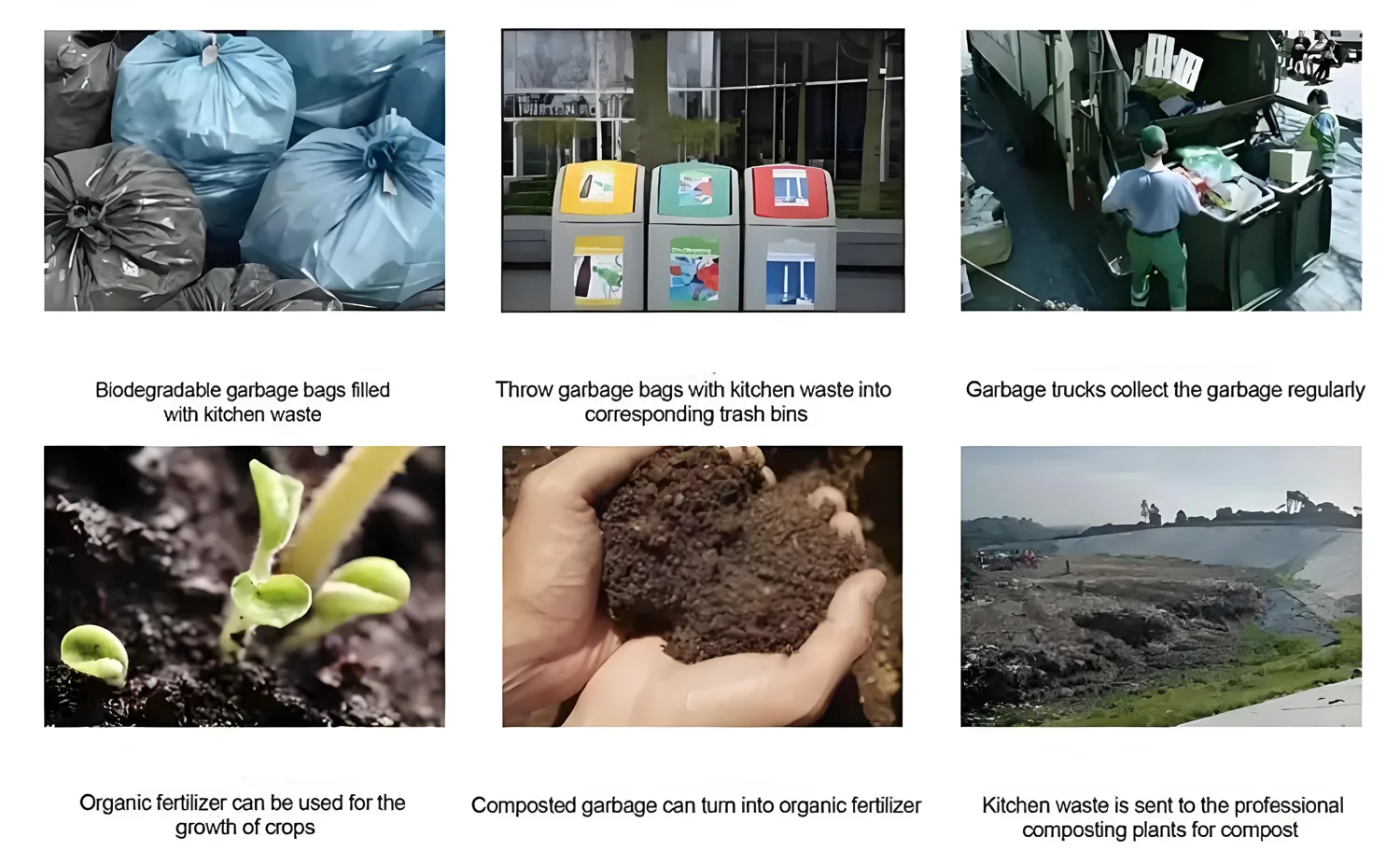
Credit: www.bioleaderpack.com
Composting Basics
Composting is a natural process that turns kitchen waste into rich soil. It helps reduce trash and supports plant growth.
Knowing how long composting takes helps you plan your garden and reduce waste effectively.
What Is Kitchen Waste
Kitchen waste includes food scraps and other organic materials from cooking and eating. These can break down into compost.
Common kitchen waste items are vegetable peels, fruit skins, coffee grounds, and eggshells.
- Vegetable and fruit scraps
- Tea bags and coffee grounds
- Eggshells
- Stale bread and grains
- Small amounts of cooked food
Why Compost Kitchen Waste
Composting kitchen waste keeps trash out of landfills and cuts down pollution. It also makes healthy soil for plants.
Using compost improves soil quality and helps plants grow better without chemicals.
- Reduces landfill waste
- Decreases greenhouse gas emissions
- Creates nutrient-rich soil
- Supports healthy plant growth
Types Of Composting Methods
There are several ways to compost kitchen waste. Each method suits different spaces and needs.
Choosing the right method helps speed up composting and keeps the process clean.
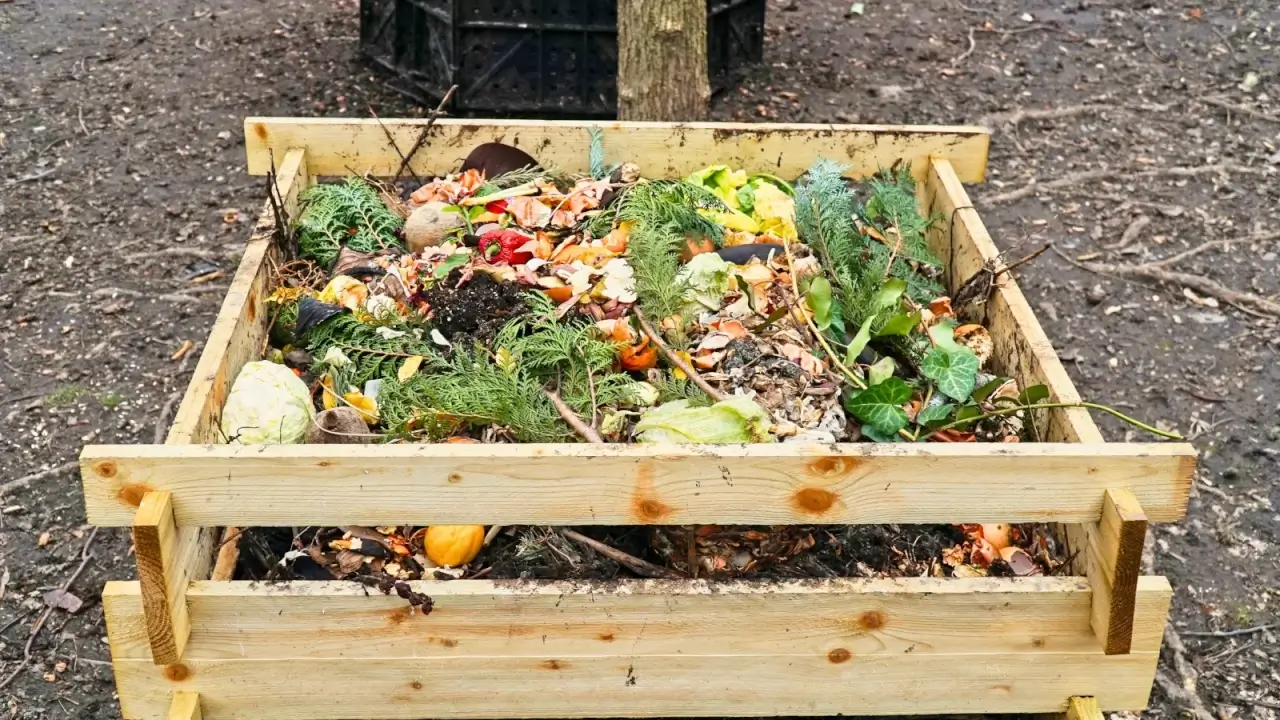
- Traditional Composting:Pile kitchen waste with garden scraps. Turn it often to speed decay.
- Vermicomposting:Use worms to break down food scraps quickly in a bin.
- Bokashi Composting:Ferment waste in a sealed container before adding to soil.
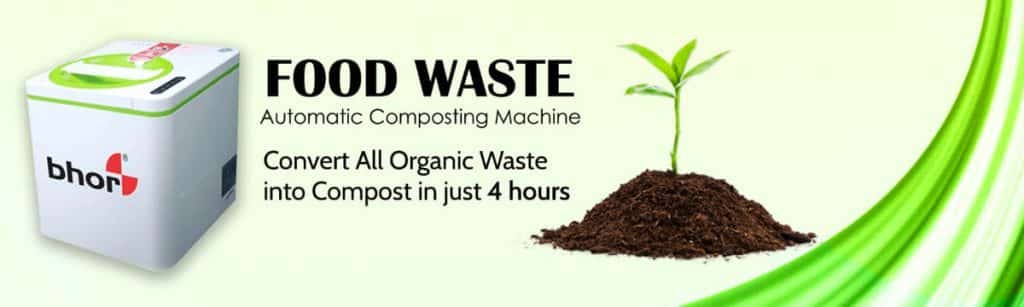
- Electric Composters:Use machines to heat and break down waste fast.
Credit: www.recyclecoach.com
Factors Affecting Compost Time
Composting kitchen waste is a great way to reduce trash and create rich soil. The time it takes to compost depends on several key factors.
Understanding these factors helps you manage your compost better and get results faster.
Material Composition
The types of kitchen waste affect how fast compost breaks down. Green materials like fruit scraps and coffee grounds decompose quickly. Brown materials like dry leaves and paper take longer.
- Green materials provide nitrogen
- Brown materials add carbon
- Balance between green and brown speeds composting
- Too much green can cause bad smells
- Too much brown slows down the process
Moisture Levels
Moisture is important for compost microbes. The compost should feel like a damp sponge. Too much water makes it soggy and slow. Too little water stops decomposition.
Temperature Impact
Temperature controls how fast microbes break down waste. Warm compost (around 130°F to 150°F) speeds up decomposition. Cold compost slows the process. Compost piles that stay warm finish faster.
Aeration And Turning
Air helps microbes breathe and work well. Turning compost adds oxygen and mixes materials. Regular turning prevents bad smells and speeds composting.
| Turning Frequency | Effect on Compost Time |
| Daily | Fastest composting, 2-4 weeks |
| Weekly | Moderate speed, 4-8 weeks |
| Monthly | Slow composting, 8-12 weeks |
| Never | Very slow, several months |
Particle Size
Small pieces break down faster. Chopping or shredding kitchen waste helps speed composting. Large pieces take more time to decompose.
Composting Timelines For Common Kitchen Waste
Composting kitchen waste helps reduce trash and makes nutrient-rich soil. Different foods break down at different speeds.
Knowing how long each type takes helps you manage your compost better. Here are common kitchen scraps and their composting times.
Fruit And Vegetable Scraps
Fruit and vegetable scraps break down quickly. They usually take 2 to 6 weeks to compost fully.
Soft fruits like bananas decompose faster than harder vegetables like carrots. Chop scraps into small pieces to speed up composting.
Coffee Grounds And Tea Bags
Coffee grounds and tea bags break down in about 2 to 4 months. They add nitrogen to the compost, which helps microbes grow.
Remove any staples from tea bags before composting. Used coffee filters compost faster than plastic-lined ones.
Eggshells
Eggshells take longer to break down, usually 3 to 6 months. Crushing them into small pieces helps speed the process.
They add calcium to the compost, which benefits plants. Whole shells take longer to compost than crushed ones.
Bread And Grains
Bread and grains break down in about 2 to 4 weeks. They are rich in carbohydrates and provide food for microbes.
Avoid adding large amounts of bread at once. It can attract pests and cause odor problems.
Meat And Dairy Considerations
Meat and dairy take a long time to compost, often several months. They can also attract pests and cause bad smells.
Use special compost bins if you want to compost these items. Otherwise, it’s better to avoid adding them to regular compost piles.
Speeding Up The Composting Process
Composting kitchen waste can take weeks or months. You can make it faster with some simple actions. These steps help break down waste quicker.
Faster composting means you get rich soil sooner. It also reduces bad smells and pests. Follow these tips to speed up your compost.
Chopping And Shredding
Cut kitchen scraps into small pieces. Smaller bits break down faster than big chunks. Use scissors or a knife to chop waste.
Shredding materials like paper also helps. It increases surface area for microbes to work on. This speeds up the composting process a lot.
Balancing Greens And Browns
Compost needs a good mix of greens and browns. Greens are wet and rich in nitrogen. Browns are dry and full of carbon.
The right balance helps microbes grow fast. Too many greens cause bad smells. Too many browns slow down composting.
- Greens: vegetable scraps, coffee grounds, fresh grass
- Browns: dry leaves, cardboard, paper, sawdust
- Ideal mix: about 2 parts browns to 1 part greens
Maintaining Proper Moisture
Compost should feel like a damp sponge. Too dry slows down microbes. Too wet causes bad smells and slows composting.
Check moisture often. Add water if it is dry. Add dry browns if it is too wet. Good moisture speeds up the process.
Regular Turning
Turn your compost pile every few days. This adds air and mixes materials. Air helps microbes work faster.
Turning also prevents bad smells. It spreads moisture and heat evenly. Regular turning shortens compost time.
Using Compost Accelerators
Compost accelerators add helpful microbes to the pile. These microbes break down waste faster. You can buy them or use natural options.
Examples include finished compost, garden soil, or manure. Add small amounts to boost composting speed. They help start the process quickly.
Troubleshooting Slow Composting
Composting kitchen waste is a great way to reduce trash and create rich soil. Sometimes, the process takes longer than expected. This guide helps you find common problems and fix them.
Slow composting can happen for many reasons. Knowing how to fix these issues will speed up the breakdown of your kitchen scraps.
Common Problems
Slow composting often happens when the pile lacks balance. You may have too much green or brown material, or the pile might be too wet or dry. Lack of air can also slow the process.
- Too much wet or green waste causes odors and slows decomposition.
- Too much dry or brown material makes the pile dry and slow.
- Pile is compacted and lacks oxygen.
- Temperature is too low for microbes to work fast.
How To Fix Odors
Bad smells come from too much moisture or too many green materials. To fix odors, add dry brown materials like shredded paper or dry leaves. Turn the pile to add air and reduce wetness.
- Add dry leaves, cardboard, or paper to absorb moisture.
- Mix the pile to increase airflow and reduce smell.
- Cover fresh food scraps with a layer of brown materials.
Dealing With Pests
Pests are attracted to food scraps left on the surface. Keep pests away by burying food under a layer of brown materials. Use a closed bin or compost tumbler to keep animals out.
| Pest | Cause | How to Prevent |
|---|---|---|
| Flies | Exposed food scraps | Cover scraps with browns |
| Rats | Open compost bins | Use sealed bins |
| Ants | Dry compost | Keep pile moist |
Adjusting Moisture And Aeration
Moisture and air are key for fast composting. The pile should feel like a damp sponge, not wet or dry. Turning the pile helps add oxygen and speeds up decay.
- If the pile is too wet, add dry brown materials and turn it more often.
- If the pile is too dry, sprinkle water and mix it well.
- Turn the compost every few days to add air.
Using Finished Compost
Finished compost is the dark, crumbly soil-like material left after kitchen waste breaks down. It is rich in nutrients and helps plants grow strong.
You can add finished compost to your garden soil to improve its quality and support healthy plants.
How To Identify Ready Compost
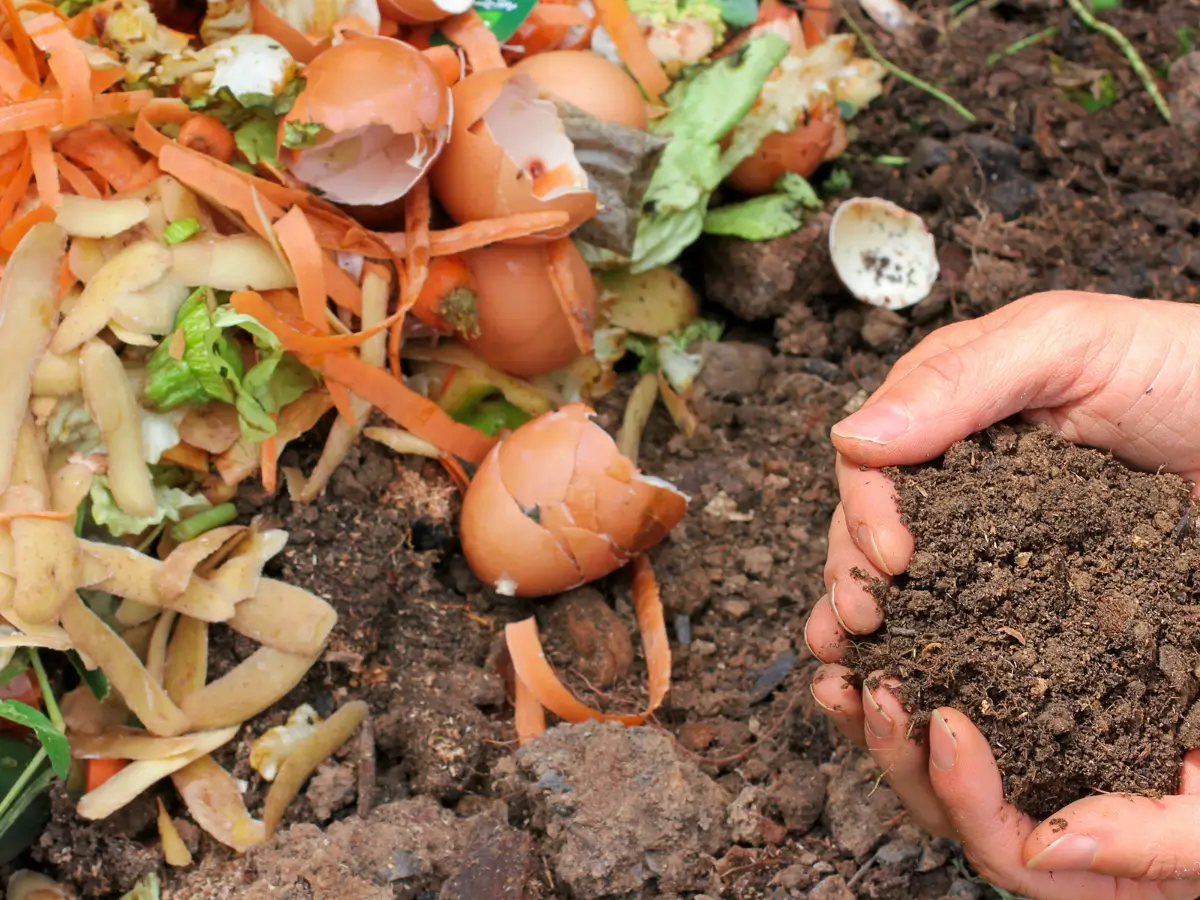
Ready compost looks dark brown or black and crumbles easily in your hand. It should smell like fresh earth, not rotten or sour.
You will no longer see food scraps, eggshells, or large pieces of kitchen waste. The compost feels moist but not wet or dry.
- Dark color like soil
- Earthy, fresh smell
- Crumbly texture
- No visible food scraps
- Moist but not soggy
Benefits For Your Garden
Adding finished compost improves soil health and helps plants absorb water and nutrients better. It also supports helpful soil organisms.
Compost encourages strong root growth and increases your garden’s ability to resist pests and diseases naturally.
- Improves soil texture and fertility
- Increases moisture retention
- Supports beneficial microbes and worms
- Boosts plant growth and health
- Reduces need for chemical fertilizers
Storage Tips
Store finished compost in a dry, shaded area to keep it fresh and prevent it from drying out or getting too wet. Use a covered container if possible.
If you plan to keep compost for a long time, turn it occasionally to keep air flowing and prevent bad smells.
- Keep compost dry and shaded
- Use a covered bin or container
- Turn compost to add air
- Avoid storing in direct sunlight
- Use within a few months for best results
Credit: modernfarmer.com
Frequently Asked Questions
How Long Does Kitchen Waste Take To Compost?
Kitchen waste typically takes 2 to 6 months to fully compost. Factors like temperature, moisture, and aeration speed up decomposition. Properly balanced green and brown materials help create nutrient-rich compost faster.
What Affects Composting Time For Kitchen Scraps?
Composting time depends on moisture, temperature, and material type. High moisture and warmth speed up breakdown. Harder items like fruit peels take longer. Regular turning and shredding also reduce composting duration.
Can Composting Kitchen Waste Be Faster?
Yes, composting can be faster with proper care. Chop scraps into small pieces, maintain moisture, and turn the pile often. Adding compost activators or worms speeds up the process significantly.
Is Kitchen Waste Composting Safe At Home?
Yes, kitchen waste composting is safe if managed well. Avoid meat, dairy, and oily foods to prevent pests and odors. Use a sealed bin and regularly aerate to keep compost healthy.
Conclusion
Composting kitchen waste takes time but is worth the effort. It usually takes a few weeks to several months. Factors like temperature, moisture, and waste type affect the speed. Turning the compost helps it break down faster. Patience leads to rich soil for your plants.
Start small and watch your kitchen scraps transform. Composting helps reduce waste and supports a healthy environment. Try it today and enjoy the benefits of natural recycling.