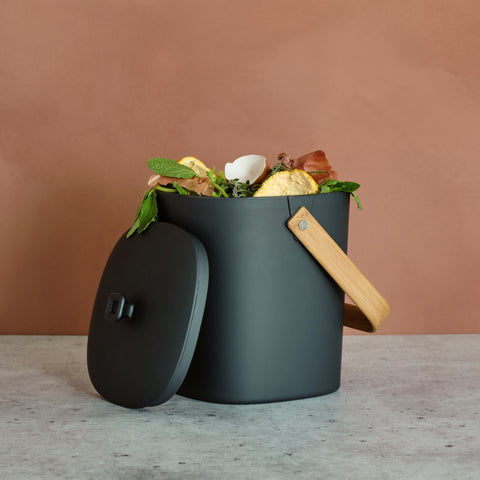
Are you wondering, Does a Kitchen Compost Bin Need Air Holes? You might think it’s a small detail, but it can make a big difference in how well your compost breaks down.
If your bin doesn’t get enough air, it could lead to bad smells or slow decomposition. On the other hand, too much air might dry out your scraps. You’ll discover why air holes matter, how they affect your compost, and simple tips to keep your kitchen compost bin working perfectly.
Keep reading to make your composting easier and more effective!
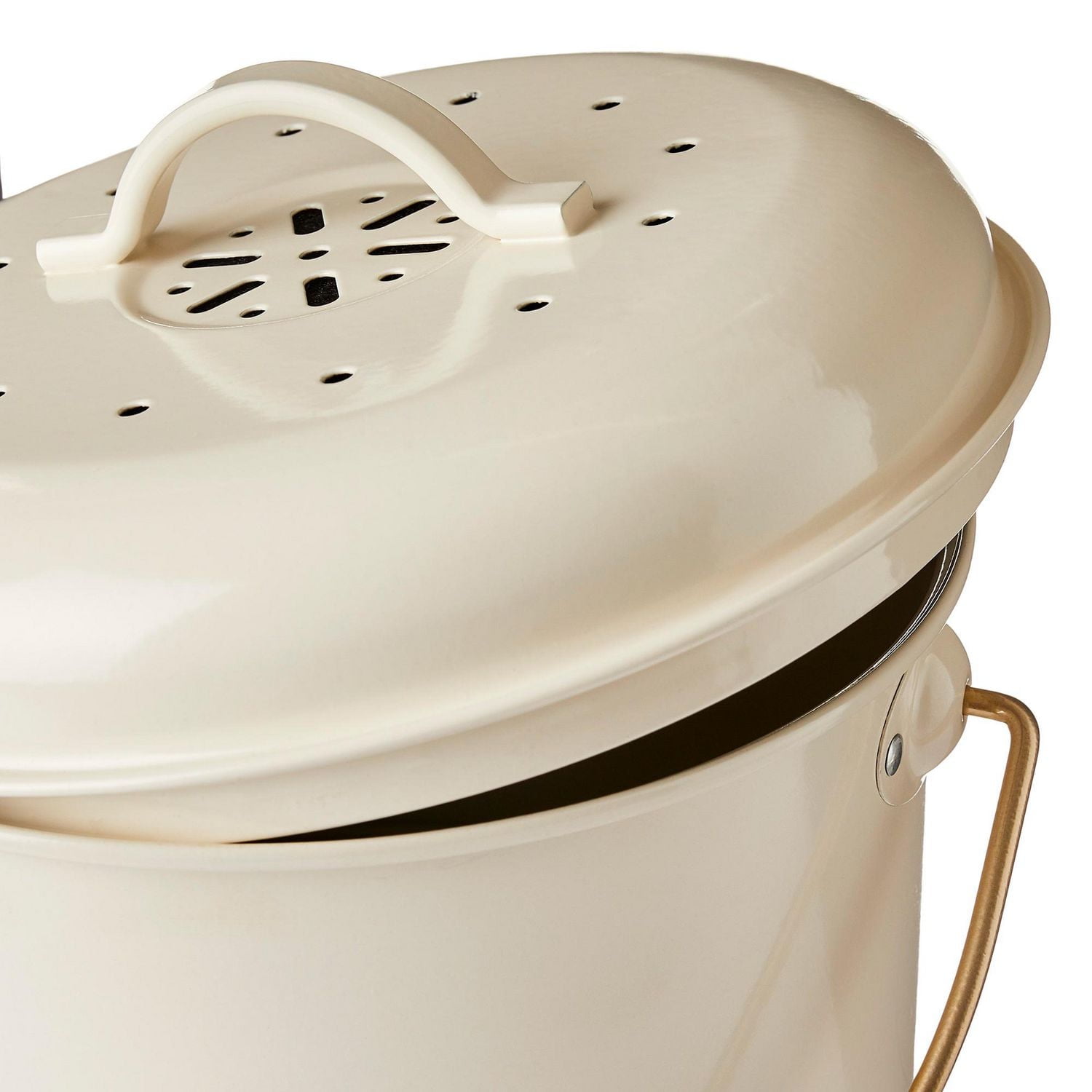
Credit: www.walmart.ca
Why Airflow Matters
A kitchen compost bin collects food scraps for composting. Airflow inside the bin helps the compost break down well. Without air, the compost may rot instead of decomposing.
Good airflow keeps the right environment inside the bin. It helps control smell and speed up the composting process.
Role Of Oxygen In Composting
Oxygen is a key part of composting. It helps good bacteria and organisms break down food waste. These organisms need oxygen to live and work fast.
When air flows through the compost, it keeps oxygen levels high. This helps compost break down faster and stops bad smells.
- Oxygen feeds helpful microbes
- It speeds up decomposition
- Prevents harmful bacteria growth
- Keeps compost smell fresh
Dr. Robert D. Metting, a leading soil microbiologist, emphasizes the chemical necessity of oxygen: "Composting is essentially a controlled form of microbial oxidation. Aerobic microbes, which thrive with oxygen, are efficient and produce harmless byproducts like carbon dioxide and water vapor. Without adequate ventilation, the process shifts to anaerobic decay, producing volatile organic compounds like methane and hydrogen sulfide—the primary culprits behind the noxious odors. Therefore, air holes are not just helpful; they are fundamental to achieving odor-free, high-quality compost."
Effects Of Poor Ventilation
Without enough air holes, compost can become smelly and slow to break down. Lack of oxygen causes bad bacteria to grow. This makes the compost wet and slimy.
Poor ventilation also causes the compost to heat up unevenly. This stops the composting process and can attract pests.
- Slow decomposition
- Bad odors from rot
- Wet, slimy compost texture
- Pest attraction
- Uneven heat inside compost
Types Of Kitchen Compost Bins
Kitchen compost bins help recycle food scraps and reduce waste. Choosing the right bin depends on your needs and space.
Some bins have air holes to help with airflow. Others are sealed to control odors. You can also make your own compost bin at home.
Bins With Built-in Air Holes
Bins with built-in air holes allow air to flow inside. This helps the compost dry faster and stops bad smells.
These holes keep the compost from getting too wet. Proper airflow helps break down food scraps quickly.
- Air holes reduce moisture and odor
- Keep compost fresh and dry
- Best for scraps that break down fast
Sealed Compost Containers
Sealed compost containers do not have air holes. They keep smells inside the bin and prevent bugs from entering.
These containers need to be emptied more often. Without airflow, compost breaks down slower than bins with holes.
- Good for small kitchens or apartments
- Control odors well
- Requires regular emptying and cleaning
Diy Compost Bins
You can make your own compost bin using containers or buckets. Add holes if you want better airflow.
DIY bins let you customize size and shape. You control how many air holes to add based on your needs.
- Use old containers or buckets
- Add holes for airflow if desired
- Customize size for your kitchen space
Benefits Of Air Holes In Bins
Air holes in kitchen compost bins help keep the compost healthy and fresh. They allow air to flow inside the bin.
This airflow supports the natural process of breaking down food scraps. It also helps control bad smells and moisture.
Preventing Odors
Air holes stop bad smells by letting fresh air in. Without air, smelly gases can build up inside the bin.
- Air holes reduce anaerobic conditions that cause odors.
- They help compost stay fresh and smell-free.
- Good airflow keeps harmful bacteria from growing.
Speeding Up Decomposition
Air holes bring oxygen to the compost. Oxygen is needed for the microbes to work well and break down waste faster.
| Factor | Effect of Air Holes |
| Oxygen Supply | Increases microbial activity |
| Decomposition Rate | Speeds up breakdown of food scraps |
| Heat Production | Helps maintain warm compost temperature |
Reducing Moisture Build-up
Air holes help moisture escape from the bin. Too much moisture can make compost soggy and slow down decomposition.
Here are ways air holes reduce moisture problems:
- Allow water vapor to leave the bin
- Prevent water from pooling inside
- Keep compost texture balanced for microbes

Credit: savvygardening.com
Managing Moisture Without Air Holes
Kitchen compost bins sometimes do not have air holes. Moisture can build up inside the bin. Managing this moisture is important to keep the compost healthy and smell-free.
There are ways to control moisture without adding air holes. Using absorbent materials and mixing the compost regularly help balance wetness and airflow.
Using Absorbent Materials
Absorbent materials soak up extra moisture in a compost bin without air holes. They keep the compost dry and prevent bad odors from wet waste.
- Shredded newspaper or cardboard
- Dried leaves or grass clippings
- Sawdust or wood chips
- Paper towels or napkins (used sparingly)
Adding these materials in layers helps absorb liquid and keeps the compost balanced. It also improves airflow inside the pile without needing holes.
Regular Mixing Techniques
Mixing the compost often stops it from getting too wet or compacted. Stirring adds fresh air and spreads moisture evenly.
- Use a compost aerator tool or a garden fork to turn the pile.
- Mix the compost every few days for best results.
- Break up wet clumps to help dry them faster.
- Check moisture levels and add absorbent materials if needed.
| Mixing Tip | Benefit |
| Turn compost gently | Prevents damage to worms and microbes |
| Mix from bottom to top | Improves airflow throughout the bin |
| Remove large wet pieces | Helps dry the pile faster |
When Air Holes Are Not Necessary
Kitchen compost bins often have air holes to help with airflow. Air can speed up composting by letting oxygen reach the waste. Yet, air holes are not always needed for every kitchen compost bin.
Some compost bins keep waste fresh without holes. This depends on how much waste you compost and how often you empty the bin.
Composting Small Quantities
When you compost only small amounts of kitchen waste, air holes may not be needed. Small quantities dry out faster and do not produce much smell.
In this case, a sealed bin without holes can keep your kitchen neat. The waste breaks down slowly but safely inside the bin.
Frequent Waste Disposal
If you empty your kitchen compost bin often, air holes are less important. Frequent removal stops waste from sitting too long and smelling bad.
Without air holes, you avoid spills or leaks that might happen with holes. Frequent disposal keeps the bin clean and fresh.
Tips For Choosing The Right Bin
Choosing the right kitchen compost bin helps manage waste well. It keeps your kitchen clean and reduces bad smells.
You should think about size, material, and cleaning ease to pick the best bin for your needs.
Size And Capacity Considerations
Choose a bin size that fits your kitchen space and waste amount. A small bin suits a single person or couple.
- Consider how much food waste you create daily.
- Pick a bin that fits easily on your countertop or under the sink.
- Think about how often you want to empty the bin.
- Bigger bins need fewer emptying trips but take more space.
Material And Durability
Look for bins made from strong, odor-resistant materials. This keeps the bin lasting longer and smelling fresh.
| Material | Durability | Odor Control |
| Stainless Steel | High | Good |
| Plastic | Medium | Fair |
| Ceramic | Medium | Good |
| Bamboo | Low | Fair |
Ease Of Cleaning
Pick a compost bin that is easy to clean. This reduces germs and keeps your kitchen fresh.
- Look for smooth surfaces inside the bin.
- Choose bins with removable lids or inner buckets.
- Check if the bin is dishwasher safe for easy cleaning.
- A bin with fewer corners makes cleaning faster.
Maintaining Your Compost Bin
Keeping your kitchen compost bin in good shape helps it work well. Good care reduces smells and speeds up composting.
Air holes can help, but how you maintain the bin matters most. Cleanliness, layering, and watching your bin are key.
Cleaning And Odor Control
Regular cleaning stops bad smells and bugs. Wash your bin with warm soapy water every few weeks.
Use a lid with air holes to let air in. This stops bad odors by letting gases escape safely.
- Empty the bin often to avoid buildup
- Rinse the bin after emptying
- Use baking soda to absorb smells if needed
Proper Waste Layering
Layer your compost with green and brown waste. Green waste is wet and rich in nitrogen. Brown waste is dry and high in carbon.
Proper layers help air flow inside the bin. This helps the compost break down faster and stops bad smells.
- Start with a layer of dry leaves or paper
- Add food scraps and green waste on top
- Cover with a thin layer of dry material
Regular Monitoring
Check your compost bin often. Stir or mix the contents every few days to add air inside.
Look for signs of too much moisture or bad smells. Fix these by adding dry materials or cleaning the bin.
- Turn compost to add oxygen
- Add dry waste if compost is too wet
- Keep the bin in a cool, dry place
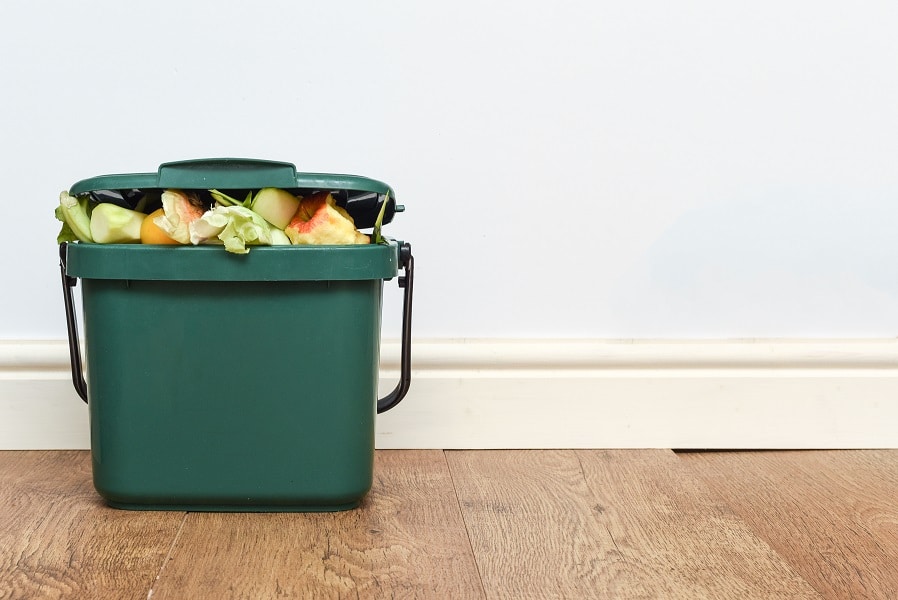
Credit: www.homebiogas.com
Frequently Asked Questions
Does A Kitchen Compost Bin Need Air Holes?
Yes, air holes are essential for a kitchen compost bin. They allow oxygen to enter, helping aerobic bacteria break down waste. Proper airflow reduces odors and speeds up decomposition, making the composting process more efficient and hygienic.
How Do Air Holes Prevent Bad Smells In Compost Bins?
Air holes improve ventilation, reducing moisture and anaerobic bacteria growth. This stops foul odors caused by decaying waste without oxygen. Proper airflow keeps the compost fresh and odor-free, making indoor composting more pleasant and manageable.
Can A Compost Bin Work Without Air Holes?
A compost bin without air holes can still work but slower. Lack of oxygen promotes anaerobic decomposition, causing bad smells and slimy waste. Air holes ensure faster, cleaner composting by supporting healthy microbial activity and proper waste breakdown.
What Size Should Air Holes Be In Kitchen Compost Bins?
Air holes should be small, around 3-5 millimeters in diameter. This size balances airflow and prevents pests or debris from entering. Properly sized holes ensure enough oxygen reaches the compost without compromising cleanliness or usability.
Conclusion
Air holes play a crucial role in kitchen compost bins. They allow fresh air in, helping materials break down properly. Without enough air, bad smells can develop. This can make composting unpleasant. Ensure your compost bin has adequate ventilation. It helps keep the process smooth and odor-free.
Remember, a well-ventilated bin supports healthy composting. So, check your bin for proper airflow. It benefits both your kitchen and the environment. Keep composting simple and effective with the right bin design. Happy composting!
To see a practical demonstration of how to build a well-ventilated, odorless indoor compost bin that manages kitchen scraps effectively, check out this DIY guide: