Can You Put Bamboo Flooring in a Kitchen is a common question for homeowners who want a fresh, natural look in their cooking space. Bamboo offers style, durability, and eco-friendliness, but since kitchens are busy and moisture-prone, it’s important to know whether this flooring is the right choice for you.
Choosing the perfect floor is crucial because it has to handle spills, heavy foot traffic, and daily wear without losing its charm. You’ll discover the truth about using bamboo flooring in your kitchen—what works, what doesn’t, and how to keep your floor looking great for years.
Keep reading to find out if bamboo is the smart, stylish choice for your kitchen makeover.

Credit: www.hgtv.com
Bamboo Flooring Basics
Bamboo flooring is a popular choice for many rooms in a house. It looks natural and adds warmth to any space.
Many people wonder if bamboo flooring works well in kitchens. Understanding its basics helps you decide.
Types Of Bamboo Flooring
There are three main types of bamboo flooring. Each type has different looks and strength.
- Horizontal: Wide, flat boards show bamboo grain in horizontal lines.
- Vertical: Thin strips create a straight, vertical pattern.
- Strand Woven: Bamboo fibers are crushed and pressed hard, making very strong flooring.
How Bamboo Is Made
Bamboo flooring starts with cutting bamboo stalks. These stalks are dried and sliced into strips.
The strips are then glued together and pressed into boards. The process changes how hard the floor will be.
- Harvest bamboo after 5-7 years
- Dry and treat the bamboo to avoid bugs
- Cut into strips and glue them
- Press strips under high pressure to form boards
- Finish with a protective coating
Durability Factors
Bamboo is strong, but its durability depends on several things. The type and finish matter a lot.
Strand woven bamboo is the hardest. Water resistance and proper care also affect how long it lasts.
- Strand woven bamboo is more durable than horizontal or vertical types
- Good finish protects against scratches and water
- Keep kitchen floors clean to avoid damage
- Use mats to reduce wear in busy areas
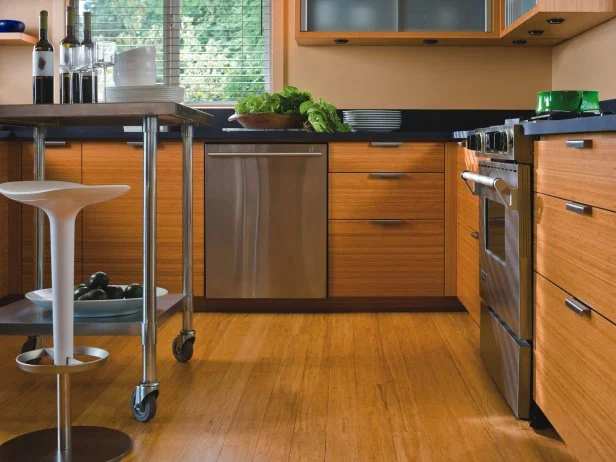
Credit: www.hgtv.com
Suitability For Kitchens
Bamboo flooring is a popular choice for many rooms. It looks warm and natural. Many people wonder if it works well in kitchens.
Kitchens have special needs for flooring. The floor must handle spills, drops, and heavy use. Let's see how bamboo fits in.
Moisture Resistance
Bamboo is more water-resistant than some hardwoods. It can handle small spills if cleaned quickly. But standing water can cause damage.
In kitchens, moisture is common from cooking and cleaning. You need to wipe up water fast to keep bamboo safe. Some bamboo floors have coatings that help resist moisture.
Wear And Tear In Kitchen Settings
Kitchens get a lot of foot traffic and dropped items. Bamboo is strong and can resist scratches better than many woods. Still, heavy pots or sharp objects may cause dents.
Choosing a high-quality, strand-woven bamboo floor can increase durability. It stands up well to daily kitchen use but not to harsh impacts.
- Resists scratches from shoes and chairs
- Can dent if heavy objects fall
- Durability depends on bamboo type and finish
Maintenance Needs
Bamboo floors need regular cleaning to stay nice. Use a dry mop or vacuum to remove dirt. Avoid wet mops that leave water behind.
Clean spills right away to stop stains and water damage. Use cleaners made for bamboo or hardwood floors. Avoid harsh chemicals that can harm the finish.
- Dry mop or vacuum regularly
- Wipe spills immediately
- Use gentle, bamboo-friendly cleaners
- Avoid standing water and harsh chemicals
Advantages In The Kitchen
Bamboo flooring works well in kitchens. It handles daily use and looks great.
Many people choose bamboo for its strong and natural qualities. It fits kitchen needs nicely.
Eco-friendly Benefits
Bamboo grows fast and can be renewed quickly. This makes it a green choice for floors.
Using bamboo helps reduce cutting down slow-growing trees. It supports a healthier planet.
- Renewable resource
- Less deforestation
- Lower carbon footprint
Aesthetic Appeal
Bamboo has a clean, natural look that fits many kitchen styles. It brings warmth and charm.
Its smooth texture and color variations add beauty. Bamboo floors brighten the space nicely.
- Natural wood grain
- Varied shades
- Modern and classic styles
Comfort And Warmth
Bamboo floors feel softer than tile or stone. They are easier on your feet and legs.
Bamboo also keeps the kitchen warmer. It does not get cold like other hard floors.
- Soft underfoot
- Warmer than tile
- Good for standing long
Drawbacks To Consider
Bamboo flooring looks attractive and natural. It is popular in many homes. But putting it in a kitchen has some problems to think about.
This section talks about some drawbacks of bamboo floors in kitchens. Knowing these can help you decide if it fits your needs.
Vulnerability To Water Damage
Bamboo is a type of grass, so it can absorb water easily. Kitchens often have spills and moisture. This can cause damage over time.
- Water can cause the bamboo to swell and warp.
- Standing water may lead to mold and mildew.
- Repeated wetting can weaken the finish and wood.
- Leaks under sinks or appliances are risky areas.
Scratches And Dents
Bamboo floors can get scratched or dented more easily than some other floors. Kitchens have heavy foot traffic and dropped items.
| Cause | Effect on Bamboo Flooring |
| Sharp kitchen tools | Deep scratches |
| Heavy pots or pans dropped | Dents and marks |
| Moving furniture | Surface wear and scratches |
| Pet nails | Small scratches and scuffs |
Cost Implications
Bamboo flooring can be more costly to maintain in a kitchen. Repairing damage and replacing parts adds to expenses.
- Water damage repair may require sanding and refinishing.
- Scratches might need professional fixing.
- Replacement planks can be expensive if damaged.
- Extra sealants or mats might be needed to protect floors.
Installation Tips For Kitchens
Bamboo flooring can be a great choice for kitchens. It is strong and looks nice. But kitchens have moisture and spills. These can harm the floor if not installed right.
Proper installation helps bamboo flooring last longer in kitchens. Follow these tips for the best results.
Choosing The Right Finish
Pick a finish that protects bamboo from water and stains. A hard finish keeps the floor safe from spills. It also makes cleaning easier.
Look for finishes like aluminum oxide or polyurethane. These finishes create a strong, moisture-resistant layer.
- Aluminum oxide finish is tough and long-lasting
- Polyurethane finish is glossy and water-resistant
- Matte finishes hide scratches better
Proper Sealing Techniques
Seal all edges and gaps to stop water from getting under the floor. This keeps the bamboo safe from swelling and damage.
Use a high-quality sealant around the kitchen perimeter. Also, seal the joints between planks if needed.
- Apply sealant along walls and cabinets
- Check for gaps after installation
- Reapply sealant every few years for protection
Recommended Underlayment
Underlayment adds cushioning and protects against moisture. Choose one that blocks water and supports bamboo flooring well.
Foam or cork underlayment works best in kitchens. They reduce noise and stop moisture from reaching the bamboo.
- Closed-cell foam underlayment is moisture resistant
- Cork underlayment is natural and sound-absorbing
- Use a vapor barrier if your subfloor is concrete
Care And Maintenance
Bamboo flooring can be a great choice for kitchens. It is durable and looks attractive. Proper care helps keep it beautiful for years.
Cleaning and protecting your bamboo floor is important. Small actions can prevent damage and extend the floor’s life.
Cleaning Best Practices
Regular cleaning removes dirt and prevents scratches. Use gentle methods to keep the bamboo safe.
- Sweep or vacuum daily to clear dust and debris.
- Use a damp mop with a mild cleaner made for wood floors.
- Avoid soaking the floor with water.
- Wipe spills immediately to prevent stains.
- Do not use harsh chemicals or abrasive tools.
Preventing Damage
Taking precautions helps avoid dents and scratches. Proper care keeps your bamboo floor looking new.
| Cause | Prevention |
| Heavy furniture | Use furniture pads or coasters |
| Moisture | Clean spills quickly and use mats |
| Sunlight | Use curtains or blinds to reduce exposure |
| High heels | Avoid walking on floor with sharp shoes |
| Dirt and grit | Regular sweeping and vacuuming |
Repair Options
Small scratches and dents can be fixed at home. Deep damage may need professional help.
- Use wood filler or wax sticks for minor scratches.
- Light sanding and refinishing can restore worn areas.
- Replace damaged planks if repair is not enough.
- Call a professional for large repairs or refinishing.
Alternatives To Bamboo Flooring
Bamboo flooring looks great but may not be best for kitchens. Kitchens have moisture and spills. These can damage bamboo over time.
There are other flooring choices that work well in kitchens. They are strong and easy to clean. Let’s explore some good alternatives.
Engineered Wood Options
Engineered wood has layers of real wood on top of plywood. It handles moisture better than solid wood. This makes it a good choice for kitchens.
- More stable with temperature changes
- Looks like real hardwood
- Easier to install than solid wood
- Can be refinished once or twice
Luxury Vinyl Planks
Luxury vinyl planks (LVP) mimic wood or stone but are waterproof. They are soft underfoot and resist scratches well.
| Feature | Benefit |
| Waterproof | Good for spills and humidity |
| Easy to Clean | Just wipe with a damp cloth |
| Comfort | Softer than tile or stone |
| Variety | Many colors and patterns |
Tile And Stone Choices
Tile and stone are very durable and water-resistant. They come in many styles like ceramic, porcelain, or natural stone.
- Long-lasting and strong
- Easy to clean and maintain
- Stay cool, good for warm climates
- Can be slippery when wet, choose textured options

Credit: www.designcafe.com
Frequently Asked Questions
Can Bamboo Flooring Be Used In Kitchens?
Yes, bamboo flooring can be used in kitchens. It is durable and water-resistant when properly sealed. However, spills should be cleaned quickly to avoid damage. Choose high-quality, strand-woven bamboo for better moisture resistance and longevity in kitchen environments.
Is Bamboo Flooring Waterproof For Kitchen Use?
Bamboo flooring is not completely waterproof but is water-resistant. Proper sealing and maintenance help protect it from moisture damage. Avoid standing water and clean spills immediately to maintain the floor’s integrity in a kitchen setting.
How Durable Is Bamboo Flooring In Kitchens?
Bamboo flooring is highly durable, especially strand-woven types. It withstands daily kitchen traffic well but can scratch or dent from heavy impacts. Regular care and using mats near sinks enhance its durability in kitchen areas.
What Maintenance Does Bamboo Flooring Need In Kitchens?
Bamboo flooring requires regular sweeping and prompt spill cleanup. Use a damp mop with mild cleaner, avoiding excess water. Periodic resealing helps maintain its water resistance and appearance, ensuring the floor lasts longer in kitchen spaces.
Conclusion
Bamboo flooring works well in kitchens. It's durable and eco-friendly. Its natural look adds warmth and style. Maintenance is easy with regular sweeping and mopping. Avoid excessive water to prevent damage. Choose a high-quality product for best results. Consider humidity levels and use mats near water sources.
Bamboo offers a sustainable choice for modern kitchens. It combines beauty with function. Ideal for families and busy homes. So, explore bamboo for your kitchen. It might just be the perfect fit.