Have you ever taken your bread out of the oven only to find it flat, dense, or oddly shaped? If you've accidentally let your dough rise too long, you might have baked over proofed bread.
But what exactly happens when this occurs? Understanding the changes in texture, flavor, and structure can help you decide whether your bread is still worth eating—or if it’s time to start fresh. Keep reading to discover why over proofing happens and how it affects your bake, so your next loaf turns out just right.
Signs Of Over Proofed Dough
Over proofed dough can ruin your bread’s texture and taste. It happens when the dough rises too much before baking.
Knowing the signs helps you avoid baking problems and get better results.
Visual Indicators
Look closely at the dough’s surface and shape to spot over proofing. The dough may look very puffy and swollen.
- The dough surface looks very loose and wrinkled.
- Large bubbles appear on the dough skin.
- The dough may collapse or flatten easily when touched.
- The color may look dull or pale instead of fresh.
Texture And Feel
Touch the dough to check its texture. Over proofed dough feels very soft and weak.
| Texture | Normal Dough | Over Proofed Dough |
|---|---|---|
| Elasticity | Springy and firm | Very loose and slack |
| Surface | Smooth and tight | Wrinkled and fragile |
| Strength | Holds shape well | Collapses easily |
Effects On Bread Structure
Baking over proofed bread changes the bread's structure. It affects how the bread feels and looks.
Over proofing means the dough rises too long. This causes changes inside and outside the bread.
Crumb Texture Changes
When bread is over proofed, the crumb becomes weak and uneven. The holes inside may be very large or collapse.
The crumb can feel gummy or dense because the dough loses strength. The bread may not hold its shape well.
- Large, irregular holes in the crumb
- Dense or gummy texture
- Crumb that easily falls apart
- Less chewiness and structure
Crust Appearance
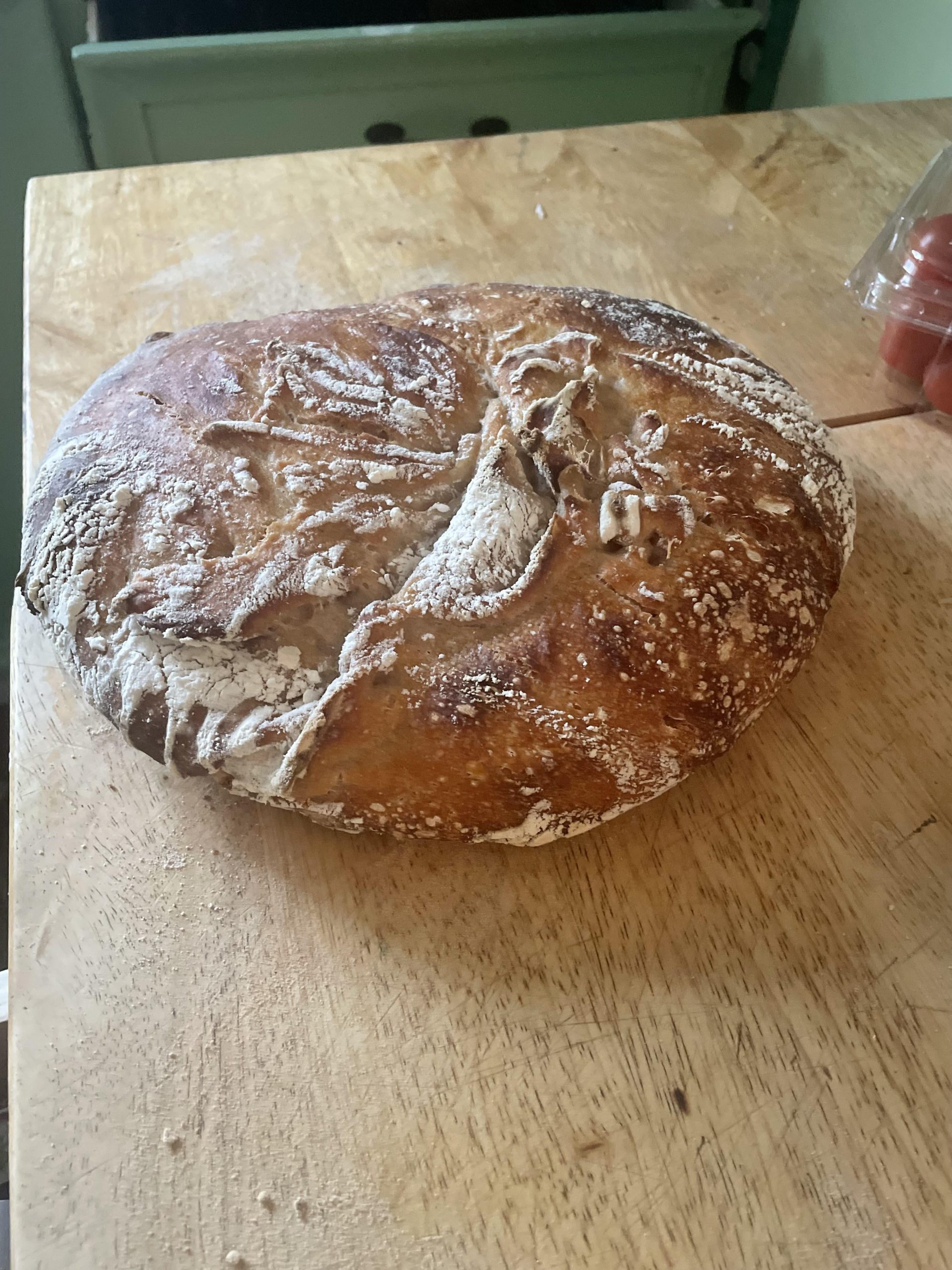
Over proofed bread often has a pale crust. The crust may be thin and soft instead of crisp.
Crust cracks or splits can appear because the dough expands too much in the oven. The shape might look flat or misshapen.
- Pale or light-colored crust
- Thin, soft crust texture
- Cracks or splits on the crust
- Flat or uneven loaf shape
Flavor Alterations
Baking over proofed bread changes the flavor in many ways. The dough ferments longer than it should.
This extra fermentation affects taste and aroma. The bread can become sour and have a strong yeast flavor.
Sourness Levels
Over proofed bread often tastes more sour than normal bread. The acids build up during the long fermentation.
The sourness can be too strong for some people. It can mask other flavors in the bread.
- Extra lactic acid increases sour taste
- Acetic acid adds sharpness
- Excess sourness may overpower sweetness
Yeast And Fermentation Impact
Yeast keeps working even after dough is over proofed. This changes the flavor and texture of the bread.
The long fermentation breaks down starches and sugars. This creates more complex and sometimes unwanted flavors.
- Increased alcohol and gas production
- Stronger yeast aroma and taste
- Possible off-flavors from over fermentation

Credit: www.reddit.com
Baking Performance Issues
Over proofed bread dough has risen too much before baking. This affects how the bread bakes and looks.
Understanding these problems helps bakers avoid poor bread quality and wasted ingredients.
Oven Spring Reduction
Oven spring is the bread's rise during the first minutes of baking. Over proofed dough has less strength to rise.
The yeast has used most of its gas before baking. This leaves little gas to expand in the oven.
- Less gas means smaller rise in the oven
- Dough can collapse instead of rising
- Crumb becomes denser and less airy
Shape And Volume Problems
Over proofed bread dough loses its elasticity. This causes poor shape and low volume after baking.
The dough may spread out flat or collapse. It does not hold its form well in the oven.
- Bread may look flat and wide instead of tall
- Crust can crack or break due to weak structure
- Overall volume is smaller than expected
Common Mistakes Leading To Over Proofing
Baking bread requires careful control of many factors. Over proofing happens when dough rises too long or at the wrong temperature.
This causes bread to lose its shape and texture. Understanding common mistakes helps avoid over proofing problems.
Temperature Control Errors
One of the main reasons for over proofing is incorrect temperature. Too warm an environment speeds up yeast activity.
- Setting the proofing area above 80°F (27°C) can cause dough to rise too fast.
- Not monitoring oven or room temperature can lead to unexpected warm spots.
- Using warm water instead of lukewarm water when mixing dough boosts fermentation too much.
- Ignoring seasonal temperature changes affects proofing time.
Timing Misjudgments
Estimating proofing time wrong leads to over proofed dough. Timing depends on dough type, temperature, and humidity.
| Common Timing Mistakes | Effect on Dough |
|---|---|
| Leaving dough to rise too long | Dough becomes too airy and collapses |
| Not checking dough during proofing | Missed signs of over proofing like puffiness |
| Following recipes without adjusting for environment | Proofing time may be too long or short |
| Rushing proofing to save time | Dough may be under proofed but can also lead to uneven texture |

Credit: www.reddit.com
How To Fix Over Proofed Dough
Over proofed dough can cause bread to collapse or bake poorly. It happens when the dough rises too much and the yeast exhausts its food.
You can save over proofed dough with a few simple methods. These steps help restore texture and improve the final loaf.
Punching Down Technique
Punching down the dough lets you release extra gas and redistribute yeast. This step helps the dough regain strength and structure.
- Gently press your fist into the center of the dough.
- Push down just enough to deflate the dough without tearing it.
- Turn the dough out onto a clean surface to remove air bubbles.
- Knead lightly to even out the texture.
- Let the dough rest for 10 to 15 minutes before reshaping.
Re-shaping Tips
After punching down, shaping the dough correctly helps improve the bread’s rise and crumb.
| Tip | Explanation |
|---|---|
| Use light flour dusting | Prevents sticking without drying the dough. |
| Shape with gentle tension | Creates a tight surface to hold gas inside. |
| Seal edges well | Keeps the dough from opening during baking. |
| Place seam side down | Helps the loaf keep its shape while rising. |
| Allow second rise | Let dough rest until slightly puffed before baking. |
Preventing Over Proofing
Over proofing bread dough can ruin its texture and taste. It causes the dough to collapse and lose its shape.
Knowing how to prevent over proofing helps you bake better bread every time.
Optimal Proofing Conditions
Keeping the right temperature and humidity is key to good proofing. Too warm or too cold can affect the dough.
- Keep the proofing area between 75°F and 80°F (24°C to 27°C).
- Maintain humidity around 75% to keep the dough moist.
- Avoid drafts or sudden temperature changes near the dough.
- Use a covered container or proofing box to control conditions.
Monitoring Methods
Watch the dough carefully to know when it is ready. Use simple tests to check proofing progress.
| Method | Description | What to Look For |
| Finger Test | Press the dough lightly with a finger. | Dough springs back slowly but leaves a small dent. |
| Volume Check | Note the dough size before proofing. | Dough should roughly double in size. |
| Time Tracking | Follow recipe times as a guide. | Adjust based on room conditions and dough response. |

Credit: www.reddit.com
Frequently Asked Questions
What Does Over Proofed Bread Look Like When Baked?
Over proofed bread often has a flat, dense appearance. The crust may be pale and soft. It lacks oven spring and can have large, irregular holes inside.
Can You Still Eat Over Proofed Bread?
Yes, over proofed bread is safe to eat. However, its texture is usually dense and crumbly. Flavor may be slightly sour or bland compared to properly proofed bread.
How Does Baking Affect Over Proofed Dough?
Baking over proofed dough results in poor oven rise. The bread may collapse or spread out. The crumb structure becomes uneven and gummy in texture.
Why Does Over Proofed Bread Have A Sour Taste?
Excess fermentation produces more acids, causing sour flavors. Over proofing allows yeast to consume sugars completely. This results in a tangier, sometimes unpleasant taste.
Conclusion
Baking over-proofed bread can lead to unexpected results. The bread may collapse. It can also have a dense texture. The flavor might taste overly sour. These effects change the bread's quality. Understanding proofing helps avoid these issues. Practice makes perfect.
With time, you'll know when dough is ready. Baking bread is an art and science. Experiment and learn from each attempt. Enjoy the journey of baking. Each loaf tells a story. Keep perfecting your skills. Happy baking!