

How to Cook Pork Chops in Convection Oven is easier than you think. Are you ready to make juicy, tender pork chops with a perfect golden crust? Using your convection oven can take your dinner to the next level.
Whether you’re short on time or just want a foolproof method, this guide will show you exactly how to get the best results every time. Keep reading to discover simple steps and insider tips that will turn your pork chops into a mouthwatering meal you’ll want to make again and again.

Credit: www.convectionkitchen.com
Choosing The Right Pork Chops
Cooking pork chops in a convection oven starts with choosing the right cut. The type of pork chop affects cooking time and taste.
Knowing the differences helps you get juicy and tender results every time.
Bone-in Vs Boneless
Bone-in pork chops have the bone attached, which adds flavor. They also cook a bit slower than boneless chops.
Boneless pork chops are easier to eat and cook faster. They dry out more quickly, so watch the cooking time closely.
- Bone-in chops: more flavor, longer cooking time
- Boneless chops: quick cooking, less flavor
- Choose based on taste and cooking speed
Thickness Matters
Thicker pork chops stay juicy and are less likely to dry out. They need more time in the oven to cook through.
Thin pork chops cook fast but can become tough if overcooked. Adjust oven time based on the chop thickness.
- Thick chops (1 inch or more): juicy, longer cooking time
- Thin chops (less than 1 inch): quick cooking, risk of dryness
- Use a meat thermometer for best results
Fresh Vs Frozen
Fresh pork chops usually taste better and cook more evenly. They are ready to cook right away.
Frozen pork chops need to be thawed before cooking. Cooking from frozen can lead to uneven results and dry meat.
- Fresh chops: better flavor, even cooking
- Frozen chops: require thawing for best results
- Thaw in the fridge overnight before cooking
Prepping Pork Chops For Cooking
Preparing pork chops well makes cooking easier and tastier. Proper prep helps the meat cook evenly and stay juicy.
Use different methods to add flavor and keep pork chops moist. This guide covers seasoning, marinating, and brining.
Seasoning Options
Seasoning adds flavor to pork chops. Simple spices or herb blends work well. Apply seasoning before cooking.
- Salt and black pepper for basic taste
- Garlic powder and onion powder for aroma
- Paprika or chili powder for mild heat
- Fresh herbs like rosemary or thyme
- Pre-made pork rubs from the store
Marinating Tips
Marinating softens pork and adds deep flavor. Use an acid like vinegar or lemon juice with oil and spices.
- Choose a marinade with acid, oil, and seasonings.
- Place pork chops in a ziplock bag or bowl.
- Pour marinade over the meat and seal or cover.
- Refrigerate for 30 minutes to 4 hours.
- Remove pork chops and pat dry before cooking.
Brining Benefits
Brining keeps pork chops juicy and tender. Salt in the brine helps the meat hold moisture during cooking.
| Brine Ingredient | Purpose |
| Water | Base for dissolving salt and sugar |
| Salt | Enhances moisture retention |
| Sugar | Adds slight sweetness and balances salt |
| Optional Herbs | Extra flavor (e.g., bay leaves, peppercorns) |
Setting Up Your Convection Oven
Cooking pork chops in a convection oven can be quick and tasty. Proper oven setup helps cook the meat evenly and keeps it juicy.
This guide explains how to set your convection oven for perfect pork chops every time.
Temperature Settings
Set your convection oven temperature lower than a regular oven. The fan circulates hot air, so food cooks faster.
For pork chops, set the temperature to 375°F (190°C). This heat cooks the pork evenly without drying it out.
- Preheat the oven to 375°F (190°C)
- Avoid setting temperature above 400°F to prevent dryness
- Use a meat thermometer to check doneness at 145°F (63°C)
Rack Placement
Place the oven rack in the middle position. This spot ensures even heat reaches the pork chops from all sides.
Keeping the pork chops away from the oven walls helps air circulate well, cooking the meat evenly.
- Use the middle rack for balanced cooking
- Do not overcrowd the pan to allow air flow
- Leave space around pork chops for even heat
Using Oven Accessories
Use a baking tray or roasting pan with a rack. This lifts pork chops and lets hot air flow underneath.
Aluminum foil or parchment paper can help with cleanup but avoid covering pork chops directly.
- Place pork chops on a wire rack inside a baking tray
- Use oven-safe pans for best heat conduction
- Line trays with foil or parchment for easy cleaning
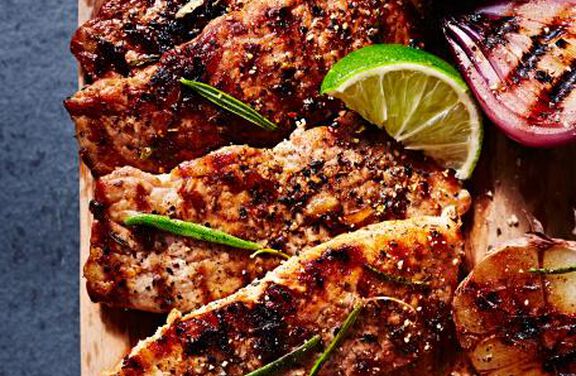
Credit: www.cuisinart.com
Cooking Techniques For Crispy Pork Chops
Crispy pork chops are a treat that many enjoy. Using a convection oven helps make them golden and crunchy.
This guide explains how to dry the surface, apply coatings, and manage timing and flipping for perfect pork chops.
Drying The Surface
Dry the pork chops before cooking to get a crispy crust. Use paper towels to remove all moisture.
Wet surfaces steam during cooking. This stops the outside from getting crispy.
Applying Coatings
Coatings add flavor and crunch to pork chops. Use breadcrumbs, flour, or crushed crackers for a crispy layer.
Lightly coat the chops with oil or beaten egg. This helps the coating stick better to the meat.
- Season the coating with salt, pepper, and spices
- Press the coating firmly on both sides
- Use a thin, even layer of coating for best results
Timing And Flipping
Cook pork chops in the convection oven at 400°F (200°C). This heat crisps the outside fast.
Flip the pork chops halfway through cooking. This helps both sides brown evenly and stay juicy inside.
- Cook about 12-15 minutes total for 1-inch thick chops
- Flip once at the halfway point
- Check internal temperature to reach 145°F (63°C)
Monitoring And Testing Doneness
Cooking pork chops in a convection oven needs careful attention to doneness. Checking the meat ensures it is safe and juicy.
There are two main ways to check pork chops: using a meat thermometer and observing visual and texture cues.
Using A Meat Thermometer
A meat thermometer gives an exact temperature inside the pork chop. This method is the safest for checking doneness.
- Insert the thermometer into the thickest part of the chop.
- Make sure the thermometer does not touch bone or fat.
- Wait for the temperature to stabilize before reading.
- Look for an internal temperature of 145°F (63°C) for safe eating.
- After removing from the oven, let the pork rest for 3 minutes to finish cooking.
Visual And Texture Cues
Besides a thermometer, you can check pork chops by how they look and feel.
| Sign | What It Means |
| Color | Light pink center is safe; bright red means undercooked. |
| Juices | Clear juices show the meat is done; pink juices mean cook more. |
| Texture | Firm but springy meat feels cooked; very soft feels raw. |
| Edges | Browned edges show proper cooking and flavor development. |
Serving And Storing Leftovers
Knowing how to serve and store leftover pork chops keeps your meal tasty and safe. Proper handling helps keep the meat juicy and fresh for later use.
Here are tips on resting the meat, pairing side dishes, and storing leftovers correctly after cooking pork chops in a convection oven.
Resting Time
Let pork chops rest for 5 to 10 minutes after cooking. This allows juices to settle inside the meat. Resting makes the pork chops more tender and flavorful when you eat them.
Side Dish Pairings
- Steamed green beans with lemon zest
- Mashed potatoes with garlic butter
- Roasted carrots and parsnips
- Fresh garden salad with vinaigrette
- Apple sauce or cranberry chutney
These sides add color and balance to your meal. They bring fresh and rich flavors that match pork chops well.
Storage Tips
| Storage Method | Instructions | Duration |
| Refrigerate | Place pork chops in airtight container or wrap tightly in foil. | 3 to 4 days |
| Freeze | Wrap each chop in plastic wrap, then foil. Use freezer bags. | 2 to 3 months |
| Reheat | Warm in oven at 325°F (160°C) or microwave until hot. | Use within 1 day after reheating |
Always cool pork chops to room temperature before storing. Avoid leaving cooked meat out longer than two hours to keep it safe.
Troubleshooting Common Issues
Cooking pork chops in a convection oven can be quick and easy. Still, some problems might arise during cooking. These issues can affect taste and texture.
Knowing how to fix common problems helps you get better results. Here are tips for avoiding dryness, soggy coatings, and adjusting for oven differences.
Avoiding Dryness
Dry pork chops happen when they cook too long or at too high a temperature. Overcooking removes moisture, making them tough.
Use a meat thermometer to check the temperature. Cook pork chops to 145°F (63°C) and then let them rest to keep juices inside.
- Cook at 350°F (175°C) for even heat
- Check internal temperature early
- Rest meat for 5 minutes before serving
Preventing Soggy Coatings
Soggy coatings happen when moisture builds up or coatings don’t crisp. Convection ovens help by circulating hot air.
Make sure to dry pork chops well before breading. Use a wire rack to let air flow around meat while cooking.
- Pat pork chops dry with paper towels
- Use a light coating of oil or spray
- Cook on a wire rack, not a flat pan
- Avoid covering chops while cooking
Adjusting For Oven Variations
Not all convection ovens cook the same. Some run hotter or cooler, and air flow can differ. Adjust cooking times and temps.
Try lowering the temperature by 25°F (15°C) from your recipe’s instructions. Check pork chops early to avoid overcooking.
- Test your oven with a thermometer
- Lower temperature slightly for convection
- Use timers and check meat often
- Adjust based on how your oven cooks

Credit: www.101cookingfortwo.com
Frequently Asked Questions
How Long To Cook Pork Chops In Convection Oven?
Cook pork chops at 375°F for 20-25 minutes in a convection oven. Use a meat thermometer to ensure an internal temperature of 145°F for safe consumption. Adjust time based on thickness and oven variations for perfect juiciness.
Should Pork Chops Be Covered When Cooking?
No, pork chops should not be covered in a convection oven. Leaving them uncovered allows even air circulation and promotes a crispy outer crust. Covering traps moisture, which can make the chops soggy and less flavorful.
Can I Cook Frozen Pork Chops In Convection Oven?
Yes, you can cook frozen pork chops in a convection oven. Increase cooking time by 50% and cook at 350°F. Always check internal temperature to ensure pork reaches 145°F before serving for safe eating.
What Temperature Is Best For Pork Chops In Convection Oven?
Set the convection oven temperature to 375°F for optimal pork chop cooking. This temperature allows even cooking and a nicely browned exterior without drying out the meat. Monitor internal temperature to avoid overcooking.
Conclusion
Cooking pork chops in a convection oven is simple and satisfying. Follow the steps to get juicy, delicious results every time. Season well for enhanced flavor. Preheat the oven for even cooking. Check doneness with a meat thermometer for safety.
Let the pork chops rest before serving. This keeps them juicy. Enjoy your perfectly cooked pork chops with your favorite sides. Experiment with different seasonings and marinades. Cooking at home can be fun and tasty. With practice, you'll find your perfect method.
Happy cooking!


