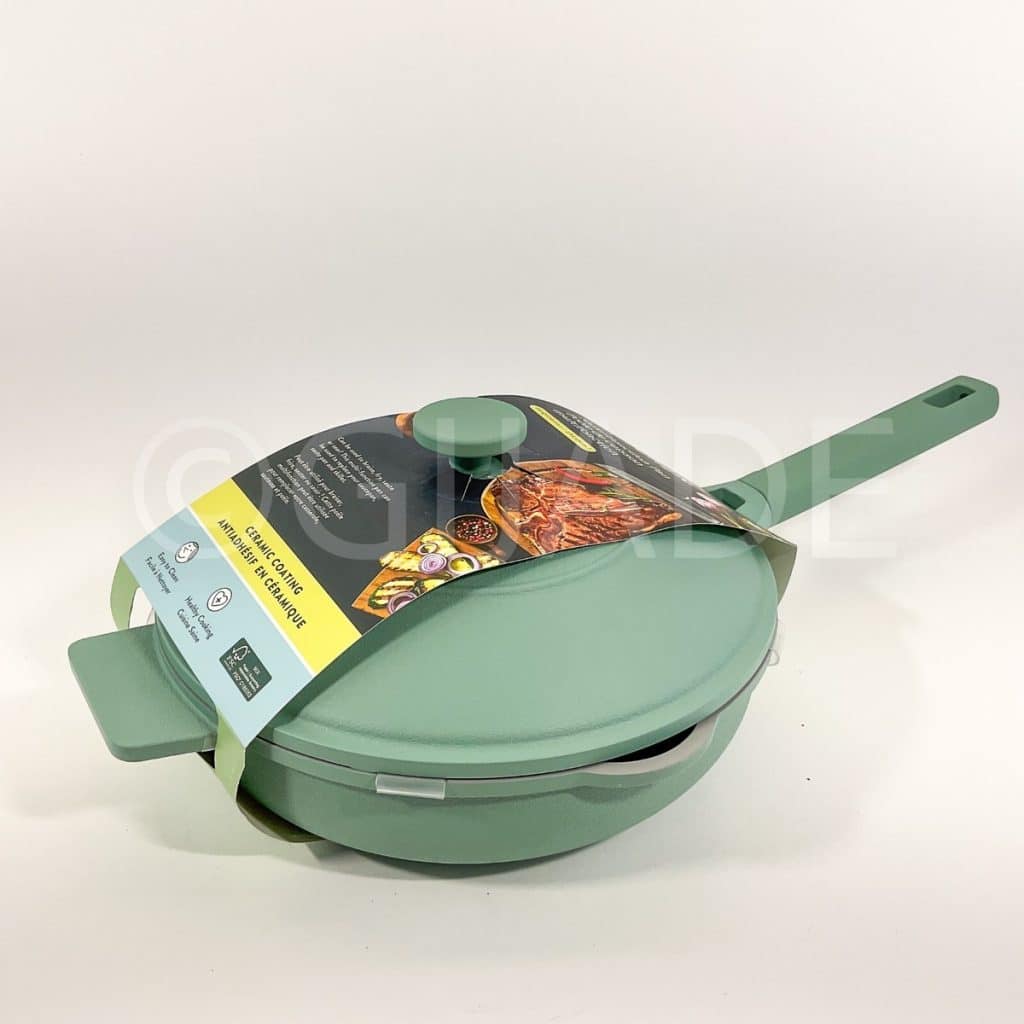
Authentic Kitchen Frying Pan: Best Picks for 2026
Imagine the aroma of sizzling food wafting through your kitchen, perfectly seared and cooked to perfection. The secret?
An authentic kitchen frying pan that transforms everyday meals into culinary masterpieces. If you’ve ever found yourself frustrated with uneven cooking or sticky surfaces, you’re not alone. You deserve a frying pan that delivers not just on quality but also on performance.
We’re diving into everything you need to know about authentic kitchen frying pans. Discover how the right pan can elevate your cooking experience, boost your confidence in the kitchen, and make every meal a joy to prepare. Stick with us, because your journey to better cooking begins right here.
Choosing The Right Frying Pan
Picking the right frying pan helps you cook better meals. It makes cooking easier and safer.
Many factors affect your choice. Think about material, size, shape, and handle design.
Material Types And Benefits
Frying pans come in many materials. Each type has its own advantages.
- Cast Iron: Heats evenly and keeps heat well. Great for searing and frying.
- Stainless Steel: Durable and resistant to rust. Good for browning food.
- Non-stick: Easy to clean and uses less oil. Best for delicate foods.
- Aluminum: Lightweight and heats quickly. Often coated to prevent sticking.
Size And Shape Considerations
Choose a pan size that fits your cooking needs. The shape affects how you cook.
| Size | Best Use | Common Diameter |
| Small | Single servings or small meals | 8 inches (20 cm) |
| Medium | Everyday cooking for 2-3 people | 10 inches (25 cm) |
| Large | Families or batch cooking | 12 inches (30 cm) and above |
Round pans work well for most cooking. Square or rectangular pans offer more surface area.
Handle Design And Safety
A good handle gives you control and comfort. It also keeps you safe while cooking.
- Look for heat-resistant handles to avoid burns.
- Check if the handle is securely attached to the pan.
- Choose handles that stay cool or have a grip cover.
- Consider the handle length for balance and storage.

Credit: www.ebay.com
Seasoning And Maintenance
Proper care of your Authentic Kitchen Frying Pan keeps it working well. Seasoning and cleaning help the pan last a long time. This guide shares simple tips for your pan’s upkeep.
Follow these steps to keep the pan’s surface smooth and prevent rust. Regular maintenance saves money and keeps cooking easy.
How To Season Your Pan
Seasoning creates a non-stick surface and protects against rust. Use oil with a high smoke point like vegetable or flaxseed oil.
- Wash the pan with warm water and dry it well.
- Apply a thin layer of oil all over the pan, inside and out.
- Place the pan upside down in an oven heated to 350°F (175°C).
- Bake for one hour, then turn off the oven and let the pan cool inside.
- Repeat if needed to build a strong coating.
Cleaning Tips For Longevity
Clean the pan gently to keep its seasoning intact. Avoid soap or harsh scrubbers that remove the protective layer.
| Cleaning Method | When to Use |
| Warm water and soft sponge | Daily cleaning |
| Coarse salt scrub | For stuck food |
| Light oil wipe | After drying |
| Boiling water rinse | To loosen residue |
Avoiding Common Damage
Protect your pan from damage by following these tips. Avoid metal tools and sudden temperature changes.
- Do not use metal spatulas or sharp utensils.
- Avoid putting a hot pan into cold water.
- Do not store the pan wet or stacked with other pans.
- Re-season if you see rust or dull spots.
- Heat the pan slowly to prevent warping.
Cooking Techniques With Authentic Pans
Authentic kitchen frying pans have a special way of cooking food. They help make meals tasty and cooked just right. Using these pans well can change how food turns out.
Knowing the right ways to use these pans can improve your cooking. Let’s look at some key techniques to use authentic frying pans best.

Credit: www.ebay.com
Achieving Even Heat Distribution
Authentic frying pans often use heavy materials like cast iron or copper. These materials spread heat evenly across the surface. This helps food cook at the same speed everywhere.
To get even heat, warm the pan slowly on low to medium heat. Avoid using very high heat right away. This stops hot spots that can burn food.
- Preheat the pan before adding food
- Use low to medium heat for steady warming
- Move food around to cook evenly
- Check for hot spots by touching the pan surface carefully
Best Practices For Searing And Sautéing
Searing locks in juices and adds flavor to meat and vegetables. Use an authentic pan that holds heat well for this. Make sure the pan is hot before placing food.
Sautéing cooks food quickly in a small amount of oil. Keep stirring or tossing food to avoid burning. The pan’s surface helps brown food evenly without sticking.
- Dry food before searing to reduce splatter
- Use enough oil to coat the pan surface
- Don’t overcrowd the pan; cook in batches if needed
- Use a spatula or tongs to turn food gently
Using The Pan For Different Recipes
Authentic frying pans work well for many recipes. You can cook eggs, stir-fry vegetables, or make pancakes. Each recipe may need small changes in heat and timing.
Cleaning and care also vary by recipe. After cooking, let the pan cool before washing. Some pans need seasoning to keep their non-stick surface.
- Low heat for eggs and delicate foods
- Medium heat for vegetables and fish
- High heat for steaks and searing
- Clean with gentle scrubbing to protect the pan
Troubleshooting Common Issues
Using an authentic kitchen frying pan can sometimes bring small problems. These include food sticking to the pan or rust forming on its surface. Knowing how to fix these issues helps keep your pan in good shape.
This guide shows simple ways to handle common problems. It also explains when it is time to replace your frying pan for the best cooking results.
Dealing With Sticking Food
Food sticks to the pan if it is not heated properly or if there is not enough oil. Make sure to warm the pan before adding oil. Use enough oil to cover the surface evenly.
Cleaning the pan carefully after each use also helps. Avoid using metal tools that can scratch the pan’s surface. These scratches make food stick more easily.
- Heat the pan before adding oil
- Use enough oil to cover the cooking surface
- Clean the pan gently with soft sponges
- Avoid metal utensils to prevent scratches
Removing Rust And Stains
Rust can appear if the pan is left wet or stored in a damp place. To remove rust, scrub the pan gently with a paste made of baking soda and water. Rinse it well and dry it completely.
For stains, use a mixture of vinegar and water. Boil this mix in the pan for a few minutes. After cooling, scrub the pan with a soft sponge and rinse.
- Make a paste of baking soda and water to scrub rust
- Use vinegar and water to boil out stains
- Always dry the pan fully before storing
- Store in a dry place to avoid rust
When To Replace Your Pan
Replace your frying pan if it has deep scratches or dents. These can affect how it cooks food. Also, replace it if the coating peels off or if rust covers large areas.
A worn-out pan may cause food to cook unevenly or stick badly. Investing in a new pan helps keep your meals tasty and safe.
- Deep scratches or dents mean replacement
- Peeling coating reduces cooking quality
- Large rust spots affect safety
- Old pans cook food unevenly
Enhancing Your Cooking Experience
The Authentic Kitchen Frying Pan helps you cook meals with ease and precision.
This pan offers even heat and a sturdy design, making cooking more enjoyable.
Complementary Kitchen Tools
Using the right tools alongside your frying pan makes cooking smoother.
- Silicone spatulas protect the pan’s surface
- Wooden spoons prevent scratching
- Heat-resistant gloves ensure safety
- Splatter guards keep your stove clean
Storage Solutions
Proper storage keeps your frying pan safe and ready to use.
| Storage Method | Benefit |
| Hanging hook | Saves space and dries the pan |
| Pan organizer rack | Keeps pans separated and scratch-free |
| Soft cloth cover | Protects surface from dust and damage |
Expert Tips For Perfect Results
Follow simple tips to get the best results with your frying pan.
- Preheat the pan before adding food
- Use medium heat for even cooking
- Do not overcrowd the pan to avoid steaming
- Clean the pan gently to keep its surface intact

Credit: www.ebay.com
Frequently Asked Questions
What Makes An Authentic Kitchen Frying Pan?
An authentic kitchen frying pan is made with high-quality materials like cast iron or stainless steel. It offers even heat distribution and durability. These pans often have a natural non-stick surface that improves with use, ensuring better cooking results over time.
How To Choose The Best Frying Pan For Kitchens?
Choose a frying pan based on material, size, and heat compatibility. Cast iron and stainless steel are top choices. Consider the handle comfort and maintenance needs. A good frying pan should suit your cooking style and last for years.
Are Authentic Frying Pans Better Than Non-stick Pans?
Yes, authentic frying pans like cast iron last longer and improve flavor. Non-stick pans are easier to clean but wear out faster. Authentic pans can handle high heat and develop a natural non-stick surface with proper seasoning.
How To Maintain An Authentic Kitchen Frying Pan?
Clean your pan with warm water and a soft sponge. Avoid soap on cast iron pans to preserve seasoning. Dry thoroughly and apply a thin oil layer to prevent rust. Proper care extends the pan’s life and cooking performance.
Conclusion
Choosing an authentic kitchen frying pan makes cooking easier and more fun. It lasts longer and cooks food evenly. Good pans save time and reduce sticking. They also help keep flavors pure and fresh. Remember to care for your pan well to keep it working great.
A reliable frying pan is a smart choice for every kitchen. Enjoy cooking with tools that do their job well. Simple, sturdy, and effective—that’s what an authentic frying pan offers.
To ensure your new authentic pan lasts a lifetime, watch this expert guide on the essential maintenance techniques: