Are you tired of watching food scraps pile up in your trash can, knowing they could be put to better use? Imagine turning those peels, cores, and leftovers into nutrient-rich compost for your plants instead.
This is where kitchen composters come into play. But before you rush to buy one, you might be wondering: Are kitchen composters worth it? This is the question that many eco-conscious and budget-savvy individuals like you are asking. By the end of this article, you’ll have a clear understanding of whether investing in a kitchen composter is the right move for your home and lifestyle.
Let’s dive into the benefits, the potential savings, and how a kitchen composter could transform your waste into something wonderfully useful. Keep reading, and you’ll discover if this small appliance is the eco-friendly ally your kitchen has been missing.
Benefits Of Kitchen Composting
Kitchen composting helps turn food scraps into useful material. It is easy to do and good for the environment.
Many people wonder if kitchen composters are worth the effort. Understanding their benefits can help decide.
Reducing Household Waste
Kitchen composting lowers the amount of trash sent to landfills. This cuts down on pollution and waste fees.
- Food scraps like vegetable peels and coffee grounds get recycled.
- Less garbage means fewer bags and less trash pickup.
- It helps reduce greenhouse gases from rotting waste.
Enhancing Soil Quality
Compost from kitchen waste enriches garden soil. It adds nutrients and improves soil texture.
| Soil Benefit | Effect |
| Organic Matter | Increases moisture retention |
| Nutrients | Boosts plant growth |
| Microorganisms | Supports soil health |
Saving Money On Fertilizers
Using kitchen compost cuts the need to buy commercial fertilizers. This saves money for many households.
Benefits of using compost over store-bought fertilizer:
- Free and natural source of nutrients
- Reduces chemical use in gardens
- Improves long-term soil health
Credit: www.familyhandyman.com
Types Of Kitchen Composters
Kitchen composters help turn food scraps into useful compost. There are different types to fit your space and needs.
Choosing the right composter can make composting easier and less messy. Learn about the main types below.
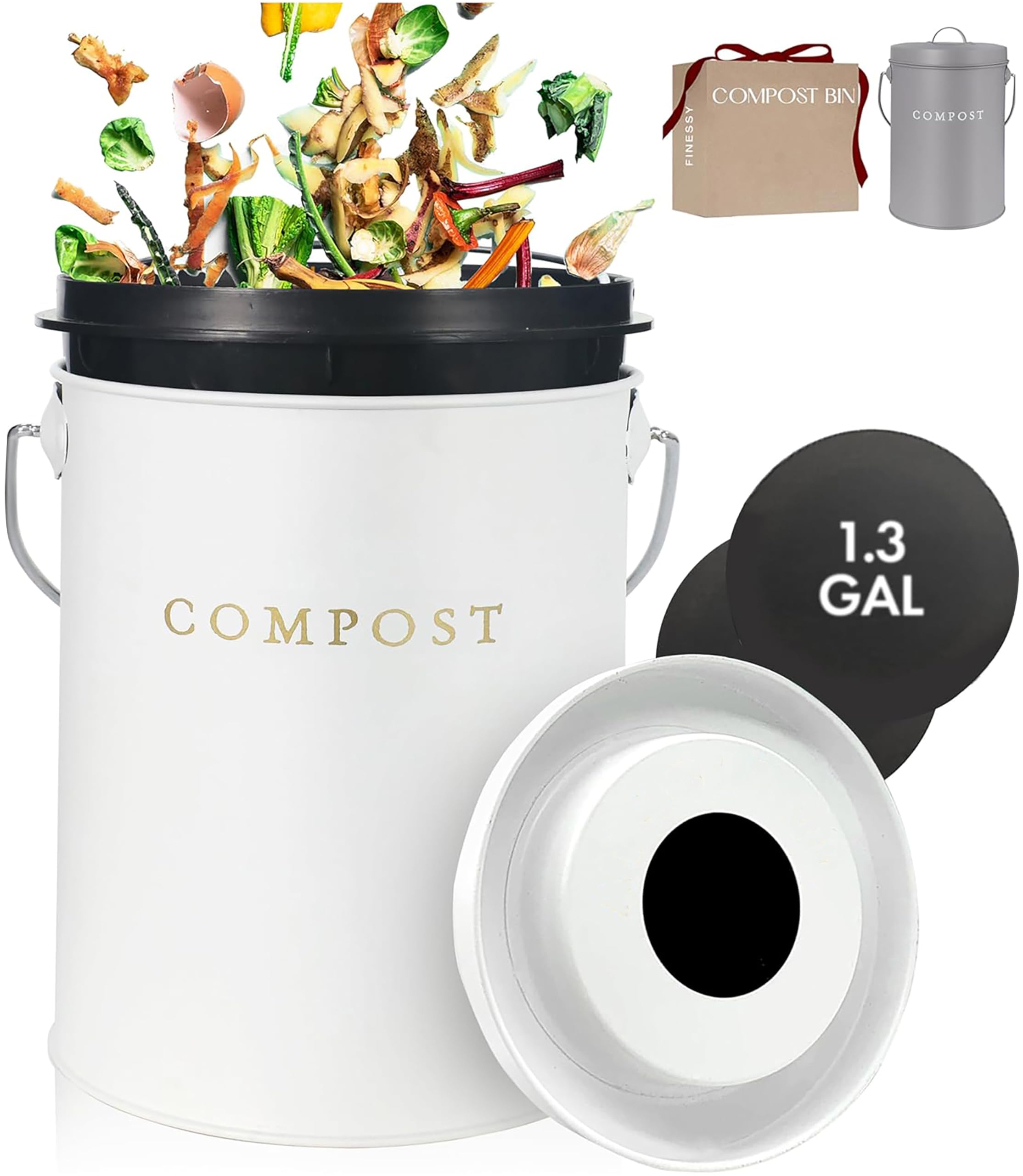
Countertop Compost Bins
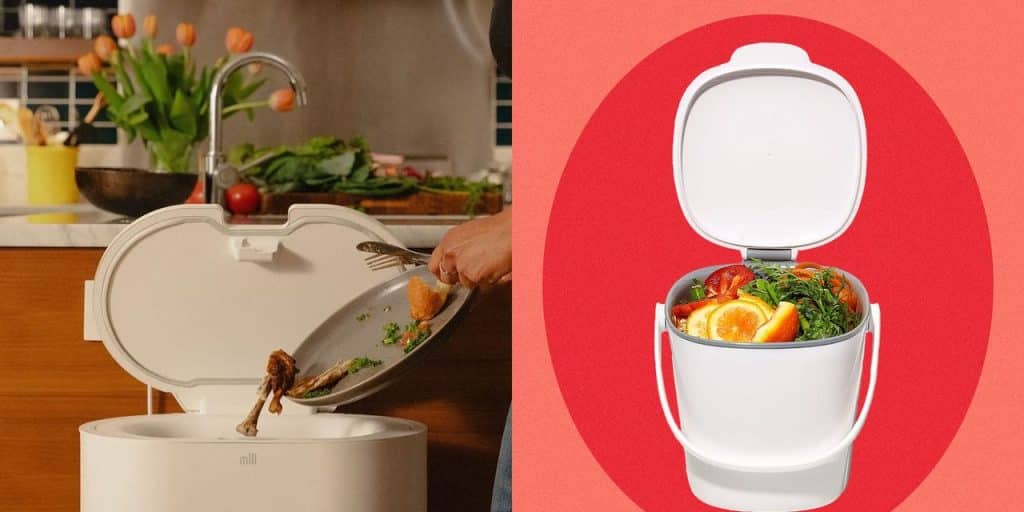
Countertop compost bins are small containers for food scraps. They sit on your kitchen counter and hold waste until you move it outside.
- Usually made of plastic or metal
- Have a lid to keep odors inside
- Easy to clean and use daily
- Best for storing scraps temporarily
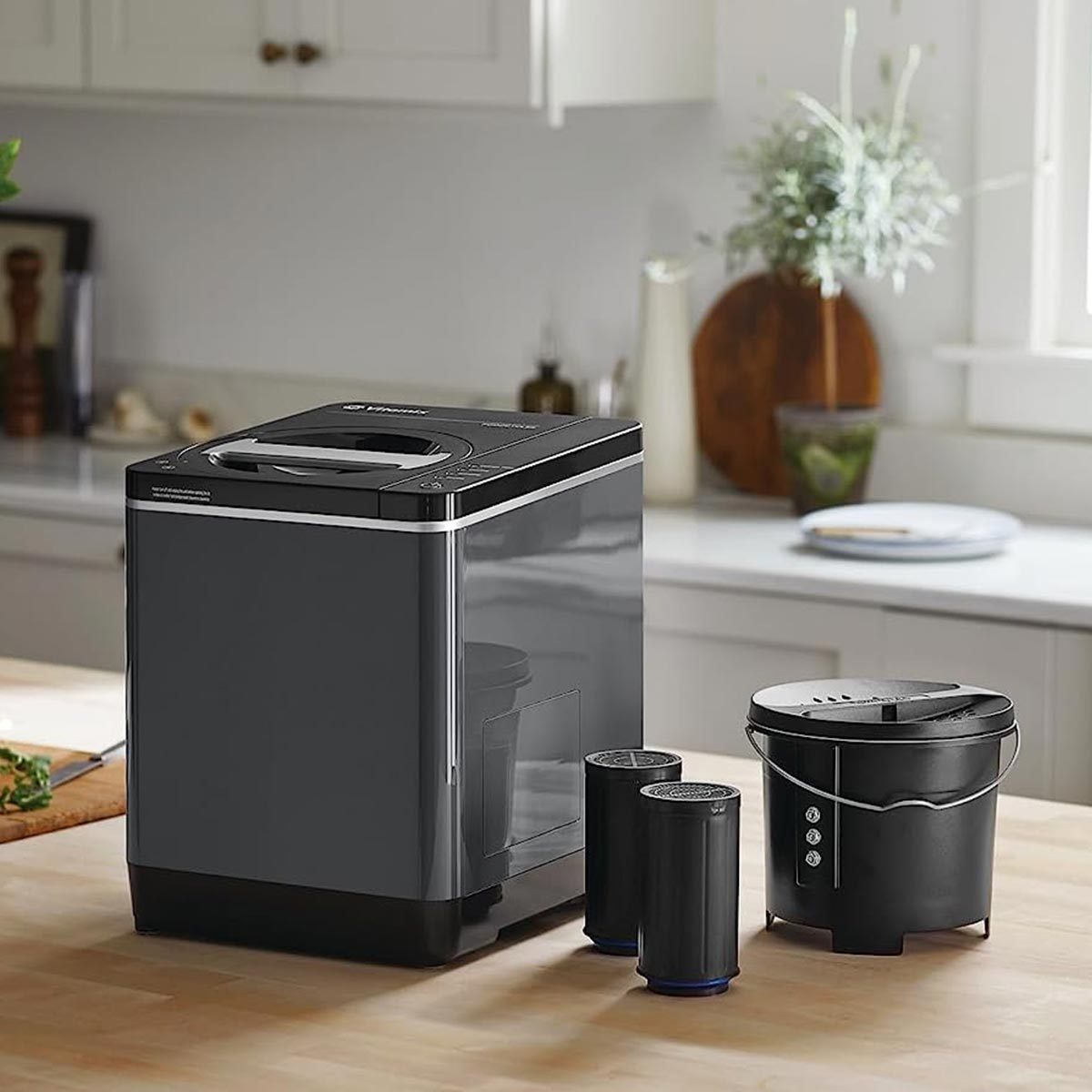
Electric Composters
Electric composters speed up the process by using heat and air. They break down scraps in a few hours or days.
| Feature | Details |
| Speed | Compost ready in 24 hours to a few days |
| Size | Compact, fits on countertops |
| Power | Uses electricity to heat and mix waste |
| Cost | Higher than simple bins |
Vermicomposters
Vermicomposters use worms to break down food scraps. Worms turn waste into rich soil called worm castings.
Here are key points about vermicomposting:
- Needs a special bin with air holes
- Worms eat vegetable scraps and paper
- Works well indoors or outdoors
- Produces nutrient-rich compost for plants
How Kitchen Composters Work
Kitchen composters help turn food scraps into rich soil. They speed up the natural process of decomposition.
These devices keep waste in a small container inside your home. They make composting easier and less messy.
Composting Process Explained
Kitchen composters break down food waste using microbes and air flow. This creates nutrient-rich compost for plants.
You add scraps like fruit peels, vegetable bits, and coffee grounds. The composter mixes and aerates these materials regularly.
- Microorganisms digest the waste
- Air helps microbes work faster
- Moisture keeps the process active
- Heat is generated during breakdown
- Resulting compost is dark and crumbly
Managing Odor And Pests
Good kitchen composters control smells by sealing waste tightly. Proper airflow also reduces bad odors.
They keep pests away by locking scraps inside a closed container. This stops flies and rodents from getting in.
- Use a sealed lid to trap smells
- Add dry materials to balance moisture
- Keep the composter clean
- Empty compost regularly
- Store away from direct sunlight
Environmental Impact
Kitchen composters help reduce waste that goes to landfills. They turn food scraps into useful compost.
Using a kitchen composter can lower your home’s carbon footprint. It supports a healthier planet.
Reducing Landfill Waste
Food scraps are a large part of landfill waste. Composting these scraps keeps them out of landfills.
- Reduces the amount of garbage in landfills
- Decreases landfill space use
- Prevents harmful gases from waste breakdown
Lowering Carbon Footprint
Composting lowers methane gas, a strong greenhouse gas. This helps fight climate change.
| Action | Effect on Carbon Footprint |
| Throwing food in landfill | Produces methane, increases carbon footprint |
| Composting food scraps | Reduces methane, lowers carbon footprint |
| Using compost in garden | Improves soil, stores carbon |
Cost And Maintenance
Kitchen composters help reduce food waste by turning scraps into compost. Knowing their cost and upkeep helps decide if they are worth it.
This guide covers the initial investment and the ongoing care needed for kitchen composters.
Initial Investment
Buying a kitchen composter requires some money upfront. Prices vary based on size and style.
Basic models cost less but might need more effort. Electric composters cost more but work faster.
- Manual compost bins range from $20 to $100
- Electric composters can cost $200 to $600
- Some units need special liners or filters that add to costs
- Space and location may affect your choice and price
Ongoing Care And Troubleshooting
Kitchen composters need regular care to work well. You must add scraps and manage moisture.
Common problems include odor, pests, and slow breakdown of waste. These need quick fixes.
- Stir or shake the composter often to add air
- Balance wet and dry materials to avoid smell
- Clean the unit regularly to prevent pests
- Check electric composters for proper function
- Use baking soda or charcoal to reduce bad odors
Common Challenges
Kitchen composters help reduce food waste. Many people find them useful. Still, they come with some challenges.
Knowing these challenges helps you decide if a kitchen composter fits your needs.
Space Limitations
Kitchen composters take up counter or cabinet space. Small kitchens may have trouble fitting one. Some models are compact but still need room.
Choosing the right size is key. Think about where you will place it and how often you empty it.
Composting Speed
Composting in the kitchen is slower than outdoor piles. It may take weeks to see results. Temperature and moisture affect speed.
- Low heat slows down decomposition.
- Too much moisture causes odor problems.
- Turning or mixing helps speed composting.
- Adding dry materials balances moisture.
Dealing With Food Types
Some foods break down easily; others cause issues. Meat and dairy can attract pests and smell bad. Citrus peels may slow the process.
| Food Type | Effect on Compost |
|---|---|
| Fruit scraps | Break down quickly, good for compost |
| Vegetable scraps | Decompose well, add nutrients |
| Meat & dairy | Cause odors and pests, avoid |
| Citrus peels | Slow decomposition if added in large amounts |
| Cooked food | May attract pests, use sparingly |
Tips For Successful Kitchen Composting
Kitchen composting helps reduce food waste and creates healthy soil. It is easy if you follow some simple rules.
Using the right tools and techniques makes composting faster and cleaner. These tips will guide you.
Choosing The Right Composter
Pick a composter that fits your kitchen space and waste amount. Some composters are small and perfect for indoors.
Look for models that control odor well and are easy to clean. Composters with lids help keep pests away.
- Small bins for limited space
- Composters with filters to reduce smell
- Easy-to-empty containers
- Durable materials like plastic or stainless steel
Best Practices For Composting
Chop food scraps into small pieces. This speeds up decomposition and reduces odors.
Keep a balance of green and brown materials. Greens are food scraps, browns are dry leaves or paper.
- Turn the compost every few days to add air
- Do not add meat, dairy, or oily foods
- Keep compost moist but not wet
- Use a small bin for quick composting
Avoiding Common Mistakes
Do not overfill the composter. Too much waste can slow down the process and cause bad smells.
Avoid adding cooked foods and pet waste. These can attract pests and cause contamination.
- Keep the compost bin in a cool, dry place
- Do not add plastic or metal items
- Watch for signs of pests and fix quickly
- Empty the bin regularly to prevent buildup
Credit: www.amazon.com

Credit: www.youtube.com
Frequently Asked Questions
What Are The Benefits Of Using Kitchen Composters?
Kitchen composters reduce food waste and create nutrient-rich soil. They lower landfill contributions and promote eco-friendly gardening. Composting indoors is convenient and odor-free with the right composter. This practice saves money on fertilizers and supports sustainable living.
How Much Space Do Kitchen Composters Require?
Most kitchen composters are compact and fit easily on countertops or under sinks. They typically need minimal space, ideal for apartments or small kitchens. Size varies by model, but many hold enough waste for daily household use without cluttering the area.
Can Kitchen Composters Eliminate Food Waste Odors?
Yes, modern kitchen composters use sealed lids and carbon filters to control odors. Proper maintenance and balanced waste input prevent bad smells. This makes indoor composting hygienic and pleasant, encouraging consistent use and reducing kitchen odors effectively.
Are Kitchen Composters Cost-effective Over Time?
Kitchen composters save money by reducing garbage disposal fees and fertilizer purchases. Initial investment varies, but long-term benefits outweigh costs. Composting reduces waste hauling and supports home gardening, making it a financially smart and sustainable choice.
Conclusion
Kitchen composters help reduce waste in simple ways. They turn food scraps into useful soil for plants. This process saves money and helps the environment. Using a kitchen composter also keeps your trash smaller and cleaner. It takes just a little effort and space at home.
Many people find composting satisfying and fun. Small changes like this make a big difference over time. Think about your kitchen waste and how composting fits your life. It’s a smart step toward greener living.