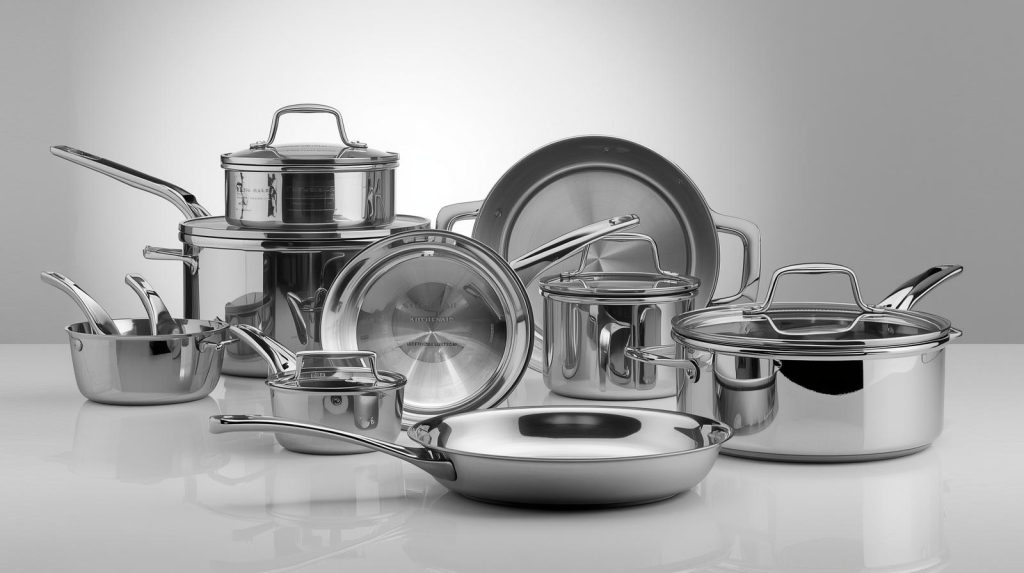
Are you considering upgrading your cookware and find yourself wondering, “Are Kitchen Aid pots aluminum?” This is a question that many home chefs and cooking enthusiasts like you may have.
Understanding the materials your cookware is made from is essential for making informed choices that affect your cooking results and your health. We’ll delve into the world of Kitchen Aid pots and explore what they’re really made of. By the end, you’ll know exactly what to expect when choosing these popular kitchen essentials.
Let’s demystify this cookware conundrum together, ensuring you make the best decision for your culinary adventures.
Material Types In Kitchen Aid Pots
Kitchen Aid pots come in different materials. Each type affects cooking and pot care.
Knowing these materials helps you pick the right pot for your kitchen needs.
Common Materials Used
Kitchen Aid pots use several popular materials. Each has good and bad points.
- Stainless Steel: Durable and resists rust.
- Copper: Excellent heat conductor but needs care.
- Cast Iron: Holds heat well, good for slow cooking.
- Aluminum: Lightweight and heats quickly.
- Non-stick coatings: Easy to clean but less durable.
Role Of Aluminum In Cookware
Aluminum is a key material in many Kitchen Aid pots. It is light and heats fast.
| Feature | Benefit | Consideration |
| Weight | Lightweight for easy handling | Can dent if dropped |
| Heat Conductivity | Quick and even heating | May react with acidic foods |
| Durability | Moderate with proper care | Often anodized to improve strength |
| Cost | Usually affordable | Less expensive than copper |
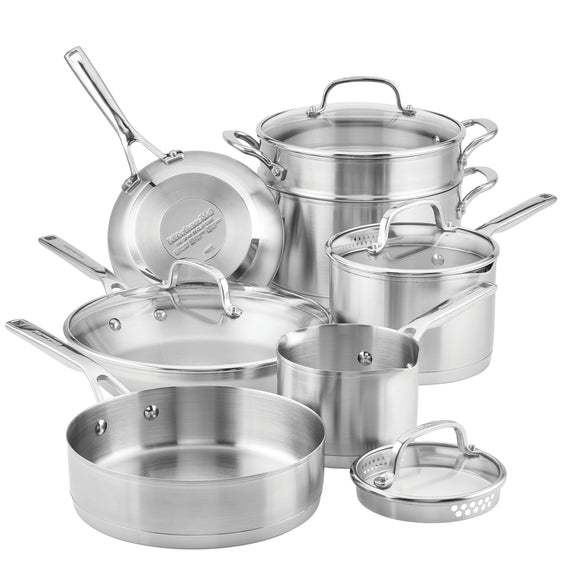
Credit: meyercanada.ca
Aluminum Presence In Kitchen Aid Pots
Kitchen Aid pots often include aluminum in their design. Aluminum helps pots heat quickly and evenly. This metal makes cooking easier and more efficient.
Not all Kitchen Aid pots use the same amount of aluminum. Some models have more aluminum layers. Others use aluminum only in the base or core.
Models Featuring Aluminum
Many Kitchen Aid pots have aluminum built into their structure. This is common in both affordable and premium lines. The aluminum is often layered with stainless steel for strength.
Some popular models with aluminum include:
- Kitchen Aid Classic Stainless-Steel Pots
- Kitchen Aid Tri-Ply Stainless-Steel Pots
- Kitchen Aid Non-Stick Aluminum Core Pots
Anodized Aluminum Options
Kitchen Aid offers pots made from anodized aluminum. This process makes the aluminum harder and more durable. It also creates a smooth, non-stick surface.
Anodized aluminum pots heat evenly and resist scratches. They are lighter than stainless steel pots. These pots are good for everyday cooking.
- Durable and resistant to corrosion
- Even heat distribution
- Lightweight and easy to handle
- Often coated with non-stick layers
Benefits Of Aluminum Cookware
Aluminum cookware is popular in many kitchens. It offers several benefits for cooking.
This type of cookware heats food evenly and is easy to handle. Many chefs prefer it for these reasons.
Heat Conductivity
Aluminum is a great conductor of heat. It warms up quickly and spreads heat evenly.
This helps food cook faster without hot spots. It also saves energy by using less heat.
- Heats up fast
- Even heat distribution
- Reduces cooking time
- Prevents burning in spots
Lightweight Design
Aluminum cookware is light compared to other metals. This makes it easy to lift and move.
Its light weight helps reduce strain on your hands and wrists. It is ideal for everyday cooking.
- Easy to handle
- Less strain during use
- Good for large pots and pans
- Simple to clean and store
Potential Drawbacks Of Aluminum
Aluminum pots are popular for cooking because they heat quickly and evenly. But aluminum has some drawbacks that you should know about.
These drawbacks can affect how safe and long-lasting your cookware will be.
Reactivity With Food
Aluminum can react with acidic and salty foods. This reaction may change the taste of your meals.
It can also cause discoloration of the food and the pot’s surface.
- Cooking tomatoes, vinegar, or citrus in aluminum pots may cause a metallic taste.
- Aluminum may leach into food, especially if the pot is scratched or worn.
- Anodized aluminum is less reactive but not completely non-reactive.
Durability Concerns
Aluminum pots can dent and scratch easily. This lowers their lifespan compared to other metals.
They also may warp under very high heat or sudden temperature changes.
- Aluminum is softer than stainless steel or cast iron.
- Scratches can make the pot less safe and harder to clean.
- Warping affects even heating and cooking performance.
Comparing Kitchen Aid Aluminum Pots To Others
Kitchen Aid makes aluminum pots that many cooks like. Aluminum pots are popular for cooking because they heat up fast.
This article compares Kitchen Aid aluminum pots to other brands. You will learn how they perform and their price differences.
Performance Differences
Kitchen Aid aluminum pots heat evenly and quickly. This helps food cook properly without hot spots.
Other brands may use different aluminum thickness or coatings. These changes can affect heat spread and pot durability.
- Kitchen Aid pots have good heat conductivity.
- Some brands use harder aluminum for longer life.
- Non-stick coatings vary in quality between brands.
- Kitchen Aid pots often include an aluminum core for better heat.
Price And Value
Kitchen Aid aluminum pots are priced in the mid-range. They balance cost and quality well for many users.
Other brands can be cheaper or more expensive. Price often depends on materials and brand reputation.
| Brand | Price Range | Material Quality |
|---|---|---|
| Kitchen Aid | $$ | Good quality aluminum with sturdy build |
| Budget Brands | $ | Thinner aluminum, less durable |
| Premium Brands | $$$ | Thick aluminum, advanced coatings |
Care Tips For Aluminum Pots
Aluminum pots are popular for cooking because they heat up quickly. They need special care to stay in good shape. Proper cleaning and maintenance will help your pots last longer.
Learn how to clean and maintain your aluminum pots with easy steps. These tips keep the pots safe and looking great.
Cleaning Guidelines
Cleaning aluminum pots requires gentle methods to avoid damage. Avoid harsh scrubbing and strong chemicals. Use soft cloths or sponges instead.
- Wash pots with warm, soapy water after each use.
- Use a soft sponge or cloth to clean the surface.
- Do not use steel wool or abrasive cleaners.
- Rinse pots well to remove all soap residue.
- Dry pots immediately with a soft towel to prevent water spots.
Maintenance Practices
Regular care keeps aluminum pots in good condition. Avoid using them with acidic foods often because acid can cause discoloration.
| Maintenance Tip | Reason |
| Store pots in a dry place | Prevents rust and corrosion |
| Polish with a baking soda paste | Restores shine and removes stains |
| Use wooden or plastic utensils | Avoids scratching the surface |
| Check for dents or warps regularly | Ensures even cooking and safety |
Alternatives To Aluminum Kitchen Aid Pots
Many cooks want pots that last long and cook food evenly. Aluminum pots are common, but some prefer other materials.
Choosing different pots can change how your food tastes and how easy it is to clean. Here are some good alternatives.
Stainless Steel Options
Stainless steel pots are strong and do not react with food. They keep their shine and can handle high heat well.
These pots are easy to clean and work on many cooktops. They also do not scratch easily, making them very durable.
- Resist rust and stains
- Good for boiling and frying
- Can be dishwasher safe
- Offer even heating with layered bases
Nonstick And Ceramic Choices
Nonstick pots help food not stick and make cleaning simple. They need gentle care to last longer.
Ceramic pots are another option. They are free from chemicals and give a smooth cooking surface.
- Nonstick pots use a coating to prevent sticking
- Ceramic pots are often made with natural materials
- Both are good for cooking eggs and pancakes
- Avoid using metal tools to protect the surface
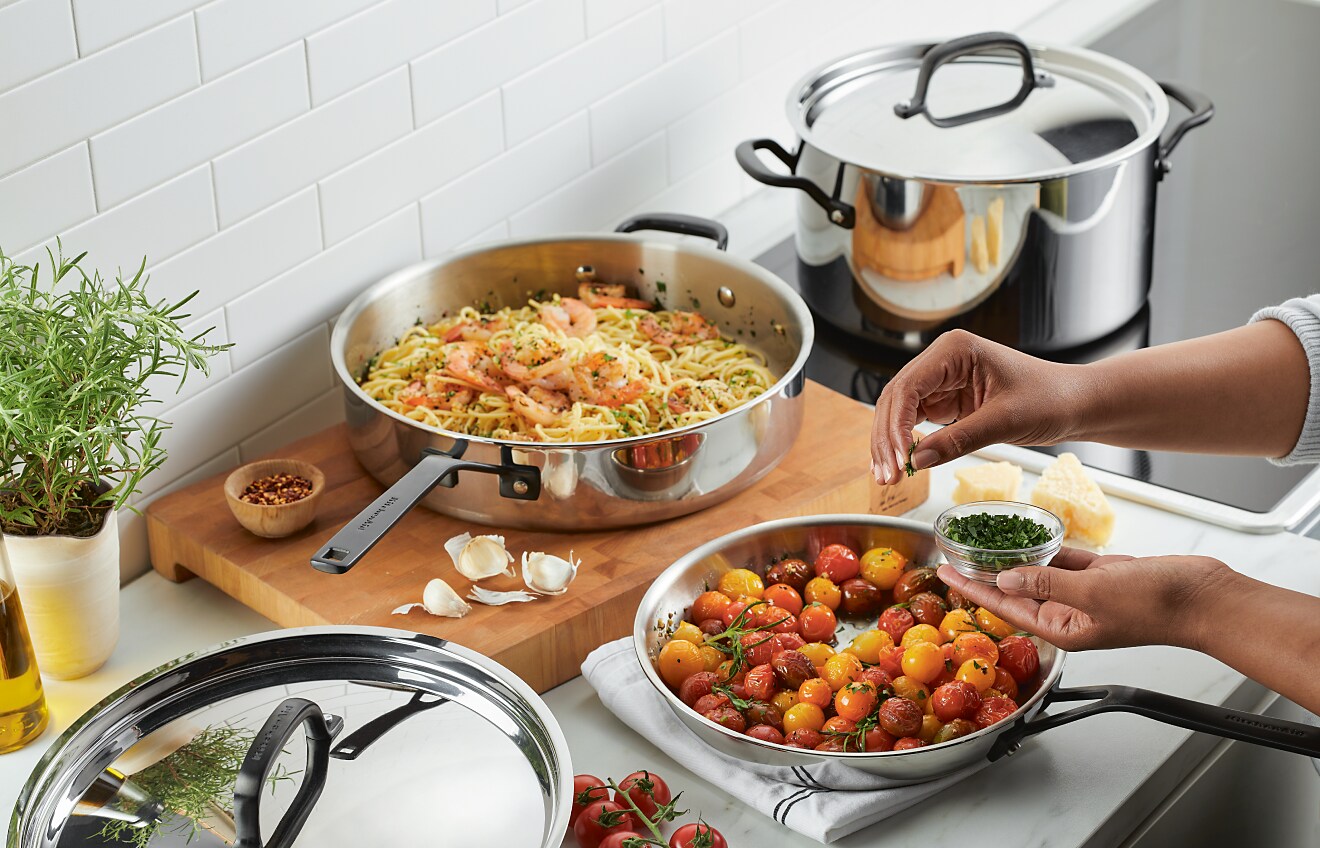
Credit: www.kitchenaid.com
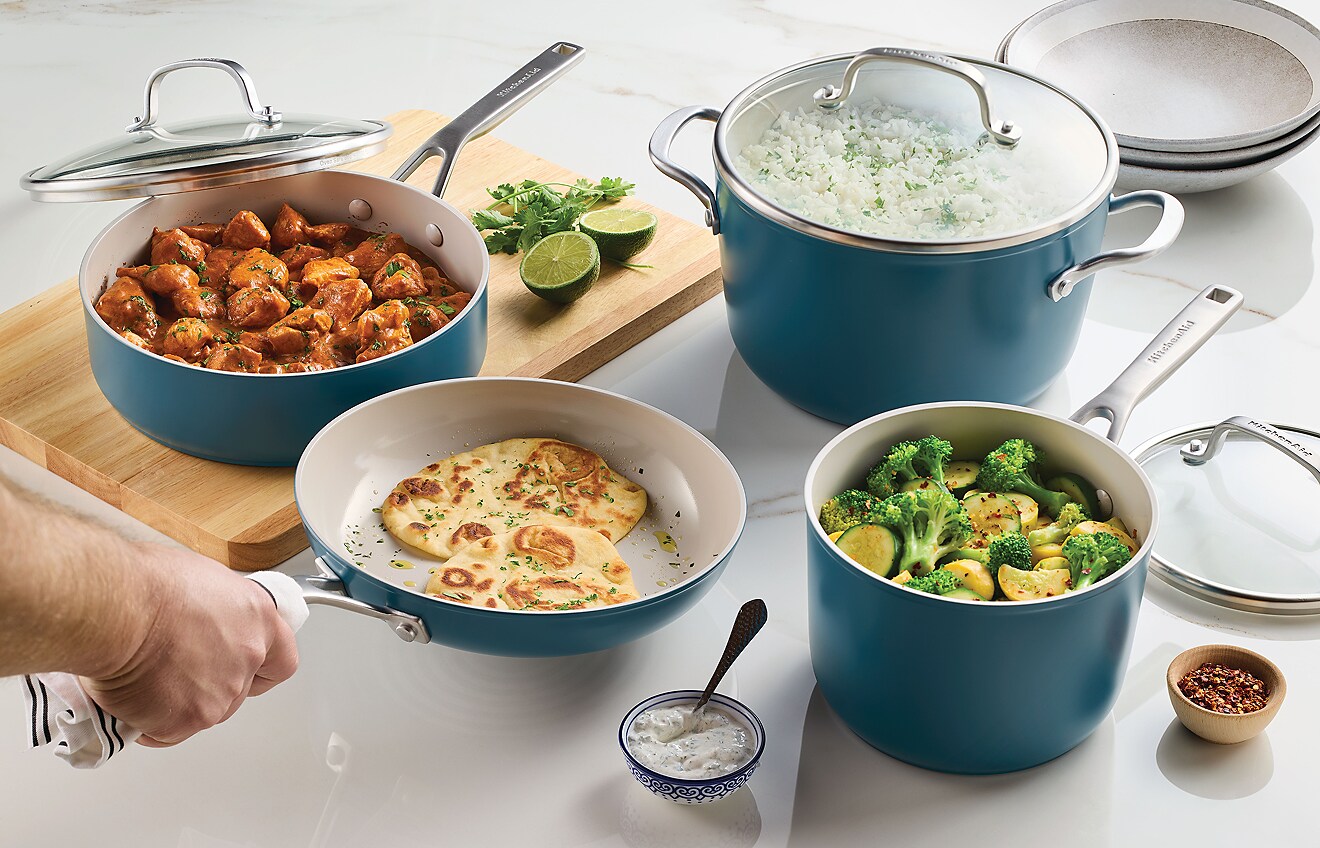
Credit: www.kitchenaid.com
Frequently Asked Questions
Are Kitchen Aid Pots Made From Aluminum?
Yes, some Kitchen Aid pots are made from aluminum. They often feature anodized or coated aluminum for durability and even heat distribution. This material ensures lightweight and efficient cooking performance.
Is Aluminum Safe For Kitchen Aid Cookware?
Kitchen Aid uses anodized or coated aluminum, making it safe for cooking. The coating prevents aluminum from reacting with food. This ensures healthy and safe meal preparation.
Do Kitchen Aid Aluminum Pots Have Non-stick Coating?
Many Kitchen Aid aluminum pots come with a non-stick coating. This coating makes cooking and cleaning easier. It also helps prevent food from sticking and burning.
How Does Aluminum Affect Heat Distribution In Kitchen Aid Pots?
Aluminum provides excellent heat conductivity for Kitchen Aid pots. It heats up quickly and distributes heat evenly. This leads to better cooking results and energy efficiency.
Conclusion
KitchenAid pots often use aluminum for even heat spread. This metal heats quickly and cooks food well. Many pots also have a protective coating for safety. Aluminum makes pots lighter and easier to handle. Knowing the material helps you choose the best pot.
Quality and care matter for long-lasting use. Choose pots that fit your cooking needs best. Simple facts help you make smart kitchen choices.